How to Reduce Stress Naturally: A Complete Practical Guide

How to Reduce Stress Naturally: A Complete Practical Guide

How to Reduce Stress Naturally: A Complete, Practical Guide

Your jaw is tight, your inbox has forty unread emails, and someone just told you to “just relax” as if that were a switch you could flip. If you’ve searched for how to reduce stress naturally, you’ve probably already tried the obvious advice — breathe deeply, go for a walk, get more sleep — and wondered why it still feels like stress is winning. Here’s what most guides skip: natural stress relief isn’t one trick, it’s matching the right tool to the specific kind of stress you’re carrying right now, whether that’s a racing mind at 2am, a tense body after a long shift, or a slow-building overwhelm that’s been building for weeks. This guide walks through genuinely practical techniques — the fast ones you can do at your desk, the slower foundational habits that do most of the heavy lifting, and a clear way to tell when self-help isn’t quite enough and it’s time to bring in extra support. No supplements to buy, no unrealistic morning routine required — just what actually works.

Quick Answer

To reduce stress naturally, combine a fast in-the-moment technique (slow breathing, a short walk, or stepping outside) with slower daily foundations that build resilience over time — consistent sleep, regular movement, and time spent with people or in nature. Quick techniques ease the immediate spike; the daily habits lower your overall baseline stress over one to a few weeks.

Key Takeaways

  • Slow breathing can calm your body within a few minutes — it’s the fastest natural tool available.
  • Sleep, movement, and diet are the “boring” foundations that do most of the long-term work.
  • Different stress needs different tools — a racing mind and physical tension aren’t solved the same way.
  • Most people notice a shift in their baseline stress within two to three weeks of consistent small changes.
  • Natural techniques support wellbeing but aren’t a substitute for professional help if stress feels unmanageable.
  • Small, repeatable habits beat one dramatic “self-care day” for lowering stress long-term.

Why Trust This Guide

This guide was written and reviewed by the Spiritual Meditation Yoga Editorial Team. We’ve deliberately left out anything requiring supplements, specific dosages, or unverified “miracle” remedies you’ll find on many wellness sites — our focus is on well-established, low-risk lifestyle techniques, with honest limits about what natural methods can and can’t do. Where stress crosses into something more serious, we say so directly rather than offering another breathing exercise as a substitute.

What Does It Actually Mean to Reduce Stress “Naturally”?

“Reducing stress naturally” means using lifestyle-based techniques — breathing, movement, sleep, social connection, and daily routine changes — rather than medication, to lower both the intensity of your stress response and how often it gets triggered. It isn’t about eliminating stress completely, which isn’t realistic or even always desirable, since some stress helps you stay alert and motivated.

The techniques generally fall into two categories: fast-acting tools that calm your body in the moment (like slow breathing), and slower foundational habits that lower your baseline stress level over days and weeks (like consistent sleep and regular movement). Most people need both — quick relief for today, and steady habits so tomorrow’s stress hits a little less hard.

It’s worth being clear-eyed here too: research on stress-management techniques generally suggests they can meaningfully reduce perceived stress and support wellbeing, but results vary between individuals, and natural techniques work best as a complement to professional support when stress is severe, prolonged, or affecting your daily functioning — not as a replacement for it.

Breath and Body: Techniques You Can Do in Under 5 Minutes

When stress hits right now — before a meeting, mid-argument, lying awake at 2am — these are the fastest, most accessible tools:

Slow, extended-exhale breathing

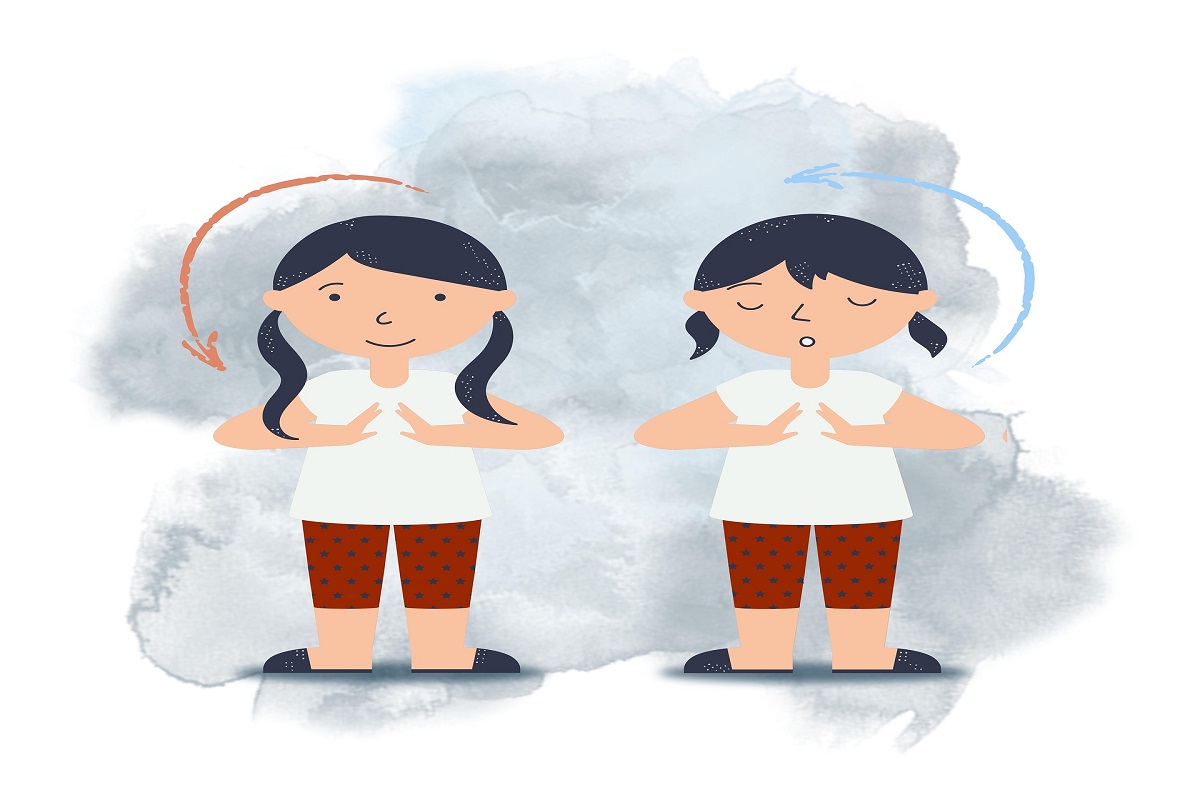
Breathe in through your nose for a count of 4, then exhale slowly through your mouth for a count of 6–8. A longer exhale than inhale is what signals your nervous system to shift out of “alert” mode. Repeat for 5–10 breaths.

Physical release: shake it out or stretch

Stress often shows up as physical tension — clenched jaw, tight shoulders, a held breath. A minute of shoulder rolls, a gentle neck stretch, or even shaking out your hands and arms can interrupt that physical loop faster than trying to “think” your way calm.

Cold water on your face or wrists

Splashing cool water on your face or running your wrists under cold water can produce a quick, noticeable calming effect for many people, likely tied to how the body responds to a mild change in temperature — a simple, accessible option when you need something fast and have no privacy for breathing exercises.

Grounding through your senses

Name 5 things you can see, 4 you can hear, 3 you can physically feel, 2 you can smell, and 1 you can taste. This pulls attention out of a spiralling thought and back into the present moment — useful specifically for racing, anxious thoughts rather than physical tension.

Editor’s Insight: Most people default to breathing exercises for every kind of stress, but a racing mind and a tense body respond better to different tools. If your thoughts are looping, grounding beats breathing; if your body feels wound up, movement beats sitting still.

Movement as Stress Relief: Walking, Yoga, and Everyday Activity

Movement is one of the most consistently reported natural stress relievers, and it doesn’t need to be intense to help.

  • Walking, especially outdoors: Even a 10–15 minute walk can ease physical tension and shift your mental state, particularly away from screens.
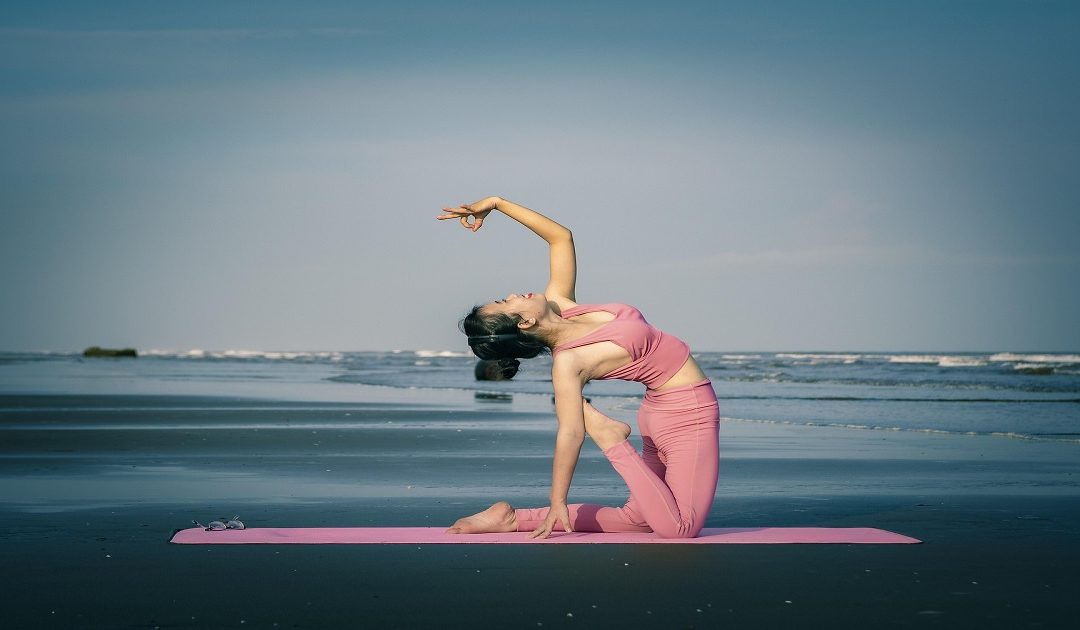
  • Gentle yoga or stretching: Slow, breath-linked movement combines the physical release of exercise with the calming effect of controlled breathing.
  • Any repetitive, rhythmic movement: Cycling, swimming, or even pacing while on a phone call can have a similar grounding effect.

You don’t need a formal workout — the goal is regular, low-pressure movement rather than a specific intensity or duration target.

The Foundations Most People Skip: Sleep, Diet, and Routine

The least exciting advice is usually the most effective, and most people skip straight past it to look for a faster fix.

  • Consistent sleep timing: Going to bed and waking at similar times, even on weekends, supports your body’s stress-regulation systems far more than an extra hour of sleep on Sunday.
  • Regular meals: Skipping meals or relying heavily on caffeine can amplify feelings of jitteriness and irritability that mimic or worsen stress.
  • A wind-down routine: A consistent 15–20 minutes before bed without screens gives your nervous system a clear signal that the day is ending.
  • Reducing caffeine late in the day: For many people, afternoon caffeine directly interferes with the sleep quality that would otherwise buffer next-day stress.

Editor’s Insight: If you only change one foundational habit, make it sleep timing. Poor sleep amplifies almost every other stressor, which is why it’s often the highest-leverage change even though it feels the least “active.”

Nature, Social Connection, and Simple Daily Rituals

Two of the most under-used natural stress relievers aren’t techniques so much as ingredients:

  • Time in nature: Even a short amount of time around greenery, natural light, or outdoor air is commonly reported to ease stress, whether that’s a garden, a park, or a short walk somewhere with more sky than screens.
  • Social connection: A brief conversation with someone you trust, even a short phone call, can meaningfully ease the felt intensity of stress — isolation tends to amplify it.
  • Small daily rituals: A consistent morning cup of tea made slowly, a few minutes of journaling, or tidying one small space can create a sense of control that counteracts the “everything is chaotic” feeling stress produces.

Common Mistakes When Trying to Reduce Stress Naturally

Mistake 1: Trying every technique at once. Why it happens: feeling desperate for relief makes people want to overhaul everything immediately. Why it matters: juggling five new habits at once is itself stressful and rarely sustainable. Better approach: pick one fast technique and one foundational habit, and build from there.

Mistake 2: Only using techniques reactively, in a crisis. Why it happens: it’s the moment stress feels most urgent. Why it matters: relying solely on quick fixes without addressing foundational habits means your baseline stress never actually drops. Better approach: pair in-the-moment tools with slower daily habits that lower your starting point.

Mistake 3: Expecting an immediate, dramatic change. Why it happens: quick techniques like breathing can genuinely produce fast in-the-moment relief, which sets an expectation that everything should work that fast. Why it matters: foundational changes like better sleep take one to a few weeks to show a noticeable difference, and giving up too early misses the payoff. Better approach: judge foundational habits over 2–3 weeks, not 2–3 days.

Mistake 4: Treating natural techniques as a replacement for needed support. Why it happens: self-help feels more private and accessible than seeking professional support. Why it matters: if stress is severe, persistent, or affecting daily functioning, natural techniques alone may not be enough, and delaying support can prolong suffering. Better approach: use natural techniques alongside, not instead of, professional help when it’s needed.

Mistake 5: Ignoring caffeine and sleep while focusing only on “relaxation” techniques. Why it happens: breathing and meditation feel more directly related to stress than diet or sleep timing. Why it matters: poor sleep and high caffeine intake can undercut the benefit of every other technique. Better approach: address the foundations first, then layer in-the-moment techniques on top.

Three Weeks of Small Changes: A Real-World Scenario

Illustrative Scenario

This is a composite example built from common experiences, not a verified individual case. Sarah, a 38-year-old project manager, felt constantly tense but couldn’t pinpoint one single cause. In week one, she added a 10-minute walk at lunch and used the extended-exhale breathing technique before stressful meetings — she noticed the in-the-moment relief immediately, but her overall tension level barely shifted. In week two, she fixed her bedtime to the same time each night and cut afternoon coffee; she reported sleeping more soundly, though she still felt on edge some days. By week three, with both the quick techniques and the sleep change running together, she noticed she was reacting less sharply to minor work frustrations — not because the frustrations had disappeared, but because her baseline stress had genuinely dropped.

A pattern of immediate but limited relief from quick techniques, followed by a more noticeable shift once foundational habits kick in around week two or three, is commonly reported — though individual timelines vary and this isn’t a guaranteed outcome.

How to Reduce Stress Naturally

Which Technique Fits Your Type of Stress?

What You’re Feeling Try This First
Racing, looping thoughts 5-4-3-2-1 grounding technique
Physical tension (jaw, shoulders, chest) Movement, stretching, or a short walk
Sudden panic or overwhelm before an event Extended-exhale breathing (4 in, 6–8 out)
Slow-building, ongoing overwhelm Sleep timing + regular movement, addressed over weeks
Feeling isolated or unsupported A short conversation with someone you trust

No single technique works for every kind of stress — matching the tool to what you’re actually feeling makes a real difference.

Comparison: Natural Techniques by Time and Effort

Technique Time Needed Speed of Effect
Extended-exhale breathing 1–5 minutes Immediate
Grounding technique 2–3 minutes Immediate
Short walk 10–15 minutes Fast (same day)
Consistent sleep timing Ongoing daily habit 1–2 weeks
Regular movement/yoga Few times a week 2–3 weeks

Your Natural Stress-Relief Checklist

Checklist 1: In the Moment

  • Notice whether the stress feels mental (racing thoughts) or physical (tension)
  • For racing thoughts: try the 5-4-3-2-1 grounding technique
  • For physical tension: move, stretch, or step outside briefly
  • Use extended-exhale breathing if you need something fast and discreet

Checklist 2: Building Your Foundations (Next 3 Weeks)

  • Pick one consistent sleep and wake time, even on weekends
  • Add one short walk or movement session most days
  • Cut caffeine after early afternoon
  • Build in one small daily ritual (tea, journaling, tidying)
  • Reassess after 3 weeks, not 3 days

When Natural Techniques Aren’t Enough

Important Safety Note

Natural techniques work well for everyday stress, but they aren’t designed to treat clinical anxiety, depression, or a mental health crisis. If stress feels constant, overwhelming, or is affecting your ability to function day-to-day, or if you’re experiencing symptoms like persistent low mood, panic attacks, or thoughts of self-harm, please speak with a GP or a qualified mental health professional. This guide is educational and isn’t a substitute for personalised medical or psychological care.

Frequently Asked Questions

What is the fastest natural way to reduce stress?

Extended-exhale breathing — inhaling for 4 counts and exhaling for 6–8 — tends to produce the fastest noticeable calming effect, often within a few minutes.

Can natural remedies really reduce anxiety and stress?

Natural techniques like breathing exercises, movement, and consistent sleep can meaningfully reduce everyday stress and support general wellbeing for many people, though results vary and they aren’t a replacement for professional treatment if anxiety is severe or persistent.

How long does it take for natural stress relief to work?

Fast techniques like breathing or grounding can help within minutes. Foundational habits like better sleep or regular movement typically take one to three weeks of consistency before you notice a real shift in your baseline stress.

Does exercise really help with stress?

Yes — regular movement, even gentle activity like walking or yoga, is one of the most consistently reported natural stress relievers, likely through a combination of physical tension release and mood-related effects.

What should I avoid when trying to reduce stress naturally?

Avoid trying to overhaul every habit at once, relying only on in-the-moment techniques without addressing sleep and routine, and treating natural methods as a replacement for professional support when stress is severe.

Can lack of sleep make stress worse?

Yes — poor or inconsistent sleep amplifies your stress response and makes it harder for other techniques to help, which is why sleep timing is often the highest-leverage change to make first.

Is it normal to still feel stressed even after trying these techniques?

Yes. Natural techniques ease and manage stress; they don’t eliminate it entirely, and everyone responds differently. If stress remains overwhelming despite consistent effort, that’s a sign to seek additional professional support.

Sources & References

  • General principles reflect widely recognised, low-risk lifestyle approaches to stress management (breathing, movement, sleep hygiene) commonly recommended by health bodies; readers experiencing severe, persistent, or crisis-level stress should consult a GP or qualified mental health professional rather than relying on self-help alone.

About the Author

Written and reviewed by the Spiritual Meditation Yoga Editorial Team. We publish educational content covering meditation, yoga, mindfulness, spirituality, and holistic wellbeing. Our editorial approach prioritises clear explanations, responsible wellness guidance, appropriate source-checking, and a transparent distinction between traditional teachings and evidence-based information.

Last reviewed: September 2026

Conclusion

Reducing stress naturally isn’t about finding one perfect technique — it’s about pairing something fast for right now (a few slow breaths, a short walk, a moment of grounding) with a few boring but powerful daily habits, especially consistent sleep, that lower your baseline over the coming weeks. Start with one of each, give it three weeks before judging the results, and don’t hesitate to bring in professional support if the weight of it feels like more than self-help alone can carry.

Morning Yoga for Beginners: A Simple 10-Minute Routine

Morning Yoga for Beginners: A Simple 10-Minute Routine

Morning Yoga for Beginners: A Simple, Realistic Way to Start Your Day

Your alarm goes off, your back feels like it’s made of cardboard, and the last thing you want to do is get on a mat and touch your toes. That’s exactly why most people never make morning yoga stick — they picture an hour-long, Instagram-worthy flow instead of the ten honest minutes that actually change how the rest of the day feels. This guide strips morning yoga back to what genuinely works for beginners: a short, realistic sequence you can do half-asleep, in your pyjamas, with zero equipment beyond a mat or a folded towel. You’ll get a step-by-step routine, the mistakes that quietly sabotage most people’s first week, a clear picture of what to expect by day two versus day fourteen, and a simple way to decide how long your session should actually be. No sunrise, no incense required — just a doable way to feel a little more human before your day starts.

Quick Answer

Morning yoga is a short sequence of gentle stretches and poses practised soon after waking, usually 10–20 minutes, to loosen stiffness, wake up the body, and calm the mind before the day starts. Beginners should start with 5–10 minutes of simple poses — cat-cow, child’s pose, and a gentle forward fold — done slowly, on an empty stomach, before checking your phone.

Key Takeaways

  • 10 minutes is genuinely enough to start — you don’t need a full hour-long practice.
  • Your body is naturally stiffer first thing, so move slower than you would later in the day.
  • A mat helps but isn’t essential; a rug or folded towel works for your first sessions.
  • Doing it before you check your phone protects the calm, focused effect it’s meant to create.
  • Most beginners notice easier movement and a steadier mood within about one to two weeks.
  • Skipping a groggy morning is fine — a slower, gentler version beats skipping entirely.

Why Trust This Guide

This guide was written and reviewed by the Spiritual Meditation Yoga Editorial Team, with poses and sequencing checked for beginner safety rather than borrowed from any single class or app. We’re upfront that morning yoga is a gentle wellness habit, not a medical treatment, and we flag when a pose needs a modification rather than pretending one sequence suits every body. Nothing here is dressed up as more scientific than it is.

What Is Morning Yoga, and Why Practise It Then?

Morning yoga is simply a yoga practice done shortly after waking, typically a shorter and gentler sequence than a midday or evening class, designed to ease overnight stiffness and settle the mind before the day’s demands begin. Physically, your muscles, joints, and spinal discs are naturally a little stiffer and less hydrated first thing, which is why morning sequences tend to favour slow, controlled movement over deep or bouncy stretching.

Beyond the physical side, many people find that a few quiet minutes of breath-linked movement before checking emails or social media sets a calmer tone for the whole day — though this is a subjective, commonly reported experience rather than a guaranteed or clinically measured effect, and it will feel different from person to person.

What You Need Before You Start

  • A mat, rug, or folded towel — anything with a bit of grip and cushioning works for your first sessions.
  • Comfortable clothing you can move freely in, even if that’s just what you slept in.
  • A small patch of floor space — roughly two arm-spans is plenty.
  • An empty-ish stomach — a full glass of water is fine, but a heavy meal beforehand makes forward folds uncomfortable.

Editor’s Insight: The people who stick with morning yoga longest usually roll out their mat the night before, right next to the bed. Removing the “get up and go find the mat” step removes most of the friction that kills the habit in week one.

Morning Yoga for Beginners: A Simple 5-Step Routine

This gentle sequence takes about 10 minutes and needs no prior experience.

Step 1: Preparation

Roll out your mat, sit or kneel at the front of it, and take three slow breaths in through the nose and out through the mouth before moving. This signals to your body that it’s time to shift gears from sleep to movement.

Step 2: Position — Cat-Cow (1–2 minutes)

Come onto hands and knees, wrists under shoulders, knees under hips. Inhale, drop your belly and lift your chest and tailbone (Cow); exhale, round your spine and tuck your chin (Cat). Move slowly with your breath for 6–8 rounds to wake up the spine.

Step 3: Technique — Child’s Pose (1 minute)

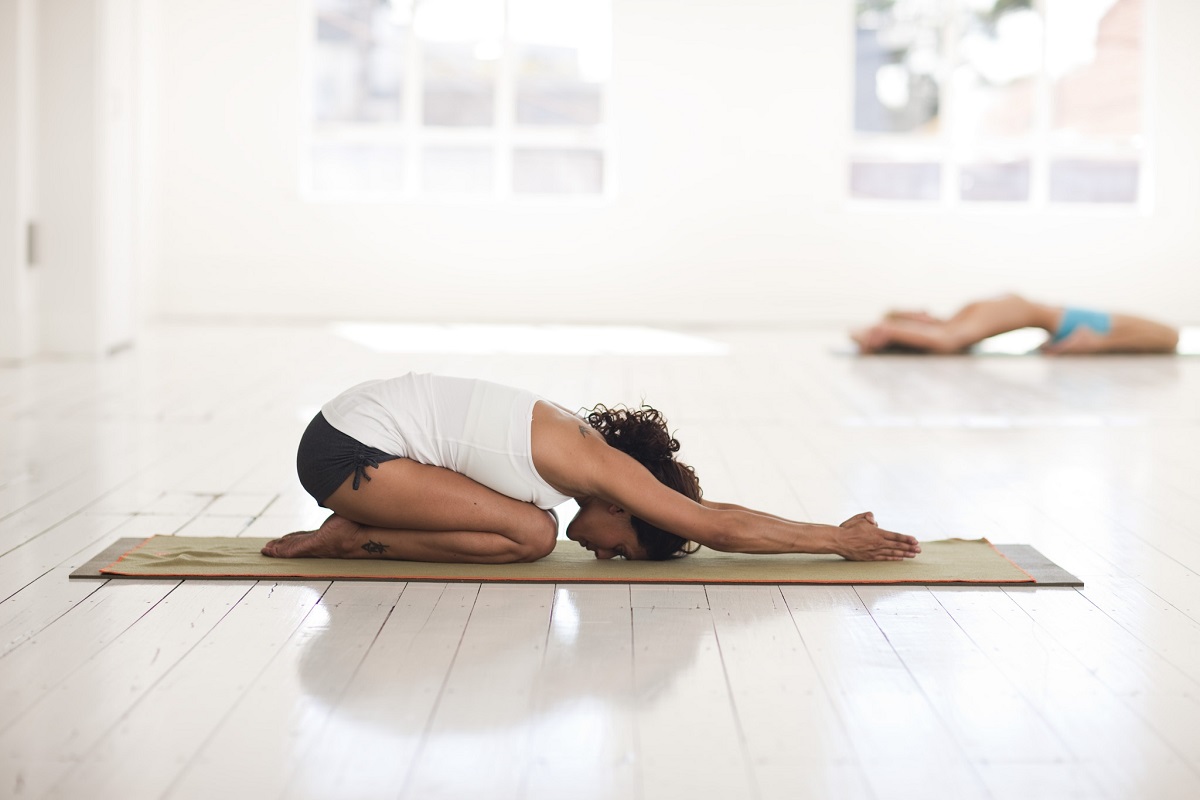
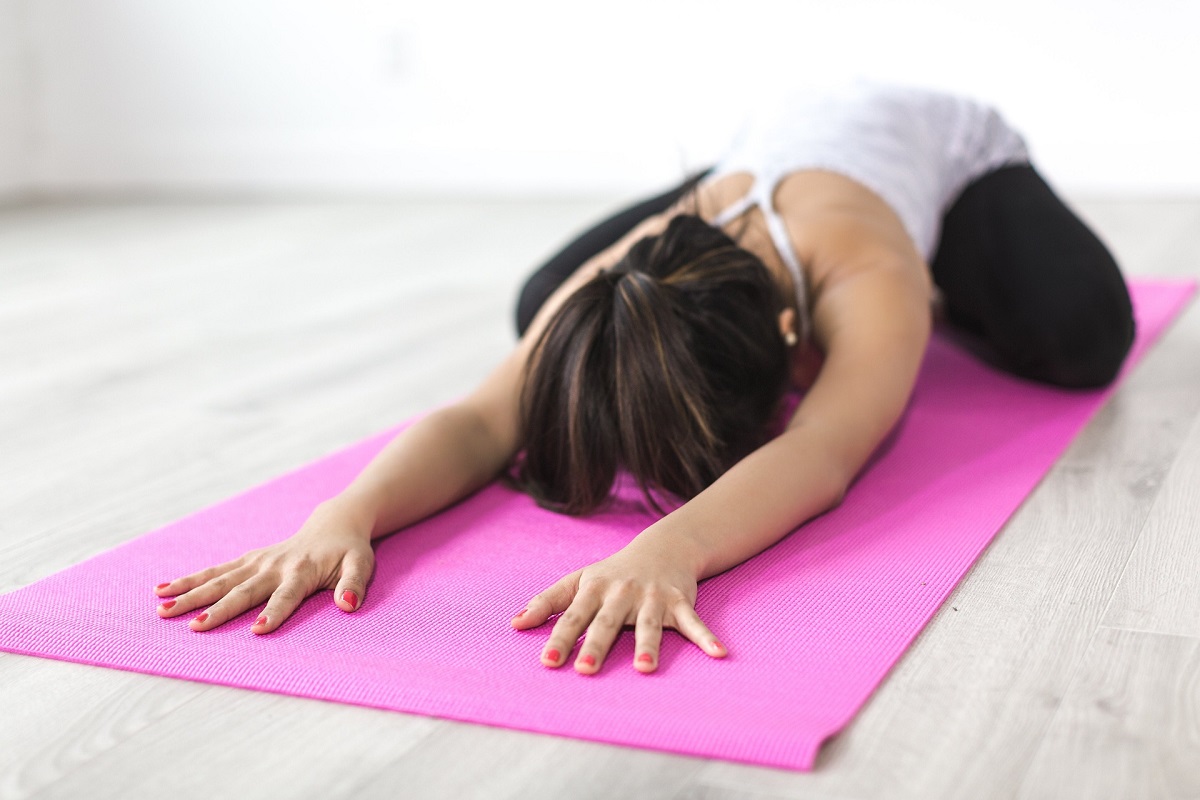
Sit back onto your heels, fold forward with arms stretched ahead or resting by your sides, forehead toward the mat. Breathe deeply here — this is the reset point of the sequence, and you can return to it any time something feels too much.

Step 4: Duration — Gentle Forward Fold and Standing Stretch (3–4 minutes)

Come to standing slowly (avoid jumping straight up from the floor). Fold forward from the hips with soft knees, letting your head hang heavy for a few breaths, then roll up slowly one vertebra at a time. Finish with a gentle side stretch, reaching one arm overhead and leaning slightly to each side.

Step 5: Completion — Stillness (1–2 minutes)

Sit or lie down for a final minute of quiet breathing before standing up to start your day. This short pause is what separates yoga from a generic stretch routine — give it the time rather than rushing straight to the kettle.

Beginner modification: If your knees are sensitive, fold a blanket under them during Cat-Cow and Child’s Pose. Common difficulty: Tight hamstrings making the forward fold feel restrictive is completely normal first thing — keep a soft bend in the knees rather than forcing straight legs. What to expect: Your body will feel noticeably stiffer for the first minute or two than it will later in the day. What to avoid: Skip any deep backbend or intense stretch in the first five minutes; ease in gradually instead. When to stop: Sharp pain (different from a mild stretch sensation) means stop the pose immediately and consider checking with a physiotherapist rather than pushing through.

How Long Should Your Morning Yoga Session Be?

There’s no fixed “correct” length — the right duration depends on your available time and energy that day:

  • 5 minutes: On rushed mornings — Cat-Cow and Child’s Pose only, skip standing poses.
  • 10 minutes: The realistic sweet spot for most beginners — the full 5-step routine above.
  • 20 minutes: On slower mornings — add 2–3 standing poses like a gentle Warrior or Mountain Pose, holding each for 4–5 breaths.
  • 30 minutes: Weekend or no-rush mornings — a fuller sequence with more standing and balance poses, plus extra time in Child’s Pose at the start and end.

Common Morning Yoga Mistakes (and How to Fix Them)

Mistake 1: Copying an advanced flow from a video. Why it happens: social media makes intense morning flows look aspirational. Why it matters: forcing deep stretches into stiff, half-awake muscles increases strain risk. Better approach: start with the gentle 5-step sequence above and build up gradually over weeks, not days.

Mistake 2: Checking your phone first. Why it happens: it’s the default habit for most people the moment they wake. Why it matters: it pulls your attention into emails and notifications before you’ve had a calm moment, undoing much of the point of practising in the morning. Better approach: leave your phone in another room, or at least face-down and untouched until after your session.

Mistake 3: Skipping entirely on stiff or tired mornings. Why it happens: it feels like “not a good enough” session isn’t worth doing. Why it matters: all-or-nothing thinking is the fastest way to abandon the habit within two weeks. Better approach: do the 5-minute version instead of skipping — showing up briefly matters more than a perfect session.

Mistake 4: Forcing a straight-leg forward fold. Why it happens: it looks more “correct” in photos. Why it matters: forcing it while hamstrings are tight first thing can strain the lower back. Better approach: keep a soft bend in the knees, especially in the first few minutes.

Mistake 5: Practising on a completely empty stomach after intense exercise the day before. Why it happens: assuming yoga needs the same fasted approach as cardio. Why it matters: feeling light-headed mid-pose is common if you’re dehydrated or under-fuelled. Better approach: a glass of water beforehand is enough; save a full meal for after.

Two Weeks of Morning Yoga: A Real-World Scenario

Illustrative Scenario

This is a composite example built from common beginner experiences, not a verified individual case. Tom, a 41-year-old desk worker, started with just Cat-Cow and Child’s Pose for 5 minutes because mornings felt too rushed for more. In week one, his lower back felt noticeably stiff for the first two minutes of every session — nothing painful, just tight. By day 9, he added the standing forward fold and noticed he was reaching for his phone less first thing, mostly because the mat was already occupying that time slot. By day 14, he hadn’t become dramatically “flexible,” but he reported feeling less hunched by mid-afternoon on days he practised, which he put down directly to the morning routine loosening him up before a full day at a desk.

A stiff, slightly awkward first week followed by small, noticeable shifts by week two is a common pattern reported by beginners, though individual experiences and timelines vary and this isn’t a guaranteed outcome.

Which Morning Yoga Style Fits Your Goal?

Your Goal Try This Approach
Loosening overnight stiffness Gentle sequence: Cat-Cow, Child’s Pose, forward fold
Feeling energised for the day ahead Add standing poses like Mountain Pose and a gentle Warrior
A calmer, less rushed mindset Extend the final stillness step to 3–5 minutes of quiet breathing
Very limited time (under 5 minutes) Cat-Cow and Child’s Pose only
Sore back from desk work the day before Prioritise Child’s Pose and gentle spinal twists, skip standing poses

No single style is universally “best” for mornings — the right one matches your body and your time that day.

Comparison: Energising vs. Gentle Morning Sequences

Sequence Type Pace Best For
Gentle / restorative Slow, held poses Stiff mornings, beginners, sore backs
Energising flow Faster, breath-linked movement People wanting an alertness boost, more experienced beginners
Standing-focused Moderate Building strength and balance over time

Morning Yoga Checklist

Checklist 1: Before You Sleep (Set Up Tomorrow)

  • Roll your mat out next to the bed
  • Lay out comfortable clothes to move in
  • Leave your phone charging in another room, or away from the mat
  • Decide your realistic duration in advance (5, 10, or 20 minutes)

Checklist 2: During Your Session

  • Move slower than you would later in the day
  • Keep a soft bend in the knees during forward folds
  • Return to Child’s Pose any time something feels like too much
  • End with at least one minute of quiet stillness before standing up
Morning Yoga for Beginners

Frequently Asked Questions

How long should a beginner do morning yoga for?

5–10 minutes is a realistic, sustainable starting point. It’s enough to loosen overnight stiffness without feeling like a big time commitment, which makes it easier to keep up daily.

Should I do yoga on an empty stomach in the morning?

A glass of water beforehand is fine, but avoid a heavy meal right before practising, as forward folds and twists can feel uncomfortable on a full stomach.

Do I need a yoga mat to start?

No — a rug, carpet, or folded towel works for your first sessions. A proper mat becomes more useful once you’re doing standing or balance poses regularly.

Is it normal to feel stiff during morning yoga?

Yes, completely normal. Muscles and joints are naturally less mobile first thing after waking, which is why morning sequences favour slow, gentle movement over deep stretching.

What’s the best time in the morning to practise?

As soon as possible after waking, ideally before checking your phone or starting other tasks, so the calming effect isn’t undone before your day even begins.

Can morning yoga help with back pain from sitting all day?

Many people report feeling less stiff and hunched later in the day after a consistent morning practice, though this varies by individual and isn’t a substitute for professional advice if you have ongoing or severe back pain.

What should I avoid in a morning yoga routine?

Avoid jumping straight into deep backbends or advanced poses in the first few minutes, forcing straight-leg forward folds, and skipping entirely just because a session won’t be “perfect.”

How soon will I notice benefits from morning yoga?

Many beginners notice easier movement and a calmer mood within one to two weeks of practising most mornings, though this is a commonly reported pattern rather than a guaranteed timeline.

Sources & References

  • General beginner yoga safety and pose modification principles reflect commonly recommended, widely taught beginner practices rather than any single proprietary source; readers with existing injuries should consult a physiotherapist or qualified yoga instructor before starting a new routine.

About the Author

Written and reviewed by the Spiritual Meditation Yoga Editorial Team. We publish educational content covering meditation, yoga, mindfulness, spirituality, and holistic wellbeing. Our editorial approach prioritises clear explanations, responsible wellness guidance, appropriate source-checking, and a transparent distinction between traditional teachings and evidence-based information.

Last reviewed: September 2026

Conclusion

Morning yoga doesn’t need to look like a sunrise photoshoot to work — it needs to be short enough that you’ll actually do it on the mornings you don’t feel like it. Ten honest minutes of Cat-Cow, Child’s Pose, and a gentle fold, done before your phone gets a look-in, is a realistic habit that beats an ambitious hour-long routine you abandon by Thursday. Start small, protect the habit over the intensity, and give it two full weeks before deciding how it’s working for you.

How to Meditate for Beginners at Home: Step-by-Step Guide

How to Meditate for Beginners at Home: Step-by-Step Guide

How to Meditate for Beginners at Home: A Complete Step-by-Step Guide

You sit down, close your eyes, and within ten seconds your mind is already drafting a shopping list. If that’s what happens the first time you try to meditate, you haven’t failed — you’ve just discovered the one thing most guides forget to mention: meditation was never about having an empty mind. It’s about noticing when your attention wanders and gently bringing it back, over and over. This guide shows you exactly how to meditate for beginners at home, with no studio, app subscription, or years of practice required. You’ll get a simple five-step routine you can try today, the posture and breathing basics that genuinely matter, the mistakes that trip up almost every new meditator, and a realistic picture of what the first two weeks actually feel like. Whether you have five spare minutes before work or twenty minutes before bed, everything here is built for real life, not a retreat centre.

Quick Answer

To meditate at home as a beginner: sit comfortably in a quiet spot, close your eyes, and rest your attention on your natural breathing for 5–10 minutes. When your mind wanders, gently guide it back to the breath without judging yourself. Practise at the same time each day for one to two weeks before trying other techniques — consistency matters far more than duration.

Key Takeaways

  • You don’t need special equipment — a chair, cushion, or even the edge of your bed works.
  • Start with 5–10 minutes a day; consistency beats duration, especially in the first month.
  • A wandering mind isn’t failure. Noticing it and returning to the breath is the practice.
  • Meditating at the same time and place each day builds the habit fastest.
  • Most beginners notice a calmer baseline within one to two weeks of daily short sessions.
  • Mindfulness, guided, and mantra meditation are the three easiest starting points for beginners.

Why Trust This Guide

This guide was written and reviewed by the Spiritual Meditation Yoga Editorial Team, and cross-checked against the NHS’s Every Mind Matters guidance on meditation for beginners. We separate practical, low-risk instruction (posture, breathing, timing) from anything that touches mental health, and we don’t promise cures, guaranteed outcomes, or overnight transformation. Where evidence is limited, we say so. Our goal is a guide you could hand to a nervous first-timer and trust completely — not a rewrite of the first page of Google.

What Is Meditation, Really?

Meditation is a mental training practice where you intentionally focus your attention — usually on your breath, a sound, or a sensation — and gently return to that focus each time your mind drifts. It isn’t about switching your thoughts off or achieving instant calm; it’s a repeatable skill, closer to a rep at the gym than a state you either “get” or “don’t.”

The practice has roots stretching back thousands of years across Buddhist, Hindu, and other contemplative traditions, but the version taught in most beginner guides today — including this one — is a simplified, secular technique focused on attention and breath. If you’re drawn to the more spiritual or philosophical dimensions of meditation, that’s a separate path worth exploring once the basic habit feels comfortable, and traditional and modern interpretations of that side of practice deserve their own space rather than being folded into a beginner’s first sit.

Research into mindfulness-based meditation suggests it can help lower stress levels and support emotional regulation over time, though results vary between individuals and it isn’t a replacement for professional mental health support if you’re struggling. Think of this guide as the “how,” not a promise of a specific outcome.

how to meditate for beginners at home

What You Need Before You Start

One of the biggest myths around meditation is that it requires a dedicated space, a cushion set, or an app subscription. It doesn’t. Here’s the honest, minimal list:

  • A quiet-ish spot — a bedroom corner, sofa, or even your car before you go inside works. Total silence isn’t necessary.
  • Something to sit on — a chair, the floor, or your bed edge. A folded blanket or cushion is optional, not essential.
  • 5–10 minutes — set a gentle timer so you’re not checking the clock.
  • Comfortable, non-restrictive clothing — nothing that pinches when you sit still.

Editor’s Insight: The single biggest barrier isn’t equipment — it’s waiting for the “perfect” quiet moment that never comes. Beginners who succeed tend to meditate in imperfect conditions consistently, rather than waiting for ideal ones occasionally.

How to Meditate for Beginners at Home: 5 Simple Steps

This is a straightforward breath-focused meditation — the easiest entry point for almost every beginner.

Step 1: Preparation

Choose your spot and sit down. Silence your phone or turn it face down. Set a timer for 5 minutes if this is your first session (you can build up gradually).

Step 2: Position

Sit upright but not stiff — on a chair with feet flat on the floor, or cross-legged on a cushion. Rest your hands on your knees or lap. Let your shoulders drop away from your ears. Close your eyes, or soften your gaze downward if closing them feels uncomfortable.

Step 3: Technique

Bring your attention to your breath — the air moving in through your nose, the rise and fall of your chest or belly. You don’t need to change how you breathe; just notice it. When you catch your mind wandering (it will, repeatedly), simply and without frustration guide your attention back to the breath. That return is the entire practice.

Step 4: Duration

Stay with it until your timer sounds. For your first week, 5–10 minutes is plenty. There’s no benefit to forcing 30 minutes on day one — a short session you actually complete builds the habit better than a long one you dread.

Step 5: Completion

When the timer goes, don’t spring up. Take a slower breath or two, gently open your eyes, and notice how your body feels before moving on with your day.

Beginner modification: If sitting still feels uncomfortable, try lying down for your first few sessions (just be aware you may fall asleep — that’s fine, but it isn’t quite the same practice). Common difficulty: Restlessness in the first two minutes is completely normal; it usually settles by minute three or four. What to expect: Your mind will wander constantly at first — that’s not a sign you’re doing it wrong. What to avoid: Don’t judge or grade each session as “good” or “bad.” When to stop: If a session brings up intense distress rather than mild restlessness, gently stop and consider speaking with a GP or mental health professional rather than pushing through alone.

Best Time of Day to Meditate as a Beginner

There’s no universally “correct” time — the right time is the one you’ll actually keep. That said, two windows tend to work best for beginners:

  • Morning, before checking your phone: Your mind is naturally quieter and less reactive, and it sets a calmer tone for the day.
  • Evening, before bed: Useful for unwinding, though if you tend to fall asleep instantly, sitting up rather than lying down helps you stay present.

Whichever you pick, anchor it to an existing habit — “after I brush my teeth” or “after I make coffee” — so it doesn’t rely on willpower alone.

Common Beginner Meditation Mistakes (and How to Fix Them)

Mistake 1: Trying to “clear the mind” completely. Why it happens: pop-culture depictions of meditation show total mental silence. Why it matters: chasing an empty mind creates frustration and makes people quit early. Better approach: aim to notice thoughts and return to the breath, not to prevent thoughts from arising at all.

Mistake 2: Starting with 30+ minute sessions. Why it happens: eagerness to see fast results. Why it matters: long unfamiliar sessions feel uncomfortable and get abandoned within days. Better approach: start at 5–10 minutes and increase only once that feels easy.

Mistake 3: Meditating only when stressed. Why it happens: it feels like a “fix it now” tool. Why it matters: using it purely reactively means you never build the underlying skill. Better approach: practise daily regardless of mood, so the tool is sharp when you actually need it.

Mistake 4: Judging each session’s “success.” Why it happens: our culture rewards measurable progress. Why it matters: some sessions will feel restless and unfocused — that’s normal, not failure. Better approach: measure success by consistency (did I sit today?), not by how calm you felt.

Mistake 5: Giving up after a few days. Why it happens: benefits like reduced reactivity build gradually, not instantly. Why it matters: most people quit right before the habit would have started to feel easier. Better approach: commit to a fixed 14-day trial before deciding whether it’s “working.”

A Beginner’s First Two Weeks: A Real-World Scenario

Illustrative Scenario

This is a composite example built from common beginner experiences, not a verified individual case. Priya, a 34-year-old teacher, started with 5 minutes each morning before work. Days 1–3 felt fidgety and pointless — her mind kept jumping to her lesson plan. By day 6, she noticed she was catching the wandering faster, sometimes within a breath or two instead of a full minute. By day 12, she hadn’t become “calm” in some dramatic sense, but she noticed she paused slightly before reacting to a stressful classroom moment — something she attributed directly to the daily practice. She still meditates most mornings, now at 10 minutes, and treats missed days as normal rather than a failure.

This pattern — a rocky first week, a noticeable shift by week two — is typical of what beginners commonly report, though individual timelines vary and this shouldn’t be read as a guaranteed outcome.

Which Technique Should You Try First?

Your Goal Try This Technique
Starting as easily as possible Guided meditation (a recorded voice leads you)
Building general self-awareness Mindfulness / breath-focused meditation (this guide)
A racing, hard-to-settle mind Mantra meditation (repeating a word or phrase)
Winding down for sleep Body scan meditation
Struggling to sit still Walking meditation

No single technique is universally “best” — the right one is whichever you’ll actually repeat.

Comparison: Popular Beginner Meditation Techniques

Technique Difficulty Best For
Mindfulness / breath focus Easy General beginners, daily habit-building
Guided meditation Easiest Complete first-timers, low self-motivation days
Mantra meditation Easy–Medium Busy, racing minds
Body scan Medium Evening relaxation, sleep prep
Walking meditation Medium People who find sitting still stressful

Beginner Meditation Checklist

Checklist 1: Your First Session

  • Choose a realistic duration (5–10 minutes)
  • Find a comfortable, quiet-ish position
  • Silence your phone or put it out of reach
  • Set a gentle timer
  • Set a simple intention: “just notice my breath”
  • Practise without forcing concentration

Checklist 2: Building the Habit (First 14 Days)

  • Anchor your session to an existing daily habit
  • Practise at the same time each day where possible
  • Track only whether you sat down, not how “well” it went
  • Expect a rocky first week — don’t judge yet
  • Reassess after 14 days, not after 2

Frequently Asked Questions

How long should a beginner meditate for?

Start with 5–10 minutes a day. This is long enough to build the habit without feeling like a chore, and short sessions done daily tend to stick better than long sessions done occasionally.

Is it normal for my mind to wander the whole time?

Yes, completely normal — for everyone, not just beginners. The practice isn’t preventing wandering; it’s noticing it and gently returning your attention to the breath each time.

What’s the best time of day to meditate?

Whichever time you’ll actually keep. Mornings before phone-checking and evenings before bed both work well — anchoring the session to an existing habit makes it easier to stick with.

Do I need to sit cross-legged on the floor?

No. A chair with your feet flat on the floor works just as well. What matters is being upright and comfortable, not the specific position.

Can beginners meditate lying down?

Yes, though you may fall asleep, which is fine for relaxation but isn’t quite the same as an attentive sitting practice. Sitting upright is usually better while you’re building the habit.

What should I avoid as a beginner?

Avoid judging each session as “good” or “bad,” starting with overly long sessions, and meditating only when you’re already stressed. Consistency matters more than any single session’s quality.

Why can’t I feel calmer after just one session?

A single session rarely produces a dramatic shift. Most beginners report a noticeable change in their baseline reactivity after one to two weeks of daily short practice, not after one sit.

Does meditation really reduce stress?

Research on mindfulness-based meditation suggests it can help lower stress levels for many people, though results vary and it isn’t a substitute for professional support if you’re dealing with a mental health condition.

Sources & References


About the Author

Written and reviewed by the Spiritual Meditation Yoga Editorial Team. We publish educational content covering meditation, yoga, mindfulness, spirituality, and holistic wellbeing. Our editorial approach prioritises clear explanations, responsible wellness guidance, appropriate source-checking, and a transparent distinction between traditional teachings and evidence-based information.

Last reviewed: September 2026  |  Sources: NHS Every Mind Matters

Conclusion

Learning how to meditate for beginners at home doesn’t require anything more than five quiet minutes, a comfortable seat, and a willingness to keep gently returning your attention to your breath — again and again, without judging yourself for wandering in the first place. Start small, protect your consistency over your duration, and give yourself the full two weeks before deciding whether it’s “working.” That’s genuinely the whole secret.