Peppermint Tea for Nausea: Benefits & How It May Help

Peppermint Tea for Nausea: Benefits & How It May Help

Peppermint Tea for Nausea: Does It Really Work?

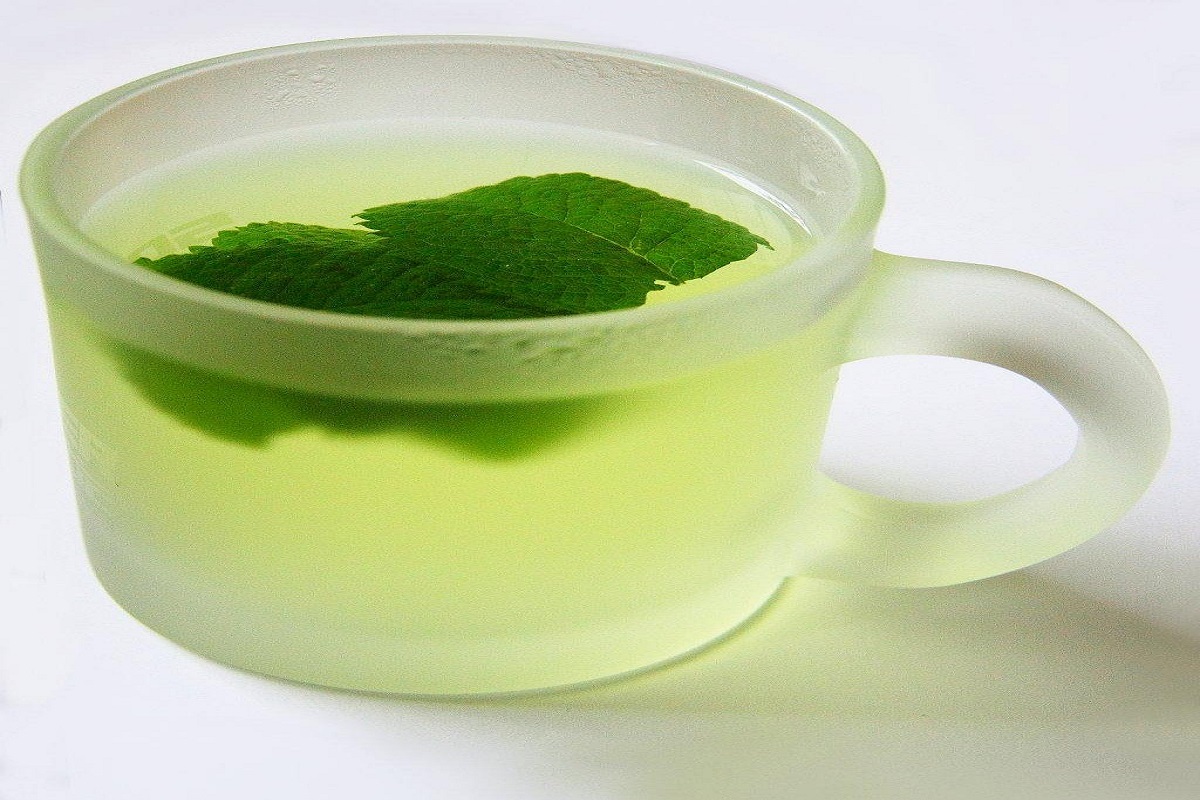
When your stomach is churning and the thought of food makes it worse, a warm, minty cup can feel like the gentlest possible rescue. Peppermint tea for nausea is one of the oldest and most reached-for home remedies in the world — but does it actually work, or is it just a comforting ritual? The honest answer is a little of both, and knowing the difference will help you use it well.

In this guide we cut through the hype. You’ll learn what the science genuinely supports (and where it’s thinner than most blogs admit), exactly how to brew peppermint tea for the best effect, which types of nausea it helps most, and — importantly — who should be cautious or avoid it altogether, including anyone with reflux or in pregnancy. Let’s settle your stomach, and the confusion, at the same time.

Brew time: 5–10 minutes  · 
🎚 Difficulty: Very easy  · 
🍵 You’ll need: peppermint tea or fresh leaves  · 
Caffeine: naturally caffeine-free

Quick Answer

Peppermint tea may help ease mild nausea, especially when it’s linked to indigestion, bloating or an upset stomach. The menthol in peppermint relaxes the stomach muscles and can calm queasiness. Most strong evidence is for peppermint oil rather than the tea, but the tea is a gentle, low-risk option to try — sip it slowly and warm. Avoid it if you have acid reflux.

✅ Why you can trust this guide

Unlike many articles that overstate the benefits, this guide is transparent about the evidence — including the fact that most research is on peppermint oil, not tea. It draws on medically reviewed sources and clinical research summaries, separates what’s proven from what’s traditional, and flags who should avoid peppermint. Written and reviewed by the Spiritual Meditation Yoga Editorial Team. Educational only — not a substitute for personal medical advice.

Key Takeaways

  • Peppermint tea can soothe mild nausea, especially digestion-related queasiness.
  • Menthol relaxes stomach muscles and may ease the spasms behind nausea.
  • Most robust evidence is for peppermint oil/aromatherapy, not the tea specifically.
  • It’s naturally caffeine-free and low-risk for most adults.
  • Avoid if you have acid reflux/GERD — peppermint can make it worse.
  • In pregnancy, ginger has better evidence and safety data — check with a professional first.


Does Peppermint Tea Help Nausea?

For many people, yes — peppermint tea can take the edge off mild nausea, particularly the kind that comes with indigestion, bloating or a feeling of fullness after eating. It has been used for this purpose for centuries, and its calming effect on the digestive tract is well recognised. What it is not is a guaranteed fix for every cause of nausea, and it’s fair to say the popular internet claims often run ahead of the actual research. Used sensibly, though, it’s a gentle, pleasant and low-risk thing to try when your stomach feels off.

How It Works: The Science of Menthol

Peppermint’s active ingredient is menthol, and this is where its stomach-settling reputation comes from. Menthol has natural antispasmodic properties, meaning it helps relax the smooth muscles of the digestive tract. When those muscles relax, the cramping and spasms that often accompany nausea can ease, and trapped gas moves more comfortably. Peppermint may also have mild anti-inflammatory effects that soothe an irritated stomach lining, and some researchers believe it can gently interfere with the nausea signals travelling to the brain. Together, these effects explain why a warm cup can feel so calming when you’re queasy.

What the Evidence Really Says (the Honest Bit)

Here’s the nuance most articles skip. The strongest scientific evidence for peppermint and nausea comes from studies on peppermint oil and aromatherapy — not peppermint tea. For example, research has found that inhaling peppermint oil can reduce nausea, including after surgery. Studies looking specifically at the tea are far more limited.

That doesn’t mean the tea is useless. Because peppermint tea contains the same active compounds in gentler form, it’s reasonable to expect similar, milder benefits — and mild digestive comfort is exactly what medically reviewed sources consider its most credible use. The honest summary: peppermint tea is a low-risk remedy with plausible, modest benefit for mild nausea, rather than a clinically proven cure. That transparency is precisely why you can trust it as a first, gentle step — and know when to reach for something stronger.

Evidence limitation: Direct trials on peppermint tea for nausea are scarce, and results across peppermint studies are mixed. It’s a sensible thing to try for mild symptoms, but persistent or severe nausea always needs proper medical assessment.

How to Brew Peppermint Tea for Nausea

Getting the most from your cup is simple — but a few small choices make a real difference.

Method 1 · The Simple Cup

Tea bag (quickest)

  1. Choose a good-quality tea made with real peppermint leaves, not artificial flavour.
  2. Pour freshly boiled water over one bag and cover the cup.
  3. Steep for 5–10 minutes — longer steeping means more menthol.
  4. Remove the bag and sip slowly while warm. Don’t gulp.

Method 2 · Fresh & Stronger

Fresh peppermint leaves

  1. Lightly crush 10–15 fresh peppermint leaves to release the oils.
  2. Steep in a cup (about 240 ml) of hot water for 10–15 minutes.
  3. Strain and sip slowly.
  4. Avoid adding milk or heavy ingredients, which can aggravate nausea.

Method 3 · Add the Aroma

Use the smell too

  • Since inhaling peppermint aroma has the strongest evidence, breathe in the steam as you sip.
  • Cup the mug in your hands and take slow, deep breaths of the minty vapour.
  • This pairs the tea’s internal effect with peppermint’s proven aromatherapy benefit — a small tweak most people never think to try.

Which Types of Nausea It Helps (and Doesn’t)

Type of nausea Likely to help?
Indigestion, bloating, fullness after eating ✅ Best case — this is peppermint’s strength
Mild stomach upset, motion sickness ✅ Often helpful
Nausea from acid reflux / GERD ❌ May worsen it — avoid
Severe nausea from serious illness ❌ Needs medical treatment, not tea


Peppermint Tea for Nausea

Real Case Study: Peppermint for Post-Surgery Nausea

The study: Nausea and vomiting are common and distressing after surgery. In a frequently cited clinical study, researchers looked at whether inhaling peppermint oil could reduce these symptoms in post-operative patients, compared with a control.

What was found: Patients who simply inhaled the aroma of peppermint reported a significant reduction in nausea. The effect came from the scent and its active compounds — a strikingly simple, drug-free intervention.

Why it matters for your cup: This is the clearest evidence peppermint can influence nausea — and it’s for the aroma. It’s exactly why we suggest breathing in the steam as you drink your tea: you get peppermint working through both routes at once. It also honestly frames expectations — a warm cup at home is a gentle version of what worked in the study, not a clinical dose.

Who Should Avoid Peppermint Tea

If you… Take care
Have acid reflux or GERD Peppermint relaxes the valve at the top of the stomach, which can let acid rise and worsen reflux. Best avoided.
Are pregnant Ginger has stronger safety and efficacy evidence for morning sickness. Check with your midwife or doctor before using peppermint regularly.
Take regular medication or have a liver condition Very large amounts of peppermint can be a concern; herbal remedies can interact with conditions and medicines. Ask a pharmacist.
Have persistent or severe nausea Don’t self-treat — nausea that won’t settle, or comes with other symptoms, needs medical evaluation.

This article is for educational purposes only and is not a substitute for professional medical advice.

Peppermint vs Ginger: Which Should You Choose?

  Peppermint tea Ginger tea
Best for Indigestion-related nausea, bloating Morning sickness, motion & chemo nausea
Evidence strength Moderate (mostly for the oil) Stronger, including in pregnancy
Pregnancy Use cautiously; ask first Generally preferred choice
Watch out Can worsen reflux Strong flavour; very high doses not advised

If reflux is part of your nausea, choose ginger. If bloating and fullness are the issue, peppermint is a great first try.

Editor’s Insights

  • Breathe the steam as you sip — the aroma has the best evidence of all.
  • Sip slowly; drinking too fast can unsettle an already-queasy stomach.
  • Skip the milk — it can make nausea worse, not better.
  • If peppermint gives you heartburn, that’s your cue to switch to ginger.

Frequently Asked Questions

Does peppermint tea actually help with nausea?

It can help with mild nausea, especially when it’s linked to indigestion or bloating. The menthol in peppermint relaxes stomach muscles and eases spasms. Most strong evidence is for peppermint oil rather than tea, but the tea is a gentle, low-risk option worth trying for mild symptoms.

How long does peppermint tea take to work for nausea?

Many people feel some relief within 15 to 30 minutes of sipping a warm cup slowly. Breathing in the minty steam as you drink may help sooner. If your nausea doesn’t ease at all, or keeps returning, it’s worth seeking medical advice rather than repeatedly self-treating.

Can I drink peppermint tea for nausea during pregnancy?

Some pregnant people find it helpful, but ginger has stronger evidence and safety data for morning sickness. Because peppermint can, in large amounts, have effects that aren’t fully studied in pregnancy, check with your midwife or doctor before using it regularly.

Why does peppermint tea make my heartburn worse?

Peppermint relaxes the ring of muscle between the stomach and the oesophagus. That can allow stomach acid to rise, worsening reflux and heartburn. If you have GERD or reflux-related nausea, peppermint is best avoided — ginger or plain warm water is a safer choice.

How much peppermint tea can I drink a day?

For most adults, a cup or two a day is generally considered fine as part of normal hydration, and it’s naturally caffeine-free. Very large amounts aren’t recommended, and if you have a health condition or take medication, ask a pharmacist about what’s sensible for you.

Is peppermint tea or peppermint oil better for nausea?

Peppermint oil, particularly inhaled as aromatherapy, has the strongest research support. The tea contains the same active compounds in a gentler form, so it’s a milder option. A nice trick is to drink the tea while breathing in its steam, combining both effects.

What can I drink instead of peppermint tea for nausea?

Ginger tea is the best-evidenced alternative, especially for morning sickness and motion sickness. Chamomile tea is gently soothing, and plain warm water or a little honey-and-lemon can also settle a mild upset stomach. Choose ginger if reflux is involved.

Related Reading

Final Thoughts

Peppermint tea for nausea is a lovely example of a remedy that is gentle, comforting and reasonable to try — as long as you keep your expectations honest. For mild, digestion-related queasiness it may genuinely help, and breathing in its aroma adds a research-backed bonus. Just remember its two limits: skip it if you have reflux, and don’t rely on it for severe or persistent nausea, which deserves proper medical attention. Brew a cup, breathe deep, and sip slowly.

About the Author

Written and reviewed by the Spiritual Meditation Yoga Editorial Team. We publish clear, responsible content on natural wellbeing, herbal remedies, yoga and mindfulness — always separating what the evidence supports from traditional or anecdotal claims, and pointing readers to professional care when it matters.

This content is for educational purposes only and is not a substitute for professional medical advice. Consult a pharmacist or doctor if nausea is severe, persistent, or you are pregnant.
Last reviewed: September 2026

References

How to Reduce Stress Naturally: A Complete Practical Guide

How to Reduce Stress Naturally: A Complete Practical Guide

How to Reduce Stress Naturally: A Complete, Practical Guide

Your jaw is tight, your inbox has forty unread emails, and someone just told you to “just relax” as if that were a switch you could flip. If you’ve searched for how to reduce stress naturally, you’ve probably already tried the obvious advice — breathe deeply, go for a walk, get more sleep — and wondered why it still feels like stress is winning. Here’s what most guides skip: natural stress relief isn’t one trick, it’s matching the right tool to the specific kind of stress you’re carrying right now, whether that’s a racing mind at 2am, a tense body after a long shift, or a slow-building overwhelm that’s been building for weeks. This guide walks through genuinely practical techniques — the fast ones you can do at your desk, the slower foundational habits that do most of the heavy lifting, and a clear way to tell when self-help isn’t quite enough and it’s time to bring in extra support. No supplements to buy, no unrealistic morning routine required — just what actually works.

Quick Answer

To reduce stress naturally, combine a fast in-the-moment technique (slow breathing, a short walk, or stepping outside) with slower daily foundations that build resilience over time — consistent sleep, regular movement, and time spent with people or in nature. Quick techniques ease the immediate spike; the daily habits lower your overall baseline stress over one to a few weeks.

Key Takeaways

  • Slow breathing can calm your body within a few minutes — it’s the fastest natural tool available.
  • Sleep, movement, and diet are the “boring” foundations that do most of the long-term work.
  • Different stress needs different tools — a racing mind and physical tension aren’t solved the same way.
  • Most people notice a shift in their baseline stress within two to three weeks of consistent small changes.
  • Natural techniques support wellbeing but aren’t a substitute for professional help if stress feels unmanageable.
  • Small, repeatable habits beat one dramatic “self-care day” for lowering stress long-term.

Why Trust This Guide

This guide was written and reviewed by the Spiritual Meditation Yoga Editorial Team. We’ve deliberately left out anything requiring supplements, specific dosages, or unverified “miracle” remedies you’ll find on many wellness sites — our focus is on well-established, low-risk lifestyle techniques, with honest limits about what natural methods can and can’t do. Where stress crosses into something more serious, we say so directly rather than offering another breathing exercise as a substitute.

What Does It Actually Mean to Reduce Stress “Naturally”?

“Reducing stress naturally” means using lifestyle-based techniques — breathing, movement, sleep, social connection, and daily routine changes — rather than medication, to lower both the intensity of your stress response and how often it gets triggered. It isn’t about eliminating stress completely, which isn’t realistic or even always desirable, since some stress helps you stay alert and motivated.

The techniques generally fall into two categories: fast-acting tools that calm your body in the moment (like slow breathing), and slower foundational habits that lower your baseline stress level over days and weeks (like consistent sleep and regular movement). Most people need both — quick relief for today, and steady habits so tomorrow’s stress hits a little less hard.

It’s worth being clear-eyed here too: research on stress-management techniques generally suggests they can meaningfully reduce perceived stress and support wellbeing, but results vary between individuals, and natural techniques work best as a complement to professional support when stress is severe, prolonged, or affecting your daily functioning — not as a replacement for it.

Breath and Body: Techniques You Can Do in Under 5 Minutes

When stress hits right now — before a meeting, mid-argument, lying awake at 2am — these are the fastest, most accessible tools:

Slow, extended-exhale breathing

Breathe in through your nose for a count of 4, then exhale slowly through your mouth for a count of 6–8. A longer exhale than inhale is what signals your nervous system to shift out of “alert” mode. Repeat for 5–10 breaths.

Physical release: shake it out or stretch

Stress often shows up as physical tension — clenched jaw, tight shoulders, a held breath. A minute of shoulder rolls, a gentle neck stretch, or even shaking out your hands and arms can interrupt that physical loop faster than trying to “think” your way calm.

Cold water on your face or wrists

Splashing cool water on your face or running your wrists under cold water can produce a quick, noticeable calming effect for many people, likely tied to how the body responds to a mild change in temperature — a simple, accessible option when you need something fast and have no privacy for breathing exercises.

Grounding through your senses

Name 5 things you can see, 4 you can hear, 3 you can physically feel, 2 you can smell, and 1 you can taste. This pulls attention out of a spiralling thought and back into the present moment — useful specifically for racing, anxious thoughts rather than physical tension.

Editor’s Insight: Most people default to breathing exercises for every kind of stress, but a racing mind and a tense body respond better to different tools. If your thoughts are looping, grounding beats breathing; if your body feels wound up, movement beats sitting still.

Movement as Stress Relief: Walking, Yoga, and Everyday Activity

Movement is one of the most consistently reported natural stress relievers, and it doesn’t need to be intense to help.

  • Walking, especially outdoors: Even a 10–15 minute walk can ease physical tension and shift your mental state, particularly away from screens.
  • Gentle yoga or stretching: Slow, breath-linked movement combines the physical release of exercise with the calming effect of controlled breathing.
  • Any repetitive, rhythmic movement: Cycling, swimming, or even pacing while on a phone call can have a similar grounding effect.

You don’t need a formal workout — the goal is regular, low-pressure movement rather than a specific intensity or duration target.

The Foundations Most People Skip: Sleep, Diet, and Routine

The least exciting advice is usually the most effective, and most people skip straight past it to look for a faster fix.

  • Consistent sleep timing: Going to bed and waking at similar times, even on weekends, supports your body’s stress-regulation systems far more than an extra hour of sleep on Sunday.
  • Regular meals: Skipping meals or relying heavily on caffeine can amplify feelings of jitteriness and irritability that mimic or worsen stress.
  • A wind-down routine: A consistent 15–20 minutes before bed without screens gives your nervous system a clear signal that the day is ending.
  • Reducing caffeine late in the day: For many people, afternoon caffeine directly interferes with the sleep quality that would otherwise buffer next-day stress.

Editor’s Insight: If you only change one foundational habit, make it sleep timing. Poor sleep amplifies almost every other stressor, which is why it’s often the highest-leverage change even though it feels the least “active.”

Nature, Social Connection, and Simple Daily Rituals

Two of the most under-used natural stress relievers aren’t techniques so much as ingredients:

  • Time in nature: Even a short amount of time around greenery, natural light, or outdoor air is commonly reported to ease stress, whether that’s a garden, a park, or a short walk somewhere with more sky than screens.
  • Social connection: A brief conversation with someone you trust, even a short phone call, can meaningfully ease the felt intensity of stress — isolation tends to amplify it.
  • Small daily rituals: A consistent morning cup of tea made slowly, a few minutes of journaling, or tidying one small space can create a sense of control that counteracts the “everything is chaotic” feeling stress produces.

Common Mistakes When Trying to Reduce Stress Naturally

Mistake 1: Trying every technique at once. Why it happens: feeling desperate for relief makes people want to overhaul everything immediately. Why it matters: juggling five new habits at once is itself stressful and rarely sustainable. Better approach: pick one fast technique and one foundational habit, and build from there.

Mistake 2: Only using techniques reactively, in a crisis. Why it happens: it’s the moment stress feels most urgent. Why it matters: relying solely on quick fixes without addressing foundational habits means your baseline stress never actually drops. Better approach: pair in-the-moment tools with slower daily habits that lower your starting point.

Mistake 3: Expecting an immediate, dramatic change. Why it happens: quick techniques like breathing can genuinely produce fast in-the-moment relief, which sets an expectation that everything should work that fast. Why it matters: foundational changes like better sleep take one to a few weeks to show a noticeable difference, and giving up too early misses the payoff. Better approach: judge foundational habits over 2–3 weeks, not 2–3 days.

Mistake 4: Treating natural techniques as a replacement for needed support. Why it happens: self-help feels more private and accessible than seeking professional support. Why it matters: if stress is severe, persistent, or affecting daily functioning, natural techniques alone may not be enough, and delaying support can prolong suffering. Better approach: use natural techniques alongside, not instead of, professional help when it’s needed.

Mistake 5: Ignoring caffeine and sleep while focusing only on “relaxation” techniques. Why it happens: breathing and meditation feel more directly related to stress than diet or sleep timing. Why it matters: poor sleep and high caffeine intake can undercut the benefit of every other technique. Better approach: address the foundations first, then layer in-the-moment techniques on top.

Three Weeks of Small Changes: A Real-World Scenario

Illustrative Scenario

This is a composite example built from common experiences, not a verified individual case. Sarah, a 38-year-old project manager, felt constantly tense but couldn’t pinpoint one single cause. In week one, she added a 10-minute walk at lunch and used the extended-exhale breathing technique before stressful meetings — she noticed the in-the-moment relief immediately, but her overall tension level barely shifted. In week two, she fixed her bedtime to the same time each night and cut afternoon coffee; she reported sleeping more soundly, though she still felt on edge some days. By week three, with both the quick techniques and the sleep change running together, she noticed she was reacting less sharply to minor work frustrations — not because the frustrations had disappeared, but because her baseline stress had genuinely dropped.

A pattern of immediate but limited relief from quick techniques, followed by a more noticeable shift once foundational habits kick in around week two or three, is commonly reported — though individual timelines vary and this isn’t a guaranteed outcome.

How to Reduce Stress Naturally

Which Technique Fits Your Type of Stress?

What You’re Feeling Try This First
Racing, looping thoughts 5-4-3-2-1 grounding technique
Physical tension (jaw, shoulders, chest) Movement, stretching, or a short walk
Sudden panic or overwhelm before an event Extended-exhale breathing (4 in, 6–8 out)
Slow-building, ongoing overwhelm Sleep timing + regular movement, addressed over weeks
Feeling isolated or unsupported A short conversation with someone you trust

No single technique works for every kind of stress — matching the tool to what you’re actually feeling makes a real difference.

Comparison: Natural Techniques by Time and Effort

Technique Time Needed Speed of Effect
Extended-exhale breathing 1–5 minutes Immediate
Grounding technique 2–3 minutes Immediate
Short walk 10–15 minutes Fast (same day)
Consistent sleep timing Ongoing daily habit 1–2 weeks
Regular movement/yoga Few times a week 2–3 weeks

Your Natural Stress-Relief Checklist

Checklist 1: In the Moment

  • Notice whether the stress feels mental (racing thoughts) or physical (tension)
  • For racing thoughts: try the 5-4-3-2-1 grounding technique
  • For physical tension: move, stretch, or step outside briefly
  • Use extended-exhale breathing if you need something fast and discreet

Checklist 2: Building Your Foundations (Next 3 Weeks)

  • Pick one consistent sleep and wake time, even on weekends
  • Add one short walk or movement session most days
  • Cut caffeine after early afternoon
  • Build in one small daily ritual (tea, journaling, tidying)
  • Reassess after 3 weeks, not 3 days

When Natural Techniques Aren’t Enough

Important Safety Note

Natural techniques work well for everyday stress, but they aren’t designed to treat clinical anxiety, depression, or a mental health crisis. If stress feels constant, overwhelming, or is affecting your ability to function day-to-day, or if you’re experiencing symptoms like persistent low mood, panic attacks, or thoughts of self-harm, please speak with a GP or a qualified mental health professional. This guide is educational and isn’t a substitute for personalised medical or psychological care.

Frequently Asked Questions

What is the fastest natural way to reduce stress?

Extended-exhale breathing — inhaling for 4 counts and exhaling for 6–8 — tends to produce the fastest noticeable calming effect, often within a few minutes.

Can natural remedies really reduce anxiety and stress?

Natural techniques like breathing exercises, movement, and consistent sleep can meaningfully reduce everyday stress and support general wellbeing for many people, though results vary and they aren’t a replacement for professional treatment if anxiety is severe or persistent.

How long does it take for natural stress relief to work?

Fast techniques like breathing or grounding can help within minutes. Foundational habits like better sleep or regular movement typically take one to three weeks of consistency before you notice a real shift in your baseline stress.

Does exercise really help with stress?

Yes — regular movement, even gentle activity like walking or yoga, is one of the most consistently reported natural stress relievers, likely through a combination of physical tension release and mood-related effects.

What should I avoid when trying to reduce stress naturally?

Avoid trying to overhaul every habit at once, relying only on in-the-moment techniques without addressing sleep and routine, and treating natural methods as a replacement for professional support when stress is severe.

Can lack of sleep make stress worse?

Yes — poor or inconsistent sleep amplifies your stress response and makes it harder for other techniques to help, which is why sleep timing is often the highest-leverage change to make first.

Is it normal to still feel stressed even after trying these techniques?

Yes. Natural techniques ease and manage stress; they don’t eliminate it entirely, and everyone responds differently. If stress remains overwhelming despite consistent effort, that’s a sign to seek additional professional support.

Sources & References

  • General principles reflect widely recognised, low-risk lifestyle approaches to stress management (breathing, movement, sleep hygiene) commonly recommended by health bodies; readers experiencing severe, persistent, or crisis-level stress should consult a GP or qualified mental health professional rather than relying on self-help alone.

About the Author

Written and reviewed by the Spiritual Meditation Yoga Editorial Team. We publish educational content covering meditation, yoga, mindfulness, spirituality, and holistic wellbeing. Our editorial approach prioritises clear explanations, responsible wellness guidance, appropriate source-checking, and a transparent distinction between traditional teachings and evidence-based information.

Last reviewed: September 2026

Conclusion

Reducing stress naturally isn’t about finding one perfect technique — it’s about pairing something fast for right now (a few slow breaths, a short walk, a moment of grounding) with a few boring but powerful daily habits, especially consistent sleep, that lower your baseline over the coming weeks. Start with one of each, give it three weeks before judging the results, and don’t hesitate to bring in professional support if the weight of it feels like more than self-help alone can carry.

Sage Herb Spiritual Benefits

Sage Herb Spiritual Benefits

For centuries, the sage herb has been central to spiritual purification rituals across numerous cultures. Particularly revered in Indigenous practices, sage is celebrated for its ability to cleanse spaces, promote healing, and connect individuals to the divine. The spiritual dimensions of sage encompass energetic balance and well-being, offering profound benefits through mindful practice.

Key Takeaways

  • Ancient Rituals: White Sage (Salvia apiana) plays a vital role in millennia-old purification rites by Indigenous peoples.
  • Energetic Cleansing: Burning sage releases compounds that clear negative energies, fostering positivity.
  • Emotional Clarity: Sage soothes anxiety, reduces stress, and enhances focus.
  • Spiritual Connection: Facilitates deeper connections to intuition and ancestral wisdom.
  • Protection and Blessings: Creates boundaries and invites positive energies.
  • Ethical Sourcing: Prioritize respectful sourcing to honor traditions.
  • Holistic Wellness: Sage enhances emotional, spiritual, and energetic well-being.

The Profound Spiritual Significance of Sage

In spiritual journeys, tools and practices for purification, connection, and protection are crucial. The sage herb emerges as a powerful agent, revered for its energetic properties. This exploration delves into its spiritual applications and impacts on emotional and energetic landscapes.

Understanding Sage: A Historical and Botanical Overview

Understanding the sage herb begins with its botanical classification, primarily focusing on Salvia apiana (White Sage), which is associated with smudging rituals. This species is native to the southwestern United States and northwestern Mexico, identifiable by its pale, grayish-green leaves and strong aromatic qualities.

Besides White Sage, other varieties like Salvia officinalis (common garden sage) and Artemisia californica (Desert Sage) are notable. While culinary uses are widespread, spiritual applications remain primarily with White Sage due to its unique cultural significance.

Historically, many Native American tribes such as the Kumeyaay and Chumash have used sage for smudging ceremonies. These rituals serve purposes like healing, prayer, and blessing, often using sage in conjunction with other sacred herbs such as cedar.

The Ancient Practice of Smudging: Purification Rituals

Smudging ceremonies have deep roots in Indigenous North American cultures, characterized by specific intentions and reverence for the plant spirit. Traditionally led by spiritual leaders, these rituals are aimed at purifying individuals and spaces, preparing for significant life events, and ushering in new beginnings.

Engaging with these practices requires respect and understanding of their cultural origins. Non-Indigenous individuals are encouraged to approach smudging thoughtfully, ensuring ethical sourcing and acknowledgment of its traditions.

Cleansing Negative Energy: Energetic Purification

Negative energy can manifest as unease, tension, or a feeling of being “stuck.” Spaces might feel heavy or stagnant due to past events. Sage smudging is believed to clear these energies, allowing for renewed positivity and flow.

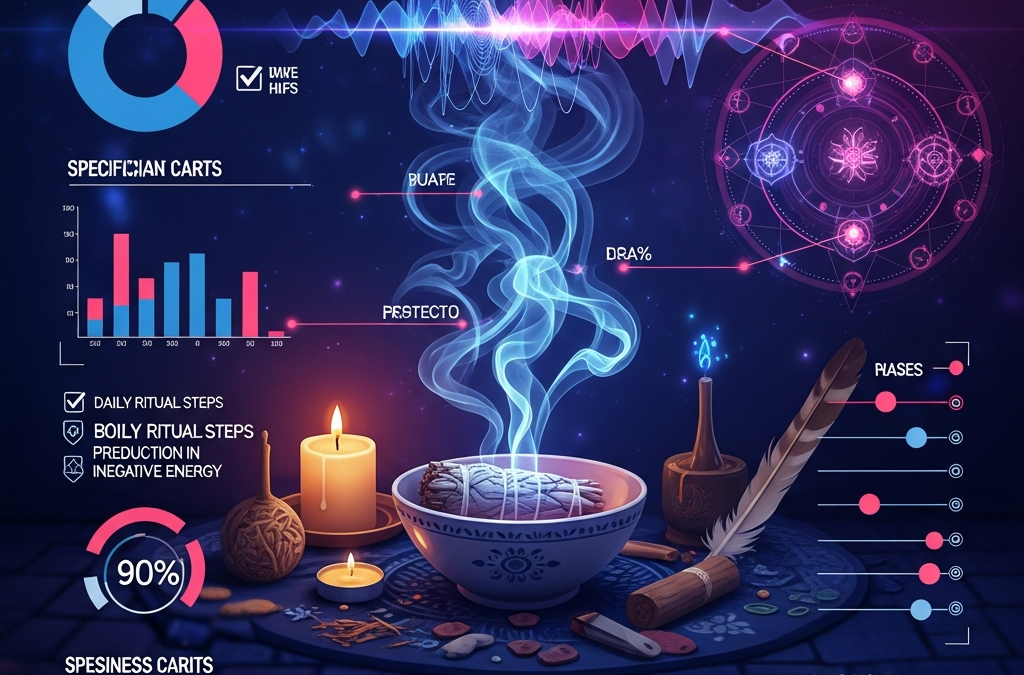
Effective space clearing involves preparation, intention setting, and a systematic movement through areas. With tools like a sage bundle and fire-safe bowl, practitioners can move clockwise, ensuring thorough energetic cleansing.

Promoting Peace and Tranquility: Cultivating Inner Calm

Beyond external cleansing, sage contributes to internal tranquility by reducing stress and anxiety. The ritual offers control over one’s environment, helping to focus and create a serene space conducive to meditation and relaxation.

Regular smudging transforms living spaces into peaceful sanctuaries, supporting well-being and concentration. Integrating sage rituals into daily routines can maintain an atmosphere of tranquility.

Enhancing Spiritual Awareness and Intuition

Sage is integral to deepening intuitive connections and spiritual awareness. By opening the Third Eye and Crown chakras, sage clears energetic blockages, enhancing perception and spiritual insight.

Utilized before meditation or spiritual practices, sage rituals can serve as catalysts for deeper contemplation and awareness, fostering an environment ripe for receiving spiritual wisdom.

Attracting Positive Energy and Blessings

Sage not only clears negativity but also invites positive energies. Intentions for abundance and prosperity can fill spaces once cleansed, leveraging sage’s properties for conscious manifestation.

By promoting harmony and good fortune, sage rituals serve as energetic magnets for desired outcomes, fostering contentment and well-being.

Protection from Malign Influences: Spiritual Shielding

Sage is used for spiritual protection, warding off negative psychic projections and strengthening energetic boundaries. Smudging creates a protective barrier, safeguarding against unwanted influences.

Regular practice ensures robust energetic defenses, particularly beneficial for sensitive individuals or those in public-facing roles.

Connecting with Ancestors and Spirit Guides

Many cultures use sage in rituals to honor ancestors and maintain connections with spiritual realms. The smoke acts as a conduit between worlds, carrying intentions and facilitating receptive spiritual states.

Such rituals strengthen cultural ties, honoring the wisdom and guidance of ancestors and spirit guides.

Healing and Emotional Release: Therapeutic Properties

Smudging with sage aids in releasing grief and trauma, symbolizing emotional catharsis. The process creates space for emotional healing, fostering balance and renewal.

As part of a self-care routine, sage promotes resilience and emotional harmony, complementing other therapeutic practices.

Practical Guidance for Sage Use: Best Practices

Sustainability is paramount when sourcing White Sage. Ethical suppliers ensure proper cultivation methods, supporting Indigenous communities and protecting ecological systems.

Equipped with sage, bowls, feathers, and fire, practitioners can perform smudging rituals safely, ensuring complete understanding of the tools and techniques involved. Proper ventilation and practical guidance are key.

Ethical Considerations and Cultural Appropriation

Respect for Indigenous traditions is crucial when using White Sage. Understanding its cultural importance and avoiding appropriation reinforces ethical engagement.

By supporting Indigenous businesses and practices, individuals can honor the deep-rooted cultural connections and contribute to preserving these sacred traditions.

Beyond Smudging: Other Spiritual Uses of Sage

Sage offers diverse uses in spiritual baths, teas, sachets, and altars. Spiritual baths with sage provide purification experiences, while sachets imbue areas with sage’s protective qualities.

Utilized in altars, sage represents purification and grounding, extending its spiritual influence throughout sacred spaces.

Scientific Perspectives on Sage’s Effects

Emerging studies on sage’s phytochemicals, like thujone and camphor, suggest antimicrobial and mood-enhancing properties. While science explores these aspects, the spiritual experience remains validated through personal and ritualistic comfort.

Case Studies: Transformative Experiences with Sage

Testimonials illustrate sage’s impact on spiritual transformation and healing. These narratives highlight its catalytic role in personal growth and emotional release.

FAQ: Frequently Asked Questions About Sage’s Spiritual Benefits

  • What type of sage is best for spiritual cleansing? White Sage is most recognized for its use in spiritual cleansing.
  • How often should I smudge with sage? Frequency varies; follow your intuition and energy needs.
  • Can I smudge myself with sage? Yes, personal aura cleansing is common, focusing on intentions.
  • Is smudging with sage safe for pets? Ensure ventilation; remove pets from dense smoke areas.
  • What should I do after smudging? Invite positive energy with candles or music.
  • What is the difference between sage smudging and burning incense? Smudging is a specific ritual with deep cultural roots, unlike general incense use.
  • Is it okay to use sage if I’m not Native American? Approach with respect and understanding, supporting ethical sources.

Conclusion

The sage herb, rich in history and spiritual properties, remains a potent tool for purification, protection, and connection. Engaging with it thoughtfully and ethically enriches personal and communal spiritual journeys, honoring its cultural legacy while fostering harmony and well-being.

Best Guided Meditation for Healing Illness

Best Guided Meditation for Healing Illness

Best Guided Meditation for Healing Illness

Introduction to meditation

Meditation is a practice that involves training the mind to achieve a state of calmness, relaxation, and clarity. It has been practiced for thousands of years in different cultures and traditions around the world, and it is increasingly popular today as a means of reducing stress, improving mental and physical health, and enhancing overall well-being.

There are many different types of meditation, but most involve focusing the mind on a specific object or activity, such as the breath, a mantra, or a visualization. The goal is to become more aware of one’s thoughts and feelings without being caught up in them, and to develop greater mindfulness and self-awareness.

Research has shown that regular meditation practice can have a number of benefits, including reducing anxiety and depression, improving cognitive function, and strengthening the immune system. It is a simple yet powerful tool that can be practiced by anyone, regardless of age, background, or level of experience.

Benefits of meditation for healing illnesses

Meditation has been shown to have numerous benefits for physical and mental health, including the ability to help with healing illnesses. Some of the benefits of meditation for healing illnesses include:

  1. Reducing stress: Stress weakens the immune system and increases the risk of illnesses. Meditation can help reduce stress levels by calming the mind and reducing cortisol levels, which can boost the immune system.

  2. Boosting the immune system: Meditation has been shown to boost the activity of natural killer cells responsible for fighting viruses and cancer cells.

  3. Reducing inflammation: Chronic inflammation has been linked to various illnesses, including heart disease, diabetes, and cancer. Meditation has been shown to reduce inflammation in the body, potentially helping to prevent or manage these conditions.

  4. Improving sleep: Getting enough restful sleep is important for the body to heal and recover from illness. Meditation can help improve sleep quality and duration, leading to better overall health.

  5. Enhancing self-awareness: Meditation can help increase self-awareness and mindfulness, which can be helpful for managing chronic illnesses and pain.

Meditation can be a useful tool for managing and healing illnesses by reducing stress, boosting the immune system, reducing inflammation, improving sleep, and enhancing self-awareness. However, it’s important to note that meditation should not replace medical treatment but rather as a complementary practice to support overall health and healing.

Here are some additional benefits of meditation for healing illnesses:
  1. Lowering blood pressure: High blood pressure can increase the risk of heart disease, stroke, and other health problems. Meditation has been shown to lower blood pressure, which can help reduce the risk of these conditions.

  2. Improving mental health: Chronic illness can take a toll on mental health, leading to symptoms like depression, anxiety, and stress. Meditation has been shown to improve mental health and reduce symptoms of depression and anxiety.

  3. Enhancing pain management: Meditation can help improve pain management by reducing pain perception and increasing pain tolerance.

  4. Boosting energy levels: Chronic illness can leave people feeling fatigued and drained. Meditation can help boost energy levels and improve overall well-being.

  5. Improving digestion: Stress can negatively impact digestion and lead to digestive issues. Meditation can help reduce stress and improve digestion, improving overall health.

In summary, meditation has many benefits for healing illnesses, including reducing stress, boosting the immune system, reducing inflammation, improving sleep and mental health, enhancing pain management, boosting energy levels, and improving digestion. Incorporating meditation into a comprehensive treatment plan can be a powerful tool for supporting overall health and well-being.

Here are some additional benefits of meditation for healing illnesses:
  1. Improving cardiovascular health: Meditation has been shown to improve cardiovascular health by reducing blood pressure, blood flow, and heart disease risk.

  2. Enhancing respiratory function: Meditation can help improve respiratory function by increasing lung capacity and reducing respiratory rate, which can be helpful for people with respiratory illnesses like asthma and chronic obstructive pulmonary disease (COPD).

  3. Enhancing cognitive function: Chronic illness can sometimes affect cognitive function, leading to brain fog and difficulty concentrating. Meditation has been shown to enhance cognitive function by improving focus, attention, and memory.

  4. Reducing symptoms of chronic pain: Chronic pain can be challenging to manage, but meditation has been shown to be an effective complementary therapy for reducing symptoms of chronic pain.

  5. Improving the quality of life: Chronic illness can impact the overall quality of life, but meditation can help improve well-being, reduce stress, and enhance the overall quality of life.

It’s important to note that while meditation can have many benefits for healing illnesses, it should not be used as a substitute for medical treatment. If you are dealing with an illness, working with your healthcare provider to develop a comprehensive treatment plan that includes meditation as a complementary therapy is essential.

Here are some more benefits of meditation for healing illnesses:
  1. Enhancing emotional well-being: Chronic illness can be emotionally challenging, leading to feelings of sadness, anxiety, and frustration. Meditation can help enhance emotional well-being by promoting feelings of calm and relaxation, reducing symptoms of anxiety and depression, and improving overall mood.

  2. Improving self-care: People with chronic illnesses often have to make significant lifestyle changes and prioritize self-care to manage their condition. Meditation can be a helpful tool for improving self-care by promoting mindfulness and self-awareness, helping people tune in to their body’s needs and take better care of themselves.

  3. Strengthening social support: Chronic illness can sometimes lead to isolation and loneliness. Meditation can help strengthen social support by promoting feelings of connectedness and compassion towards oneself and others.

  4. Reducing medication reliance: While medication is an important part of managing many chronic illnesses, some people may be able to reduce their reliance on medication by incorporating meditation into their treatment plans. Meditation can help reduce symptoms and improve overall well-being, potentially leading to a reduced need for medication.

  5. Supporting overall health: Finally, meditation can support overall health and well-being by reducing stress, promoting relaxation, and improving various aspects of physical and mental health. By incorporating meditation into their daily routine, people can support their body’s natural healing processes and improve their overall health and well-being.

In summary, meditation has many benefits for healing illnesses, including enhancing emotional well-being, improving self-care and social support, reducing medication reliance, and supporting overall health.

Types of guided meditations for healing illnesses

Many types of guided meditations can be helpful for healing illnesses. Here are a few examples:

  1. Body scan meditation: In this type of meditation, you focus on each part of your body, scanning for sensations and feelings. This can help you become more aware of your body and any areas that need healing or attention.

  2. Loving-kindness meditation: Also known as “Metta” meditation, this practice involves sending love, compassion, and kindness towards yourself and others. This can help promote emotional well-being and reduce stress, which can be beneficial for managing illness.

  3. Visualization meditation involves using your imagination to visualize a healing image or scenario. For example, you might imagine your body healing or feeling strong and healthy. This meditation can help promote relaxation and calm, which can benefit healing.

  4. Breathwork meditation involves focusing on your breath and using specific breathing techniques to help calm the mind and body. This can help reduce stress, improve respiratory function, and promote relaxation.

  5. Mantra meditation: In mantra meditation, you repeat a word, phrase, or sound to help focus your attention and calm the mind. This can help reduce stress and promote relaxation, which can benefit healing.

  6. Chakra meditation: Chakras are energy centers in the body that are thought to be connected to physical and emotional well-being. Chakra meditation involves focusing on each chakra, using visualization and intention to promote balance and healing.

These are just a few examples of the many types of guided meditations that can be helpful for healing illnesses. Finding a type of meditation that resonates with you and that you feel comfortable practicing is essential. Working with your healthcare provider to develop a comprehensive treatment plan that includes meditation as a complementary therapy is also important.

Here are some more types of guided meditations for healing illnesses:
  1. Progressive muscle relaxation: This meditation involves tensing and relaxing each muscle group in your body, one at a time. This can help promote relaxation and reduce stress, which can be beneficial for managing illness.

  2. Body awareness meditation: Body awareness meditation involves focusing your attention on the physical sensations in your body, such as the feeling of your feet on the ground or the sensation of your breath moving in and out of your body. This can help promote mindfulness and reduce stress.

  3. Walking meditation: Walking meditation involves walking slowly and mindfully, paying attention to your body’s sensations and surroundings. This can be a helpful way to practice mindfulness and reduce stress while also getting light exercise.

  4. Sound healing meditation: Sound healing meditation involves listening to soothing sounds or music, such as singing bowls, gongs, or guided meditations with calming background music. This can help promote relaxation and reduce stress, which can benefit healing.

  5. Yoga Nidra: Yoga Nidra is a type of guided meditation that involves lying down in a comfortable position and following a series of verbal instructions to relax and release tension in the body. This can help promote relaxation, reduce stress, and improve overall well-being.

  6. Compassion meditation: Compassion meditation involves cultivating compassion and kindness towards yourself and others. This can help promote emotional well-being and reduce stress, which can be beneficial for managing illness.

These are just a few examples of the many types of guided meditations that can be helpful for healing illnesses. It’s essential to find a meditation that resonates with you and that you feel comfortable practicing. Working with your healthcare provider to develop a comprehensive treatment plan that includes meditation as a complementary therapy is also important.

Here are a few additional types of guided meditations for healing illnesses:
  1. Mindfulness meditation involves focusing on the present moment and observing thoughts and feelings without judgment. This can help reduce stress and improve emotional well-being, which can be beneficial for managing illness.

  2. Gratitude meditation: Gratitude meditation involves focusing on the things in your life that you are grateful for, such as your health, relationships, or other blessings. This can help promote feelings of positivity and reduce stress, which can be beneficial for healing.

  3. Forgiveness meditation involves reflecting on any resentments or grudges you may be holding onto and working towards forgiveness and letting go. This can help promote emotional well-being and reduce stress, which can be beneficial for managing illness.

  4. Body awareness and movement meditation: This meditation combines body awareness with gentle movements, such as yoga or tai chi. This can help promote relaxation, reduce stress, and improve physical and emotional well-being.

  5. Mindful breathing meditation: This type of meditation involves focusing on the breath and observing it without judgment. This can help promote relaxation, reduce stress, and improve respiratory function, which can be beneficial for managing certain illnesses.

  6. Self-compassion meditation: Self-compassion meditation involves cultivating feelings of self-love and acceptance and treating yourself with kindness and understanding. This can help promote emotional well-being and reduce stress, which can be beneficial for managing illness.

Remember, finding a type of meditation that works for you and that you feel comfortable practicing is essential. Additionally, it’s important to incorporate meditation as part of a comprehensive treatment plan developed in collaboration with your healthcare provider.

Here are some more types of guided meditations for healing illnesses:
  1. Mindful eating meditation: This type of meditation involves practicing mindfulness while eating, focusing on the taste, texture, and smell of the food. This can help promote mindful eating habits and improve digestion, which can be beneficial for managing certain illnesses.

  2. Loving-kindness towards the body meditation: This type of meditation involves sending loving-kindness toward different body parts, such as the heart, lungs, or liver. This can help promote healing and reduce stress and tension in the body.

  3. Nature meditation: Nature meditation involves connecting with the natural world, either by practicing meditation in a natural setting or by visualizing natural surroundings. This can help promote relaxation and reduce stress, which can be beneficial for managing illness.

  4. Mindful journaling meditation: This type of meditation involves writing down your thoughts and feelings in a journal while practicing mindfulness and self-reflection. This can help promote emotional well-being and reduce stress, which can be beneficial for managing illness.

  5. Affirmation meditation: Affirmation meditation involves repeating positive affirmations to yourself, such as “I am healthy and strong” or “I am capable of healing.” This can help promote positive thinking and reduce stress, which can be beneficial for managing illness.

  6. Creative visualization meditation: This type of meditation involves using your imagination to visualize a specific outcome or goal, such as healing or recovery. This can help promote feelings of hope and positivity, which can be beneficial for managing illness.

Remember, finding a type of meditation that works for you and that you feel comfortable practicing is essential. 

1. Introduction to meditation
2. Benefits of meditation for healing illnesses
3. Types of guided meditations for healing illnesses
4. Scientific evidence that supports the effectiveness of meditation for healing illnesses
5. How to choose the most effective guided meditations for your particular illness
6. Tips and guidelines for getting the most out of guided meditations
7. Conclusion summary and takeaways

Scientific evidence that supports the effectiveness of meditation for healing illnesses

Meditation has been found to have a number of positive effects on both physical and mental health. Here are some examples of scientific evidence that supports the effectiveness of meditation for healing illnesses:

  1. Reducing stress: Many studies have shown that meditation can help reduce stress levels, which can positively impact many different aspects of health. Stress reduction through meditation is effective for people with conditions such as anxiety, depression, and chronic pain.

  2. Lowering blood pressure: Research has found that regular meditation can help lower blood pressure, which is an important factor in reducing the risk of heart disease.

  3. Boosting the immune system: Some studies have suggested that meditation can have a positive impact on the immune system, potentially making people less susceptible to illnesses and infections.

  4. Reducing symptoms of anxiety and depression: Meditation has been found to be effective in reducing symptoms of anxiety and depression, both of which can have a negative impact on overall health and well-being.

  5. Managing chronic pain: Meditation is effective in managing chronic pain conditions such as fibromyalgia and arthritis.

  6. Improving sleep: Meditation has been found to be effective in helping people sleep better, which can have a positive impact on overall health.

Overall, while more research is needed to understand the effects of meditation on health fully, the evidence to date suggests that it can be an effective tool for promoting healing and well-being.

Here are some additional examples of scientific evidence supporting the effectiveness of meditation for healing illnesses:
  1. Decreasing inflammation: Research has found that meditation can help decrease inflammation in the body, which is a factor in many chronic diseases such as arthritis, diabetes, and heart disease.

  2. Improving cognitive function: Regular meditation practice has been shown to improve cognitive function, including attention, memory, and executive function, which can be particularly beneficial for older adults.

  3. Reducing symptoms of post-traumatic stress disorder (PTSD): Meditation has been found to be an effective complementary treatment for people with PTSD, reducing symptoms such as anxiety, depression, and hypervigilance.

  4. Enhancing well-being: Meditation has been shown to enhance overall well-being, including feelings of happiness, contentment, and life satisfaction.

  5. Improving cardiovascular health: Regular meditation practice has been linked to improvements in cardiovascular health, including reducing the risk of heart attack and stroke.

  6. Improving respiratory function: Research has found that meditation can improve respiratory function in people with conditions such as asthma and chronic obstructive pulmonary disease (COPD).

Overall, these studies demonstrate the potential of meditation as a complementary tool for promoting healing and wellness in a variety of different contexts.

Here are a few more examples of scientific evidence that supports the effectiveness of meditation for healing illnesses:
  1. Managing symptoms of irritable bowel syndrome (IBS): Some studies have found that meditation can be effective in reducing symptoms of IBS, such as abdominal pain and discomfort.

  2. Improving quality of life for cancer patients: Meditation has been shown to improve quality of life for cancer patients, reducing symptoms such as fatigue, anxiety, and depression.

  3. Supporting addiction recovery: Meditation can be a useful tool for people in addiction recovery, helping them to manage cravings and reduce stress.

  4. Improving diabetes management: Meditation may be helpful for people with diabetes, as it has been shown to improve glycemic control and reduce the risk of complications.

  5. Reducing symptoms of attention-deficit/hyperactivity disorder (ADHD): Some studies have found that meditation can help reduce symptoms of ADHD, such as hyperactivity and impulsivity.

Overall, these studies suggest that meditation can be a valuable tool for promoting healing and well-being across various health conditions. However, it’s important to note that meditation should not be used as a substitute for medical treatment, but rather as a complementary tool to support overall health and wellness.

How to choose the most effective guided meditations for your particular illness

Choosing the most effective guided meditations for your particular illness can be a very personal process and will depend on a variety of factors such as the specific symptoms you’re experiencing, the severity of your illness, and your personal preferences. Here are some general steps you can take to find the most effective guided meditations for your particular illness:

  • Consult with your healthcare provider: It’s important to consult with your healthcare provider to get a better understanding of your illness and how it affects you. Your healthcare provider may be able to provide recommendations or resources for guided meditations that are specifically tailored to your illness.
  • Look for guided meditations specific to your illness: There are many guided meditations available online that are tailored to specific illnesses or health conditions. A simple online search can help you find guided meditations that are designed to help you manage the symptoms of your particular illness.
  • Check the credentials of the meditation instructor: It’s important to ensure that the meditation instructor has the necessary training and qualifications to provide guidance on managing your particular illness. Look for instructors who have training or certifications in mindfulness-based stress reduction, meditation, or yoga.
  • Read reviews and ratings: Before choosing a guided meditation, it’s important to read reviews and ratings from others who have used the meditation to manage their illness. This can provide valuable insight into the effectiveness of the meditation and whether it may be a good fit for you.
  • Try a few different meditations: It may take some trial and error to find the most effective guided meditation for your particular illness. It’s okay to try out a few different options and see what works best for you.

Remember that guided meditation should be used as a complementary therapy alongside other treatments recommended by your healthcare provider. It’s important to always consult with your healthcare provider before starting any new therapy or treatment.

Here are some additional tips for choosing the most effective guided meditations for your particular illness:
  • Consider the length of the meditation: The length of a guided meditation can vary widely, and it’s important to find one that works for you. If you have a busy schedule, look for shorter meditations that you can fit into your day. On the other hand, if you have more time, longer meditations may be more effective for managing your symptoms.
  • Look for meditations that focus on relaxation and stress reduction: Many illnesses are aggravated by stress and anxiety. Look for guided meditations that focus on relaxation and stress reduction techniques such as deep breathing and visualization.
  • Find meditations that address your specific symptoms: If you are experiencing specific symptoms related to your illness, look for guided meditations that address those symptoms. For example, if you have chronic pain, look for meditations that focus on pain management techniques.
  • Try different styles of meditation: There are many different styles of meditation, and what works for one person may not work for another. Experiment with different styles such as mindfulness, loving-kindness, or body scan meditations to see what works best for you.
  • Practice regularly: Guided meditation is a skill that takes practice. To get the most benefit, it’s important to practice regularly, ideally daily. Set aside a specific time each day to practice and make it a part of your routine.

Remember, guided meditation is a tool for managing your symptoms, but it is not a cure. It’s essential to continue to work with your healthcare provider and follow their recommendations for managing your illness. Guided meditation can be a powerful tool for managing stress, anxiety, and other symptoms associated with many illnesses. Still, using it as part of a comprehensive treatment plan is essential.

Here are some additional tips for choosing the most effective guided meditations for your particular illness:
  • Find meditations that resonate with you: It’s essential to find guided meditations that resonate with you and your personal preferences. Some people may prefer guided meditations with soothing background music, while others may prefer meditations with nature sounds or no music at all. Choose meditations that you find calming and enjoyable to listen to.
  • Consider the language and tone of the meditation: The language and tone of a guided meditation can have a big impact on its effectiveness. Look for meditations that use calming and reassuring language, and avoid meditations that use language that makes you feel anxious or uncomfortable.
  • Look for guided meditations from reputable sources: There are many resources for guided meditations online, but not all of them are created equal. Look for meditations from reputable sources such as certified meditation instructors, healthcare providers, or well-known meditation apps and websites.
  • Use guided meditations as part of a self-care routine: Guided meditation can be a powerful tool for managing your illness, but it’s essential to use it as part of a broader self-care routine. Other self-care practices such as exercise, healthy eating, and good sleep habits can also help to manage symptoms and improve overall well-being.
  • Be patient: Guided meditation is a skill that takes time and practice to develop. Be patient with yourself and don’t expect immediate results. With regular practice, guided meditation can be a powerful tool for managing your illness and improving your overall well-being.

Tips and guidelines for getting the most out of guided meditations

Here are some tips and guidelines for getting the most out of guided meditations:

  1. Find a quiet and comfortable place: Choose a quiet and comfortable place where you can sit or lie down without being disturbed. This will help you to relax and focus on the meditation.

  2. Use headphones: If possible, use headphones to listen to the guided meditation. This will help to block out any external noise and allow you to focus more easily.

  3. Follow the instructions: The guided meditation will provide instructions on how to meditate. Follow these instructions and try to stay focused on the meditation.

  4. Breathe deeply: Deep breathing can help to calm your mind and body. Try to breathe deeply and slowly throughout the meditation.

  5. Be patient: Guided meditation takes time and practice. Don’t get discouraged if you find it difficult to focus first. With practice, it will become easier.

  6. Focus on the present moment: Try to stay present in the moment and let go of any thoughts or worries about the past or future.

  7. Use visualization: Guided meditations often use visualization techniques. Try to visualize the scenes and images described in the meditation as vividly as possible.

  8. Keep an open mind: Don’t judge yourself or the meditation. Keep an open mind and allow yourself to experience whatever comes up during the meditation.

  9. Practice regularly: To get the most out of guided meditations, it’s important to practice regularly. Try to meditate at least once a day, preferably at the same time each day.

  10. Experiment with different types of guided meditations: There are many different types of guided meditations available. Experiment with different ones to find the ones that work best for you.

  1. Set an intention: Before starting the guided meditation, set an intention for what you want to achieve or focus on during the practice. This will help you to stay focused and motivated throughout the meditation.

  2. Stay hydrated: It’s important to stay hydrated before and after the meditation. Drinking water can help to refresh and energize your body and mind.

  3. Take notes: After the meditation, take some time to reflect on your experience. You can write down any thoughts or insights during the meditation. This can help you to track your progress and stay motivated.

  4. Be consistent: Consistency is key when it comes to meditation. Try to meditate at the same time and place each day. This will help you to establish a routine and make it easier to stick to your practice.

  5. Be kind to yourself: Guided meditation is a practice, and it takes time to develop. Don’t be too hard on yourself if you find it difficult at first. Remember that it’s okay to make mistakes and that each meditation is an opportunity to learn and grow.

  6. Stay committed: Guided meditation is a powerful tool for reducing stress, improving focus, and enhancing overall well-being. Stay committed to your practice and keep learning and growing.

  7. Seek guidance: If you’re struggling with your practice or have questions, don’t be afraid to seek guidance from a meditation teacher or guide. They can offer personalized advice and support to help you achieve your goals.

  1. Use affirmations: Many guided meditations include affirmations that can help to reprogram your subconscious mind with positive thoughts and beliefs. Repeat these affirmations to yourself during the meditation and throughout the day.

  2. Don’t force it: Meditation is a natural process, and it’s important not to force anything. If you’re feeling distracted or restless during the meditation, don’t try to fight it. Simply observe your thoughts and let them pass without judgment.

  3. Practice gratitude: Gratitude is a powerful emotion that can help to shift your focus from negative thoughts to positive ones. Take some time during the meditation to reflect on the things that you’re grateful for in your life.

  4. Try different lengths: Guided meditations can range from a few minutes to an hour or more. Experiment with different lengths to find the ones that work best for you. Remember, even a few minutes of meditation can have a positive impact on your well-being.

  5. Use music: Many guided meditations include calming music or sounds that can help to enhance the meditation experience. Find music or sounds that resonate with you and use them to create a peaceful atmosphere during your practice.

  6. Connect with your breath: Your breath is a powerful tool for calming your mind and body. Use the guided meditation to connect with your breath and focus on the sensations of inhaling and exhaling.

  7. Make it a habit: Guided meditation can be a powerful habit to incorporate into your daily routine. Set aside time each day for your practice, and make it a non-negotiable part of your day.

  8. Celebrate your progress: Meditation is a journey, and it’s important to celebrate your progress along the way. Take time to acknowledge the changes and improvements that you’ve made, and use them to motivate yourself to keep going.

Guided Meditation for Healing Mind Body and Spirit

Guided Meditation for Healing Mind Body and Spirit

Guided Meditation for Healing Mind Body and Spirit

Guided meditation is a powerful tool for healing the mind, body, and spirit. Through the practice of guided meditation, one can access a state of deep relaxation and inner peace, allowing for the release of stress and tension that can accumulate in our bodies and minds. By focusing on a specific intention, such as healing or self-improvement, we can activate the body’s natural healing processes, reduce stress and anxiety, and promote feelings of well-being and positivity. Guided meditation can help us to connect with our inner wisdom, allowing us to access our deepest truths and intuition

What is Guided Meditation?

Guided meditation is a type of meditation in which a person or a recorded voice leads you through a specific meditation practice. During a guided meditation, the guide provides instructions for relaxing, focusing your attention, and cultivating qualities such as compassion, gratitude, or inner peace.
Guided meditations can take many forms, from simple breathing exercises to more complex visualizations or body scans. The guide may use music, sound effects, or other techniques to help you enter a deeper state of relaxation and concentration.
One of the benefits of guided meditation is that it can be helpful for people who are new to meditation or who have trouble focusing their attention on their own. The guide can provide a structure and a sense of support to make staying focused and engaged easier.
Guided meditation can also be helpful for people who are dealing with specific issues or challenges, such as stress, anxiety, depression, or chronic pain. The guide can provide tailored instructions and visualizations to help address these issues and promote healing and relaxation.
Overall, guided meditation can be a powerful tool for promoting relaxation, reducing stress, and cultivating inner peace and well-being.

Is Guided Meditation helpful for healing the mind?

Yes, guided meditation can help heal the mind. One of the main benefits of guided meditation is that it can help promote relaxation and reduce stress, which can positively impact mental health.
Stress and anxiety are common causes of mental health problems, such as depression, insomnia, and panic attacks. By reducing stress and promoting relaxation, guided meditation can help alleviate some associated symptoms.

In addition to promoting relaxation, guided meditation can also help to cultivate positive qualities such as compassion, gratitude, and inner peace. Focusing on these positive qualities can help shift your mindset and reduce negative thought patterns contributing to mental health issues.
Guided meditation can also be helpful for processing and releasing difficult emotions such as grief, anger, or fear. The guide can provide a safe and supportive environment for exploring and healthily working through these emotions.

Overall, guided meditation can be a valuable tool for healing the mind, reducing stress and anxiety, and promoting mental health and well-being. It’s important to remember that everyone’s experience with guided meditation will be different, so it’s worth experimenting with other techniques to find the ones that work best for you.

Is Guided Meditation helpful for healing the body?

Yes, guided meditation can help heal the body. One of the main benefits of guided meditation is that it can promote relaxation and reduce stress, which can positively impact physical health.

Stress can contribute to various physical health problems, such as headaches, high blood pressure, and digestive issues. By reducing stress, guided meditation can help to alleviate these symptoms and promote overall physical health.

Guided meditation can also help manage chronic pain. The practice can help you cultivate a sense of detachment from your pain and develop a more positive mindset, making it easier to cope with the discomfort.

In addition to promoting relaxation, guided meditation can also help to promote physical healing. By focusing on positive imagery and visualization, you can help to stimulate the body’s natural healing processes and promote recovery from illness or injury.

Overall, guided meditation can be a valuable tool for healing the body, reducing stress and anxiety, and promoting physical health and well-being. It’s important to remember that everyone’s experience with guided meditation will be different, so it’s worth experimenting with other techniques to find the ones that work best for you.

Is Guided Meditation a benefit for improving spirit?

Yes, guided meditation can be beneficial for improving the spirit. Guided meditation can help cultivate inner peace, purpose, and connection to something greater than oneself, contributing to a sense of spiritual well-being.

Many people find that guided meditation helps them to feel more grounded and centred, which can help them to connect with their spiritual beliefs and values. By focusing on positive qualities such as love, compassion, and gratitude, guided meditation can also help cultivate a deeper spiritual connection and purpose.

Guided meditation can also help explore spiritual questions and themes, such as the nature of reality, the meaning of life, or the concept of self. By providing a safe and supportive environment for contemplation and reflection, guided meditation can deepen your understanding of these topics and develop a more nuanced and meaningful relationship with your spirituality.

Overall, guided meditation can be a valuable tool for improving the spirit, promoting inner peace and connection, and cultivating deeper spiritual well-being. It’s important to remember that everyone’s experience with guided meditation will be different, so it’s worth experimenting with other techniques to find the ones that work best for you.

Steps for guided meditation

Here are some general steps for guided meditation:
  • Find a quiet and comfortable space to sit or lie down without disturbance.

  • Choose a guided meditation that aligns with your goals and preferences. You can find guided meditations online, in books, or through a meditation app.

  • Settle comfortably, sitting or lying down, and close your eyes.

  • Begin by taking a few deep breaths to help calm your mind and relax your body.

  • Listen to the guided meditation and follow along with the instructions. The guide will likely lead you through visualizations, affirmations, or breathing exercises to help you relax and focus.

  • If your mind starts to wander or you become distracted, gently bring your focus back to the meditation and instructor guidance.

  • Allow yourself to fully experience the meditation without judgment or expectation. You may feel different sensations or emotions or not feel anything at all. All experiences are valid and normal.

  • When the meditation is complete, take a few moments to reflect on your experience and notice any changes in your thoughts, feelings, or body.

  • Take your time transitioning back to your daily life, and carry any feelings of relaxation, calm, or positivity with you as you go about your day.

Remember that there is no “right” way to practice guided meditation, and everyone’s experience will be unique. Experiment with different guided meditations and find the ones that work best for you and your needs.

The benefits of guided meditation

Guided meditation can offer many benefits for the mind, body, and spirit. Here are some of the benefits of guided meditation:

  1. Reduces stress and anxiety: Guided meditation can help calm the mind and reduce feelings of stress and anxiety.
  2. Improves sleep: Practicing guided meditation before bed can help promote relaxation and enhance sleep quality.
  3. Enhances focus and concentration: Guided meditation can improve focus and concentration, making it easier to stay on task and complete work more efficiently.
  4. Boosts mood and well-being: Guided meditation can promote positivity, happiness, and well-being and reduce negative thoughts and emotions.
  5. Lowers blood pressure: Guided meditation can help lower blood pressure and reduce the risk of cardiovascular disease.
  6. Enhances immune function: Guided meditation can boost immune function and promote overall health and well-being.
  7. Reduces pain and inflammation: Guided meditation can help reduce pain and inflammation in the body, making it a helpful tool for managing chronic pain conditions.
  8. Improves self-awareness: Guided meditation can help increase self-awareness and self-reflection, allowing individuals to better understand their thoughts, feelings, and behaviours.

Overall, guided meditation can offer a range of benefits for both physical and mental health. It can be a helpful tool for managing stress, anxiety, and other emotional or physical challenges and promoting feelings of relaxation, well-being, and inner peace.

How to get started with guided meditation

Getting started with guided meditation is simple and requires no special equipment or experience. Here are some steps to help you get started:

  • Choose a quiet and comfortable space to sit or lie down without disturbance. This can be a separate room, a quiet corner, or even outdoors in nature.

  • Find a guided meditation that aligns with your goals and preferences. You can find guided meditations online, in books, or through a meditation app.

  • Settle comfortably, sitting or lying down, and close your eyes.

  • Take a few deep breaths to help calm your mind and relax your body.

  • Start the guided meditation and follow along with the instructions. The guide will likely lead you through visualizations, affirmations, or breathing exercises to help you relax and focus.

  • Allow yourself to fully experience the meditation without judgment or expectation. If your mind starts to wander or you become distracted, gently bring your focus back to the instructor’s reflection and guidance.

  • Start with shorter meditation sessions, such as 5-10 minutes, and gradually increase the length of your sessions as you become more comfortable.

  • Practice guided meditation regularly, ideally daily or a few times a week. This will help you establish a routine and experience the full benefits of the procedure.

Remember that guided meditation is a personal practice, and there is no “right” way. Be patient and compassionate with yourself as you begin your meditation journey, and focus on the benefits that you experience from the practice.

Type of Guided Meditation

There are many different types of guided meditation, and each one may be suited to different needs or preferences. Here are some common types of guided meditation:

  1. Body scan meditation: This type of meditation involves focusing on different parts of the body, one by one, and becoming aware of any sensations or tensions that may be present.
  2. Loving-kindness meditation: This type of meditation involves cultivating feelings of love, kindness, and compassion toward oneself and others.
  3. Mindfulness meditation involves focusing on the present moment and observing one’s thoughts, feelings, and sensations without judgment.
  4. Chakra meditation: This type of meditation involves focusing on the body’s energy centers, known as chakras, and using visualization or sound to balance and activate them.
  5. Transcendental meditation: This type of meditation involves using a mantra, or sound, to quiet the mind and achieve a state of deep relaxation.
  6. Visualization meditation: This type of meditation involves using mental imagery to create a relaxing or positive environment, such as a beach or a forest.
  7. Breath awareness meditation: This type of meditation involves focusing on the breath and observing its natural rhythms.
  8. Body awareness meditation focuses on the body’s physical sensations, such as the feeling of the air on the skin or the body’s weight on the ground.
  9. Progressive muscle relaxation: This meditation involves tensing and releasing different muscles in the body, one by one, to promote peace.
  10. Body-mind meditation involves focusing on the mind-body connection and cultivating awareness of how physical sensations and emotions are interconnected.
  11. Walking meditation involves practising mindfulness and focusing on the physical sensations of movement and the surrounding environment.
  12. Yoga Nidra: This type of meditation involves a guided relaxation practice that involves progressively relaxing different body parts while remaining conscious and aware.
  13. Guided imagery: This type of meditation involves visualizing a peaceful, positive, or healing image, such as a sunset, a forest, or a healing light.
  14. Sound meditation: This meditation focuses on sound, such as chanting, singing bowls, or nature sounds, to promote relaxation and inner peace.
  15. Compassion meditation: This type of meditation involves cultivating compassion and empathy towards oneself and others and focusing on the interconnectedness of all beings.
  16. Zen meditation: This type of meditation involves focusing on breath and posture and observing thoughts and sensations without judgment.
  17. Vipassana meditation: This type of meditation involves observing sensations and thoughts without attachment or judgment to gain insight into the nature of reality.
  18. Mantra meditation: This type of meditation involves repeating a word, phrase, or sound to focus the mind and promote relaxation.

There are many different types of guided meditation, and each one can offer unique benefits. Finding the kind of meditation that resonates with you and supports your specific needs and goals is important.

Different Types of Meditation

There are many different types of meditation, each with its unique focus and approach. Here are some of the most common types of meditation:

  1. Mindfulness meditation focuses on the present moment by paying attention to your breath or bodily sensations. The goal is to develop greater awareness of your thoughts and emotions without getting caught up.
  2. Loving-kindness meditation: This type of meditation involves generating feelings of love, kindness, and compassion towards yourself and others. It often involves repeating certain phrases or visualizations to cultivate these positive emotions.
  3. Transcendental meditation: This type of meditation involves the use of a mantra, which is a word or phrase that is repeated silently. The goal is to quiet the mind and achieve a deep state of relaxation.
  4. Body scan meditation focuses on different body parts, from the toes to the head. The goal is to become more aware of bodily sensations and to release tension or discomfort.
  5. Visualization meditation: This type of meditation involves visualizing a specific image or scene in your mind, often to cultivate positive emotions or qualities such as calmness, courage, or gratitude.
  6. Chakra meditation: This type of meditation focuses on the seven energy centers in the body, known as chakras. The goal is to balance and align these energy centers, which are believed to promote physical, emotional, and spiritual well-being.
  7. Yoga meditation: This type of meditation involves using yoga poses (asanas) to prepare the body for meditation. The goal is to improve flexibility, strength, and balance while calming the mind and promoting relaxation.

These are just a few examples of the many different types of meditation. Each type can be adapted to fit your needs and preferences, so experimenting with other techniques is worthwhile to find the ones that work best for you.


More types of meditation.

Here are a few more types of meditation that you may find helpful:

  1. Zen meditation: Also known as Zazen, this type of meditation is commonly practiced in Zen Buddhism. It involves sitting in a specific posture and focusing on your breath while allowing thoughts to pass through your mind without getting attached.
  2. Breath awareness meditation: This type of meditation focuses on the sensation of your breath entering and leaving your body. The goal is to cultivate greater awareness of the breath, which can help to calm the mind and reduce stress and anxiety.
  3. Sound meditation involves listening to specific sounds, such as chanting or music, to induce relaxation and promote inner peace.
  4. Walking meditation: This type of meditation involves walking slowly and mindfully, paying attention to your breath and the sensations in your body as you move. The goal is to cultivate greater awareness of the present moment and promote calm and groundedness.
  5. Body-based meditation: This type of meditation involves focusing on different parts of the body, such as the hands, feet, or belly. The goal is to cultivate a deeper sense of body awareness, which can help to promote relaxation and reduce stress.
  6. Mantra meditation involves repeating a specific word or phrase to cultivate a certain quality or intention, such as love, peace, or gratitude.
  7. Vipassana meditation: This type of meditation is commonly practiced in Theravada Buddhism and involves observing the breath and bodily sensations while cultivating awareness of impermanence, suffering, and non-self.

These are just a few examples of the many different types of meditation. Remember, there is no “right” way to meditate, so it’s worth exploring other techniques to find the ones that work best for you.


Conclusion

Guided meditation is a simple and effective way to promote relaxation, reduce stress and anxiety, and improve overall health and well-being. It involves following a meditation guide who will lead you through visualizations, affirmations, or breathing exercises to help you relax and focus your mind. Guided meditation can be practiced by anyone, regardless of age, experience, or background, and can be easily incorporated into your daily routine. With regular practice, guided meditation can help you achieve greater inner peace, clarity, and happiness and promote improved physical and mental health. Whether you’re looking to reduce stress, improve sleep, enhance focus and concentration, or experience greater feelings of calm and well-being, guided meditation can be a powerful tool to support your goals and help you live a more fulfilling life.

Spiritual Healing Meditation

Spiritual Healing Meditation

Quick Answer: Spiritual healing meditation combines traditional meditation techniques, such as mindful breathing, guided visualization, and mantra repetition, with an intention to heal on an emotional, physical, or spiritual level, not just to relax the mind. Research on mind-body practices links regular meditation to lower stress hormones, better emotional regulation, and improved wellbeing, while spiritual traditions frame the same stillness as a way to reconnect with a deeper sense of purpose. Most people begin to notice calmer reactions to stress within a few weeks of consistent practice, though it is not a substitute for medical or mental health treatment when those are needed.

By Shahinur Chowdhury, Spiritual Meditation Yoga Editorial Team — last updated September 2026

When people search for spiritual healing meditation, they are usually carrying two different needs at once: a nervous system that feels frayed, and a sense that something in life needs more than a to-do list can fix. Meditation alone can calm the body. Spiritual healing meditation tries to do that and address the second need, treating the practice as a doorway to meaning, connection, and a felt sense of wholeness rather than a productivity tool. Other names for the same approach include energy healing meditation, spiritual mindfulness practice, and soul-centered meditation.

This guide explains what spiritual healing meditation actually is, what research and tradition each contribute to it, the core techniques people use, a simple step-by-step practice you can start tonight, and answers to the questions people ask most before committing to it.

Why Trust This Guide?

The research referenced here draws on guidance from the National Center for Complementary and Integrative Health (NCCIH), part of the National Institutes of Health, published research on loving-kindness meditation summarized by the Mindful.org research desk, and clinical overviews from Mayo Clinic and Harvard Health Publishing. Spiritual and cultural context is drawn from long-established contemplative traditions. It is written for general education and does not replace care from a licensed doctor or mental health professional.

About This Guide

This article is written by Shahinur Chowdhury and the Spiritual Meditation Yoga editorial team, drawing on published mind-body research, clinical guidance from recognized health organizations, and widely practiced spiritual meditation traditions, including Buddhist loving-kindness practice and yogic chakra work. Every claim is checked against the sources cited above before publication, and this page was last reviewed and updated in September 2026. It is intended for general wellness education, not as therapy or medical treatment, and does not replace individualized care from a licensed doctor or mental health professional.

Key Takeaways

  • Spiritual healing meditation pairs standard meditation methods with an intention to heal emotionally, physically, or spiritually, not only to relax.
  • Mind-body research links regular meditation practice to lower stress reactivity, better emotional regulation, and improved sleep and mood.
  • Common techniques include mindfulness, guided visualization, loving-kindness (metta) meditation, chakra meditation, mantra repetition, and breathwork.
  • Most people need several weeks of consistent short sessions before effects feel noticeable and reliable.
  • It works alongside, not instead of, medical or mental health care, especially for trauma, grief, or diagnosed conditions.

Ready to start tonight? If you would rather skip ahead, jump straight to the step-by-step practice below — it takes less than five minutes to begin.

What Is Spiritual Healing Meditation?

Spiritual healing meditation is the practice of using meditation, focused breathing, visualization, or repeated sound, with the specific intention of healing rather than simply quieting the mind. Where a secular mindfulness session might aim to help you notice the present moment without judgment, spiritual healing meditation adds a layer of intention: directing attention toward releasing old emotional pain, restoring a sense of balance in the body, or reconnecting with something larger than the daily grind, whatever a person understands that to mean for them.

It is not tied to one religion or belief system. Someone might practice it through a Buddhist lens of compassion meditation, a yogic framework built around chakras and prana (life energy), a Christian contemplative prayer tradition, or a fully secular version that simply borrows the visualization and breathing tools without any spiritual framing at all. What ties these approaches together is the same underlying mechanism: sustained, focused attention paired with slow breathing shifts the body out of a stress response and into a state where healing, physical and emotional, has more room to happen.

The Science and Tradition Behind It

Mind-body researchers at the NCCIH describe meditation as a family of practices that train attention and awareness to reduce stress reactivity and support wellbeing, largely by calming the sympathetic nervous system, the body’s fight-or-flight branch, and activating the parasympathetic, or “rest and digest,” response. Slower breathing during meditation is thought to stimulate the vagus nerve, which is associated with lower heart rate and blood pressure and may help calm the amygdala’s threat response over time.

Separately, positive psychology researcher Barbara Fredrickson’s studies on loving-kindness meditation found that participants who practiced it daily reported measurable increases in positive emotions, which in turn built lasting personal resources such as stronger social connection and greater life satisfaction. That research offers a scientific bridge to what contemplative traditions have taught for centuries: the Buddhist practice of metta (loving-kindness), the yogic chakra system’s model of energy centers along the spine, and mantra repetition across Hindu, Buddhist, and Christian traditions all rest on the same core idea, that repeated, intentional focus reshapes both mood and outlook over time.

Neuroscience research on long-term meditators has also pointed to changes in the brain’s default mode network, the system active during mind-wandering and self-referential thought that is often overactive in rumination and anxiety. Quieting that network during focused practice is one proposed reason meditators report feeling less caught up in repetitive worry, a mechanism that lines up neatly with the traditional description of meditation as quieting the “monkey mind.”

Benefits People Report

Because spiritual healing meditation blends measurable mind-body effects with subjective spiritual experience, its benefits span both categories.

  • Lower stress and anxiety: Regular meditation is consistently linked to reduced everyday stress and anxiety symptoms in NCCIH-reviewed research.
  • Better emotional regulation: Loving-kindness and mindfulness practices are associated with fewer reactive emotional spirals and more stable mood.
  • Improved sleep and physical markers: Slower, deeper breathing during meditation is associated with lower resting heart rate and blood pressure in some studies, and many practitioners report easier sleep onset.
  • A stronger sense of purpose: Practitioners frequently describe feeling more connected to their values and to other people after sustained practice.
  • Perceived energetic or spiritual balance: Within chakra and energy-based traditions, people report a felt sense of blockages releasing, though this experience is subjective rather than clinically measured.

Core Techniques Used in Spiritual Healing Meditation

1. Mindfulness Meditation

Mindfulness meditation anchors attention to the breath, bodily sensations, or ambient sound, gently returning focus each time the mind wanders. In a spiritual healing context, practitioners often pair this anchoring with an intention, such as “I am releasing what no longer serves me,” repeated silently whenever attention resets.

2. Guided Visualization and Healing Light

This technique involves picturing a warm, healing light entering the body with each inhale and spreading through areas of physical or emotional tension, then imagining tension or pain leaving with each exhale. Guided audio recordings are commonly used by beginners until the visualization becomes familiar enough to do unaided.

3. Loving-Kindness (Metta) Meditation

Loving-kindness meditation involves silently directing goodwill first toward yourself, then toward loved ones, neutral acquaintances, difficult people, and eventually all beings, using a simple repeated phrase such as “may you be happy, may you be at peace.” Fredrickson’s research found that this practice was associated with increases in positive emotion and social connectedness with regular use.

4. Chakra Meditation

Rooted in the yogic tradition, chakra meditation focuses attention sequentially on seven energy centers believed to run along the spine, from the base (grounding, security) to the crown (spiritual connection). Practitioners visualize each center as a spinning wheel of colored light, pausing to breathe into any center that feels dim, blocked, or overactive.

5. Mantra and Sound Meditation

Mantra meditation uses the silent or spoken repetition of a word, phrase, or sound, such as “om” or a personally meaningful affirmation, to occupy the analytical mind and deepen focus. The repetitive rhythm has a similar calming effect to a chant or a lullaby, making it one of the more accessible entry points for restless beginners.

6. Breathwork as a Foundation

Slow, extended-exhale breathing (pranayama in the yogic tradition) underlies nearly every technique above. Because the exhale, more than the inhale, activates the vagus nerve’s calming signal, most spiritual healing practices instruct a longer breath out than breath in, often through counted patterns like four seconds in and six to eight seconds out.

A Step-by-Step Spiritual Healing Meditation Practice

  1. Choose a quiet space where you will not be interrupted for 10 to 20 minutes, and sit or lie down comfortably.
  2. Set an intention in one sentence, naming what you want to release or invite in during this session.
  3. Settle your breath with several slow cycles, inhaling for a count of four and exhaling for a count of six to eight.
  4. Choose one technique from above, mindful breathing, visualization, loving-kindness, chakra focus, or mantra, rather than mixing several at once when you’re starting out.
  5. Stay with distraction gently. When your mind wanders, which it will, simply notice it and return to your breath or phrase without judging yourself for drifting.
  6. Notice physical sensations as they arise; tension releasing, warmth, or emotion surfacing are all common and not a sign anything is wrong.
  7. Close slowly with two or three deep breaths and a moment of stillness before opening your eyes and reorienting to the room.
  8. Reflect briefly, in a journal or simply in your mind, on what came up, without needing to interpret or fix anything right away.

Common Obstacles and How to Work Through Them

A racing mind is the most common complaint from beginners, and it is not a sign of failure; returning attention to the breath hundreds of times in one sitting is the practice, not a departure from it. Skepticism about energy-based language is also common and entirely compatible with spiritual healing meditation; the visualization and breathing techniques work through documented nervous-system pathways regardless of whether you frame the experience in spiritual terms. Finding time is the third major hurdle, and starting with five minutes daily builds a more durable habit than an ambitious twenty-minute session attempted once a week.

Who Should Use Caution

Meditation, including spiritual healing forms, can occasionally surface intense emotions or traumatic memories, particularly during long visualization or breathwork sessions. The NCCIH notes that mind-body practices are generally safe for most people but recommends working with a trained practitioner or therapist alongside meditation for anyone managing PTSD, active psychosis, or severe unprocessed trauma, rather than practicing alone through difficult material.

When to Seek Additional Support

Meditation is a wellness practice, not a treatment for diagnosable conditions. Seek support from a licensed therapist or doctor if you experience persistent depression or anxiety, panic during or after meditating, flashbacks or dissociation, or if grief and emotional pain feel unmanageable rather than gradually easing with practice.

Frequently Asked Questions

What is spiritual healing meditation?

It is meditation practiced with an intention to heal emotionally, physically, or spiritually, using techniques such as mindfulness, visualization, loving-kindness, chakra focus, or mantra repetition, rather than meditation aimed only at relaxation.

How is it different from regular meditation?

The underlying techniques largely overlap with standard mindfulness practice. The difference is intention: spiritual healing meditation is directed toward releasing pain, restoring balance, or deepening a sense of purpose, rather than simply observing the present moment.

Do I need to believe in energy or chakras for it to work?

No. The breathing and visualization techniques work through documented nervous-system pathways regardless of belief. Many people use the same tools in a fully secular way, without any spiritual framing at all.

How long should I meditate for spiritual healing?

Ten to twenty minutes a day is a reasonable target, though even five minutes practiced consistently builds more benefit than longer sessions done occasionally.

Can spiritual healing meditation help with trauma or grief?

It can support the process, but it works best alongside professional support rather than as a replacement for it, since trauma and grief can surface intensely during meditation and may need a trained therapist’s guidance.

Is spiritual healing meditation religious?

It can be practiced within a specific religious or spiritual tradition, or entirely outside one. The core techniques are adaptable to any belief system, including no belief system at all.

What is the best time of day to practice?

Morning practice tends to set a calmer tone for the day, while evening practice can help process the day’s emotions before sleep; the most effective time is whichever one you can realistically repeat daily.

How soon will I notice results?

Many people notice calmer reactions to everyday stress within two to four weeks of consistent practice, though deeper emotional or spiritual shifts often unfold more gradually over months.

Can I combine spiritual healing meditation with yoga?

Yes, and many practitioners find the combination more effective than either alone. A short physical yoga sequence before sitting down to meditate can settle restless energy in the body, making it easier to hold stillness and focus once the meditation itself begins.

What if I fall asleep while meditating?

Occasional drowsiness is common, especially early on or when you’re overtired, and it isn’t a failure of the practice. Sitting upright rather than lying down, meditating earlier in the day, and keeping sessions to 10 to 15 minutes can help you stay alert while still building consistency.

Related Guides to Explore

Looking for more guided practices? See our articles on meditation for spiritual healing, guided meditation for healing mind, body, and spirit, and guided meditation for healing illness.