
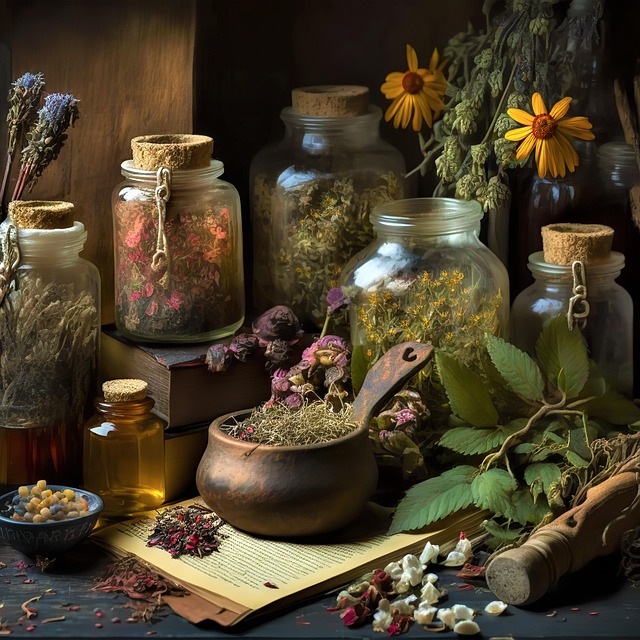
Natural Remedies for Cold and Flu: Your Comprehensive Guide to Holistic Healing
The unwelcome onset of a cold or the debilitating grip of the flu is a universal experience, disrupting daily life and sending countless individuals searching for relief. While modern medicine offers pharmaceutical interventions, there’s a growing inclination towards natural remedies that work in harmony with the body’s innate healing mechanisms. This article delves into a comprehensive array of natural strategies, exploring time-honored remedies and science-backed approaches for prevention, effective symptom relief, and accelerating recovery from common respiratory illnesses. By understanding how to leverage nature’s pharmacy, we empower ourselves to build resilient health and navigate cold and flu season with greater confidence.
The Power of Nature: An Introduction to Cold and Flu Remedies
The Common Cold vs. Influenza: Differentiating Symptoms
Understanding the distinction between the common cold and influenza (flu) is the first step in effective self-care. Both are viral respiratory illnesses, but they differ significantly in their causative viruses, symptom severity, and potential complications. Colds, primarily caused by rhinoviruses, tend to manifest gradually with milder symptoms such as a runny or stuffy nose, sneezing, sore throat, and a mild cough. Fever, if present, is usually low-grade. They rarely lead to serious health problems.
Influenza, on the other hand, is caused by influenza viruses and typically hits hard and fast. Symptoms are often more severe and include high fever (100°F or higher), body aches, chills, fatigue, headaches, and a dry cough. While nasal congestion and a sore throat can occur, they are usually overshadowed by the systemic symptoms. The flu carries a higher risk of serious complications like pneumonia, bronchitis, and sinus or ear infections, especially in vulnerable populations. Recognizing these differences is crucial for accurate self-assessment and determining the appropriate course of action, whether it’s managing symptoms naturally or seeking medical attention.
Why Natural Approaches? A Holistic Perspective
The increasing appeal of natural remedies stems from a desire for holistic wellness – an approach that considers the whole person, not just isolated symptoms. Rather than merely suppressing symptoms, natural strategies aim to support and strengthen the body’s natural defense systems, encouraging self-healing. This holistic perspective often leads to several benefits, including a reduced risk of side effects commonly associated with synthetic medications, and a greater sense of personal empowerment over one’s health journey.
Natural remedies often work synergistically, providing nutritional support, anti-inflammatory actions, and direct antiviral or antibacterial properties. They can help fortify the immune system, making it more robust in fending off future infections. Embracing natural approaches fosters a proactive stance on health, encouraging lifestyle choices that contribute to overall well-being year-round. It’s about nurturing the body’s innate ability to maintain balance and resilience, preparing it to effectively combat pathogens when they arise, and facilitating a quicker, smoother recovery when illness strikes.
Holistic Approaches to Combatting Cold and Flu: Nature’s Pharmacy
Understanding the Body’s Defense: Immune System Fundamentals
How the Immune System Fights Viral Infections
Our immune system is a complex network of cells, tissues, and organs that work together to protect the body from harmful invaders like viruses, bacteria, and other pathogens. When a viral infection occurs, the immune system mounts a multi-pronged attack. Initially, the innate immune system acts as the body’s first line of defense, deploying white blood cells like macrophages and natural killer cells to identify and destroy infected cells non-specifically. These cells also release cytokines, signaling proteins that trigger inflammation and alert other immune cells.
If the innate response isn’t sufficient, the adaptive immune system kicks in. This highly specific response involves T-cells and B-cells. T-cells directly kill infected cells or help coordinate the immune response, while B-cells produce antibodies—specialized proteins that recognize and neutralize specific viruses, preventing them from infecting more cells. This coordinated effort is crucial for clearing the infection and developing long-term immunity against that particular virus.
Factors that Weaken Immune Response
A robust immune system is our best defense, but several factors can compromise its efficacy, leaving us more susceptible to infections. Chronic stress, for instance, leads to elevated cortisol levels, a hormone known to suppress immune function over time. Inadequate sleep deprives the body of essential repair and regeneration cycles, significantly impairing immune cell production and activity. Poor nutrition, lacking vital vitamins, minerals, and antioxidants, can weaken immune cell function and overall resistance.
Environmental factors like exposure to toxins and pollutants, as well as an unhealthy gut microbiome, also play a role. Additionally, age is a significant factor, with both very young children and the elderly often having less efficient immune responses. Pre-existing health conditions such as diabetes, autoimmune disorders, and chronic lung diseases can further diminish immune resilience, making these individuals more vulnerable to severe cold and flu outcomes. Addressing these factors through lifestyle adjustments is paramount for maintaining a strong immune defense.
Herbal Heroes: Potent Plants for Symptom Relief and Immune Support
Nature provides an abundance of powerful herbs that have been used for centuries to combat cold and flu symptoms and bolster immune health. Integrating these ‘herbal heroes’ into your wellness routine can offer significant support when illness strikes or for proactive prevention.
Echinacea: Boosting Immunity and Reducing Duration
Echinacea, particularly species like Echinacea purpurea, is renowned for its immunomodulatory effects. Scientific studies suggest it can stimulate various immune cells, enhancing their ability to fight off infections. It’s often used at the first sign of a cold or flu to potentially reduce the severity and duration of symptoms. Optimal forms include tinctures, teas, or capsules, usually taken several times a day for a short period. While generally safe, individuals with autoimmune conditions or those on immunosuppressant drugs should consult a healthcare professional due to its immune-stimulating properties. Potential mild side effects include digestive upset or allergic reactions in sensitive individuals.
Elderberry: Antiviral Powerhouse and Antioxidant Benefits
Elderberry (Sambucus nigra) has gained widespread popularity for its potent antiviral properties. Research indicates that elderberry extract can inhibit viral replication, especially against influenza strains, by preventing viruses from entering host cells. It’s also rich in anthocyanins, powerful antioxidants that reduce inflammation and protect cells from damage. Elderberry is commonly consumed as a syrup, lozenge, or tea. Its high antioxidant profile not only aids in fighting infection but also supports overall cellular defense and recovery. It is widely regarded as safe for most people when consumed in appropriate doses, making it a staple in natural cold and flu prevention and treatment strategies.
Ginger: Soothing Sore Throats and Calming Nausea
Ginger (Zingiber officinale) is a multifaceted herb cherished for its potent anti-inflammatory and antiemetic (anti-nausea) properties. Its active compounds, gingerols and shogaols, can effectively soothe a sore throat, reduce congestion, and alleviate the nausea and vomiting often associated with the flu. Fresh ginger tea, made by simmering sliced ginger in water, is an excellent way to harness these benefits. Ginger chews can also provide quick relief for nausea. Beyond medicinal uses, incorporating ginger into your culinary repertoire can add a warming, therapeutic element to your diet during illness. Its natural warmth also helps promote circulation and break up mucus.
Garlic: Natural Antibiotic and Immune Enhancer
Garlic (Allium sativum) has been valued for millennia for its medicinal properties, often referred to as ‘nature’s antibiotic’. Its key active compound, allicin, released when garlic is crushed or chopped, exhibits broad-spectrum antimicrobial effects against bacteria, viruses, and fungi. Regular consumption of garlic can help enhance immune function, making the body more resistant to common infections. For maximum benefit, it’s often recommended to consume raw, crushed garlic, perhaps mixed with honey or in salad dressings. Garlic supplements are also available, standardized for allicin content, offering a convenient alternative for immune support. Cooking garlic reduces its allicin content, but it still retains some beneficial compounds.
Peppermint: Decongestant and Headache Reliever
Peppermint (Mentha piperita) is a refreshing herb primarily known for its menthol content, which acts as a natural decongestant and provides a cooling sensation. Inhaling the vapor from peppermint can help clear nasal passages and ease breathing, offering significant relief from sinus congestion. Its anti-inflammatory properties also make it effective in alleviating tension headaches often accompanying cold and flu. Peppermint tea is a popular choice for soothing symptoms. Diluted peppermint essential oil can be gently rubbed on the temples for headache relief or added to a steam inhalation for enhanced decongestion, though care must be taken with essential oils. Always dilute properly and avoid direct contact with mucous membranes.
Essential Nutrients: Vitamins and Minerals for Recovery
Beyond herbs, a strong foundation of essential vitamins and minerals is critical for supporting immune function and facilitating recovery from cold and flu. These micronutrients play vital roles in cellular processes that defend against pathogens and repair damaged tissues.
Vitamin C: The Immune System’s Best Friend
Vitamin C (ascorbic acid) is perhaps the most well-known immune-boosting nutrient. It’s pivotal for the proper functioning of various immune cells, including phagocytes and lymphocytes, which are crucial for fighting infections. Vitamin C is also a powerful antioxidant, protecting cells from oxidative stress during illness, and is essential for collagen formation, supporting the integrity of tissues. While dietary sources like citrus fruits, berries, kiwi, and bell peppers are abundant, supplementation during illness can help maintain optimal levels, potentially reducing the duration and severity of colds. However, extremely high doses can sometimes lead to digestive upset.
Vitamin D: Modulating Immune Response
Often called the ‘sunshine vitamin’, Vitamin D plays a critical role in modulating both innate and adaptive immune responses. It influences the expression of genes involved in immune cell regulation and has significant anti-inflammatory properties. Adequate Vitamin D levels are associated with a reduced risk of respiratory infections. Many individuals, especially in winter months or those with limited sun exposure, can be deficient. Sources include sunlight exposure, fortified foods (milk, cereals), and high-quality supplements. Regular testing can help determine optimal dosage for supplementation, making it a key component in a proactive immune support strategy.
Zinc: Shortening Cold Duration
Zinc is an essential trace mineral that plays a crucial role in immune function, involved in over 300 enzymatic reactions. It’s particularly effective in inhibiting viral replication and supporting the development and activity of immune cells. Studies suggest that zinc lozenges, when taken within 24 hours of cold symptom onset, can significantly shorten the duration of the common cold. Excellent food sources include legumes, nuts, seeds, whole grains, and meat. However, excessive zinc intake can be counterproductive and interfere with copper absorption, so it’s important to adhere to recommended dosages, especially with supplements.
Other Key Nutrients: Selenium and Magnesium
Beyond the well-known immune players, selenium and magnesium offer synergistic support for overall health and immune resilience. Selenium is a potent antioxidant and is crucial for thyroid function, which indirectly impacts immune health. It helps protect cells from damage and plays a role in regulating immune responses. Brazil nuts are an excellent source. Magnesium is involved in hundreds of biochemical reactions in the body, including those related to immune function, energy production, and nerve and muscle function. It can help reduce inflammation and improve sleep quality, both vital for recovery. Rich sources include dark leafy greens, nuts, seeds, and whole grains. Ensuring adequate intake of these micronutrients creates a robust cellular environment, ready to support the immune system.
Hydration and Warm Beverages: The Simple Yet Profound
Often overlooked in the pursuit of exotic remedies, proper hydration and the comfort of warm beverages are foundational elements of cold and flu recovery. Their benefits are simple yet profound, directly impacting symptom relief and overall healing.
The Importance of Water, Teas, and Broths
Maintaining adequate fluid intake is critical when battling a cold or flu. Hydration helps thin mucus, making it easier to expel, and keeps mucous membranes moist, which acts as a barrier against pathogens. Furthermore, fluids facilitate the removal of toxins from the body and prevent dehydration, a common risk, especially during fever or if experiencing digestive distress like vomiting or diarrhea with the flu. Water is paramount, but herbal teas and nutrient-rich broths also provide essential electrolytes lost through sweating and provide easily digestible nourishment. Dehydration can exacerbate symptoms like headaches, fatigue, and muscle aches, so consistent fluid intake is non-negotiable.
DIY Herbal Teas for Relief
Crafting your own herbal teas can offer targeted relief and a comforting ritual during illness. Chamomile tea is excellent for promoting relaxation and sleep, crucial for recovery. Thyme tea, with its expectorant properties, can help alleviate coughs. Licorice root tea is known for its anti-inflammatory and demulcent (soothing) effects, making it ideal for sore throats. Other beneficial herbs include ginger (anti-inflammatory, anti-nausea), peppermint (decongestant), and lemon balm (calming). Customizing these blends based on your specific symptoms allows for personalized therapeutic benefits. Always ensure the herbs are high-quality and safe for consumption.
Honey and Lemon: A Classic Combination
The time-honored combination of honey and lemon is more than just a soothing balm; it’s a potent natural remedy. Honey possesses natural antimicrobial properties and acts as an effective cough suppressant, coating the throat and reducing irritation. Studies have shown it can be as effective as over-the-counter cough medicines for children over one year old. Lemon provides a burst of Vitamin C, supporting immune function, and its acidity can help cut through mucus. A warm concoction of hot water, a spoonful of honey, and a squeeze of fresh lemon juice offers immediate relief for sore throats and coughs, making it a comforting and therapeutic staple during illness.
Inhalation and Topical Remedies: Breathing Easier and Soothing Aches
Direct application and inhalation methods offer immediate, localized relief for common cold and flu symptoms, particularly those affecting the respiratory system. These remedies can significantly ease congestion and discomfort.
Steam Inhalation: Clearing Nasal Passages
Steam inhalation is a simple yet incredibly effective way to clear congested nasal passages and soothe irritated airways. The warm, moist air helps to loosen thick mucus, making it easier to breathe and expel. Methods include leaning over a bowl of hot water with a towel draped over your head (being careful to avoid burns), using a humidifier in your room, or taking a steamy shower. For enhanced benefits, you can safely add a few drops of essential oils like eucalyptus or tea tree to the hot water. Always keep your eyes closed during facial steaming and avoid direct contact with the water. Regular steam sessions can reduce sinus pressure and alleviate a stuffy nose.
Essential Oils (Eucalyptus, Tea Tree): Topical and Aromatic Benefits
Certain essential oils possess powerful decongestant, antimicrobial, and anti-inflammatory properties, making them valuable allies against cold and flu. Eucalyptus oil, rich in cineole, is a well-known expectorant and can help open airways. Tea tree oil is lauded for its strong antimicrobial action. For topical application, always dilute essential oils with a carrier oil (like jojoba or coconut oil) before applying to the chest, back, or throat to create a soothing rub. For aromatic benefits, a few drops can be added to a diffuser to purify the air and aid breathing. Always ensure proper ventilation and follow dilution guidelines, especially around children or pregnant women.
Saline Nasal Rinses: Gentle Cleansing
Saline nasal rinses, using tools like Neti pots or pre-filled saline sprays, offer a gentle yet highly effective method for clearing nasal passages. This practice involves flushing the nasal cavity with a sterile saline solution, which helps to wash away mucus, allergens, and even viral particles, reducing the viral load in the sinuses. Regular rinsing can alleviate congestion, reduce post-nasal drip, and improve overall sinus health. It is crucial to use only sterile, distilled, or previously boiled and cooled water for saline rinses to prevent serious infections. Proper hygiene of the Neti pot or device is also paramount to ensure safety and efficacy.
Lifestyle Adjustments: Foundations for Faster Recovery
While natural remedies can provide symptom relief, foundational lifestyle adjustments are crucial for enabling the body to heal efficiently and effectively. These practices support the immune system’s primary repair mechanisms.
Rest and Sleep: The Body’s Primary Repair Mechanism
Perhaps the most underestimated natural remedy is simply getting enough rest and quality sleep. When we sleep, our bodies produce cytokines, proteins that target infection and inflammation, effectively creating an immune response. Sleep deprivation, conversely, can suppress these protective cytokines and reduce the production of infection-fighting antibodies. During illness, prioritizing sleep allows the body to redirect energy towards healing and immune cell production, significantly accelerating recovery. Create an optimal sleep environment by ensuring your room is dark, quiet, and cool, and avoid screens before bed. Listen to your body and honor its need for deep restorative rest.
Stress Management: Impact on Immune Function
Chronic stress has a well-documented detrimental effect on the immune system. When under stress, the body releases cortisol, a hormone that, in prolonged high levels, can suppress immune cell function and increase susceptibility to infections. Managing stress effectively is therefore a critical component of preventing and recovering from cold and flu. Incorporate stress-reducing techniques such as mindfulness meditation, deep breathing exercises, gentle yoga, or spending time in nature. Even short bursts of relaxation throughout the day can make a significant difference in lowering cortisol levels and bolstering immune resilience.
Gentle Movement vs. Rest: Knowing When to Push and When to Pause
During a cold or flu, knowing when to engage in gentle movement and when to opt for complete bed rest is key to optimal recovery. In the acute phase of illness, particularly with fever, body aches, or significant fatigue, complete rest is paramount. Pushing yourself too hard can prolong illness and even worsen symptoms. However, as symptoms begin to subside, very light activity, such as gentle stretching, a short walk, or simple household tasks, can improve circulation, lift mood, and prevent muscle stiffness. The golden rule is to listen to your body: if activity causes increased fatigue, shortness of breath, or a return of symptoms, it’s a clear signal to pause and rest. Never exercise vigorously when you have a fever or chest congestion.
Dietary Considerations: Fueling Recovery
What you eat plays a direct role in how well your body can fight off infection and recover. Focusing on nutrient-dense, easily digestible foods, while avoiding immune-suppressing culprits, is essential.
Anti-Inflammatory Foods
During illness, the body experiences inflammation as part of its immune response. However, excessive or prolonged inflammation can worsen symptoms and hinder recovery. An anti-inflammatory diet, rich in nutrient-dense fruits, vegetables, whole grains, and healthy fats, can help mitigate this. Incorporate berries, leafy greens, turmeric, fatty fish (omega-3s), and nuts. These foods provide a wealth of antioxidants, vitamins, and minerals that support immune function and reduce systemic inflammation, thereby alleviating symptoms like body aches and congestion. Prioritizing fresh, whole foods provides your body with the building blocks it needs for repair and defense.
Foods to Avoid During Illness
Just as important as what to eat is what to avoid. Certain foods can exacerbate symptoms, suppress immune function, or increase inflammation. Refined sugars and highly processed foods can impair white blood cell function and fuel inflammation, making it harder for your body to fight off infection. Excessive dairy can increase mucus production for some individuals, worsening congestion. Alcohol dehydrates the body and can suppress the immune system, prolonging recovery. During illness, focus on simple, clean foods that are easy to digest, allowing your body to conserve energy for healing rather than processing heavy or inflammatory meals.
Bone Broth and Soups: Nourishment and Hydration
Bone broth and homemade soups are traditional healing foods, and for good reason. They are rich in electrolytes, easily digestible protein (collagen, amino acids), vitamins, and minerals. Bone broth provides immune-supportive compounds like glutamine and glycine, which are beneficial for gut health—a cornerstone of a strong immune system. The warmth of soups is comforting and helps to clear nasal passages, while the fluids aid in hydration. Chicken noodle soup, a classic, offers a balanced combination of protein, carbohydrates, and nutrients, making it an ideal choice for fueling recovery and soothing the digestive system without taxing the body.
Ayurvedic and Traditional Chinese Medicine Perspectives
Ancient healing systems like Ayurveda and Traditional Chinese Medicine (TCM) offer profound insights into maintaining balance and bolstering immunity through natural means, emphasizing personalized approaches to health.
Balancing Doshas in Ayurveda for Wellness
Ayurveda, the ancient Indian system of medicine, views health through the lens of three fundamental energies or ‘doshas’: Vata, Pitta, and Kapha. Illness, including colds and flu, is seen as an imbalance in these doshas. A ‘Vata cold’ might involve dry coughs and chills, a ‘Pitta cold’ could manifest with fever and inflammation, while a ‘Kapha cold’ presents with heavy congestion and lethargy. Ayurvedic remedies are tailored to bring the specific dosha back into balance, using specific herbs, dietary adjustments, and lifestyle practices. For instance, warming spices and ginger for Vata, cooling herbs for Pitta, and decongestants for Kapha imbalances guide treatment, aiming for holistic restoration.
Qi and Meridians: TCM Approaches to Immunity
Traditional Chinese Medicine (TCM) operates on the principle of ‘Qi’ (life force energy) flowing through meridians (energy pathways) in the body. Immunity, in TCM, is governed by ‘Wei Qi’ or Defensive Qi, which circulates on the exterior of the body, protecting it from ‘external pathogens’ like cold and flu viruses. When Wei Qi is weak, the body becomes vulnerable. TCM addresses cold and flu by strengthening Wei Qi and expelling pathogens using specific herbal formulas (e.g., Yin Qiao San, Gan Mao Ling), acupuncture, and acupressure points. For instance, rubbing the area between the thumb and forefinger (Large Intestine 4 point) is a common acupressure technique for headache and congestion relief, aiming to restore balance and empower the body’s natural defenses.
Prevention is Key: Year-Round Immune Strengthening
The most effective strategy against cold and flu is prevention. By adopting consistent, healthy habits, you can build a robust immune system that is better equipped to ward off infections before they take hold.
Daily Habits for Robust Health
Building a strong immune system is a year-round commitment. It begins with a balanced diet rich in whole foods, ensuring a continuous supply of essential vitamins, minerals, and antioxidants. Regular, moderate exercise improves circulation and enhances immune cell activity, but avoid overtraining which can suppress immunity. Consistent, adequate sleep (7-9 hours for adults) is vital for immune repair and regulation. Practicing stress management techniques, such as meditation or mindfulness, helps mitigate the immune-depressing effects of chronic stress. Additionally, incorporating probiotics through fermented foods (kefir, sauerkraut) or supplements can support gut health, which is intricately linked to a healthy immune response. These daily habits collectively create a resilient internal environment.
Seasonal Preparations and Boosts
As seasons change, particularly heading into autumn and winter, proactively boosting your immune system becomes even more critical. This can involve increasing your intake of immune-supportive herbs like Echinacea or Elderberry for a few weeks as a preventative measure. Ensuring your Vitamin D levels are sufficient, especially when sunlight exposure decreases, is also crucial. Some individuals benefit from adaptogenic herbs like Ashwagandha or Rhodiola, which help the body adapt to stress and support overall vitality. These seasonal adjustments can give your immune system an extra edge when viral activity is typically higher, helping you stay ahead of potential infections.
Hygiene Practices: Handwashing and Surface Cleaning
The simplest and most effective defense against viral transmission remains meticulous hygiene. Frequent and thorough handwashing with soap and water for at least 20 seconds, especially after coughing, sneezing, or touching public surfaces, is paramount. If soap and water aren’t available, an alcohol-based hand sanitizer (at least 60% alcohol) can be used. Disinfecting high-touch surfaces in your home and workplace regularly—doorknobs, light switches, keyboards, phones—can significantly reduce the spread of viruses. Avoiding touching your face (eyes, nose, mouth) with unwashed hands also breaks the chain of transmission. These practices, though basic, form the frontline defense in preventing the spread of cold and flu.
Dispelling Myths: What Doesn’t Work and Why
In the realm of cold and flu remedies, many myths and misconceptions persist. Separating fact from fiction is essential for effective self-care and avoiding potentially harmful practices.
Common Misconceptions About Colds and Flu
One prevalent myth is that cold weather directly causes colds or flu. While cold weather can keep people indoors in closer proximity, increasing viral transmission, the actual cause is a virus, not the temperature itself. Another old wives’ tale suggests ‘starving a fever, feeding a cold.’ This is a dangerous misconception; adequate nutrition and hydration are vital for supporting the body’s healing processes during any illness, fever included. Vitamin C, while supportive, is not a ‘cure’ for a cold, nor will it prevent one entirely, especially when taken after symptoms have already begun. Understanding the true nature of these illnesses empowers us to make evidence-based choices for our health.
Why Antibiotics Are Ineffective for Viral Infections
A critical point of clarity is the fundamental difference between bacterial and viral infections. Colds and flu are viral, meaning they are caused by viruses. Antibiotics, by definition, are designed to kill or inhibit the growth of bacteria, not viruses. Therefore, taking antibiotics for a cold or flu is entirely ineffective and can be harmful. It contributes to antibiotic resistance, a major global health threat, where bacteria evolve to become immune to the drugs designed to kill them. Furthermore, antibiotics can disrupt the beneficial gut microbiome, which is crucial for immune health. Always consult a healthcare professional to determine the nature of your infection before considering any medication.
| Myth | Fact |
|---|---|
| Cold weather causes colds. | Colds are caused by viruses. Cold weather might increase indoor proximity, aiding transmission. |
| Antibiotics cure the flu. | Antibiotics target bacteria, not viruses. They are ineffective against colds and flu. |
| Vitamin C prevents all colds. | Vitamin C supports immunity, but doesn’t prevent all colds. It may slightly reduce duration/severity. |
| ‘Feed a cold, starve a fever.’ | Adequate nutrition and hydration are crucial for both colds and fevers to support recovery. |
When to Consult a Healthcare Professional
While natural remedies are incredibly supportive, it’s vital to recognize their limitations and understand when professional medical attention is necessary. Natural approaches are complementary, not substitutes for conventional medical care, especially in serious situations.
Recognizing Warning Signs and Severe Symptoms
Knowing when to seek medical help is crucial to prevent serious complications. You should consult a doctor if you experience a high persistent fever (above 102°F or 39°C that doesn’t respond to fever reducers), difficulty breathing or shortness of breath, severe chest pain, sudden dizziness or confusion, severe or persistent vomiting, or if your symptoms worsen significantly after initial improvement. For children, signs like blueish skin, not drinking enough fluids, not waking up or interacting, or unusual irritability warrant immediate medical attention. Early intervention can make a significant difference in outcomes for severe cases of flu.
Consider the following warning signs:
- High or persistent fever: Especially if it lasts more than a few days or spikes dramatically.
- Difficulty breathing or shortness of breath: A serious symptom requiring immediate attention.
- Persistent pain or pressure in the chest or abdomen: Could indicate complications.
- Sudden dizziness or confusion: A sign of severe illness.
- Severe or persistent vomiting: Leading to dehydration.
- Flu-like symptoms that improve but then return with fever and worse cough: May indicate a secondary bacterial infection.
- Worsening of chronic medical conditions: Such as heart disease or asthma.
Vulnerable Populations: Children, Elderly, Immunocompromised
Certain populations face a higher risk of severe complications from cold and flu, making prompt medical consultation even more critical. Infants and young children have developing immune systems and smaller airways, making them susceptible to respiratory distress. The elderly often have weaker immune responses and may have underlying health conditions that complicate recovery. Immunocompromised individuals, including pregnant women, those with chronic illnesses (e.g., asthma, diabetes, heart disease), or those undergoing chemotherapy, are at significantly higher risk. For these groups, natural remedies should always be discussed with a doctor, and professional medical guidance should be sought at the earliest signs of illness to ensure safety and prevent severe outcomes.
Integration of Natural and Conventional Care
The most effective approach often involves an integration of natural and conventional care. Natural remedies can beautifully complement prescribed treatments by supporting the body’s overall health and reducing side effects, but they should never replace necessary medical interventions. It’s crucial to have open and transparent communication with your doctor about all supplements, herbs, and natural therapies you are using. This ensures there are no potential interactions with medications or underlying health conditions. Working with healthcare professionals who understand and respect both natural and conventional approaches can provide the most comprehensive and safest care plan for your individual needs.
Personalized Approaches: Tailoring Remedies to Individual Needs
No two individuals are exactly alike, and what works wonders for one person may not be suitable for another. A personalized approach to natural remedies is essential for maximizing efficacy and ensuring safety.
Understanding Individual Sensitivities and Allergies
Before embarking on any new natural remedy, it’s crucial to consider individual sensitivities, allergies, and existing health conditions. For example, some people may be allergic to certain herbs like echinacea or chamomile, experiencing skin rashes or digestive upset. Individuals with specific medical conditions, such as autoimmune disorders, or those taking prescription medications, must exercise caution as some herbs can interact with drugs or exacerbate certain conditions. Always start with small doses, perform patch tests for topical applications, and carefully observe your body’s response. Consulting with a healthcare professional or an experienced herbalist is advisable, especially if you have known sensitivities or complex health concerns, to ensure the chosen remedies are both safe and appropriate for your unique physiology.
Consulting with Naturopaths or Herbalists
For those seeking a deeply personalized and holistic approach, consulting with qualified naturopaths or certified herbalists can be invaluable. These practitioners are trained to assess your individual constitution, health history, and current symptoms to recommend a tailored plan that may include specific herbal formulations, dietary modifications, and lifestyle adjustments. They can offer expert guidance on appropriate dosages, potential interactions, and the best forms of remedies to use. This personalized attention ensures that remedies are not just generic suggestions but are specifically aligned with your body’s needs, leading to more effective outcomes and a deeper understanding of your own health and well-being. Finding reputable practitioners with good credentials is key to receiving reliable advice.
Embracing Nature’s Wisdom: A Path to Resilient Health
Navigating the challenges of cold and flu season doesn’t have to be a battle fought solely with pharmaceutical interventions. As we’ve explored, nature offers a rich and diverse pharmacy of remedies, from powerful herbs and essential nutrients to the foundational practices of hydration, rest, and mindful living. These natural strategies don’t merely address symptoms; they work synergistically to fortify the body’s innate immune system, fostering a holistic approach to health that emphasizes prevention, resilience, and accelerated recovery.
From the immune-boosting prowess of elderberry and echinacea to the soothing comfort of ginger and honey, each remedy plays a unique role in supporting our well-being. Coupled with essential nutrients like Vitamin C, D, and Zinc, and the crucial restorative power of sleep and stress management, we equip our bodies with the tools needed to effectively combat viral invaders. Remember the importance of good hygiene, debunking common myths, and, crucially, knowing when to seek professional medical advice, especially for vulnerable populations or severe symptoms.
Ultimately, embracing natural remedies is about empowering ourselves to take an active role in our health. It’s about listening deeply to our bodies, understanding their signals, and thoughtfully integrating nature’s wisdom into our daily lives. By cultivating a proactive, personalized, and informed approach to cold and flu care, we not only alleviate current discomfort but also build a foundation for resilient, vibrant health for years to come. May this guide inspire you to explore the profound healing potential of the natural world, always in thoughtful consultation with your healthcare providers.