
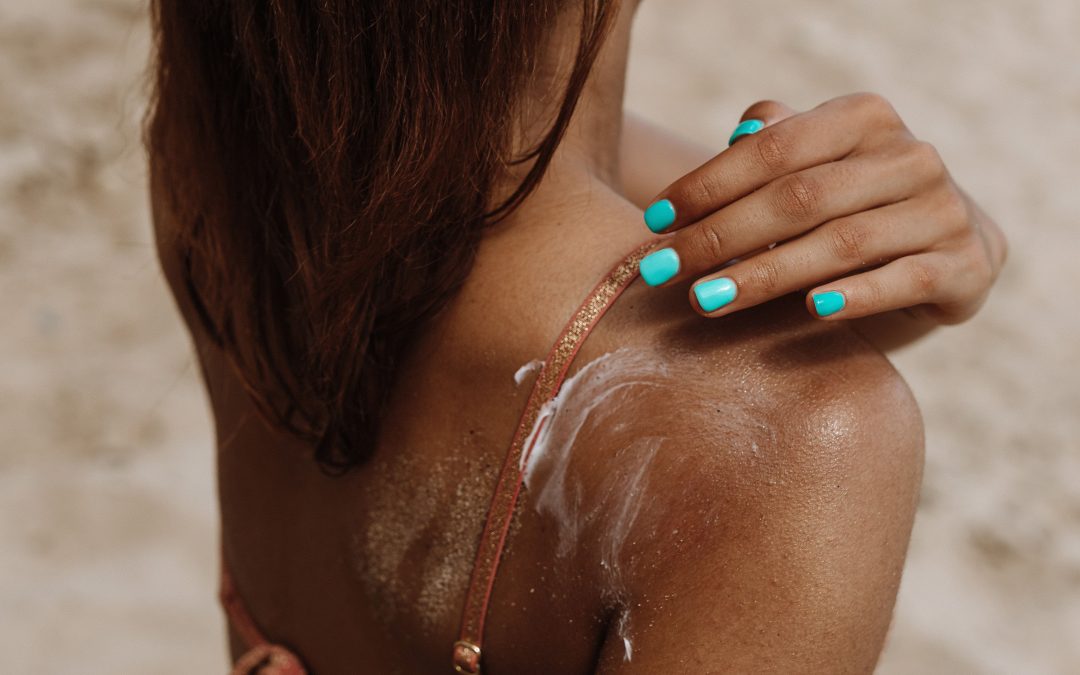
Quick Answer: The most effective sunburn home remedies for early relief are a cool (not ice-cold) compress or bath, a fragrance-free aloe vera gel or moisturizer applied to slightly damp skin, plenty of water to counter fluid loss, and an over-the-counter pain reliever like ibuprofen to ease swelling and discomfort. Avoid popping blisters, and avoid petroleum- or oil-based products on skin that’s still hot. Seek medical care for a high fever, chills, confusion, or blistering that covers a large area.
Anyone who has spent a little too long outside knows the timeline by heart: the skin looks fine for the first hour or two, then the warmth sets in, then the color, then — by evening — the kind of tenderness that makes even a bedsheet feel unwelcome. Sunburn is common, usually mild, and almost always avoidable in hindsight, but once it’s happened, the goal shifts from prevention to getting the skin through the next few days as comfortably as possible.
This guide covers what’s actually happening under the skin during a sunburn, the home remedies with real evidence behind them, the popular ones that don’t hold up, how to tell an ordinary sunburn from something that needs medical attention, and specific advice for the itching and peeling stages that often outlast the initial pain.
Why Trust This Guide?
This article draws on publicly available patient-education material from the American Academy of Dermatology, the Mayo Clinic, and Cleveland Clinic, along with their published guidance on sunburn first aid, sun poisoning, and the evidence (or lack of it) behind common remedies like aloe vera. It’s written for general education, not as a diagnosis or treatment plan, and doesn’t replace the judgment of a doctor or dermatologist. Sources are named throughout so you can verify anything yourself.
Key Takeaways
- Sunburn is UV-radiation damage to skin cells, not heat damage — it can develop even on cool, overcast days.
- Cooling the skin, moisturizing while damp, and hydrating are the three pillars of home care that actually help.
- Aloe vera soothes and moisturizes but does not reverse UV damage — research shows it performs similarly to a good plain moisturizer.
- Avoid popping blisters, “-caine” numbing sprays, and heavy petroleum- or oil-based products on fresh, unbroken sunburn.
- Sun poisoning is a severe sunburn reaction with symptoms like fever, chills, nausea, and dizziness — it needs medical attention, not just home care.
- Itching usually appears a few days in, as skin begins to heal and later peel; cool compresses, fragrance-free moisturizer, and antihistamines can help.
- Children dehydrate faster than adults during a sunburn and should be monitored more closely for fussiness, lethargy, or reduced urination.
- The best “remedy” for sunburn is prevention: broad-spectrum sunscreen reapplied every two hours, shade, and UV-protective clothing.
What’s Actually Happening in Sunburned Skin
Sunburn is the skin’s inflammatory response to UV radiation damaging its cells — not, as the name misleadingly suggests, a burn from heat. Ultraviolet light penetrates the outer layers of skin and injures the DNA inside skin cells; the redness, heat, and tenderness that follow are the immune system rushing blood and inflammatory compounds to the area to begin repairing that damage. This is also why sunburn can develop on a cool, cloudy day — the temperature outside has little to do with UV strength, and clouds block only a fraction of it.
The visible symptoms typically peak twelve to twenty-four hours after exposure, which is why skin that looked only mildly pink at the beach can look considerably worse by the next morning. As the damaged outer skin cells die off over the following days, peeling begins — an unpleasant but normal part of the skin clearing out the cells it can no longer repair.
Sunburn vs. Sun Poisoning: Knowing the Difference
Despite the name, “sun poisoning” isn’t a toxin reaction — it’s the term used for a severe sunburn response that behaves more like a systemic illness than a localized skin problem. According to Cleveland Clinic, an ordinary sunburn generally stays limited to redness, tenderness, and warmth in the affected skin. Sun poisoning goes further, adding symptoms like widespread blistering, nausea, dizziness, headache, chills, and sometimes fever — closer to how a bad allergic reaction or a flu might feel. Because the skin damage is often severe enough to cause significant fluid loss, dehydration is a real risk with sun poisoning in a way it usually isn’t with a routine sunburn.
The practical takeaway: mild-to-moderate redness and tenderness are appropriate to manage at home. Fever, chills, confusion, fainting, or blistering over a large portion of the body are signs to call a doctor rather than reach for another home remedy.
Immediate At-Home Remedies (First 24–48 Hours)
Cool the skin. A cool (not ice-cold) bath or shower, or a cool, damp cloth applied directly to the burn, is the single most effective first step. Cooling constricts blood vessels near the skin’s surface and takes some of the heat and sting out of an active burn. Ice or ice water should be avoided directly on the skin — it can add cold-related irritation on top of an already-inflamed area.
Add colloidal oatmeal, if you have it. An oatmeal bath — plain, unscented colloidal oatmeal stirred into cool bathwater — has long been used to calm irritated, inflamed skin, and dermatologists still recommend it as a comfort measure for sunburn, particularly when itching is present.
Moisturize while skin is still damp. Applying a fragrance-free moisturizer, aloe vera gel, or calamine lotion right after a cool bath — while the skin still holds some water — helps lock in hydration. Refrigerating the aloe gel beforehand adds an extra cooling effect that many people find especially soothing.
Be honest about what aloe vera does and doesn’t do. Aloe vera is the most recommended natural sunburn remedy for good reason — it’s soothing, hydrating, and contains antioxidants and mild anti-inflammatory compounds. But according to Cleveland Clinic dermatologist Dr. Lindsey Moore, multiple studies have found aloe performs about the same as a placebo when it comes to actually healing sunburned skin faster. It will not undo UV damage or speed up repair — what it does well is make the following few days more comfortable. Plain aloe gel (rather than scented aloe lotion, which often contains additives that can irritate compromised skin) tends to work best.
Take an anti-inflammatory pain reliever. Ibuprofen or aspirin, taken as soon as possible after overexposure and continued for a day or two as needed, can meaningfully reduce both the swelling and the discomfort of a sunburn — more so than a purely pain-blocking option like acetaminophen alone, though either can help with pain.
Hydrate more than usual. Sunburned skin pulls fluid toward the surface of the body, away from general circulation, which is part of why a bad sunburn can leave someone feeling drained or lightheaded. Extra water for a day or two helps offset this.
A brief 1% hydrocortisone cream, if needed. For a red, uncomfortable sunburn, an over-the-counter 1% hydrocortisone cream applied a few times a day for a few days can help calm inflammation, particularly for itching that develops as the burn progresses.
What to Avoid
- Popping blisters. Intact blisters are the body’s own protective bandage over healing skin underneath. Breaking them early raises the risk of infection and slows healing. If a blister breaks on its own, gently trim the loose skin and keep the area clean.
- “-Caine” numbing products (like benzocaine sprays). These over-the-counter anesthetic sprays are popular for instant relief, but they carry a meaningful risk of allergic skin reactions, especially on already-compromised sunburned skin, and dermatologists generally advise against them.
- Petroleum jelly or heavy oils on fresh, unbroken sunburn. While petroleum jelly has a place in protecting an already-broken blister, applying thick, oil-based products to hot, unbroken sunburned skin can trap heat against the skin and make the area feel worse rather than better.
- Tight clothing over the burned area. Friction against inflamed skin increases irritation and can worsen blistering.
- More sun exposure while healing. Sunburned skin is significantly more vulnerable to further UV damage until it has fully recovered — cover it or stay in the shade in the meantime.
Home Remedies for Itchy Sunburn
Itching is one of the most common — and most under-addressed — parts of the sunburn recovery process, usually showing up a couple of days in as the skin begins actively repairing and, later, peeling. A few things help specifically with this stage:
- Cool compresses, reapplied as needed, calm the nerve irritation that drives itching far more effectively than scratching, which can break already-fragile skin and introduce infection.
- Fragrance-free moisturizer, applied generously and often, keeps peeling skin from drying out further, since dry skin itches more than well-hydrated skin.
- An oral antihistamine (the kind used for allergies) can meaningfully reduce itch intensity for some people, particularly at night when itching tends to feel most disruptive to sleep.
- Colloidal oatmeal baths, again, are worth repeating during the itchy phase, not just the first day or two.
- Resist the urge to scratch or pick at peeling skin. It’s uncomfortable advice to give and harder to follow, but peeling naturally on its own timeline — rather than being pulled — reduces the risk of irritation, uneven healing, or infection in the fresh skin underneath.
Caring for Peeling Skin
Peeling typically starts three to eight days after a sunburn, as the skin sheds the outer cells it could no longer repair. It looks worse than it usually is — the skin underneath is simply new and more sensitive, not damaged again. Keep the area moisturized, resist picking at loose skin, and treat the newly exposed skin as extra vulnerable to sun exposure for several weeks, since it hasn’t yet built up its usual protective pigment.
A Note for Parents: Sunburn in Children
Children’s skin burns faster and their bodies dehydrate more quickly than adults’, which makes a bad sunburn a bigger deal in kids than the same-looking burn on an adult. Watch for unusual fussiness, lethargy, a dry mouth, or noticeably less frequent urination — all signs of dehydration that warrant closer attention or a call to a pediatrician. Blistering sunburn, or sunburn in an infant under one year old, generally warrants a medical evaluation rather than home treatment alone.
Preventing the Next One
Since every sunburn remedy is, at best, damage control, prevention does more for skin health than any home treatment ever will:
- Broad-spectrum SPF 30 or higher, applied generously and reapplied every two hours (more often after swimming or heavy sweating).
- Seeking shade during peak UV hours, roughly 10 a.m. to 4 p.m., when the sun’s rays are strongest.
- UV-protective clothing, hats, and sunglasses for extended time outdoors, which work continuously in a way sunscreen alone can’t once it wears off.
- Remembering reflective surfaces — water, sand, and snow all bounce UV rays back onto skin, which is part of why sunburns can be surprisingly severe on overcast beach days or ski trips.
Sunburn Myths, Debunked
“A base tan protects you from burning.” A tan is itself a sign of UV damage, and it offers only minimal, unreliable protection — roughly equivalent to a very low SPF. It is not a safe substitute for sunscreen.
“Vinegar or lemon juice will heal a sunburn.” Both are popular folk remedies, but neither has real evidence behind them, and both can irritate already-inflamed skin or increase sensitivity to further sun exposure. They’re best avoided.
“Butter or toothpaste soothes a burn.” This applies to heat burns as much as sunburn — both are outdated folk remedies that can trap heat against the skin and, in the case of toothpaste, introduce irritating ingredients into compromised skin.
“You can’t get sunburned through clouds or in winter.” UV radiation passes through cloud cover, and snow reflects it intensely, meaning sunburn is a year-round possibility, not just a summer beach risk.
Frequently Asked Questions
What is the fastest home remedy for a sunburn?
A cool bath or damp compress applied as soon as possible, followed by a fragrance-free aloe vera gel or moisturizer while the skin is still damp, brings the fastest noticeable relief for most people.
Does aloe vera actually heal sunburn?
Not in the sense of speeding up repair — research shows it performs similarly to a placebo for actual healing. What it reliably does is soothe and hydrate the skin, which makes the recovery period more comfortable.
How long does a sunburn take to heal?
A mild sunburn typically improves within three to five days, with peeling often starting around day three to eight as the damaged skin sheds. More severe sunburns can take one to two weeks to fully resolve.
Should I pop a sunburn blister?
No. Intact blisters protect the healing skin underneath and lower the risk of infection. If one breaks naturally, keep the area clean and avoid picking at the loose skin.
Why does my sunburn itch so much?
Itching usually signals the skin actively repairing itself and, later, preparing to peel. Cool compresses, fragrance-free moisturizer, and an oral antihistamine are the most effective ways to manage it.
What’s the difference between sunburn and sun poisoning?
Sunburn is typically limited to redness, warmth, and tenderness in the affected skin. Sun poisoning adds systemic symptoms like fever, chills, nausea, dizziness, or widespread blistering, and generally requires medical attention.
Can I use ice directly on a sunburn?
It’s better to avoid it. Ice or ice water can add cold-related skin irritation on top of the sunburn itself; a cool (not freezing) compress or bath is gentler and just as effective.
Is it safe to use hydrocortisone cream on a sunburn?
A short course of over-the-counter 1% hydrocortisone cream is generally considered safe for a few days to help calm inflammation and itching, though anyone with broken skin, an infection, or a large affected area should check with a doctor or pharmacist first.
When should I see a doctor for a sunburn?
See a doctor for a fever over 103°F, chills, confusion, dizziness, large blisters (especially on the face, hands, or genitals), signs of infection like pus or spreading redness, or any symptoms of sun poisoning.
When to See a Doctor
Most sunburns are uncomfortable but manageable at home within a week. Seek medical care for a high fever, chills, confusion, fainting, extensive blistering, signs of infection, or symptoms consistent with sun poisoning — these point to something that needs more than a cool compress and time. If you’re building a broader natural first-aid toolkit, our guide to migraine home remedies covers similar principles for a very different kind of pain.
This article is for general educational purposes and is not a substitute for professional medical advice. Informed by resources from the American Academy of Dermatology, the Mayo Clinic, and Cleveland Clinic.