
Natural Remedies for Leg Cramps: Fast Relief and Prevention Tips

Natural Remedies for Leg Cramps: Fast Relief and Prevention Tips

Quick Answer: When a leg cramp strikes at night, the fastest relief is to straighten the leg and gently pull your toes back toward your shin to stretch the calf, followed by massaging the muscle and applying heat. To prevent future cramps, stay hydrated, stretch your calves before bed, and avoid sitting or standing in one position for too long during the day. Most nighttime leg cramps are harmless, but see a doctor if they are frequent, severe, or come with swelling or muscle weakness.

Few things interrupt sleep as abruptly as a leg cramp. The calf muscle suddenly locks into a hard, painful knot, and the natural reaction is to jolt awake and grab your leg. Nocturnal leg cramps are extremely common, especially in older adults, pregnant women, and anyone who is very active or spends long hours on their feet.

This guide explains what’s actually happening in your muscle during a cramp, natural remedies for both quick relief and long-term prevention, and answers to the questions people ask most about leg cramps at night.

Why Trust This Guide?

The information here draws on published guidance from the Mayo Clinic and the Cleveland Clinic, and MedlinePlus from the National Institutes of Health, alongside common yoga and stretching practices used for muscle recovery. It is written for general education and does not replace a medical evaluation for cramps that are frequent or severe.

About This Guide

This article is prepared by the Spiritual Meditation Yoga editorial team, drawing on published guidance from the Mayo Clinic, the Cleveland Clinic, and MedlinePlus from the National Institutes of Health, alongside common yoga and stretching practices used for muscle recovery. It is reviewed for accuracy against current medical guidance and intended for general wellness education, not diagnosis.

Key Takeaways

  • Most nighttime leg cramps involve the calf muscle and are considered idiopathic, meaning there is no single identifiable cause.
  • Stretching and gently massaging the muscle is the fastest way to end a cramp already in progress.
  • Regular calf stretching, hydration, and movement breaks during the day are the best-supported ways to prevent them.
  • The evidence for magnesium or potassium supplements fixing cramps is weaker than commonly believed, though it may help if you’re genuinely deficient.
  • Frequent, severe, or one-sided cramps with swelling or weakness deserve a medical evaluation to rule out circulation or nerve issues.

What’s Actually Happening During a Leg Cramp

A muscle cramp is a sudden, involuntary contraction that doesn’t release right away, unlike a normal muscle contraction that relaxes as soon as the movement is finished. In the calf, this often happens when the muscle is already shortened, such as when your foot points downward under a blanket, and a small trigger, like a twitch or a change in nerve signaling during sleep, sets off a spasm that the muscle can’t immediately switch off.

Researchers believe the trigger point is usually at the nerve-to-muscle junction rather than in the muscle fibers themselves. When a muscle is already shortened and fatigued, the motor neurons that control it can become overexcitable, firing repeatedly instead of settling into the brief, controlled bursts a normal contraction requires. That runaway firing is what locks the muscle into the hard, painful knot you feel, and it’s also why a strong opposing stretch, which sends a competing signal through the nervous system, is often enough to interrupt it.

Doctors call most of these idiopathic nocturnal leg cramps, meaning there isn’t one clear cause. Contributing factors include muscle fatigue from standing or exercising during the day, sitting for long periods, dehydration, pregnancy, certain medications such as diuretics and statins, and simply getting older, since muscle and nerve changes over time make cramps more common. This is a different, though related, phenomenon from the exercise-associated muscle cramps athletes get during or right after intense activity, which are thought to involve a similar nerve-excitability mechanism brought on by fatigue rather than true electrolyte loss in most cases.

Who Gets Leg Cramps Most Often

Nocturnal leg cramps can happen to almost anyone, but some groups notice them far more frequently:

  • Older adults: Muscle mass and the length of tendons naturally change with age, and nerve signaling becomes less efficient, both of which raise cramp frequency substantially after age 50 or 60.
  • Pregnant women: Especially in the second and third trimesters, likely from a combination of weight change, altered circulation, and shifting fluid and mineral balance.
  • Athletes and highly active people: Long endurance events, hot weather, and muscle fatigue all raise the odds of a cramp during or shortly after exercise.
  • People with certain health conditions: Diabetes, peripheral artery disease, kidney disease (particularly those on dialysis), and thyroid disorders are all associated with more frequent cramping.
  • People on certain medications: Diuretics, statins, and some asthma inhalers have been linked to a higher likelihood of cramps in some users.

Common Signs of a Leg Cramp

  • A sudden, sharp tightening in the calf, foot, or thigh
  • A hard, visible knot or lump in the muscle
  • Pain that can linger as soreness for hours after the cramp passes
  • Cramps that wake you from sleep, often in the same leg repeatedly

9 Natural Remedies for Leg Cramps

1. Stretch the Muscle Immediately

As soon as a cramp starts, straighten your leg and pull your toes and foot back toward your shin, holding the stretch until the muscle releases. If it’s hard to reach your foot, loop a towel or belt around the ball of your foot and gently pull. This lengthens the shortened muscle fibers and is usually the fastest way to stop the spasm.

2. Massage and Knead the Muscle

Firmly rub and knead the cramped muscle with your hands to encourage it to relax and improve local blood flow. Working from the outer edges of the cramp toward the center can help the knot release faster than stretching alone in some cases.

3. Apply Heat, Then Consider Cold

A warm washcloth, heating pad, or warm shower directed at the cramped muscle helps it relax by increasing blood flow and easing tension. If soreness lingers afterward, a cold pack for 10 to 15 minutes can calm residual inflammation the way it would for any strained muscle.

4. Walk It Out

Gently walking on your heels for a few steps, or standing with weight on the affected leg, can interrupt the spasm by activating opposing muscles and stretching the calf under your own body weight.

5. Stay Well Hydrated During the Day

Dehydration is a commonly cited contributor to muscle cramping, particularly after exercise, in hot weather, or after drinking alcohol. Spreading water intake throughout the day, rather than catching up all at once in the evening, gives muscles a steadier supply of fluid.

6. Stretch Your Calves Before Bed

A short calf-stretching routine in the evening is one of the most consistently recommended ways to reduce how often nighttime cramps occur. Try a standing calf stretch against a wall, holding for 30 seconds on each side, or the yoga pose downward-facing dog, which lengthens the calves and hamstrings together.

7. Adjust Sleep Position and Bedding

Sleeping with your toes pointed can leave calf muscles in a shortened position all night, so try keeping the bedsheet and blankets loose at the foot of the bed rather than tucked tightly, which can push your feet into a pointed position. Side sleepers can place a pillow to keep the ankle in a more neutral angle.

8. Wear Supportive Footwear During the Day

Worn-out shoes, unsupportive flip-flops, or long stretches barefoot on hard floors can quietly overwork the calf and foot muscles. Switching to shoes with proper arch support, especially if you’re on your feet for hours at work, gives the same muscles a break they’d otherwise carry all day and into the night.

9. Try a Warm Epsom Salt Soak

A 15 to 20 minute foot and lower-leg soak in warm water with Epsom salt is a traditional remedy that combines two helpful elements: the warmth relaxes tight muscles, and some people find the magnesium sulfate in Epsom salt soothing, even though it isn’t well established that skin absorption delivers a meaningful dose of magnesium. As a relaxation ritual before bed, it’s a low-risk habit worth trying.

Foods That May Help Prevent Cramps

While supplements get most of the attention, getting key minerals from food is generally the safer first step and supports overall muscle and nerve health regardless of whether it eliminates cramps entirely.

  • Magnesium-rich foods: Spinach and other leafy greens, almonds, cashews, pumpkin seeds, and whole grains.
  • Potassium-rich foods: Bananas, potatoes with the skin on, oranges, and yogurt.
  • Calcium-rich foods: Dairy products, fortified plant milks, and leafy greens like kale.
  • Hydrating foods: Cucumber, watermelon, and citrus fruits, which contribute to fluid intake alongside water.

There is no strong evidence that any single food or supplement will eliminate cramps for everyone, but a diet that’s consistently low in these minerals is worth correcting regardless, and doing so through food first is generally preferred over high-dose supplements unless a doctor has identified a specific deficiency.

A Short Yoga Routine to Prevent Night Cramps

Adding a few gentle stretches to your evening routine can make cramps noticeably less frequent. Try this before bed:

  • Standing calf stretch: Hands on a wall, one leg back with the heel pressed down, 30 seconds each side.
  • Downward-facing dog: Hold for five slow breaths, pedaling the heels gently to stretch each calf.
  • Reclining big toe stretch: Lying down, loop a strap or towel around one foot and straighten the leg toward the ceiling, holding for 30 seconds each side.
  • Ankle circles: Ten slow circles in each direction, both feet, to loosen the surrounding muscles.

This kind of gentle, consistent stretching is one of the few preventive habits with fairly consistent support across clinical guidance for reducing how often nocturnal cramps occur.

When to See a Doctor

Occasional leg cramps are usually harmless, but book an appointment if you notice any of the following:

  • Cramps that are frequent, severe, or disrupt your sleep on a regular basis
  • Leg swelling, redness, or skin changes alongside the cramping
  • Muscle weakness or wasting in the affected leg
  • Cramps that started after beginning a new medication
  • Cramps alongside numbness or tingling, which can point to a nerve issue such as peripheral neuropathy

A doctor can also check whether an underlying condition, such as diabetes, thyroid disease, or a circulation problem, is contributing to frequent cramping.

Frequently Asked Questions

Why do leg cramps happen more at night?

Lying down with the foot in a relaxed, pointed position shortens the calf muscle, and reduced movement during sleep may make it easier for a spasm to take hold and harder for the body to interrupt it early, unlike during the day when you’re constantly shifting position.

Do magnesium supplements actually stop leg cramps?

The evidence is weaker than popular belief suggests. Some studies show a modest benefit, particularly in pregnancy, while others show little difference from a placebo. It’s reasonable to discuss a trial with your doctor, especially if your diet is low in magnesium-rich foods like leafy greens, nuts, and whole grains.

Does pickle juice really help with cramps?

Small studies in athletes have found that a small amount of pickle juice can shorten a cramp’s duration surprisingly quickly, possibly by triggering a nerve reflex in the throat rather than through its electrolyte content. It’s a low-risk option worth trying if you keep some on hand.

Are leg cramps in pregnancy different?

Pregnant women are more prone to leg cramps, especially in the third trimester, likely due to changes in circulation, added weight, and shifting mineral needs. The same stretching and hydration strategies apply, and magnesium supplementation has somewhat better evidence specifically in pregnancy, though it should be discussed with a prenatal provider first.

Can dehydration alone cause leg cramps?

Dehydration is one contributor but rarely the only one; most nighttime cramps involve a combination of muscle fatigue, position, and individual susceptibility. Still, staying consistently hydrated is a simple, low-risk habit that supports overall muscle function.

How long does a typical leg cramp last?

Most cramps ease within a few minutes once you stretch and massage the muscle, though the area can feel tender or sore for a day afterward, similar to recovering from a hard workout.

Can certain medications cause leg cramps?

Yes. Diuretics, statins, and some asthma and osteoporosis medications have been linked to a higher risk of muscle cramping in some people. If cramps started soon after a new prescription, it’s worth mentioning to the prescribing doctor rather than stopping the medication on your own.

Is it safe to keep exercising if I get leg cramps?

Generally yes, especially if cramps are mild and infrequent. Easing into activity with a proper warm-up, staying hydrated, and gradually building up intensity rather than jumping into hard exertion can reduce exercise-related cramping.

Are leg cramps a sign of poor circulation?

Occasionally. Cramping that happens specifically during walking and eases with rest, known as claudication, can point to peripheral artery disease and is worth mentioning to a doctor. Ordinary nighttime cramps, however, are usually unrelated to circulation problems and are far more common than circulation-related cramping.

Should I stretch every day even if I only get cramps occasionally?

It’s a reasonable habit either way. Daily calf and hamstring stretching takes only a few minutes, carries essentially no downside, and has some of the most consistent support of any preventive measure for reducing how often nocturnal cramps show up over time.

Related Natural Remedies to Explore

Looking for more natural relief guides? See our articles on natural remedies for eye strain, homemade remedies for a sore throat, and our full collection of home remedy guides.


Healing Yoga: Benefits, Poses & How It Supports Wellness

Healing Yoga: Benefits, Poses & How It Supports Wellness

Healing Yoga: What It Is, What It Can (and Can’t) Do, and How to Begin

After a stressful week, there’s a particular kind of relief that comes from lying still on a mat, breathing slowly, and feeling your shoulders finally drop away from your ears. That feeling has a name: healing yoga — a gentle, restorative approach to practice that puts calm, recovery and the mind-body connection ahead of flexibility or fitness. It isn’t about touching your toes or holding a perfect pose. It’s about using slow movement, breath and stillness to help your body and mind settle and repair.

But healing yoga is also one of the most over-hyped terms in wellness, with some sources promising it can “cure” serious diseases or “unblock energy.” This guide takes a calmer, more honest path. You’ll learn what healing yoga genuinely is, what the science actually supports, how traditional ideas fit in, and six beginner-friendly poses to help you start — realistically and safely — today.

⏱ Time needed: 15–30 minutes  · 
🎚 Difficulty: Beginner  · 
🧘 Equipment: a mat (cushions optional)  · 
🕐 Best time: evening or after stress

Quick Answer

Healing yoga is a gentle, restorative style of yoga that uses slow movement, deep breathing and mindful stillness to reduce stress and support the body’s natural recovery. Rather than chasing fitness goals, it calms the nervous system, eases tension and improves emotional wellbeing. Research supports its benefits for stress, mood and relaxation — though it complements, rather than replaces, medical care.

✅ Why you can trust this guide

Many “healing yoga” articles overpromise — claiming cures for serious diseases. This one doesn’t. We clearly separate what the evidence shows (e.g. research summarised by the US National Center for Complementary and Integrative Health on yoga for stress and wellbeing) from traditional teachings about energy and balance, which are spiritual concepts rather than proven mechanisms. Written and reviewed by the Spiritual Meditation Yoga Editorial Team. Educational only — not medical advice.

Key Takeaways

  • Healing yoga is gentle and restorative — recovery over performance.
  • It works largely by calming the nervous system through slow breath and movement.
  • Evidence supports benefits for stress, mood, sleep and relaxation.
  • Claims that it cures diseases or “unblocks energy” are not scientifically established.
  • It’s suitable for most fitness levels, with modifications for every pose.
  • Use it alongside — never instead of — medical treatment.


What Is Healing Yoga?

Healing yoga isn’t a single trademarked style — it’s an approach that prioritises restoration and the mind-body connection over athletic achievement. Where a vigorous flow class aims to build strength and heat, healing yoga slows everything down. It leans on gentle postures, long held stretches, conscious breathing and deliberate relaxation to help release physical tension and quieten a busy mind. Styles often grouped under this umbrella include restorative yoga, yin yoga and gentle hatha, frequently supported with props like bolsters and blankets so the body can fully let go.

The core idea is simple and appealing: when you give your body a calm, supported space and slow your breathing, you shift out of “fight or flight” and into a state where recovery becomes easier. That’s the sense in which yoga “heals” — not by curing illness directly, but by creating the conditions in which your body and mind can better look after themselves.

What the Evidence Actually Supports

Let’s be precise, because this is where most articles lose their footing. Research — including reviews summarised by the US National Center for Complementary and Integrative Health (NCCIH) — indicates that yoga can genuinely help with:

  • Stress reduction and improved sense of wellbeing.
  • Anxiety and low mood — as a helpful complementary practice.
  • Sleep quality, particularly gentle evening practice.
  • Chronic low-back and neck pain, where gentle yoga is often recommended.
  • Balance, flexibility and body awareness.

These are meaningful, well-supported benefits. What the evidence does not establish is that yoga cures conditions like asthma, diabetes or heart disease, or that it works by “unblocking energy.” Being honest about this line is exactly what makes a healing-yoga practice trustworthy — and keeps it safe.

Tradition vs Science: An Honest Look

Healing yoga carries centuries of spiritual tradition, and those ideas deserve respect — but they shouldn’t be dressed up as science. Here’s a clear separation:

Concept Traditional teaching What science says
“Unblocking energy” (prana) Poses free stuck life-force so healing can flow Prana is a spiritual concept, not measured by science; the felt benefit is real and likely nervous-system based
Balancing body–mind–spirit Practice unites the whole self Mind-body practices measurably reduce stress and improve mood
Self-healing The body heals itself when balanced Relaxation supports recovery, but yoga complements — not replaces — medical care

How Healing Yoga Calms the Nervous System

The most credible explanation for why healing yoga feels so restorative is physiological, not mystical. Slow, deep breathing and gentle movement stimulate the parasympathetic nervous system — the “rest and digest” mode — and help switch off the chronic “fight or flight” state that stress keeps us stuck in. As that shift happens, heart rate can slow, blood pressure can ease, muscles relax and the mind quietens. Deep breathing also engages the vagus nerve, which plays a key role in calming the body. This is the real, evidence-aligned “healing” mechanism: not unblocking mysterious energy, but gently returning an overstimulated system to balance.

6 Gentle Healing Yoga Poses for Beginners

These beginner-friendly poses form the backbone of a restorative practice. Move slowly, breathe deeply, and never push into sharp pain.

Group 1 · Grounding

Settle and arrive

  • Child’s Pose (Balasana). Kneel, sit back towards your heels and fold forward, arms extended or by your sides. Deeply calming for mind and lower back. Rest here and breathe.
  • Cat–Cow (Marjaryasana–Bitilasana). On hands and knees, gently arch and round the spine with your breath. Releases back tension and links movement to breathing.

Group 2 · Gentle Opening

Release tension softly

  • Supine Twist. Lie on your back, drop both knees to one side, arms wide. Eases the spine and aids relaxation. Repeat on both sides.
  • Legs-Up-the-Wall (Viparita Karani). Lie down with legs resting up a wall. Wonderfully restful, helps tired legs and signals the body to relax.

Group 3 · Deep Rest

Complete the practice

  • Supported Reclining Bound Angle. Lie back over a cushion or bolster, soles of the feet together, knees relaxed open. A deeply restorative heart-and-hip opener.
  • Corpse Pose (Savasana). Lie flat, arms relaxed, eyes closed, and simply breathe for 5 minutes. The most important “pose” — it lets the whole practice absorb.


healing yoga

A Simple 15-Minute Healing Yoga Routine

  1. Child’s Pose — 2 minutes. Arrive and slow your breath.
  2. Cat–Cow — 2 minutes. Warm and mobilise the spine.
  3. Supine Twist — 2 minutes (1 each side). Release the back.
  4. Legs-Up-the-Wall — 3 minutes. Deep rest for legs and mind.
  5. Supported Reclining Bound Angle — 3 minutes. Open and soften.
  6. Savasana — 3 minutes. Total stillness to finish.

Breathe slowly throughout — a longer exhale than inhale deepens the calming effect.

Real Case Study: Yoga for Stress and Wellbeing

The background: Chronic stress shows up in the body as tension, poor sleep, headaches and difficulty concentrating. Researchers and clinicians have studied whether regular yoga can measurably ease it.

What the reviews show: According to research summarised by the US National Center for Complementary and Integrative Health, yoga can help reduce stress, support mental wellbeing, and improve sleep and quality of life. Osteopathic physicians note that regular practice creates mental clarity and calm, relieves chronic stress patterns and sharpens concentration — precisely the outcomes healing yoga aims for.

The honest takeaway: This is where healing yoga’s reputation is genuinely earned. The evidence points to real benefits for stress, mood and relaxation — not to disease cures. Framed that way, healing yoga is a powerful, safe, everyday tool for looking after your mind and body, exactly as far as the science supports and no further.

Safety & Who Should Take Care

Situation Take care
Pregnancy Avoid deep twists and lying flat on the back later in pregnancy; seek a prenatal-trained teacher and check with your midwife.
Injury, back/neck problems or recent surgery Get medical clearance and work with a qualified teacher; modify or skip poses that cause pain.
High or low blood pressure, glaucoma Be cautious with inversions (even legs-up-the-wall); ask a professional first.
Any ongoing medical condition Use healing yoga to support wellbeing alongside your treatment — never as a replacement.

Never push into sharp or shooting pain. This article is educational and is not a substitute for professional medical advice.

Editor’s Insights

  • The real “medicine” is the exhale — lengthen it and the calm follows.
  • Props aren’t cheating; a bolster lets your body actually let go.
  • Consistency beats intensity — 15 gentle minutes daily outperforms an occasional long class.
  • Judge a session by how you feel afterwards, not by how “deep” you got.

Frequently Asked Questions

What is healing yoga?

Healing yoga is a gentle, restorative approach to yoga that uses slow movement, deep breathing and mindful stillness to reduce stress and support the body’s natural recovery. It prioritises calm and the mind-body connection over fitness or flexibility, and often uses props for comfort and deep relaxation.

Can healing yoga cure illness?

No. Healing yoga is not a cure for any disease. What the evidence supports is that it helps reduce stress, improve mood and sleep, and ease some chronic pain — creating conditions that support wellbeing. It should always be used alongside, not instead of, medical treatment.

Is healing yoga good for beginners?

Yes — it’s one of the most beginner-friendly styles. The poses are gentle, slow and easily modified, and there’s no need for strength or flexibility to start. A short daily routine of restful poses like child’s pose and legs-up-the-wall is a perfect entry point.

How often should I practise healing yoga?

Even 15 minutes a day can make a noticeable difference to stress and relaxation. Consistency matters more than length, so a short, regular practice is more valuable than an occasional long session. Evening practice is especially good for winding down and sleep.

What’s the difference between healing yoga and regular yoga?

Regular yoga styles often focus on building strength, stamina and flexibility through active movement. Healing yoga slows things right down, emphasising restoration, breathing and relaxation. It’s less about what your body can do and more about helping it release tension and recover.

Does healing yoga really “unblock energy”?

“Unblocking energy” is a traditional spiritual concept, not a scientifically measured mechanism. The very real calm and relief people feel is best explained by yoga activating the body’s relaxation response through slow breath and gentle movement. We respect the tradition while being clear about the science.

Can healing yoga help with anxiety and sleep?

Research suggests yoga can help ease anxiety and improve sleep quality as a complementary practice. Its slow breathing and relaxation calm an overactive nervous system, which supports both a quieter mind and better rest. For significant anxiety, use it alongside professional support.

Related Reading

Final Thoughts

Healing yoga earns its name not through miracles but through something quietly powerful: giving your body and mind permission to slow down and recover. Approached honestly — as a gentle practice that eases stress, lifts mood and supports wellbeing, rather than a cure for illness — it becomes one of the most accessible self-care tools you have. Roll out a mat this evening, move slowly, breathe deeply, and let the stillness do its work.

About the Author

Written and reviewed by the Spiritual Meditation Yoga Editorial Team. We publish clear, responsible content on yoga, meditation, mindfulness and holistic wellbeing — always separating traditional teachings from evidence-based information, and encouraging readers to seek professional care when it matters.

This content is for educational purposes only and is not a substitute for professional medical advice. If you have a health condition, are pregnant, or are recovering from injury, consult a qualified professional before starting a new practice.
Last reviewed: September 2026

References


Peppermint Tea for Nausea: Benefits & How It May Help

Peppermint Tea for Nausea: Benefits & How It May Help

Peppermint Tea for Nausea: Does It Really Work?

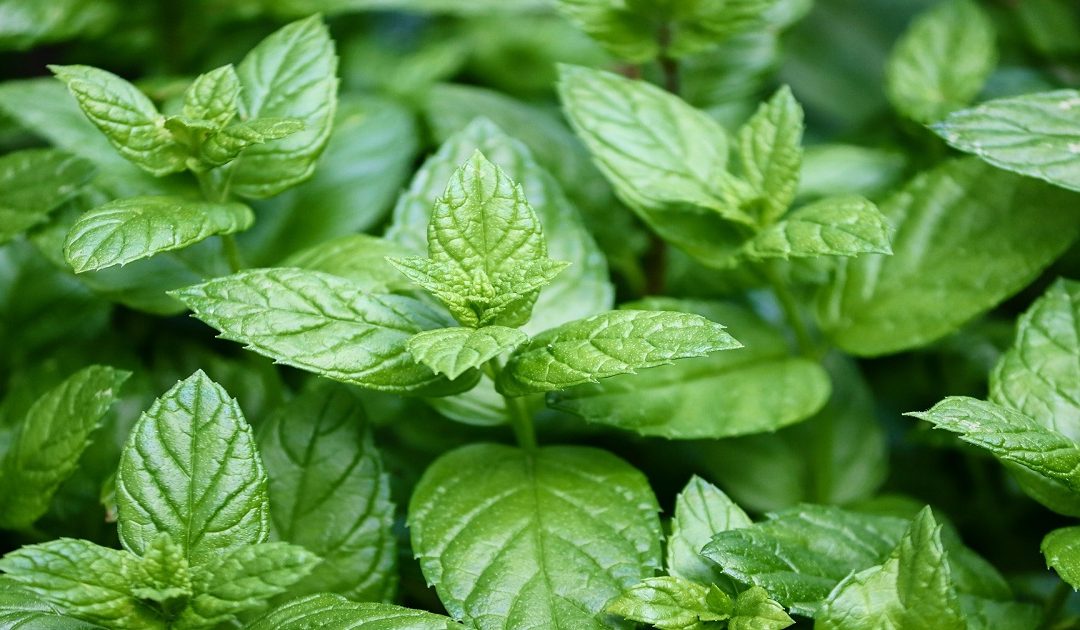
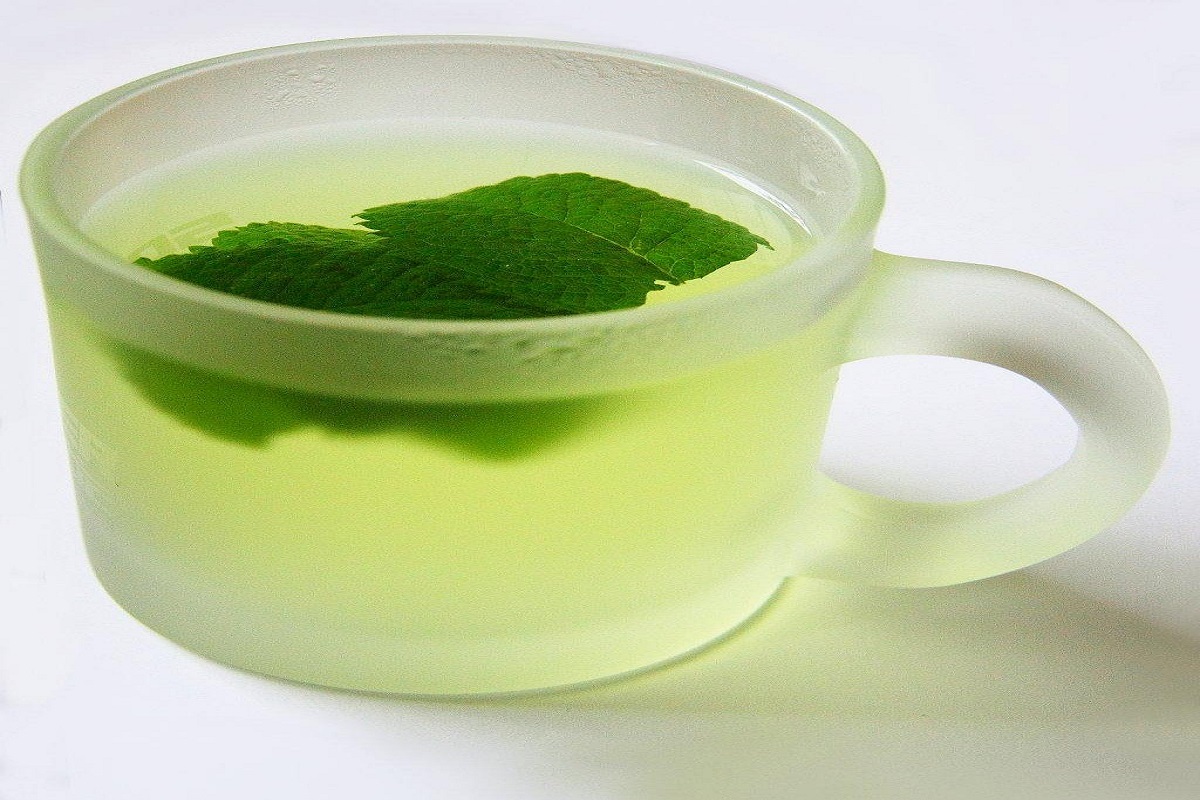
When your stomach is churning and the thought of food makes it worse, a warm, minty cup can feel like the gentlest possible rescue. Peppermint tea for nausea is one of the oldest and most reached-for home remedies in the world — but does it actually work, or is it just a comforting ritual? The honest answer is a little of both, and knowing the difference will help you use it well.

In this guide we cut through the hype. You’ll learn what the science genuinely supports (and where it’s thinner than most blogs admit), exactly how to brew peppermint tea for the best effect, which types of nausea it helps most, and — importantly — who should be cautious or avoid it altogether, including anyone with reflux or in pregnancy. Let’s settle your stomach, and the confusion, at the same time.

⏱ Brew time: 5–10 minutes  · 
🎚 Difficulty: Very easy  · 
🍵 You’ll need: peppermint tea or fresh leaves  · 
☕ Caffeine: naturally caffeine-free

Quick Answer

Peppermint tea may help ease mild nausea, especially when it’s linked to indigestion, bloating or an upset stomach. The menthol in peppermint relaxes the stomach muscles and can calm queasiness. Most strong evidence is for peppermint oil rather than the tea, but the tea is a gentle, low-risk option to try — sip it slowly and warm. Avoid it if you have acid reflux.

✅ Why you can trust this guide

Unlike many articles that overstate the benefits, this guide is transparent about the evidence — including the fact that most research is on peppermint oil, not tea. It draws on medically reviewed sources and clinical research summaries, separates what’s proven from what’s traditional, and flags who should avoid peppermint. Written and reviewed by the Spiritual Meditation Yoga Editorial Team. Educational only — not a substitute for personal medical advice.

Key Takeaways

  • Peppermint tea can soothe mild nausea, especially digestion-related queasiness.
  • Menthol relaxes stomach muscles and may ease the spasms behind nausea.
  • Most robust evidence is for peppermint oil/aromatherapy, not the tea specifically.
  • It’s naturally caffeine-free and low-risk for most adults.
  • Avoid if you have acid reflux/GERD — peppermint can make it worse.
  • In pregnancy, ginger has better evidence and safety data — check with a professional first.


Does Peppermint Tea Help Nausea?

For many people, yes — peppermint tea can take the edge off mild nausea, particularly the kind that comes with indigestion, bloating or a feeling of fullness after eating. It has been used for this purpose for centuries, and its calming effect on the digestive tract is well recognised. What it is not is a guaranteed fix for every cause of nausea, and it’s fair to say the popular internet claims often run ahead of the actual research. Used sensibly, though, it’s a gentle, pleasant and low-risk thing to try when your stomach feels off.

How It Works: The Science of Menthol

Peppermint’s active ingredient is menthol, and this is where its stomach-settling reputation comes from. Menthol has natural antispasmodic properties, meaning it helps relax the smooth muscles of the digestive tract. When those muscles relax, the cramping and spasms that often accompany nausea can ease, and trapped gas moves more comfortably. Peppermint may also have mild anti-inflammatory effects that soothe an irritated stomach lining, and some researchers believe it can gently interfere with the nausea signals travelling to the brain. Together, these effects explain why a warm cup can feel so calming when you’re queasy.

What the Evidence Really Says (the Honest Bit)

Here’s the nuance most articles skip. The strongest scientific evidence for peppermint and nausea comes from studies on peppermint oil and aromatherapy — not peppermint tea. For example, research has found that inhaling peppermint oil can reduce nausea, including after surgery. Studies looking specifically at the tea are far more limited.

That doesn’t mean the tea is useless. Because peppermint tea contains the same active compounds in gentler form, it’s reasonable to expect similar, milder benefits — and mild digestive comfort is exactly what medically reviewed sources consider its most credible use. The honest summary: peppermint tea is a low-risk remedy with plausible, modest benefit for mild nausea, rather than a clinically proven cure. That transparency is precisely why you can trust it as a first, gentle step — and know when to reach for something stronger.

Evidence limitation: Direct trials on peppermint tea for nausea are scarce, and results across peppermint studies are mixed. It’s a sensible thing to try for mild symptoms, but persistent or severe nausea always needs proper medical assessment.

How to Brew Peppermint Tea for Nausea

Getting the most from your cup is simple — but a few small choices make a real difference.

Method 1 · The Simple Cup

Tea bag (quickest)

  1. Choose a good-quality tea made with real peppermint leaves, not artificial flavour.
  2. Pour freshly boiled water over one bag and cover the cup.
  3. Steep for 5–10 minutes — longer steeping means more menthol.
  4. Remove the bag and sip slowly while warm. Don’t gulp.

Method 2 · Fresh & Stronger

Fresh peppermint leaves

  1. Lightly crush 10–15 fresh peppermint leaves to release the oils.
  2. Steep in a cup (about 240 ml) of hot water for 10–15 minutes.
  3. Strain and sip slowly.
  4. Avoid adding milk or heavy ingredients, which can aggravate nausea.

Method 3 · Add the Aroma

Use the smell too

  • Since inhaling peppermint aroma has the strongest evidence, breathe in the steam as you sip.
  • Cup the mug in your hands and take slow, deep breaths of the minty vapour.
  • This pairs the tea’s internal effect with peppermint’s proven aromatherapy benefit — a small tweak most people never think to try.

Which Types of Nausea It Helps (and Doesn’t)

Type of nausea Likely to help?
Indigestion, bloating, fullness after eating ✅ Best case — this is peppermint’s strength
Mild stomach upset, motion sickness ✅ Often helpful
Nausea from acid reflux / GERD ❌ May worsen it — avoid
Severe nausea from serious illness ❌ Needs medical treatment, not tea


Peppermint Tea for Nausea

Real Case Study: Peppermint for Post-Surgery Nausea

The study: Nausea and vomiting are common and distressing after surgery. In a frequently cited clinical study, researchers looked at whether inhaling peppermint oil could reduce these symptoms in post-operative patients, compared with a control.

What was found: Patients who simply inhaled the aroma of peppermint reported a significant reduction in nausea. The effect came from the scent and its active compounds — a strikingly simple, drug-free intervention.

Why it matters for your cup: This is the clearest evidence peppermint can influence nausea — and it’s for the aroma. It’s exactly why we suggest breathing in the steam as you drink your tea: you get peppermint working through both routes at once. It also honestly frames expectations — a warm cup at home is a gentle version of what worked in the study, not a clinical dose.

Who Should Avoid Peppermint Tea

If you… Take care
Have acid reflux or GERD Peppermint relaxes the valve at the top of the stomach, which can let acid rise and worsen reflux. Best avoided.
Are pregnant Ginger has stronger safety and efficacy evidence for morning sickness. Check with your midwife or doctor before using peppermint regularly.
Take regular medication or have a liver condition Very large amounts of peppermint can be a concern; herbal remedies can interact with conditions and medicines. Ask a pharmacist.
Have persistent or severe nausea Don’t self-treat — nausea that won’t settle, or comes with other symptoms, needs medical evaluation.

This article is for educational purposes only and is not a substitute for professional medical advice.

Peppermint vs Ginger: Which Should You Choose?

  Peppermint tea Ginger tea
Best for Indigestion-related nausea, bloating Morning sickness, motion & chemo nausea
Evidence strength Moderate (mostly for the oil) Stronger, including in pregnancy
Pregnancy Use cautiously; ask first Generally preferred choice
Watch out Can worsen reflux Strong flavour; very high doses not advised

If reflux is part of your nausea, choose ginger. If bloating and fullness are the issue, peppermint is a great first try.

Editor’s Insights

  • Breathe the steam as you sip — the aroma has the best evidence of all.
  • Sip slowly; drinking too fast can unsettle an already-queasy stomach.
  • Skip the milk — it can make nausea worse, not better.
  • If peppermint gives you heartburn, that’s your cue to switch to ginger.

Frequently Asked Questions

Does peppermint tea actually help with nausea?

It can help with mild nausea, especially when it’s linked to indigestion or bloating. The menthol in peppermint relaxes stomach muscles and eases spasms. Most strong evidence is for peppermint oil rather than tea, but the tea is a gentle, low-risk option worth trying for mild symptoms.

How long does peppermint tea take to work for nausea?

Many people feel some relief within 15 to 30 minutes of sipping a warm cup slowly. Breathing in the minty steam as you drink may help sooner. If your nausea doesn’t ease at all, or keeps returning, it’s worth seeking medical advice rather than repeatedly self-treating.

Can I drink peppermint tea for nausea during pregnancy?

Some pregnant people find it helpful, but ginger has stronger evidence and safety data for morning sickness. Because peppermint can, in large amounts, have effects that aren’t fully studied in pregnancy, check with your midwife or doctor before using it regularly.

Why does peppermint tea make my heartburn worse?

Peppermint relaxes the ring of muscle between the stomach and the oesophagus. That can allow stomach acid to rise, worsening reflux and heartburn. If you have GERD or reflux-related nausea, peppermint is best avoided — ginger or plain warm water is a safer choice.

How much peppermint tea can I drink a day?

For most adults, a cup or two a day is generally considered fine as part of normal hydration, and it’s naturally caffeine-free. Very large amounts aren’t recommended, and if you have a health condition or take medication, ask a pharmacist about what’s sensible for you.

Is peppermint tea or peppermint oil better for nausea?

Peppermint oil, particularly inhaled as aromatherapy, has the strongest research support. The tea contains the same active compounds in a gentler form, so it’s a milder option. A nice trick is to drink the tea while breathing in its steam, combining both effects.

What can I drink instead of peppermint tea for nausea?

Ginger tea is the best-evidenced alternative, especially for morning sickness and motion sickness. Chamomile tea is gently soothing, and plain warm water or a little honey-and-lemon can also settle a mild upset stomach. Choose ginger if reflux is involved.

Related Reading

Final Thoughts

Peppermint tea for nausea is a lovely example of a remedy that is gentle, comforting and reasonable to try — as long as you keep your expectations honest. For mild, digestion-related queasiness it may genuinely help, and breathing in its aroma adds a research-backed bonus. Just remember its two limits: skip it if you have reflux, and don’t rely on it for severe or persistent nausea, which deserves proper medical attention. Brew a cup, breathe deep, and sip slowly.

About the Author

Written and reviewed by the Spiritual Meditation Yoga Editorial Team. We publish clear, responsible content on natural wellbeing, herbal remedies, yoga and mindfulness — always separating what the evidence supports from traditional or anecdotal claims, and pointing readers to professional care when it matters.

This content is for educational purposes only and is not a substitute for professional medical advice. Consult a pharmacist or doctor if nausea is severe, persistent, or you are pregnant.
Last reviewed: September 2026

References

Homemade Remedy for Sore Throat: Easy Natural Relief

Homemade Remedy for Sore Throat: Easy Natural Relief

Homemade Remedy for Sore Throat: 9 Soothing Fixes That Actually Work

That first scratchy, razor-blade swallow in the morning is unmistakable — a sore throat has arrived, usually with the worst possible timing. Before you reach for the pharmacy shelf, your kitchen probably already holds everything you need. A good homemade remedy for a sore throat won’t magically cure the infection behind it, but it can genuinely ease the pain, calm the inflammation and help you feel human again while your body does the healing.

In this guide you’ll find nine simple, science-informed remedies you can make at home in minutes — from the humble honey-and-lemon to a properly measured salt-water gargle — plus the popular “remedies” that are a waste of your time, and the clear NHS red flags that mean it’s time to stop self-treating and call a professional. Let’s get that throat feeling better.

⏱ Time to prepare: 2–5 minutes  · 
🎚 Difficulty: Very easy  · 
🫖 You’ll need: honey, salt, lemon, tea  · 
🔁 Repeat: gargle every few hours

Quick Answer

The most effective homemade remedies for a sore throat are a warm salt-water gargle (½ teaspoon of salt in a glass of warm water), a spoonful of honey in warm water or tea, and soothing warm drinks such as honey-and-lemon or ginger tea. These ease pain and inflammation while a viral sore throat clears on its own, usually within a week.

✅ Why you can trust this guide

This guide is grounded in guidance from the NHS, Cleveland Clinic and peer-reviewed research indexed on PubMed. We’re clear about what home remedies can and cannot do — they soothe symptoms, they don’t cure infections — and we include the official NHS advice on when to seek medical help. Written and reviewed by the Spiritual Meditation Yoga Editorial Team. It is educational and not a substitute for personal medical advice.

Key Takeaways

  • Most sore throats are viral and clear on their own within about a week — antibiotics usually aren’t needed.
  • Homemade remedies soothe symptoms; they don’t cure the underlying infection.
  • A salt-water gargle and honey are the two best-supported home fixes.
  • Warm and cold liquids both help — use whichever feels better to you.
  • Never give honey to a baby under 1 year old.
  • See a GP if symptoms don’t improve after a week, or sooner with a high fever or trouble breathing.


What Causes a Sore Throat?

A sore throat (pharyngitis) is the painful inflammation of the tissues at the back of your throat, and it is one of the most common reasons people feel unwell. The overwhelming majority are caused by viruses — the same ones behind colds and flu — which is why antibiotics usually don’t help. Research indexed on PubMed notes that acute sore throat is largely self-limiting, with a typical duration of around seven days, and that bacterial causes such as streptococcus account for only a minority of cases.

Because the cause is usually viral, the goal of a homemade remedy isn’t to “kill” anything — it’s to reduce pain and inflammation and keep the throat moist and comfortable while your immune system does the real work. Smoking, dry indoor air and shouting can all make it worse.

9 Homemade Remedies That Actually Work

Here are nine kitchen-cupboard remedies, grouped by how quickly and easily you can reach for them.

Tier 1 · The Essentials

Best-supported, reach-for-these-first

  • Salt-water gargle. Dissolve ½ teaspoon of salt in a glass of warm water and gargle for 15–30 seconds, then spit. It reduces swelling, loosens mucus and helps clean the throat. Repeat every few hours. (Not for young children who may swallow it.)
  • Honey. A teaspoon on its own or stirred into warm water coats and soothes the throat, and honey has natural antibacterial and mild cough-easing properties. Never give to babies under 12 months.
  • Honey and lemon in warm water. Add a teaspoon of lemon juice for a vitamin-C lift and to help cut through mucus — a classic, comforting combination.

Tier 2 · Soothing Sips

Warm & cold drinks that comfort

  • Herbal teas. Chamomile is naturally soothing, peppermint can have a mild numbing effect, and ginger tea is a long-standing favourite for throat and cough comfort.
  • Warm broth or soup. Chicken or vegetable broth is gentle to swallow, hydrating and nourishing when eating feels hard.
  • Cold liquids or ice lollies. If warmth isn’t appealing, cold can numb the pain and reduce inflammation just as effectively — try iced water or a chilled herbal tea.

Tier 3 · Environment & Extras

Support your throat around the clock

  • Steam / a hot shower. Steam loosens mucus and moisturises a dry, irritated throat — especially helpful if you’ve been mouth-breathing at night.
  • A humidifier. Adding moisture to dry indoor air stops the throat drying out overnight.
  • Rest and hydration. The unglamorous winners: fluids keep the throat moist, and rest gives your immune system what it needs to clear the virus.

How to Make the Perfect Salt-Water Gargle

  1. Add ½ teaspoon of salt to a glass (about 240 ml) of warm water and stir until dissolved.
  2. Take a mouthful — don’t swallow it.
  3. Tilt your head back and gargle at the back of your throat for 15–30 seconds.
  4. Spit it out into the sink.
  5. Repeat with the rest of the glass, then rinse your mouth with plain water.
  6. Use every 3 hours or so for relief. Optional: a pinch of baking soda can further soothe and help break up mucus.

Popular “Remedies” That Aren’t Worth It

Not every viral home tip earns its reputation. A few to skip:

  • Colloidal silver. Health bodies have found no quality evidence it helps, and it can be genuinely harmful — avoid it.
  • Large amounts of apple cider vinegar, undiluted. It’s widely hyped, but drinking it neat can irritate the throat and erode tooth enamel. Evidence for a real benefit is thin.
  • Antibiotics “just in case.” For a viral sore throat they won’t speed recovery and can cause side effects. They’re only useful for confirmed bacterial infection.


homemade remedy for a sore throat

Real Case Study: What the Evidence Says About Honey

The background: Honey is one of the few kitchen remedies with repeated clinical attention. Reviews of randomised trials — including work summarised by Oxford-based researchers and widely reported — have examined honey for upper-respiratory symptoms such as cough and sore throat, common companions of the same viral illnesses.

What was found: Across these trials, honey generally performed as well as or better than usual care (including some over-the-counter options) for easing cough frequency and severity in upper-respiratory infections — at a fraction of the cost and with few downsides for anyone over one year old.

The takeaway for your throat: It supports what grandparents always knew — a spoon of honey is a legitimately reasonable first move, not just folklore. It won’t shorten the infection, but for symptom relief it’s cheap, pleasant and backed by more evidence than most remedies on the shelf. (Remember: never for infants under 12 months.)

Common Mistakes to Avoid

  1. Expecting an overnight cure. A sore throat from a cold or flu can last up to a week or more. Remedies soothe; they don’t switch it off.
  2. Swallowing the salt-water gargle — or giving it to a young child who might. Gargle and spit only.
  3. Giving honey to a baby. Honey is unsafe for children under 12 months due to the risk of infant botulism.
  4. Overdoing apple cider vinegar. Neat or too often, it can irritate the throat and damage teeth.
  5. Ignoring red-flag symptoms. Difficulty breathing or swallowing saliva is never one to “wait out” — see the next section.

When to See a GP or Call 111 (NHS Guidance)

Most sore throats need no medical care. But according to NHS advice, you should take further action in these situations:

What’s happening What to do
Sore throat hasn’t improved after a week; you feel hot and shivery; or you have a very high temperature See a GP (or ask a pharmacist first — they can treat sore throats and don’t need a prescription)
You have a weakened immune system (e.g. chemotherapy, diabetes, HIV) Contact your GP — don’t wait it out
A lump in the neck, or a mouth ulcer lasting more than 3 weeks; a sore throat lasting 3–4 weeks See a GP, who may refer you for tests
Difficulty breathing, making a high-pitched sound when breathing, or trouble swallowing your own saliva; drooling This is urgent — call 999 or go to A&E. Do not drive yourself.

This article is for educational purposes only and is not a substitute for professional medical advice. If in doubt, contact NHS 111 or your GP.

Editor’s Insights

  • Warm vs cold is personal — genuinely try both and let your throat pick the winner.
  • The salt-water gargle is boring and unbeatable; consistency (every few hours) beats any single fancy remedy.
  • A pharmacist is an underused shortcut in the UK — they can treat a sore throat without a GP appointment.
  • Hydration is a remedy in itself; a dry throat always hurts more.

Frequently Asked Questions

What is the fastest homemade remedy for a sore throat?

A warm salt-water gargle usually gives the quickest noticeable relief — mix half a teaspoon of salt into a glass of warm water, gargle for up to 30 seconds and spit. It reduces swelling and soreness on contact. Honey in warm water is a close second for fast, soothing comfort.

Does honey really help a sore throat?

Yes. Honey coats and soothes the throat and has natural antibacterial properties, and clinical reviews suggest it eases cough and upper-respiratory symptoms as well as or better than some standard options. It won’t cure the infection, but it’s a well-supported comfort remedy. Never give honey to a baby under 12 months.

How long does a sore throat usually last?

Most viral sore throats improve within about a week. Some, especially after flu, can linger a little longer. If yours hasn’t started to improve after seven days, or you have a high temperature, it’s worth speaking to a pharmacist or GP.

Should I use warm or cold drinks for a sore throat?

Either can help — it’s down to personal preference. Warm drinks loosen mucus and soothe the back of the throat, while cold drinks and ice lollies numb pain and reduce inflammation. Try both and use whichever feels more comfortable for you.

Can I cure a sore throat overnight at home?

No remedy cures a sore throat overnight, because the underlying viral infection needs time to clear. What home remedies do well is relieve the pain and irritation meanwhile, so you’re more comfortable and can rest and recover.

Do I need antibiotics for a sore throat?

Usually not. Most sore throats are viral, and antibiotics don’t help viral infections — they only work for confirmed bacterial ones and can cause side effects. A pharmacist or GP can assess whether antibiotics are appropriate in your case.

Is apple cider vinegar good for a sore throat?

It’s popular, but the evidence is weak, and drinking it undiluted can irritate your throat and erode tooth enamel. If you try it, dilute a small amount well in warm water. Salt water and honey are safer, better-supported choices.

When should a sore throat be treated as an emergency?

Seek urgent help (call 999 or go to A&E) if you have difficulty breathing, make a high-pitched sound when breathing, cannot swallow your own saliva, or are drooling. These can signal a serious airway problem and should never be managed at home.

Related Reading

Final Thoughts

A sore throat is miserable but rarely serious, and the best homemade remedy for a sore throat is usually the simplest: gargle salt water, sip honey and warm drinks, stay hydrated and rest. These won’t rush the virus out the door, but they’ll make the wait far more bearable. Keep the NHS red flags in mind, lean on your pharmacist when needed — and let your body do the rest.

About the Author

Written and reviewed by the Spiritual Meditation Yoga Editorial Team. We publish clear, responsible content on natural wellbeing, remedies, yoga and mindfulness — always separating what the evidence supports from traditional or anecdotal claims, and pointing readers to professional care when it matters.

This content is for educational purposes only and is not a substitute for professional medical advice. Always consult a pharmacist, GP or NHS 111 if you are worried about your symptoms.
Last reviewed: September 2026

References

  • NHS — Sore throat (self-care and when to get help).
  • NHS inform (Scotland) — Sore throat.
  • Cleveland Clinic — Sore Throat Remedies That Actually Work.
  • Penn State Health — Five home remedies to soothe your sore throat.
  • PubMed Central — Acute Sore Throat (self-limiting course, viral cause, antibiotic guidance), PMC8245861.


Natural Remedies for Mouth Sores That Genuinely Help

Natural Remedies for Mouth Sores That Genuinely Help

Natural Remedies for Mouth Sores That Genuinely Help

Eating breakfast stings, talking feels like an effort, and even your own toothbrush suddenly feels like the enemy — a mouth sore has a way of making an ordinary day genuinely uncomfortable. If you’re searching for natural remedies for mouth sores, the good news is that most canker sores heal on their own within one to two weeks, and a few genuinely soothing, low-risk remedies can ease the pain while that happens. This guide covers what actually helps, the well-meaning remedies that sting more than they soothe, how to tell a common canker sore apart from something that needs a dentist’s attention, and simple habits that reduce how often they come back.

Quick Answer

For mouth sore relief, rinse gently with warm salt water two to three times a day, avoid spicy, acidic, or rough-textured foods while it heals, and use a soft-bristled toothbrush. Honey applied directly can also soothe pain. Most canker sores heal within one to two weeks on their own; a sore lasting longer, an unusually large sore, or one with fever needs a dentist or doctor’s attention.

Key Takeaways

  • Warm salt water rinses are one of the simplest, most consistently recommended remedies.
  • Most canker sores heal within one to two weeks without any treatment at all.
  • Some popular remedies (like alum powder) can sting significantly and aren’t necessary for mild sores.
  • Avoiding spicy, acidic, and rough foods reduces irritation while a sore heals.
  • Canker sores are not contagious, unlike cold sores, which are a different condition entirely.
  • Frequent or unusually large mouth sores are worth mentioning to a dentist.

Why Trust This Guide

This guide was written and reviewed by the Spiritual Meditation Yoga Editorial Team. We’ve deliberately left out stinging, aggressive remedies like alum powder that some sites recommend without much caveat, focusing instead on gentle, well-established options, and we’ve been clear about the point where a mouth sore needs a dentist’s eyes on it rather than another home remedy.

Canker Sores vs. Cold Sores: Knowing the Difference

Most “mouth sores” people search for natural remedies for are canker sores (aphthous ulcers) — small, round, yellowish-white sores inside the mouth, on the cheeks, tongue, or gums. They’re not contagious and are often linked to minor mouth injury, stress, acidic or spicy foods, or nutritional factors.

Cold sores are a different condition entirely — caused by the herpes simplex virus, they typically appear on or around the lips (not usually inside the mouth) and are contagious. The remedies below are for canker sores; cold sores need a different approach and, if frequent or severe, a conversation with a doctor about antiviral options.

natural remedies for mouth sores

Remedies That Genuinely Soothe the Pain

  • Warm salt water rinse: Dissolve a small amount of salt in warm water and gently swish for around 30 seconds, a few times a day. This is one of the simplest, gentlest, most consistently recommended remedies.
  • Honey: Dabbed directly onto the sore, honey has natural soothing properties and can ease discomfort for many people.
  • Cold compress or ice chip: Gently holding something cold near the sore (not pressed hard against it) can numb pain temporarily.
  • Chamomile tea compress: A cooled, damp chamomile tea bag held gently against the sore can have a soothing effect for some people.
  • Yoghurt with live cultures: Some people find plain yoghurt soothing and supportive for general mouth comfort, particularly if sores seem linked to digestive factors.

Editor’s Insight: Gentleness matters more than intensity here — remedies that sting on application (like undiluted apple cider vinegar or alum powder) don’t necessarily heal the sore any faster, they just make the days until it heals more uncomfortable.

Foods and Habits to Avoid While Healing

  • Spicy and acidic foods — citrus, tomatoes, and spicy dishes can irritate an already-sensitive sore.
  • Crunchy or rough-textured foods — crisps, toast, and similar foods can physically catch or scrape the sore.
  • Hard-bristled toothbrushes — switch to soft-bristled while healing, and brush gently around the area.
  • Very hot drinks — can increase discomfort around an already-irritated sore.

Reducing How Often They Come Back

Since stress, minor mouth injury, and certain foods are common triggers, a few habits can meaningfully reduce how often canker sores recur: managing stress levels, using a soft-bristled toothbrush consistently (not just during a flare-up), being mindful with foods that have triggered sores before, and maintaining generally good oral hygiene. If sores recur frequently, it’s worth mentioning to a dentist, since nutritional factors (like vitamin B12, iron, or folate levels) are sometimes involved.

Common Mistakes That Make Mouth Sores Worse

Mistake 1: Using aggressive, stinging remedies on a mild sore. Why it happens: stronger-feeling remedies seem like they should work better. Why it matters: irritants like alum powder or undiluted vinegar sting significantly without necessarily speeding healing. Better approach: start with gentle options like salt water and honey.

Mistake 2: Picking at or repeatedly touching the sore. Why it happens: it’s an almost automatic habit when something feels uncomfortable. Why it matters: repeated irritation can delay healing and increase pain. Better approach: let it heal undisturbed and avoid probing it with your tongue or fingers.

Mistake 3: Continuing to eat known trigger foods. Why it happens: it’s easy to forget in the moment. Why it matters: spicy or acidic foods can re-irritate the sore and prolong discomfort. Better approach: avoid known triggers until the sore has fully healed.

Mistake 4: Assuming it’s “just a canker sore” without checking the pattern. Why it happens: canker sores are so common that most people don’t think twice. Why it matters: sores that are unusually large, don’t heal within a couple of weeks, or recur very frequently can indicate something worth a dentist’s attention. Better approach: track how often and how severely they occur, and mention a changing pattern to a dentist.

Mistake 5: Confusing a canker sore with a cold sore. Why it happens: both are commonly called “mouth sores.” Why it matters: cold sores are contagious and need a different approach, including care not to spread them. Better approach: canker sores are inside the mouth and not contagious; cold sores usually appear on the lip edge and are contagious — treat them differently.

A Real-World Scenario: Healing a Canker Sore

Illustrative Scenario

This is a composite example built from common experiences, not a verified individual case. Sofia, a 24-year-old who noticed a painful sore inside her cheek after accidentally biting it, started warm salt water rinses three times a day and switched to a soft-bristled toothbrush immediately. On day 1–2, eating was still uncomfortable, especially anything acidic, so she avoided citrus and spicy food entirely. By day 5, the sharpest pain had eased significantly, though the sore was still visible. By day 10, it had fully healed, following the typical one-to-two-week timeline for an uncomplicated canker sore.

Noticeable pain reduction within the first week, with full healing by around ten to fourteen days, is the typical pattern for an uncomplicated canker sore, though timelines vary and a sore that doesn’t follow this pattern is worth a dentist’s attention.

Which Remedy Fits Your Situation?

Your Situation Try This
Mild discomfort, early stage Warm salt water rinse, 2–3 times daily
Sharp pain when eating Honey dabbed directly, avoid trigger foods
Wanting quick, temporary numbing Cold compress or ice chip, held gently
Frequent recurring sores Review stress levels, toothbrush type, and mention the pattern to a dentist
Sore on the outer lip, tingling before appearing Likely a cold sore, not a canker sore — different care needed

Comparison: Mouth Sore Remedies by Comfort Level

Remedy Comfort Level Notes
Warm salt water rinse Gentle, mild sting Good first choice for most people
Honey Very gentle Pleasant taste, easy to apply
Chamomile tea compress Very gentle Cool the tea bag first
Cold compress/ice Gentle, temporary numbing Don’t press hard or hold too long
Alum powder / undiluted vinegar Noticeably stings Not necessary for mild sores; skip unless a dentist suggests it

Mouth Sore Relief Checklist

Checklist 1: When It Appears

  • Start warm salt water rinses, 2–3 times a day
  • Switch to a soft-bristled toothbrush
  • Avoid spicy, acidic, and rough-textured foods
  • Resist the urge to touch or probe it

Checklist 2: While It Heals (1–2 Weeks)

  • Keep rinsing consistently, not just when it hurts
  • Track how many days it’s taken so far
  • Note if it’s unusually large or painful compared to past sores
  • Book a dentist visit if it hasn’t healed within two weeks

When to See a Dentist or Doctor

Important Safety Note

See a dentist or doctor if a mouth sore lasts longer than two to three weeks, is unusually large, keeps recurring frequently, comes with a fever, or makes it difficult to eat or drink. These can be signs of a different underlying cause that needs proper assessment rather than continued home care. This guide is educational and isn’t a substitute for professional medical or dental advice.

Frequently Asked Questions

What’s the fastest natural remedy for a mouth sore?

A warm salt water rinse a few times a day is one of the gentlest, most consistently helpful options, alongside dabbing a little honey directly onto the sore.

Does honey really help mouth sores?

Yes, for many people — honey has natural soothing properties and can ease discomfort when applied directly to a canker sore a few times a day.

How long do canker sores usually last?

Most canker sores heal on their own within one to two weeks, even without treatment, though remedies can ease the discomfort during that time.

What’s the difference between a canker sore and a cold sore?

Canker sores appear inside the mouth and aren’t contagious, while cold sores typically appear on the outer lip, are caused by a virus, and are contagious.

What foods should I avoid with a mouth sore?

Avoid spicy, acidic, and rough-textured foods, which can irritate the sore further and slow how comfortable the healing process feels.

Are mouth sores a sign of a vitamin deficiency?

Sometimes — frequent canker sores are occasionally linked to low vitamin B12, iron, or folate levels, which is worth mentioning to a dentist or doctor if sores keep recurring.

When should I see a dentist about a mouth sore?

See a dentist if a sore lasts more than two to three weeks, is unusually large, recurs frequently, or comes with fever or difficulty eating.

Sources & References

  • General principles reflect widely recognised, low-risk approaches to canker sore relief (salt water rinses, honey, avoiding trigger foods) and standard dental guidance on when a mouth sore needs professional assessment. Readers with sores that are unusually large, frequent, persistent, or accompanied by fever should consult a dentist or doctor rather than rely on home remedies alone.

About the Author

Written and reviewed by the Spiritual Meditation Yoga Editorial Team. We publish educational content on natural wellness, meditation, yoga, mindfulness, spirituality, and holistic wellbeing, prioritising clear explanations, responsible guidance, and a transparent distinction between general home-care tips and situations that need professional medical or dental attention.

This content is for educational purposes only and is not a substitute for professional medical or dental advice.

Last reviewed: September 2026

Conclusion

Most mouth sores are uncomfortable rather than serious, and heal on their own within one to two weeks with a little gentle support — warm salt water, honey, and avoiding trigger foods do most of the work without any need for stinging, aggressive remedies. Keep an eye on the pattern, and let a sore that’s unusually large, frequent, or slow to heal be your signal to see a dentist rather than reach for another home fix.