
Homemade Remedy for Sore Throat: 9 Soothing Fixes That Actually Work
That first scratchy, razor-blade swallow in the morning is unmistakable — a sore throat has arrived, usually with the worst possible timing. Before you reach for the pharmacy shelf, your kitchen probably already holds everything you need. A good homemade remedy for a sore throat won’t magically cure the infection behind it, but it can genuinely ease the pain, calm the inflammation and help you feel human again while your body does the healing.
In this guide you’ll find nine simple, science-informed remedies you can make at home in minutes — from the humble honey-and-lemon to a properly measured salt-water gargle — plus the popular “remedies” that are a waste of your time, and the clear NHS red flags that mean it’s time to stop self-treating and call a professional. Let’s get that throat feeling better.
⏱ Time to prepare: 2–5 minutes ·
🎚 Difficulty: Very easy ·
🫖 You’ll need: honey, salt, lemon, tea ·
🔁 Repeat: gargle every few hours
Quick Answer
The most effective homemade remedies for a sore throat are a warm salt-water gargle (½ teaspoon of salt in a glass of warm water), a spoonful of honey in warm water or tea, and soothing warm drinks such as honey-and-lemon or ginger tea. These ease pain and inflammation while a viral sore throat clears on its own, usually within a week.
✅ Why you can trust this guide
This guide is grounded in guidance from the NHS, Cleveland Clinic and peer-reviewed research indexed on PubMed. We’re clear about what home remedies can and cannot do — they soothe symptoms, they don’t cure infections — and we include the official NHS advice on when to seek medical help. Written and reviewed by the Spiritual Meditation Yoga Editorial Team. It is educational and not a substitute for personal medical advice.
📑 Table of Contents
Key Takeaways
- Most sore throats are viral and clear on their own within about a week — antibiotics usually aren’t needed.
- Homemade remedies soothe symptoms; they don’t cure the underlying infection.
- A salt-water gargle and honey are the two best-supported home fixes.
- Warm and cold liquids both help — use whichever feels better to you.
- Never give honey to a baby under 1 year old.
- See a GP if symptoms don’t improve after a week, or sooner with a high fever or trouble breathing.
What Causes a Sore Throat?
A sore throat (pharyngitis) is the painful inflammation of the tissues at the back of your throat, and it is one of the most common reasons people feel unwell. The overwhelming majority are caused by viruses — the same ones behind colds and flu — which is why antibiotics usually don’t help. Research indexed on PubMed notes that acute sore throat is largely self-limiting, with a typical duration of around seven days, and that bacterial causes such as streptococcus account for only a minority of cases.
Because the cause is usually viral, the goal of a homemade remedy isn’t to “kill” anything — it’s to reduce pain and inflammation and keep the throat moist and comfortable while your immune system does the real work. Smoking, dry indoor air and shouting can all make it worse.
9 Homemade Remedies That Actually Work
Here are nine kitchen-cupboard remedies, grouped by how quickly and easily you can reach for them.
Tier 1 · The Essentials
Best-supported, reach-for-these-first
- Salt-water gargle. Dissolve ½ teaspoon of salt in a glass of warm water and gargle for 15–30 seconds, then spit. It reduces swelling, loosens mucus and helps clean the throat. Repeat every few hours. (Not for young children who may swallow it.)
- Honey. A teaspoon on its own or stirred into warm water coats and soothes the throat, and honey has natural antibacterial and mild cough-easing properties. Never give to babies under 12 months.
- Honey and lemon in warm water. Add a teaspoon of lemon juice for a vitamin-C lift and to help cut through mucus — a classic, comforting combination.
Tier 2 · Soothing Sips
Warm & cold drinks that comfort
- Herbal teas. Chamomile is naturally soothing, peppermint can have a mild numbing effect, and ginger tea is a long-standing favourite for throat and cough comfort.
- Warm broth or soup. Chicken or vegetable broth is gentle to swallow, hydrating and nourishing when eating feels hard.
- Cold liquids or ice lollies. If warmth isn’t appealing, cold can numb the pain and reduce inflammation just as effectively — try iced water or a chilled herbal tea.
Tier 3 · Environment & Extras
Support your throat around the clock
- Steam / a hot shower. Steam loosens mucus and moisturises a dry, irritated throat — especially helpful if you’ve been mouth-breathing at night.
- A humidifier. Adding moisture to dry indoor air stops the throat drying out overnight.
- Rest and hydration. The unglamorous winners: fluids keep the throat moist, and rest gives your immune system what it needs to clear the virus.
How to Make the Perfect Salt-Water Gargle
- Add ½ teaspoon of salt to a glass (about 240 ml) of warm water and stir until dissolved.
- Take a mouthful — don’t swallow it.
- Tilt your head back and gargle at the back of your throat for 15–30 seconds.
- Spit it out into the sink.
- Repeat with the rest of the glass, then rinse your mouth with plain water.
- Use every 3 hours or so for relief. Optional: a pinch of baking soda can further soothe and help break up mucus.
Popular “Remedies” That Aren’t Worth It
Not every viral home tip earns its reputation. A few to skip:
- Colloidal silver. Health bodies have found no quality evidence it helps, and it can be genuinely harmful — avoid it.
- Large amounts of apple cider vinegar, undiluted. It’s widely hyped, but drinking it neat can irritate the throat and erode tooth enamel. Evidence for a real benefit is thin.
- Antibiotics “just in case.” For a viral sore throat they won’t speed recovery and can cause side effects. They’re only useful for confirmed bacterial infection.
Real Case Study: What the Evidence Says About Honey
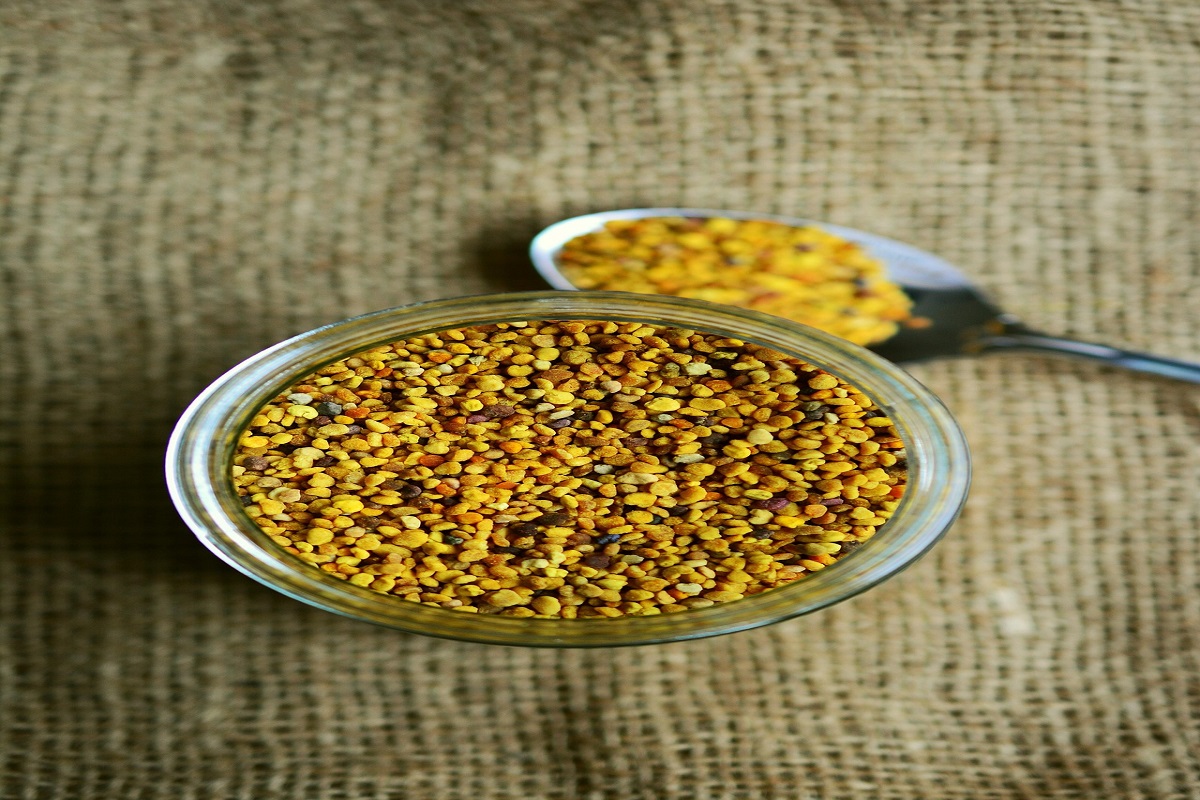
The background: Honey is one of the few kitchen remedies with repeated clinical attention. Reviews of randomised trials — including work summarised by Oxford-based researchers and widely reported — have examined honey for upper-respiratory symptoms such as cough and sore throat, common companions of the same viral illnesses.
What was found: Across these trials, honey generally performed as well as or better than usual care (including some over-the-counter options) for easing cough frequency and severity in upper-respiratory infections — at a fraction of the cost and with few downsides for anyone over one year old.
The takeaway for your throat: It supports what grandparents always knew — a spoon of honey is a legitimately reasonable first move, not just folklore. It won’t shorten the infection, but for symptom relief it’s cheap, pleasant and backed by more evidence than most remedies on the shelf. (Remember: never for infants under 12 months.)
Common Mistakes to Avoid
- Expecting an overnight cure. A sore throat from a cold or flu can last up to a week or more. Remedies soothe; they don’t switch it off.
- Swallowing the salt-water gargle — or giving it to a young child who might. Gargle and spit only.
- Giving honey to a baby. Honey is unsafe for children under 12 months due to the risk of infant botulism.
- Overdoing apple cider vinegar. Neat or too often, it can irritate the throat and damage teeth.
- Ignoring red-flag symptoms. Difficulty breathing or swallowing saliva is never one to “wait out” — see the next section.
When to See a GP or Call 111 (NHS Guidance)
Most sore throats need no medical care. But according to NHS advice, you should take further action in these situations:
| What’s happening | What to do |
|---|---|
| Sore throat hasn’t improved after a week; you feel hot and shivery; or you have a very high temperature | See a GP (or ask a pharmacist first — they can treat sore throats and don’t need a prescription) |
| You have a weakened immune system (e.g. chemotherapy, diabetes, HIV) | Contact your GP — don’t wait it out |
| A lump in the neck, or a mouth ulcer lasting more than 3 weeks; a sore throat lasting 3–4 weeks | See a GP, who may refer you for tests |
| Difficulty breathing, making a high-pitched sound when breathing, or trouble swallowing your own saliva; drooling | This is urgent — call 999 or go to A&E. Do not drive yourself. |
This article is for educational purposes only and is not a substitute for professional medical advice. If in doubt, contact NHS 111 or your GP.
Editor’s Insights
- Warm vs cold is personal — genuinely try both and let your throat pick the winner.
- The salt-water gargle is boring and unbeatable; consistency (every few hours) beats any single fancy remedy.
- A pharmacist is an underused shortcut in the UK — they can treat a sore throat without a GP appointment.
- Hydration is a remedy in itself; a dry throat always hurts more.
Frequently Asked Questions
What is the fastest homemade remedy for a sore throat?
A warm salt-water gargle usually gives the quickest noticeable relief — mix half a teaspoon of salt into a glass of warm water, gargle for up to 30 seconds and spit. It reduces swelling and soreness on contact. Honey in warm water is a close second for fast, soothing comfort.
Does honey really help a sore throat?
Yes. Honey coats and soothes the throat and has natural antibacterial properties, and clinical reviews suggest it eases cough and upper-respiratory symptoms as well as or better than some standard options. It won’t cure the infection, but it’s a well-supported comfort remedy. Never give honey to a baby under 12 months.
How long does a sore throat usually last?
Most viral sore throats improve within about a week. Some, especially after flu, can linger a little longer. If yours hasn’t started to improve after seven days, or you have a high temperature, it’s worth speaking to a pharmacist or GP.
Should I use warm or cold drinks for a sore throat?
Either can help — it’s down to personal preference. Warm drinks loosen mucus and soothe the back of the throat, while cold drinks and ice lollies numb pain and reduce inflammation. Try both and use whichever feels more comfortable for you.
Can I cure a sore throat overnight at home?
No remedy cures a sore throat overnight, because the underlying viral infection needs time to clear. What home remedies do well is relieve the pain and irritation meanwhile, so you’re more comfortable and can rest and recover.
Do I need antibiotics for a sore throat?
Usually not. Most sore throats are viral, and antibiotics don’t help viral infections — they only work for confirmed bacterial ones and can cause side effects. A pharmacist or GP can assess whether antibiotics are appropriate in your case.
Is apple cider vinegar good for a sore throat?
It’s popular, but the evidence is weak, and drinking it undiluted can irritate your throat and erode tooth enamel. If you try it, dilute a small amount well in warm water. Salt water and honey are safer, better-supported choices.
When should a sore throat be treated as an emergency?
Seek urgent help (call 999 or go to A&E) if you have difficulty breathing, make a high-pitched sound when breathing, cannot swallow your own saliva, or are drooling. These can signal a serious airway problem and should never be managed at home.
Related Reading
- Homemade remedy for cough — natural ways to calm a cough
- Best tea for cough and colds — which herbal teas help most
- Natural remedies for cold and flu — a full cold-season toolkit
- Peppermint tea for nausea — another everyday herbal remedy
Final Thoughts
A sore throat is miserable but rarely serious, and the best homemade remedy for a sore throat is usually the simplest: gargle salt water, sip honey and warm drinks, stay hydrated and rest. These won’t rush the virus out the door, but they’ll make the wait far more bearable. Keep the NHS red flags in mind, lean on your pharmacist when needed — and let your body do the rest.
References
- NHS — Sore throat (self-care and when to get help).
- NHS inform (Scotland) — Sore throat.
- Cleveland Clinic — Sore Throat Remedies That Actually Work.
- Penn State Health — Five home remedies to soothe your sore throat.
- PubMed Central — Acute Sore Throat (self-limiting course, viral cause, antibiotic guidance), PMC8245861.