
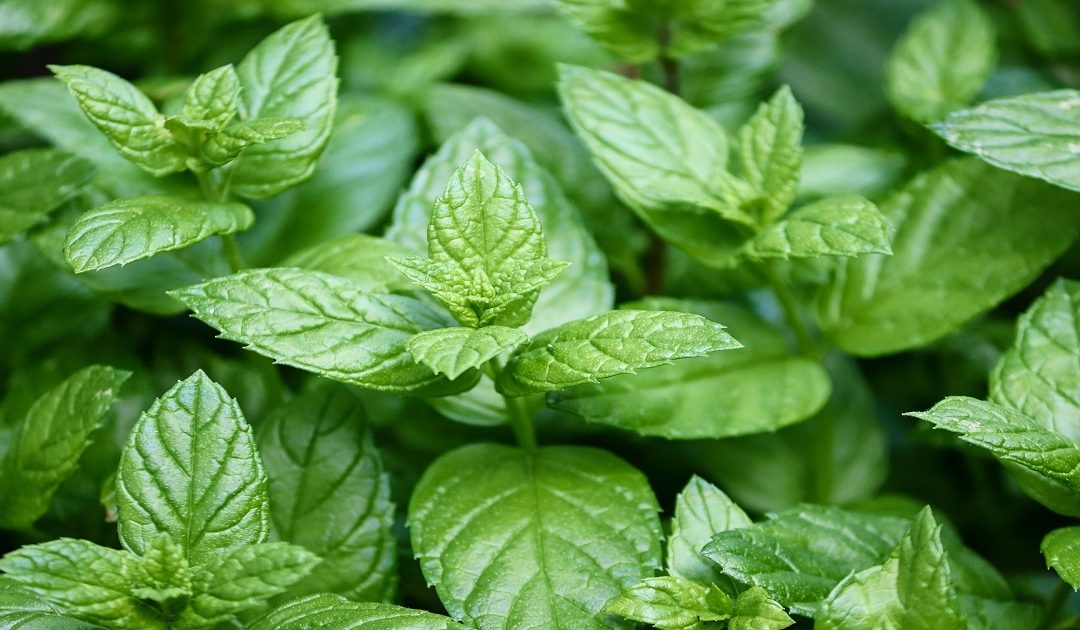
Peppermint Tea for Nausea: Does It Really Work?
When your stomach is churning and the thought of food makes it worse, a warm, minty cup can feel like the gentlest possible rescue. Peppermint tea for nausea is one of the oldest and most reached-for home remedies in the world — but does it actually work, or is it just a comforting ritual? The honest answer is a little of both, and knowing the difference will help you use it well.
In this guide we cut through the hype. You’ll learn what the science genuinely supports (and where it’s thinner than most blogs admit), exactly how to brew peppermint tea for the best effect, which types of nausea it helps most, and — importantly — who should be cautious or avoid it altogether, including anyone with reflux or in pregnancy. Let’s settle your stomach, and the confusion, at the same time.
⏱ Brew time: 5–10 minutes ·
🎚 Difficulty: Very easy ·
🍵 You’ll need: peppermint tea or fresh leaves ·
☕ Caffeine: naturally caffeine-free
Quick Answer
Peppermint tea may help ease mild nausea, especially when it’s linked to indigestion, bloating or an upset stomach. The menthol in peppermint relaxes the stomach muscles and can calm queasiness. Most strong evidence is for peppermint oil rather than the tea, but the tea is a gentle, low-risk option to try — sip it slowly and warm. Avoid it if you have acid reflux.
✅ Why you can trust this guide
Unlike many articles that overstate the benefits, this guide is transparent about the evidence — including the fact that most research is on peppermint oil, not tea. It draws on medically reviewed sources and clinical research summaries, separates what’s proven from what’s traditional, and flags who should avoid peppermint. Written and reviewed by the Spiritual Meditation Yoga Editorial Team. Educational only — not a substitute for personal medical advice.
📑 Table of Contents
- Does peppermint tea help nausea?
- How it works: the science of menthol
- What the evidence really says (the honest bit)
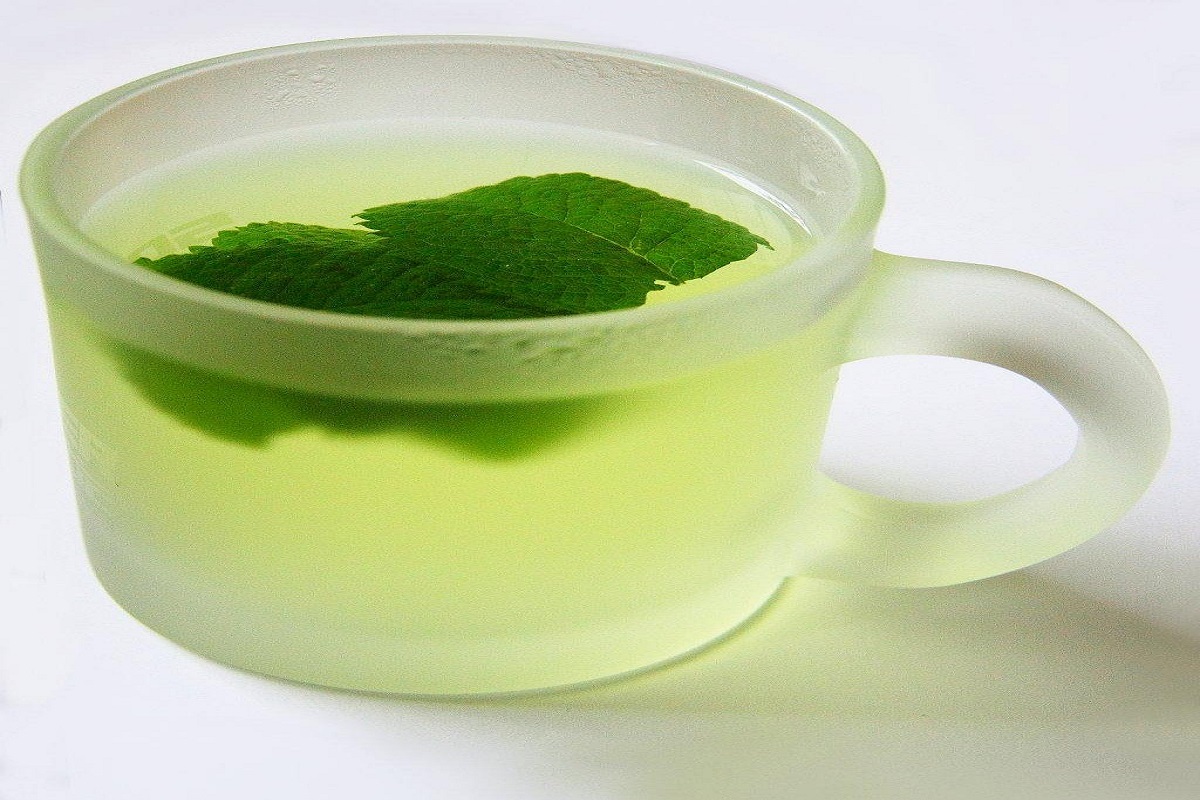
- How to brew peppermint tea for nausea
- Which types of nausea it helps (and doesn’t)
- Real case study: peppermint after surgery
- Who should avoid peppermint tea
- Peppermint vs ginger: which to choose
- FAQ
Key Takeaways
- Peppermint tea can soothe mild nausea, especially digestion-related queasiness.
- Menthol relaxes stomach muscles and may ease the spasms behind nausea.
- Most robust evidence is for peppermint oil/aromatherapy, not the tea specifically.
- It’s naturally caffeine-free and low-risk for most adults.
- Avoid if you have acid reflux/GERD — peppermint can make it worse.
- In pregnancy, ginger has better evidence and safety data — check with a professional first.
Does Peppermint Tea Help Nausea?
For many people, yes — peppermint tea can take the edge off mild nausea, particularly the kind that comes with indigestion, bloating or a feeling of fullness after eating. It has been used for this purpose for centuries, and its calming effect on the digestive tract is well recognised. What it is not is a guaranteed fix for every cause of nausea, and it’s fair to say the popular internet claims often run ahead of the actual research. Used sensibly, though, it’s a gentle, pleasant and low-risk thing to try when your stomach feels off.
How It Works: The Science of Menthol
Peppermint’s active ingredient is menthol, and this is where its stomach-settling reputation comes from. Menthol has natural antispasmodic properties, meaning it helps relax the smooth muscles of the digestive tract. When those muscles relax, the cramping and spasms that often accompany nausea can ease, and trapped gas moves more comfortably. Peppermint may also have mild anti-inflammatory effects that soothe an irritated stomach lining, and some researchers believe it can gently interfere with the nausea signals travelling to the brain. Together, these effects explain why a warm cup can feel so calming when you’re queasy.
What the Evidence Really Says (the Honest Bit)
Here’s the nuance most articles skip. The strongest scientific evidence for peppermint and nausea comes from studies on peppermint oil and aromatherapy — not peppermint tea. For example, research has found that inhaling peppermint oil can reduce nausea, including after surgery. Studies looking specifically at the tea are far more limited.
That doesn’t mean the tea is useless. Because peppermint tea contains the same active compounds in gentler form, it’s reasonable to expect similar, milder benefits — and mild digestive comfort is exactly what medically reviewed sources consider its most credible use. The honest summary: peppermint tea is a low-risk remedy with plausible, modest benefit for mild nausea, rather than a clinically proven cure. That transparency is precisely why you can trust it as a first, gentle step — and know when to reach for something stronger.
Evidence limitation: Direct trials on peppermint tea for nausea are scarce, and results across peppermint studies are mixed. It’s a sensible thing to try for mild symptoms, but persistent or severe nausea always needs proper medical assessment.
How to Brew Peppermint Tea for Nausea
Getting the most from your cup is simple — but a few small choices make a real difference.
Method 1 · The Simple Cup
Tea bag (quickest)
- Choose a good-quality tea made with real peppermint leaves, not artificial flavour.
- Pour freshly boiled water over one bag and cover the cup.
- Steep for 5–10 minutes — longer steeping means more menthol.
- Remove the bag and sip slowly while warm. Don’t gulp.
Method 2 · Fresh & Stronger
Fresh peppermint leaves
- Lightly crush 10–15 fresh peppermint leaves to release the oils.
- Steep in a cup (about 240 ml) of hot water for 10–15 minutes.
- Strain and sip slowly.
- Avoid adding milk or heavy ingredients, which can aggravate nausea.
Method 3 · Add the Aroma
Use the smell too
- Since inhaling peppermint aroma has the strongest evidence, breathe in the steam as you sip.
- Cup the mug in your hands and take slow, deep breaths of the minty vapour.
- This pairs the tea’s internal effect with peppermint’s proven aromatherapy benefit — a small tweak most people never think to try.
Which Types of Nausea It Helps (and Doesn’t)
| Type of nausea | Likely to help? |
|---|---|
| Indigestion, bloating, fullness after eating | ✅ Best case — this is peppermint’s strength |
| Mild stomach upset, motion sickness | ✅ Often helpful |
| Nausea from acid reflux / GERD | ❌ May worsen it — avoid |
| Severe nausea from serious illness | ❌ Needs medical treatment, not tea |
Real Case Study: Peppermint for Post-Surgery Nausea
The study: Nausea and vomiting are common and distressing after surgery. In a frequently cited clinical study, researchers looked at whether inhaling peppermint oil could reduce these symptoms in post-operative patients, compared with a control.
What was found: Patients who simply inhaled the aroma of peppermint reported a significant reduction in nausea. The effect came from the scent and its active compounds — a strikingly simple, drug-free intervention.
Why it matters for your cup: This is the clearest evidence peppermint can influence nausea — and it’s for the aroma. It’s exactly why we suggest breathing in the steam as you drink your tea: you get peppermint working through both routes at once. It also honestly frames expectations — a warm cup at home is a gentle version of what worked in the study, not a clinical dose.
Who Should Avoid Peppermint Tea
| If you… | Take care |
|---|---|
| Have acid reflux or GERD | Peppermint relaxes the valve at the top of the stomach, which can let acid rise and worsen reflux. Best avoided. |
| Are pregnant | Ginger has stronger safety and efficacy evidence for morning sickness. Check with your midwife or doctor before using peppermint regularly. |
| Take regular medication or have a liver condition | Very large amounts of peppermint can be a concern; herbal remedies can interact with conditions and medicines. Ask a pharmacist. |
| Have persistent or severe nausea | Don’t self-treat — nausea that won’t settle, or comes with other symptoms, needs medical evaluation. |
This article is for educational purposes only and is not a substitute for professional medical advice.
Peppermint vs Ginger: Which Should You Choose?
| Peppermint tea | Ginger tea | |
|---|---|---|
| Best for | Indigestion-related nausea, bloating | Morning sickness, motion & chemo nausea |
| Evidence strength | Moderate (mostly for the oil) | Stronger, including in pregnancy |
| Pregnancy | Use cautiously; ask first | Generally preferred choice |
| Watch out | Can worsen reflux | Strong flavour; very high doses not advised |
If reflux is part of your nausea, choose ginger. If bloating and fullness are the issue, peppermint is a great first try.
Editor’s Insights
- Breathe the steam as you sip — the aroma has the best evidence of all.
- Sip slowly; drinking too fast can unsettle an already-queasy stomach.
- Skip the milk — it can make nausea worse, not better.
- If peppermint gives you heartburn, that’s your cue to switch to ginger.
Frequently Asked Questions
Does peppermint tea actually help with nausea?
It can help with mild nausea, especially when it’s linked to indigestion or bloating. The menthol in peppermint relaxes stomach muscles and eases spasms. Most strong evidence is for peppermint oil rather than tea, but the tea is a gentle, low-risk option worth trying for mild symptoms.
How long does peppermint tea take to work for nausea?
Many people feel some relief within 15 to 30 minutes of sipping a warm cup slowly. Breathing in the minty steam as you drink may help sooner. If your nausea doesn’t ease at all, or keeps returning, it’s worth seeking medical advice rather than repeatedly self-treating.
Can I drink peppermint tea for nausea during pregnancy?
Some pregnant people find it helpful, but ginger has stronger evidence and safety data for morning sickness. Because peppermint can, in large amounts, have effects that aren’t fully studied in pregnancy, check with your midwife or doctor before using it regularly.
Why does peppermint tea make my heartburn worse?
Peppermint relaxes the ring of muscle between the stomach and the oesophagus. That can allow stomach acid to rise, worsening reflux and heartburn. If you have GERD or reflux-related nausea, peppermint is best avoided — ginger or plain warm water is a safer choice.
How much peppermint tea can I drink a day?
For most adults, a cup or two a day is generally considered fine as part of normal hydration, and it’s naturally caffeine-free. Very large amounts aren’t recommended, and if you have a health condition or take medication, ask a pharmacist about what’s sensible for you.
Is peppermint tea or peppermint oil better for nausea?
Peppermint oil, particularly inhaled as aromatherapy, has the strongest research support. The tea contains the same active compounds in a gentler form, so it’s a milder option. A nice trick is to drink the tea while breathing in its steam, combining both effects.
What can I drink instead of peppermint tea for nausea?
Ginger tea is the best-evidenced alternative, especially for morning sickness and motion sickness. Chamomile tea is gently soothing, and plain warm water or a little honey-and-lemon can also settle a mild upset stomach. Choose ginger if reflux is involved.
Related Reading
- Peppermint tea for indigestion — soothing bloating and fullness
- Best teas for an upset stomach — a full herbal line-up
- Ginger tea benefits — the go-to for morning sickness
- Natural remedies for nausea — beyond the teapot
Final Thoughts
Peppermint tea for nausea is a lovely example of a remedy that is gentle, comforting and reasonable to try — as long as you keep your expectations honest. For mild, digestion-related queasiness it may genuinely help, and breathing in its aroma adds a research-backed bonus. Just remember its two limits: skip it if you have reflux, and don’t rely on it for severe or persistent nausea, which deserves proper medical attention. Brew a cup, breathe deep, and sip slowly.
References
- Healthline — Tea for Nausea and Tea for an Upset Stomach.
- GoodRx Health — Best Tea for Nausea: Ginger, Chamomile and Other Options.
- Acıbadem International Medical Board (medically reviewed) — Peppermint Tea Benefits Explained by Medical Evidence.
- Clinical trial evidence on inhaled peppermint oil for post-operative nausea (as summarised in the sources above).