
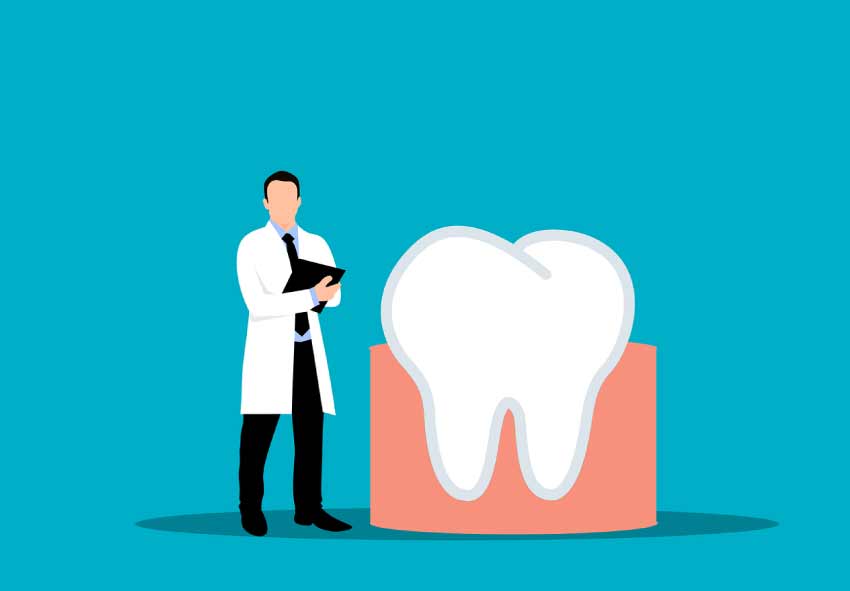
How to stop sensitive teeth pain immediately at home
Quick Answer: Sensitive teeth usually mean the dentin layer under your enamel has been exposed — from worn enamel, receding gums, a cracked tooth, or recent whitening — which lets hot, cold, sweet, or pressure reach the nerve inside the tooth. For fast relief at home, rinse with warm salt water, switch to a desensitizing toothpaste with potassium nitrate or stannous fluoride, use a soft-bristled brush with gentle pressure, and avoid very hot, cold, or acidic foods for a few days. If sharp pain lasts more than a week, is limited to one tooth, or comes with swelling, see a dentist — sensitivity can also signal a cavity or cracked tooth that needs treatment.
By Shahinur Chowdhury, Spiritual Meditation Yoga Editorial Team — last updated September 2026
That sudden zing when cold water hits a certain tooth, or the sharp twinge after a sip of coffee, is one of the most common dental complaints people search for help with. Dentists call it dentin hypersensitivity, though most people simply know it as sensitive teeth or tooth sensitivity. It can show up in a single tooth or across several, and it tends to flare with hot, cold, sweet, or sour foods and drinks, as well as brushing or flossing.
The good news is that mild to moderate sensitivity often responds well to simple changes at home, and a proper diagnosis from a dentist can rule out the more serious causes, like a cavity, cracked tooth, or failing filling, that need professional treatment rather than home care alone.
Why Trust This Guide?
The information in this guide is grounded in guidance from recognized health and dental authorities, including the Mayo Clinic, the American Dental Association (ADA), and the National Institute of Dental and Craniofacial Research (NIDCR), part of the National Institutes of Health. Where traditional or natural remedies are discussed, we note what the current research does and does not support, rather than overstating their effectiveness.
About This Guide
This article is written by Shahinur Chowdhury and the Spiritual Meditation Yoga editorial team, drawing on published dental research and clinical guidance from recognized health organizations, alongside long-used home remedies for tooth and gum discomfort. Every claim is checked against the sources cited above before publication, and this page was last reviewed and updated in September 2026. It is intended for general educational purposes only, not as a substitute for professional dental diagnosis or treatment, and it does not replace individualized care from a licensed dentist.
Key Takeaways
- Tooth sensitivity happens when the dentin under your enamel is exposed, letting temperature and pressure reach the nerve inside the tooth.
- Common causes include worn enamel, receding gums, teeth grinding, cracked teeth, acidic diets, and recent whitening treatments.
- A warm salt water rinse, a soft-bristled brush, and a potassium-nitrate or stannous-fluoride desensitizing toothpaste are reasonable first steps at home.
- Natural options like clove oil, turmeric paste, and oil pulling have some supporting research but are not substitutes for evidence-based dental care.
- Sensitivity that is severe, lasts more than a week, or is limited to a single tooth deserves a dental exam to rule out a cavity or cracked tooth.
Want the fastest relief first? Skip ahead to the step-by-step relief routine below — most of these steps take less than five minutes.
What Causes Sensitive Teeth?
Underneath the hard, white enamel of your teeth is a softer layer called dentin. Dentin is filled with thousands of microscopic tubules that lead directly to the nerve inside the tooth. Dentists describe pain from sensitivity using what is known as the hydrodynamic theory: when dentin is exposed, changes in temperature or pressure cause fluid inside those tubules to shift, and that movement triggers the nerve, producing the short, sharp pain associated with sensitivity.
Dentin can become exposed in several ways. According to the Mayo Clinic, the most common causes include worn tooth enamel from brushing too hard or using a hard-bristled brush, receding gums that expose the tooth root, cavities, cracked or chipped teeth, worn or leaking fillings, and gum disease. Frequent consumption of acidic foods and drinks — citrus fruit, soda, wine, and similar items — can also gradually erode enamel over time. Teeth whitening treatments, both professional and over-the-counter, are another common trigger, though this type of sensitivity is usually temporary.
Teeth grinding, or bruxism, often during sleep, is another frequent cause, since the repeated pressure wears down enamel over time. If you wake up with jaw soreness or notice flattened, worn-looking teeth, grinding may be contributing to your sensitivity, and a dentist can fit you for a night guard to protect your enamel going forward.
Immediate Relief: What to Try First at Home
These steps are aimed at calming mild to moderate sensitivity while you decide whether you need a dental visit. None of them are a substitute for professional care if pain is severe or persistent.
- Rinse with warm salt water. Dissolve about half a teaspoon of salt in a cup of warm water and swish it around your mouth for 30 seconds before spitting it out. Saltwater rinses are a long-used, low-risk way to support oral hygiene and soothe irritated gum tissue while you address the underlying cause.
- Switch to a desensitizing toothpaste. Look for one containing potassium nitrate or stannous fluoride. Potassium nitrate works by calming the nerve fibers inside the tooth so they are less likely to transmit pain signals, while stannous fluoride and arginine-based formulas can help physically block the exposed dentin tubules. The ADA notes that these products typically need several weeks of consistent, twice-daily use before the full effect is noticeable.
- Switch to a soft-bristled toothbrush and gentle technique. Aggressive brushing is one of the most common, and most fixable, causes of enamel wear. Use a soft-bristled brush, hold it at a slight angle, and use short, gentle strokes rather than hard back-and-forth scrubbing.
- Avoid extreme temperatures and acidic foods for a few days. Give sensitive teeth a break from very hot or cold foods, citrus, soda, and other acidic items while they recover. If you do have something acidic, rinse your mouth with plain water afterward rather than brushing right away, since enamel is temporarily softer immediately after acid exposure.
- Apply a cold compress for pain, not the tooth itself. If a tooth is actively painful, holding a cold compress against the outside of your cheek near the area (not on the tooth) for short intervals can help take the edge off discomfort while you arrange a dental visit.
Natural and Traditional Remedies: What the Evidence Says
Several natural remedies are widely recommended for tooth sensitivity and toothache. The evidence behind them varies, so it is worth knowing what is reasonably well supported and what is more anecdotal.
Clove Oil
Clove oil contains eugenol, a compound with numbing and antibacterial properties that has been used in dentistry for well over a century, including in some over-the-counter dental products. Research reviews note that eugenol can provide short-term pain relief when applied to a painful tooth or gum area. Because undiluted clove oil is strong and can irritate or even damage soft tissue if used too often or left on too long, it should be diluted with a carrier oil, applied sparingly with a cotton swab, and not used as a long-term or repeated remedy, particularly for children.
Turmeric Paste
Turmeric contains curcumin, a compound studied for its anti-inflammatory and pain-relieving properties in conditions like osteoarthritis. Some people apply a paste of turmeric and water to the gums near a sensitive tooth, and small studies suggest curcumin may help calm inflammation. Direct research on turmeric for dentin hypersensitivity specifically is limited, so this is best considered a gentle, low-risk complement to proven steps like desensitizing toothpaste rather than a primary treatment.
Oil Pulling
Oil pulling, an Ayurvedic practice that involves swishing coconut or sesame oil in the mouth for several minutes before spitting it out, has been studied for its effects on plaque and gum inflammation. Some small trials have found modest reductions in plaque and gingivitis markers with regular oil pulling. That said, the American Dental Association has stated there is currently insufficient evidence to recommend oil pulling as a replacement for standard oral hygiene practices like brushing, flossing, and fluoride toothpaste — it is reasonable as an addition to, not a substitute for, those basics.
Green Tea Rinse
Green tea contains catechins, plant compounds with antioxidant and antibacterial properties. Rinsing with cooled, unsweetened green tea after brushing is a low-risk habit some people use to support gum health, though it should not replace fluoride toothpaste or professional cleanings.
Preventing Sensitive Teeth Over the Long Term
Once acute discomfort has eased, the following habits help prevent sensitivity from coming back or getting worse.
Protect Your Enamel
Brush twice daily with a soft-bristled brush and fluoride toothpaste, wait at least 30 minutes after eating or drinking anything acidic before brushing, and use a straw for acidic beverages to limit contact with your front teeth.
Address Teeth Grinding
If you grind your teeth at night, a custom night guard from your dentist can prevent further enamel wear. Managing stress, which is a common trigger for bruxism, may also help reduce grinding frequency.
Keep Up with Fluoride
Fluoride strengthens enamel and can help remineralize weak spots before they become sensitive or decayed. In addition to fluoride toothpaste, your dentist can apply a stronger, in-office fluoride varnish or prescribe a higher-concentration fluoride gel for home use if your sensitivity is more significant.
Don’t Skip Dental Checkups
Routine dental visits allow a dentist to catch early gum recession, small cavities, or cracked teeth before they cause significant sensitivity or pain, and to recommend in-office treatments like bonding, sealants, or gum grafts when needed.
Common Obstacles and Who Should Use Caution
Desensitizing toothpaste works gradually, and it is easy to give up before it has had a chance to work — most people need two to four weeks of consistent use before noticing a clear improvement. Natural remedies like clove oil should be used sparingly and diluted, since concentrated essential oils can irritate gum tissue if overused. Anyone who is pregnant, nursing, or considering a remedy for a young child should check with a dentist or doctor before using concentrated essential oils or herbal preparations in the mouth. People with known allergies to specific plants or oils should avoid those remedies entirely.
When to Seek Additional Support
Home remedies are appropriate for mild, temporary sensitivity, but you should schedule a dental visit if you notice any of the following: pain that is severe, spontaneous, or lasts more than a week; sensitivity limited to one specific tooth rather than a general area; visible damage, a dark spot, or a hole in a tooth; swelling of the face or gums; or pain that wakes you up at night. These can be signs of a cavity, a cracked tooth, an infection, or advanced gum disease, all of which need professional treatment rather than home care.
Frequently Asked Questions
What is the fastest way to stop tooth sensitivity pain?
A warm salt water rinse and avoiding the hot, cold, sweet, or acidic trigger for a few days will usually calm mild sensitivity the fastest. For ongoing relief, a desensitizing toothpaste with potassium nitrate needs a few weeks of consistent use to build up its full effect.
Why are my teeth suddenly sensitive to cold?
Sudden cold sensitivity often follows enamel wear, gum recession, a recent whitening treatment, or a new cavity or crack. If it appeared abruptly and is limited to one tooth, it is worth having a dentist check for a cavity or crack.
Can tooth sensitivity go away on its own?
Mild sensitivity, especially after whitening or from a temporary irritation, can improve on its own within a few days to a couple of weeks. Sensitivity caused by ongoing enamel loss, gum recession, or a cavity generally will not resolve without treatment.
Is clove oil safe to put directly on a tooth?
Clove oil should be diluted with a carrier oil like coconut oil before use, since the undiluted oil is strong enough to irritate or damage gum tissue with frequent use. Use it sparingly and only as a short-term measure, not as an ongoing treatment.
Does oil pulling actually help with tooth sensitivity?
Oil pulling may modestly reduce plaque and gum inflammation according to some small studies, but the ADA considers the evidence insufficient to recommend it as a replacement for brushing, flossing, and fluoride toothpaste. It can be used alongside standard oral hygiene, not instead of it.
What toothpaste ingredients help with sensitive teeth?
Potassium nitrate and stannous fluoride are the two most established ingredients in desensitizing toothpaste. Potassium nitrate calms the tooth’s nerve response, while stannous fluoride and arginine-calcium carbonate formulas work by physically blocking the exposed dentin tubules.
Can teeth grinding cause tooth sensitivity?
Yes. Grinding wears down enamel over time, which exposes the dentin underneath and leads to sensitivity. A custom night guard from a dentist is the most reliable way to prevent further wear from nighttime grinding.
When should I see a dentist for sensitive teeth?
See a dentist if sensitivity is severe, lasts longer than a week despite home care, is limited to a single tooth, or is accompanied by visible damage, swelling, or pain that wakes you up at night. These can indicate a cavity, cracked tooth, or infection that needs professional treatment.