
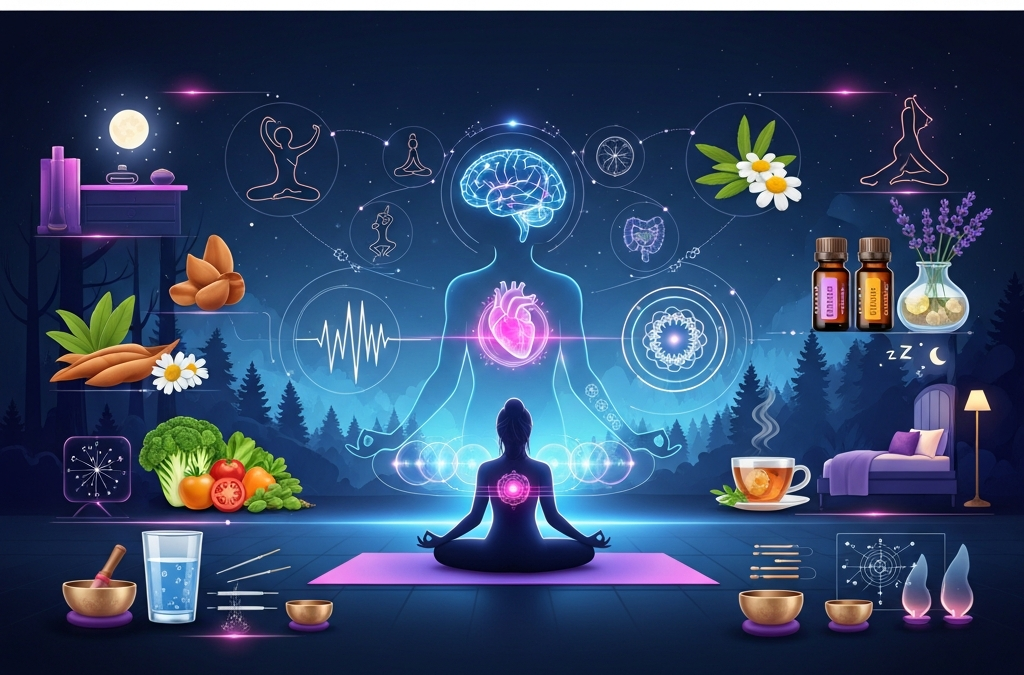
Stress is an unavoidable aspect of modern life, impacting our physical, mental, and emotional well-being. However, holistic healing remedies for stress offer comprehensive approaches that address the entire person—mind, body, and spirit—to alleviate stress effectively. Understanding and integrating holistic strategies are crucial for managing stress in our rapidly evolving world.
Key Takeaways:
- Stress manifests holistically, necessitating integrated solutions that consider mind, body, and spirit.
- Mind-body practices like meditation and yoga are foundational for regulating the nervous system and fostering inner calm.
- Nutritional choices, herbal adaptogens, and essential oils offer powerful complementary support for stress resilience.
- Engaging with nature and cultivating healthy lifestyle habits significantly contributes to sustainable stress management.
- A personalized approach, often blending various modalities, is key to long-term well-being and stress reduction.
Holistic Frameworks and Practical Remedies for Sustainable Stress Management
Understanding Stress: A Holistic Perspective
Defining Stress Beyond the Obvious:
Stress is a complex biopsychosocial phenomenon, manifesting not only as emotional turmoil but also affecting physical health, mental clarity, and even spiritual well-being. It’s crucial to differentiate between acute stress, which is short-term and can sometimes be beneficial, and chronic stress that drains the body and mind over time. Chronic stress leads to a variety of symptoms, including headaches, muscle tension, digestive problems, and emotional disturbances like anxiety and irritability. On a spiritual level, prolonged stress can cause a sense of purposelessness and disconnect from oneself. Understanding these dimensions is vital for addressing the full spectrum of stress-related issues.
The Body’s Stress Response System:
The fight-or-flight response is a physiological reaction to perceived threats, heavily involving the sympathetic nervous system. This response triggers the release of stress hormones like cortisol and adrenaline, which prepare the body to confront or flee danger. While vital for survival, chronic activation of this system can lead to negative health outcomes, such as inflammation, suppressed immunity, and other chronic conditions. Long-term stress management must include techniques to modulate this response effectively, restoring balance and preventing harm.
Identifying Personal Stress Triggers:
Recognizing what personally triggers stress is a pivotal step toward managing it. Stressors can be internal, such as negative self-talk and unrealistic expectations, or external, like work pressure and financial difficulties. Tools such as journaling and maintaining stress diaries can enhance self-awareness, helping individuals pinpoint specific triggers. Once identified, strategies can be devised to mitigate and cope with these stressors, tailored to the individual’s unique life situation.
The Mind-Body Connection in Stress Response
Neuroscience of Stress and Relaxation:
The brain’s response to stress involves several key areas, such as the amygdala, which processes emotional reactions, and the hypothalamus, which initiates hormonal releases. On the other hand, the prefrontal cortex plays a role in relaxation, enabling cognitive control over emotional responses. Neuroplasticity, the brain’s ability to change and adapt, underscores the potential of mindfulness and conscious practices to reprogram automatic stress responses, leading to more resilient and adaptive ways of functioning.
The Gut-Brain Axis and Stress:
Scientific advances highlight the gut-brain axis, a bidirectional communication between the gastrointestinal system and the central nervous system. The gut microbiome significantly influences our mood and stress levels, affecting the production of neurotransmitters like serotonin. Dietary choices that support gut health can bolster stress resilience, making nutrition an integral part of a holistic approach to stress management.
Mindfulness and Meditation for Inner Calm
Foundations of Mindfulness Practice:
Mindfulness, the practice of maintaining present-moment awareness without judgment, forms the cornerstone of stress management. Techniques such as focused breath work, body scan meditations, mindful walking, and mindful eating cultivate a heightened state of consciousness, reducing reactive emotional patterns and promoting calm and clarity.
Types of Meditation for Stress Relief:
There are a variety of meditative disciplines suited to different needs. Guided meditation involves following along with a guide, simplifying the process for beginners. Transcendental Meditation (TM) provides a structured approach typically involving the silent repetition of a mantra. Loving-kindness meditation fosters compassion for oneself and others, and Zen meditation emphasizes seated practice, focusing on posture and breath. Scientific research supports the efficacy of these practices in reducing rumination, enhancing emotional regulation, and boosting cognitive performance.
Integrating Mindfulness into Daily Routines:
Incorporating mindfulness into day-to-day activities involves creating short breaks for mental rest and reflection. Practices like a digital detox, focusing on transitioning mindfully between tasks, and including mindful breathing pauses can transform stress levels throughout the day. Regular practice makes mindfulness a natural part of life rather than an isolated activity.
Yoga and Tai Chi: Movement for Mental Wellness
Yoga’s Multifaceted Approach to Stress Reduction:
Yoga offers a comprehensive system for stress relief, blending physical postures (asanas), breathing exercises (pranayama), and meditation (dhyana). Different styles of yoga, such as Hatha, Vinyasa, Restorative, and Yin Yoga, cater to diverse needs, from vigorous activity to gentle restoration, helping to lower stress through physical exertion and mental focus.
Tai Chi for Flow and Tranquility:
Tai Chi, often described as “meditation in motion,” utilizes slow, deliberate movements paired with deep breathing. This practice enhances physical balance and flexibility while simultaneously fostering a state of calm and mental clarity. It is particularly beneficial for stress reduction, enhancing focus and body awareness.
Choosing the Right Movement Practice:
Choosing the appropriate practice requires understanding personal preferences, physical abilities, and stress levels. While yoga offers various intensity levels, Tai Chi provides a gentler alternative that still profoundly impacts mental wellness. Integration of these practices into regular routines aids in managing stress effectively.
Herbal Remedies and Adaptogens for Stress Support
Introduction to Adaptogenic Herbs:
Adaptogens are natural substances helping the body adapt to stress, support immune functions, and maintain overall equilibrium. Herbs like Ashwagandha, Rhodiola rosea, Panax Ginseng, Holy Basil (Tulsi), and Schisandra are renowned for their resilience-boosting properties.
Calming Herbs for Relaxation:
Nervine herbs such as Chamomile, Lemon Balm, Valerian Root, and Passionflower offer natural relaxation benefits. While powerful, it’s essential to be aware of possible side effects and interactions with medications. For instance, Kava may require precautions. Consulting a healthcare professional is advised when beginning any herbal regimen.
Table: Common Herbal Remedies for Stress
| Herb | Primary Use | Mechanism (Brief) | Precautions/Notes |
|---|---|---|---|
| Ashwagandha | Chronic stress, anxiety | Balances cortisol, neuroprotective | Pregnancy, autoimmune, thyroid meds |
| Rhodiola | Fatigue, mental performance | Enhances stress resilience | May stimulate; avoid before bed |
| Holy Basil | General stress, mood | Antioxidant, anti-inflammatory | Blood-thinning properties |
| Chamomile | Relaxation, sleep | Mild sedative, anti-inflammatory | Aster family allergies |
| Valerian Root | Insomnia, anxiety | Increases GABA | Drowsiness, liver concerns |
Sourcing and Responsible Use:
Responsible sourcing is paramount when choosing herbal products. Prioritize reputable brands and consider third-party tested items to assure quality. Always consult healthcare professionals or qualified herbalists before integrating these into your holistic routine to ensure safety and compatibility with your health status.
Nutritional Approaches to Combat Stress
Brain-Boosting Nutrients:
Optimal nutrition is essential for brain health and stress management. Omega-3 fatty acids found in fatty fish contribute to neural health and inflammation reduction. B vitamins like B6, B9, and B12 are vital for neurotransmitter synthesis and energy production. Magnesium aids muscle relaxation and nerve function, while zinc supports immune function. Ensuring adequate intake through nutrient-rich foods can profoundly affect stress resilience.
The Role of a Balanced Diet:
A balanced diet is foundational to reducing stress impacts. Limiting processed foods, excessive sugars, and unhealthy fats, while emphasizing whole foods, fruits, vegetables, lean proteins, and complex carbohydrates, helps maintain emotional stability. Minimizing caffeine and alcohol is also crucial as they may exacerbate anxiety.
Hydration and Its Impact on Mood:
Hydration is often overlooked but vital in managing stress. Dehydration can cause mood dips and cognitive dysfunction. Drinking sufficient water ensures the body and mind function optimally, supporting overall emotional and mental health stability.
Aromatherapy and Essential Oils for Relaxation
Understanding Essential Oils for Stress Relief:
Essential oils, extracted from plants, interact with the brain’s olfactory system and limbic system, influencing emotional and psychological states. Oils like Lavender offer calming effects, while Bergamot uplifts, and Frankincense grounds emotions. These natural remedies can profoundly support stress management.
Safe Application Methods:
Proper application promotes efficacy and safety in aromatherapy use. Methods include diffusion, topical application with proper dilution, and direct inhalation. It’s critical to consider potential skin sensitivity, photosensitivity, and pregnancy precautions. Opting for therapeutic-grade oils from reputable sources enhances safety.
Acupuncture and Traditional Chinese Medicine (TCM)
Principles of TCM for Stress:
Traditional Chinese Medicine (TCM) revolves around concepts like Qi (life energy) and Yin/Yang balance. Stress disrupts these natural energies, leading to imbalances. Acupuncture targets specific points to calm the nervous system and restore balance, utilizing ancient wisdom for modern stress relief.
Benefits of Acupuncture:
Acupuncture is recognized for its efficacy in reducing pain, alleviating anxiety, and improving sleep quality. Supplementary TCM practices, such as herbal medicine and Tui Na massage, offer additional tools for comprehensive stress management. Evidence supports TCM’s effectiveness in promoting holistic well-being.
Sound Healing and Therapeutic Music
The Science of Sound on Stress:
Sound healing involves using sound frequencies and vibrations to alter brainwave states, inducing relaxation. Techniques stimulating the vagal nerve encourage a parasympathetic response, promoting deep relaxation and stress reduction.
Modalities of Sound Healing:
Various tools like Tibetan singing bowls, gongs, and tuning forks facilitate healing by creating resonant vibrations. Additionally, therapeutic music and binaural beats are employed to enhance relaxation and emotional well-being, contributing to stress management strategies.
The Power of Nature and Ecotherapy
Forest Bathing (Shinrin-Yoku) and Its Benefits:
Forest bathing, or Shinrin-Yoku, involves immersing oneself in nature mindfully. This Japanese practice significantly lowers stress hormone levels, reduces blood pressure, and enhances immune function, offering a powerful antidote to stress through nature.
Outdoor Activities for Stress Reduction:
Engaging with nature through activities like gardening, hiking, or bird watching provides psychological and physiological benefits. Natural light exposure supports Vitamin D synthesis, uplifting mood and boosting overall stress resilience.
Building Resilience Through Lifestyle Changes
Prioritizing Quality Sleep:
Sleep is fundamental for stress management, and practicing good sleep hygiene is essential. Keeping a consistent schedule, creating a conducive environment, and reducing screen time improves sleep quality, directly affecting stress levels.
Cultivating Healthy Social Connections:
Strong social ties are invaluable resources for combating stress. They provide emotional support, reduce feelings of isolation, and stimulate the release of oxytocin, enhancing well-being and resilience against stressors.
Setting Boundaries and Time Management:
Effective boundary-setting and time management prevent burnout. Learning to say no and delegate tasks, while managing commitments strategically, preserves personal energy and reduces overwhelming stress, fostering a balanced life.
Integrating Holistic Practices into Daily Life
Creating a Personalized Stress Management Plan:
A tailored stress management plan incorporates personal needs, preferences, and stress levels. Starting small, gradually integrating practices, and building habits ensure sustainable progress and personal growth.
Overcoming Obstacles and Maintaining Consistency:
Challenges in stress management are common but surmountable. Strategies include staying flexible, self-compassionate, and motivated, adjusting approaches as necessary, and maintaining perseverance in developing holistic routines.
Real-Life Applications: Case Studies
Case Study 1: Managing Chronic Work-Related Stress:
This case involves an individual subjected to high-pressure work environments. By incorporating daily mindfulness meditation, brisk outdoor walks, and supplements like Ashwagandha, they experienced reduced anxiety, improved focus, and better sleep over several months.
Case Study 2: Holistic Support for Anxiety and Sleep Issues:
A person dealing with generalized anxiety and insomnia improved their condition by adjusting diet, utilizing aromatherapy with lavender, and engaging in restorative yoga regularly, achieving notable improvements in sleep and reduced anxiety levels.
Case Study 3: Overcoming Stress with Nature and Social Connection:
Through daily outdoor activities and joining support groups, an individual overcame feelings of isolation and reported heightened mood, connection, and a substantial decrease in stress and hopelessness.
Frequently Asked Questions
Can holistic remedies replace conventional medical treatments for severe stress?
Concise Answer: Holistic remedies complement but do not replace conventional treatments. Severe stress may require a blend of holistic and medical interventions. Always consult healthcare professionals before altering treatment plans.
How long does it take to see results from holistic healing?
Concise Answer: Results vary by individual; some feel immediate benefits, while others may notice significant changes over weeks or months. Consistent practice is key for lasting effects.
Are there any side effects to natural stress remedies?
Concise Answer: Despite being natural, these remedies may have side effects or interact with medications. Proper research and professional consultation are advised prior to usage.
How do I choose the best holistic approach for me?
Concise Answer: Explore modalities that resonate with personal needs and preferences. Experiment with different practices, monitor effects, and modify approaches with guidance from a holistic health provider.
Final Thoughts and Future Steps
Embracing a Holistic Lifestyle:
Effective stress management requires a commitment to a holistic lifestyle nurturing the mind, body, and spirit. Through conscious, integrated self-care practices, the challenges posed by stress can be significantly mitigated.
Continuous Self-Care Journey:
View stress management as a dynamic journey involving continuous learning and self-reflection. Empowerment through self-agency in maintaining well-being is crucial, adapting strategies to meet evolving life circumstances.