How a Pure Mind Receives Knowledge from Paramatman in Dreams

How a Pure Mind Receives Knowledge from Paramatman in Dreams

Key Takeaways

  • Paramatman as the Source: Paramatman, the Supreme Self, is the ultimate source of all knowledge and subtly communicates through the universal consciousness.
  • Mind Purity is Essential: A pure mind, free from ego, desires, and mental agitations, acts as a clear conduit for receiving subtle divine wisdom.
  • Dreams as a Gateway: Dreams serve as a significant channel for Paramatman to impart knowledge, guidance, and profound insights, especially when the conscious mind is quiescent.
  • Discernment is Key: Differentiating between mundane dreams, psychological projections, and genuine divine communications requires self-awareness, spiritual practice, and often, guidance from experienced teachers.
  • Practical Application: The knowledge received in dreams is not merely for contemplation but is meant to be integrated into waking life for spiritual growth, ethical living, and problem-solving.

Introduction

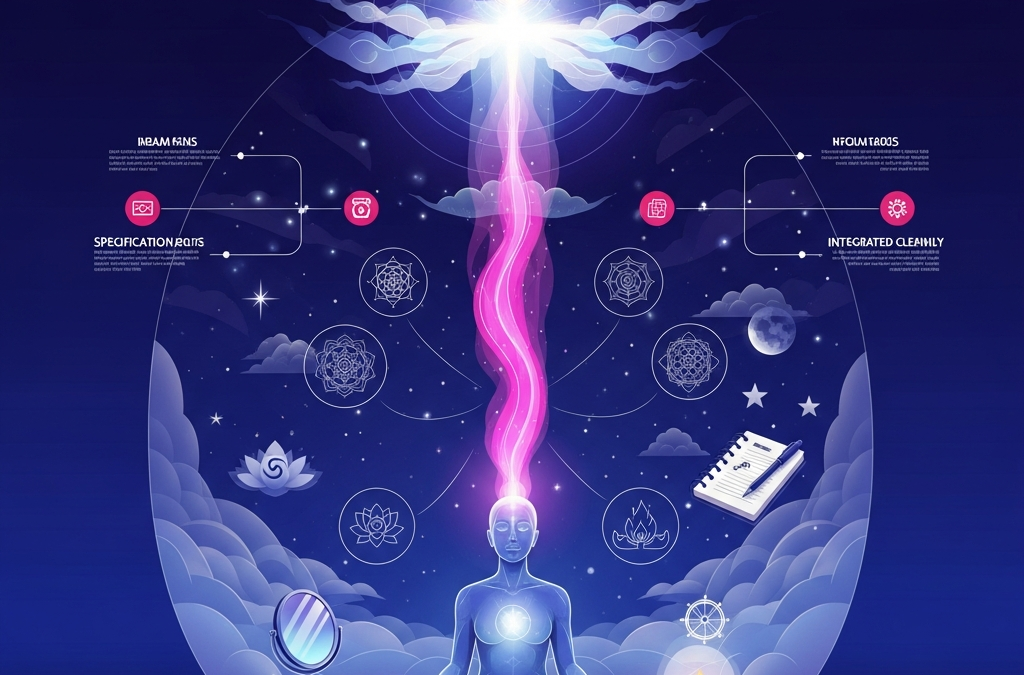
Dreams have captivated humanity for millennia, often seen as windows into hidden truths or messages from the divine. While many dreams are products of our subconscious mind processing daily experiences, spiritual traditions across the globe describe a higher category: dreams imbued with divine knowledge. This article explores the profound concept of how a pure mind receives knowledge from Paramatman in dreams, delving into the spiritual prerequisites, the mechanisms of divine communication, and the practical aspects of discerning and integrating such profound insights. We will examine how cultivating a state of mental purity and receptivity allows an individual to tap into the universal wisdom emanating from Paramatman, the Supreme Self, transforming the dream state into a sacred realm of learning and revelation.

The Spiritual Nexus: Paramatman, Mind, and Dreams

Understanding Paramatman: The Supreme Self

  • Definition and Attributes:

    • Paramatman is the ultimate, all-pervading, and immutable reality in spiritual philosophies like Vedanta.
    • Attributes include omniscience, omnipotence, and eternal bliss (Sat-Chit-Ananda).
    • It is distinct from personal deities (Saguna Brahman) due to its transcendental nature (Nirguna Brahman).
  • Relationship with Jivatman:

    • The individual soul (Jivatman) is seen as a reflection of Paramatman.
    • Non-duality (Advaita) concept: Jivatman is ultimately Paramatman, obscured by Maya.
  • The Source of All Knowledge:

    • Paramatman is the repository of all universal wisdom and cosmic laws.
    • All knowledge, scientific or spiritual, originates from this ultimate source.

The Nature of the Human Mind and Consciousness

  • Layers of Consciousness:

    • Waking (Jagrat), Dream (Swapna), and Deep Sleep (Sushupti) are the three states of consciousness.
    • The fourth state, Turiya, represents transcendental consciousness beyond the three states.
  • The Subconscious and Superconscious Mind:

    • The subconscious stores memories, impressions (samskaras), and desires.
    • The superconscious mind acts as the gateway to higher truths and divine intuition.
  • Mind as a Receiver and Transmitter:

    • The mind is like an antenna or mirror, capable of reflecting or tuning into higher frequencies.
    • Mental agitation distorts reception, while stillness enhances it.

The Importance of Mind Purity: Defining the Receptive State

  • Defining ‘Purity’ in a Spiritual Context:

    • Freedom from ego (Ahamkara), selfish desires (Kama), and negative emotions like anger and greed.
    • Cultivation of Sattva (purity, clarity, harmony) over Rajas (activity, passion) and Tamas (inertia, darkness).
  • Characteristics of a Pure Mind:

    • Clarity of thought, inner peace, and a selfless disposition.
    • Absence of strong mental projections and biases that distort perception.
  • The Pure Mind as a Clear Channel:

    • A purified mind reduces static, allowing for direct communication from higher sources like Paramatman.

Practices for Mind Purification: A Path to Clarity

  • Meditation and Contemplation:

    • Techniques like mindfulness, concentration (Dharana), and meditation (Dhyana) to still the mind.
    • The role of self-inquiry (Atma-vichara) in dissolving egoic structures.
  • Ethical Living and Selfless Action (Karma Yoga):

    • Observance of Yama (restraints) and Niyama (observances) as foundational ethical principles.
    • The purifying effect of selfless service and detachment from results.
  • Devotion and Mantra Recitation (Bhakti Yoga & Japa Yoga):

    • Cultivating love and surrender to the divine.
    • The vibrational cleansing power of sacred sounds and names.

The Phenomenon of Dreams in Spiritual Traditions

Dreams have long been seen as gateways to other dimensions, providing access to hidden truths and universal knowledge. Many spiritual traditions view dreams not merely as subconscious activity but as interactions with subtle realms.

  • Scriptural Perspectives:

    • Upanishads, Bhagavad Gita, and esoteric texts discuss the significance of dreams in understanding the divine.
    • Dreams are seen as an extension of consciousness into more subtle dimensions.
  • Types of Dreams:

    • Psychological Dreams: Related to daily events, subconscious fears, and desires.
    • Physiological Dreams: Linked to bodily sensations and states of health.
    • Prophetic/Precognitive Dreams: Foreshadowing future events.
    • Symbolic Dreams: Conveying messages through metaphor and allegory.
    • Divine/Revelationary Dreams: Direct transmission of knowledge or guidance from higher consciousness.
  • Symbolism and Interpretation:

    • Understanding the universal and personal nature of dream symbols is crucial.
    • Intuitive understanding and inner guidance are key for correct interpretation.

Mechanism of Divine Revelation in Dreams

  • How Paramatman Communicates:

    • Direct transmission of pure knowledge (Jnana) or intuitive understanding during dreams.
    • Visions and archetypal imagery act as a language of the soul.
    • Auditory messages or inner promptings may also be present.
  • The Role of Subtle Bodies and Nadis:

    • The energy body (Pranamaya Kosha) and the astral body (Manomaya Kosha) play roles in dream experiences.
    • Subtle energy channels (Nadis) facilitate the flow of information.
  • The ‘Sushupti’ State and Profound Insights:

    • The deep sleep state, where individual ego dissolves, can precede profound insights.
    • These insights carry the essence of Paramatman’s wisdom.

Distinguishing Divine Dreams from Ordinary Ones

  • Characteristics of a Divine Dream:

    • Unmistakable clarity, vividness, and a sense of luminosity.
    • Profound emotional and spiritual impact, bringing a sense of awe or peace.
    • The knowledge received is universal, selfless, and wise.
    • Fear, confusion, or egoic satisfaction are absent.
  • Subjective vs. Objective Validation:

    • Internal certainty and truth (subjective confirmation).
    • External validation through events or spiritual guides (objective confirmation).
  • The Role of a Spiritual Guide (Guru):

    • A spiritual teacher provides interpretation and validation of profound dream experiences.

Historical and Scriptural Examples of Dream Knowledge

Exploration of how ancient sages and prophets, as well as mystical traditions, have recognized dreams as conduits of divine wisdom.

  • Ancient Sages and Prophets:

    • Vedic texts: Rishis receiving mantras in dreams.
    • Abrahamic traditions: Joseph’s dreams, Daniel’s visions.
    • Siddhas and yogis obtaining instructions through dreams.
  • Case Study 1:

    • A historical figure, such as Lord Rama, receiving knowledge about Sita’s whereabouts through a dream.
    • Analysis of the purity of mind required and the dream’s impact.
  • Case Study 2:

    • A saint or spiritual leader receiving a teaching that guided a mission or community.
    • The role of mental purity and practitioner’s spiritual practices.

Contemporary Case Studies of Dream-Received Wisdom

  • Modern Mystics and Spiritual Practitioners:

    • Accounts of receiving guidance or inspiration in dreams.
    • Patterns of spiritual practice that lead to these experiences.
  • Personal Testimonials (Anonymized):

    • Descriptions of profound shifts in understanding or problem-solving after significant dream experiences.
    • The common thread of spiritual inclination or practices.

Cultivating the Mind for Dream Wisdom

  • Pre-Sleep Practices:

    • Prayer and Intention Setting: Requesting guidance or understanding before sleep.
    • Meditation and Mantra Recitation: Quieting the mind and focusing on divine connection.
    • Gratitude and Forgiveness: Clearing emotional baggage before rest.
    • Creating a Sacred Space: Ensuring a peaceful sleep environment.
  • Post-Dream Practices:

    • Dream Journaling: Recording details, feelings, and symbols upon waking.
    • Contemplation and Reflection: Meditating on the dream’s meaning.
    • Seeking Guidance: Discussing with a trusted spiritual mentor for insight.

Challenges and Misinterpretations

  • The Pitfalls of Ego and Projection:

    • Personal desires and fears can distort dream interpretations.
    • Care must be taken not to attribute all dreams to divine origin without discernment.
  • Distinguishing Genuine Guidance from Wishful Thinking:

    • The necessity of self-honesty and detachment from outcomes.
    • Divine guidance often challenges the ego instead of fulfilling its desires.
  • The Importance of Humility and Discernment:

    • Recognizing Paramatman’s wisdom requires humility.
    • Developing spiritual discernment through practice and study.

The Integration of Dream Knowledge into Waking Life

  • Applying Insights for Spiritual Growth:

    • Utilizing dream revelations to inform meditation practices and ethical decisions.
    • Transforming understanding into external actions.
  • Practical Decisions and Problem-Solving:

    • Divine dreams can offer solutions to challenges in daily life.
    • Translating symbols into concrete steps.
  • Maintaining Continuity of Consciousness:

    • Aim to bridge the gap between waking and dream consciousness.
    • Lead to sustained awareness of divine presence.

Modern Perspectives and Scientific Inquiry

  • Parapsychology and Consciousness Studies:

    • Exploring overlap between ancient spiritual wisdom and modern research.
    • Intuition and non-local awareness are fields of active study.
  • Bridging Ancient Wisdom with Contemporary Understanding:

    • Modern psychology often fails to grasp the transcendental dimension of dreams.
    • Potential for interdisciplinary dialogue to deepen understanding.
  • Limitations of Purely Materialist Views:

    • A materialistic framework cannot fully explain the transformative power of divine dreams.

The Journey Towards Uninterrupted Divine Communication

  • The Ultimate Goal: Merging with Paramatman:

    • Aspiration of spiritual practice is self-realization (moksha), where individual consciousness merges with the Supreme.
  • Transcending the Need for Dreams for Revelation:

    • In higher states of consciousness, insights flow continuously.
    • The state of Turiya represents constant awareness of the divine.
  • The State of Turiya and Beyond:

    • Experience of Turiya transcends dream, waking, and deep sleep states.

Frequently Asked Questions (FAQ)

  • Q1: Can anyone receive knowledge from Paramatman in dreams?
    • Potentially, yes, as Paramatman is within all. Clarity and reception depend on the purity of mind and spiritual receptivity.
  • Q2: How do I know if my dream is from Paramatman or my subconscious?
    • Divine dreams have clarity, truth, impart universal wisdom, evoke deep peace, and lack ego-driven qualities.
  • Q3: What if I don’t remember my dreams?
    • Dream recall can be enhanced by setting an intention, keeping a journal, and practicing meditation.
  • Q4: Is it dangerous to seek divine knowledge through dreams?
    • Seeking divine knowledge is safe but requires grounding in spiritual practice to avoid misinterpretation.
  • Q5: How long does it take to cultivate a pure mind?
    • Mind purification is a lifelong endeavor dependent on dedication and sincerity.

Conclusion

The journey to understanding how a pure mind receives knowledge from Paramatman in dreams illuminates a profound aspect of spiritual life. It reveals that our dream state is not merely a passive realm but a potential conduit for universal wisdom, provided the mind is prepared to receive it. By cultivating purity of thought, intention, and action, individuals can transform their consciousness into a clear mirror, reflecting the subtle guidance and profound insights emanating from Paramatman. While discernment and humility are paramount in interpreting these divine messages, the consistent practice of spiritual disciplines ultimately opens the gateway to a richer, more integrated experience of reality, bridging the conscious and superconscious, and leading to a life imbued with divine wisdom and purpose. This path invites exploration of the inner being to connect with the Supreme Self, unlocking knowledge that transcends ordinary understanding.

Natural Remedies for Cold and Flu: Your Comprehensive Guide to Holistic Healing

Natural Remedies for Cold and Flu: Your Comprehensive Guide to Holistic Healing

Natural Remedies for Cold and Flu: Your Comprehensive Guide to Holistic Healing

The unwelcome onset of a cold or the debilitating grip of the flu is a universal experience, disrupting daily life and sending countless individuals searching for relief. While modern medicine offers pharmaceutical interventions, there’s a growing inclination towards natural remedies that work in harmony with the body’s innate healing mechanisms. This article delves into a comprehensive array of natural strategies, exploring time-honored remedies and science-backed approaches for prevention, effective symptom relief, and accelerating recovery from common respiratory illnesses. By understanding how to leverage nature’s pharmacy, we empower ourselves to build resilient health and navigate cold and flu season with greater confidence.

The Power of Nature: An Introduction to Cold and Flu Remedies

The Common Cold vs. Influenza: Differentiating Symptoms

Understanding the distinction between the common cold and influenza (flu) is the first step in effective self-care. Both are viral respiratory illnesses, but they differ significantly in their causative viruses, symptom severity, and potential complications. Colds, primarily caused by rhinoviruses, tend to manifest gradually with milder symptoms such as a runny or stuffy nose, sneezing, sore throat, and a mild cough. Fever, if present, is usually low-grade. They rarely lead to serious health problems.

Influenza, on the other hand, is caused by influenza viruses and typically hits hard and fast. Symptoms are often more severe and include high fever (100°F or higher), body aches, chills, fatigue, headaches, and a dry cough. While nasal congestion and a sore throat can occur, they are usually overshadowed by the systemic symptoms. The flu carries a higher risk of serious complications like pneumonia, bronchitis, and sinus or ear infections, especially in vulnerable populations. Recognizing these differences is crucial for accurate self-assessment and determining the appropriate course of action, whether it’s managing symptoms naturally or seeking medical attention.

Why Natural Approaches? A Holistic Perspective

The increasing appeal of natural remedies stems from a desire for holistic wellness – an approach that considers the whole person, not just isolated symptoms. Rather than merely suppressing symptoms, natural strategies aim to support and strengthen the body’s natural defense systems, encouraging self-healing. This holistic perspective often leads to several benefits, including a reduced risk of side effects commonly associated with synthetic medications, and a greater sense of personal empowerment over one’s health journey.

Natural remedies often work synergistically, providing nutritional support, anti-inflammatory actions, and direct antiviral or antibacterial properties. They can help fortify the immune system, making it more robust in fending off future infections. Embracing natural approaches fosters a proactive stance on health, encouraging lifestyle choices that contribute to overall well-being year-round. It’s about nurturing the body’s innate ability to maintain balance and resilience, preparing it to effectively combat pathogens when they arise, and facilitating a quicker, smoother recovery when illness strikes.

Holistic Approaches to Combatting Cold and Flu: Nature’s Pharmacy

Understanding the Body’s Defense: Immune System Fundamentals

How the Immune System Fights Viral Infections

Our immune system is a complex network of cells, tissues, and organs that work together to protect the body from harmful invaders like viruses, bacteria, and other pathogens. When a viral infection occurs, the immune system mounts a multi-pronged attack. Initially, the innate immune system acts as the body’s first line of defense, deploying white blood cells like macrophages and natural killer cells to identify and destroy infected cells non-specifically. These cells also release cytokines, signaling proteins that trigger inflammation and alert other immune cells.

If the innate response isn’t sufficient, the adaptive immune system kicks in. This highly specific response involves T-cells and B-cells. T-cells directly kill infected cells or help coordinate the immune response, while B-cells produce antibodies—specialized proteins that recognize and neutralize specific viruses, preventing them from infecting more cells. This coordinated effort is crucial for clearing the infection and developing long-term immunity against that particular virus.

Factors that Weaken Immune Response

A robust immune system is our best defense, but several factors can compromise its efficacy, leaving us more susceptible to infections. Chronic stress, for instance, leads to elevated cortisol levels, a hormone known to suppress immune function over time. Inadequate sleep deprives the body of essential repair and regeneration cycles, significantly impairing immune cell production and activity. Poor nutrition, lacking vital vitamins, minerals, and antioxidants, can weaken immune cell function and overall resistance.

Environmental factors like exposure to toxins and pollutants, as well as an unhealthy gut microbiome, also play a role. Additionally, age is a significant factor, with both very young children and the elderly often having less efficient immune responses. Pre-existing health conditions such as diabetes, autoimmune disorders, and chronic lung diseases can further diminish immune resilience, making these individuals more vulnerable to severe cold and flu outcomes. Addressing these factors through lifestyle adjustments is paramount for maintaining a strong immune defense.

Herbal Heroes: Potent Plants for Symptom Relief and Immune Support

Nature provides an abundance of powerful herbs that have been used for centuries to combat cold and flu symptoms and bolster immune health. Integrating these ‘herbal heroes’ into your wellness routine can offer significant support when illness strikes or for proactive prevention.

Echinacea: Boosting Immunity and Reducing Duration

Echinacea, particularly species like Echinacea purpurea, is renowned for its immunomodulatory effects. Scientific studies suggest it can stimulate various immune cells, enhancing their ability to fight off infections. It’s often used at the first sign of a cold or flu to potentially reduce the severity and duration of symptoms. Optimal forms include tinctures, teas, or capsules, usually taken several times a day for a short period. While generally safe, individuals with autoimmune conditions or those on immunosuppressant drugs should consult a healthcare professional due to its immune-stimulating properties. Potential mild side effects include digestive upset or allergic reactions in sensitive individuals.

Elderberry: Antiviral Powerhouse and Antioxidant Benefits

Elderberry (Sambucus nigra) has gained widespread popularity for its potent antiviral properties. Research indicates that elderberry extract can inhibit viral replication, especially against influenza strains, by preventing viruses from entering host cells. It’s also rich in anthocyanins, powerful antioxidants that reduce inflammation and protect cells from damage. Elderberry is commonly consumed as a syrup, lozenge, or tea. Its high antioxidant profile not only aids in fighting infection but also supports overall cellular defense and recovery. It is widely regarded as safe for most people when consumed in appropriate doses, making it a staple in natural cold and flu prevention and treatment strategies.

Ginger: Soothing Sore Throats and Calming Nausea

Ginger (Zingiber officinale) is a multifaceted herb cherished for its potent anti-inflammatory and antiemetic (anti-nausea) properties. Its active compounds, gingerols and shogaols, can effectively soothe a sore throat, reduce congestion, and alleviate the nausea and vomiting often associated with the flu. Fresh ginger tea, made by simmering sliced ginger in water, is an excellent way to harness these benefits. Ginger chews can also provide quick relief for nausea. Beyond medicinal uses, incorporating ginger into your culinary repertoire can add a warming, therapeutic element to your diet during illness. Its natural warmth also helps promote circulation and break up mucus.

Garlic: Natural Antibiotic and Immune Enhancer

Garlic (Allium sativum) has been valued for millennia for its medicinal properties, often referred to as ‘nature’s antibiotic’. Its key active compound, allicin, released when garlic is crushed or chopped, exhibits broad-spectrum antimicrobial effects against bacteria, viruses, and fungi. Regular consumption of garlic can help enhance immune function, making the body more resistant to common infections. For maximum benefit, it’s often recommended to consume raw, crushed garlic, perhaps mixed with honey or in salad dressings. Garlic supplements are also available, standardized for allicin content, offering a convenient alternative for immune support. Cooking garlic reduces its allicin content, but it still retains some beneficial compounds.

Peppermint: Decongestant and Headache Reliever

Peppermint (Mentha piperita) is a refreshing herb primarily known for its menthol content, which acts as a natural decongestant and provides a cooling sensation. Inhaling the vapor from peppermint can help clear nasal passages and ease breathing, offering significant relief from sinus congestion. Its anti-inflammatory properties also make it effective in alleviating tension headaches often accompanying cold and flu. Peppermint tea is a popular choice for soothing symptoms. Diluted peppermint essential oil can be gently rubbed on the temples for headache relief or added to a steam inhalation for enhanced decongestion, though care must be taken with essential oils. Always dilute properly and avoid direct contact with mucous membranes.

Essential Nutrients: Vitamins and Minerals for Recovery

Beyond herbs, a strong foundation of essential vitamins and minerals is critical for supporting immune function and facilitating recovery from cold and flu. These micronutrients play vital roles in cellular processes that defend against pathogens and repair damaged tissues.

Vitamin C: The Immune System’s Best Friend

Vitamin C (ascorbic acid) is perhaps the most well-known immune-boosting nutrient. It’s pivotal for the proper functioning of various immune cells, including phagocytes and lymphocytes, which are crucial for fighting infections. Vitamin C is also a powerful antioxidant, protecting cells from oxidative stress during illness, and is essential for collagen formation, supporting the integrity of tissues. While dietary sources like citrus fruits, berries, kiwi, and bell peppers are abundant, supplementation during illness can help maintain optimal levels, potentially reducing the duration and severity of colds. However, extremely high doses can sometimes lead to digestive upset.

Vitamin D: Modulating Immune Response

Often called the ‘sunshine vitamin’, Vitamin D plays a critical role in modulating both innate and adaptive immune responses. It influences the expression of genes involved in immune cell regulation and has significant anti-inflammatory properties. Adequate Vitamin D levels are associated with a reduced risk of respiratory infections. Many individuals, especially in winter months or those with limited sun exposure, can be deficient. Sources include sunlight exposure, fortified foods (milk, cereals), and high-quality supplements. Regular testing can help determine optimal dosage for supplementation, making it a key component in a proactive immune support strategy.

Zinc: Shortening Cold Duration

Zinc is an essential trace mineral that plays a crucial role in immune function, involved in over 300 enzymatic reactions. It’s particularly effective in inhibiting viral replication and supporting the development and activity of immune cells. Studies suggest that zinc lozenges, when taken within 24 hours of cold symptom onset, can significantly shorten the duration of the common cold. Excellent food sources include legumes, nuts, seeds, whole grains, and meat. However, excessive zinc intake can be counterproductive and interfere with copper absorption, so it’s important to adhere to recommended dosages, especially with supplements.

Other Key Nutrients: Selenium and Magnesium

Beyond the well-known immune players, selenium and magnesium offer synergistic support for overall health and immune resilience. Selenium is a potent antioxidant and is crucial for thyroid function, which indirectly impacts immune health. It helps protect cells from damage and plays a role in regulating immune responses. Brazil nuts are an excellent source. Magnesium is involved in hundreds of biochemical reactions in the body, including those related to immune function, energy production, and nerve and muscle function. It can help reduce inflammation and improve sleep quality, both vital for recovery. Rich sources include dark leafy greens, nuts, seeds, and whole grains. Ensuring adequate intake of these micronutrients creates a robust cellular environment, ready to support the immune system.

Hydration and Warm Beverages: The Simple Yet Profound

Often overlooked in the pursuit of exotic remedies, proper hydration and the comfort of warm beverages are foundational elements of cold and flu recovery. Their benefits are simple yet profound, directly impacting symptom relief and overall healing.

The Importance of Water, Teas, and Broths

Maintaining adequate fluid intake is critical when battling a cold or flu. Hydration helps thin mucus, making it easier to expel, and keeps mucous membranes moist, which acts as a barrier against pathogens. Furthermore, fluids facilitate the removal of toxins from the body and prevent dehydration, a common risk, especially during fever or if experiencing digestive distress like vomiting or diarrhea with the flu. Water is paramount, but herbal teas and nutrient-rich broths also provide essential electrolytes lost through sweating and provide easily digestible nourishment. Dehydration can exacerbate symptoms like headaches, fatigue, and muscle aches, so consistent fluid intake is non-negotiable.

DIY Herbal Teas for Relief

Crafting your own herbal teas can offer targeted relief and a comforting ritual during illness. Chamomile tea is excellent for promoting relaxation and sleep, crucial for recovery. Thyme tea, with its expectorant properties, can help alleviate coughs. Licorice root tea is known for its anti-inflammatory and demulcent (soothing) effects, making it ideal for sore throats. Other beneficial herbs include ginger (anti-inflammatory, anti-nausea), peppermint (decongestant), and lemon balm (calming). Customizing these blends based on your specific symptoms allows for personalized therapeutic benefits. Always ensure the herbs are high-quality and safe for consumption.

Honey and Lemon: A Classic Combination

The time-honored combination of honey and lemon is more than just a soothing balm; it’s a potent natural remedy. Honey possesses natural antimicrobial properties and acts as an effective cough suppressant, coating the throat and reducing irritation. Studies have shown it can be as effective as over-the-counter cough medicines for children over one year old. Lemon provides a burst of Vitamin C, supporting immune function, and its acidity can help cut through mucus. A warm concoction of hot water, a spoonful of honey, and a squeeze of fresh lemon juice offers immediate relief for sore throats and coughs, making it a comforting and therapeutic staple during illness.

Inhalation and Topical Remedies: Breathing Easier and Soothing Aches

Direct application and inhalation methods offer immediate, localized relief for common cold and flu symptoms, particularly those affecting the respiratory system. These remedies can significantly ease congestion and discomfort.

Steam Inhalation: Clearing Nasal Passages

Steam inhalation is a simple yet incredibly effective way to clear congested nasal passages and soothe irritated airways. The warm, moist air helps to loosen thick mucus, making it easier to breathe and expel. Methods include leaning over a bowl of hot water with a towel draped over your head (being careful to avoid burns), using a humidifier in your room, or taking a steamy shower. For enhanced benefits, you can safely add a few drops of essential oils like eucalyptus or tea tree to the hot water. Always keep your eyes closed during facial steaming and avoid direct contact with the water. Regular steam sessions can reduce sinus pressure and alleviate a stuffy nose.

Essential Oils (Eucalyptus, Tea Tree): Topical and Aromatic Benefits

Certain essential oils possess powerful decongestant, antimicrobial, and anti-inflammatory properties, making them valuable allies against cold and flu. Eucalyptus oil, rich in cineole, is a well-known expectorant and can help open airways. Tea tree oil is lauded for its strong antimicrobial action. For topical application, always dilute essential oils with a carrier oil (like jojoba or coconut oil) before applying to the chest, back, or throat to create a soothing rub. For aromatic benefits, a few drops can be added to a diffuser to purify the air and aid breathing. Always ensure proper ventilation and follow dilution guidelines, especially around children or pregnant women.

Saline Nasal Rinses: Gentle Cleansing

Saline nasal rinses, using tools like Neti pots or pre-filled saline sprays, offer a gentle yet highly effective method for clearing nasal passages. This practice involves flushing the nasal cavity with a sterile saline solution, which helps to wash away mucus, allergens, and even viral particles, reducing the viral load in the sinuses. Regular rinsing can alleviate congestion, reduce post-nasal drip, and improve overall sinus health. It is crucial to use only sterile, distilled, or previously boiled and cooled water for saline rinses to prevent serious infections. Proper hygiene of the Neti pot or device is also paramount to ensure safety and efficacy.

Lifestyle Adjustments: Foundations for Faster Recovery

While natural remedies can provide symptom relief, foundational lifestyle adjustments are crucial for enabling the body to heal efficiently and effectively. These practices support the immune system’s primary repair mechanisms.

Rest and Sleep: The Body’s Primary Repair Mechanism

Perhaps the most underestimated natural remedy is simply getting enough rest and quality sleep. When we sleep, our bodies produce cytokines, proteins that target infection and inflammation, effectively creating an immune response. Sleep deprivation, conversely, can suppress these protective cytokines and reduce the production of infection-fighting antibodies. During illness, prioritizing sleep allows the body to redirect energy towards healing and immune cell production, significantly accelerating recovery. Create an optimal sleep environment by ensuring your room is dark, quiet, and cool, and avoid screens before bed. Listen to your body and honor its need for deep restorative rest.

Stress Management: Impact on Immune Function

Chronic stress has a well-documented detrimental effect on the immune system. When under stress, the body releases cortisol, a hormone that, in prolonged high levels, can suppress immune cell function and increase susceptibility to infections. Managing stress effectively is therefore a critical component of preventing and recovering from cold and flu. Incorporate stress-reducing techniques such as mindfulness meditation, deep breathing exercises, gentle yoga, or spending time in nature. Even short bursts of relaxation throughout the day can make a significant difference in lowering cortisol levels and bolstering immune resilience.

Gentle Movement vs. Rest: Knowing When to Push and When to Pause

During a cold or flu, knowing when to engage in gentle movement and when to opt for complete bed rest is key to optimal recovery. In the acute phase of illness, particularly with fever, body aches, or significant fatigue, complete rest is paramount. Pushing yourself too hard can prolong illness and even worsen symptoms. However, as symptoms begin to subside, very light activity, such as gentle stretching, a short walk, or simple household tasks, can improve circulation, lift mood, and prevent muscle stiffness. The golden rule is to listen to your body: if activity causes increased fatigue, shortness of breath, or a return of symptoms, it’s a clear signal to pause and rest. Never exercise vigorously when you have a fever or chest congestion.

Dietary Considerations: Fueling Recovery

What you eat plays a direct role in how well your body can fight off infection and recover. Focusing on nutrient-dense, easily digestible foods, while avoiding immune-suppressing culprits, is essential.

Anti-Inflammatory Foods

During illness, the body experiences inflammation as part of its immune response. However, excessive or prolonged inflammation can worsen symptoms and hinder recovery. An anti-inflammatory diet, rich in nutrient-dense fruits, vegetables, whole grains, and healthy fats, can help mitigate this. Incorporate berries, leafy greens, turmeric, fatty fish (omega-3s), and nuts. These foods provide a wealth of antioxidants, vitamins, and minerals that support immune function and reduce systemic inflammation, thereby alleviating symptoms like body aches and congestion. Prioritizing fresh, whole foods provides your body with the building blocks it needs for repair and defense.

Foods to Avoid During Illness

Just as important as what to eat is what to avoid. Certain foods can exacerbate symptoms, suppress immune function, or increase inflammation. Refined sugars and highly processed foods can impair white blood cell function and fuel inflammation, making it harder for your body to fight off infection. Excessive dairy can increase mucus production for some individuals, worsening congestion. Alcohol dehydrates the body and can suppress the immune system, prolonging recovery. During illness, focus on simple, clean foods that are easy to digest, allowing your body to conserve energy for healing rather than processing heavy or inflammatory meals.

Bone Broth and Soups: Nourishment and Hydration

Bone broth and homemade soups are traditional healing foods, and for good reason. They are rich in electrolytes, easily digestible protein (collagen, amino acids), vitamins, and minerals. Bone broth provides immune-supportive compounds like glutamine and glycine, which are beneficial for gut health—a cornerstone of a strong immune system. The warmth of soups is comforting and helps to clear nasal passages, while the fluids aid in hydration. Chicken noodle soup, a classic, offers a balanced combination of protein, carbohydrates, and nutrients, making it an ideal choice for fueling recovery and soothing the digestive system without taxing the body.

Ayurvedic and Traditional Chinese Medicine Perspectives

Ancient healing systems like Ayurveda and Traditional Chinese Medicine (TCM) offer profound insights into maintaining balance and bolstering immunity through natural means, emphasizing personalized approaches to health.

Balancing Doshas in Ayurveda for Wellness

Ayurveda, the ancient Indian system of medicine, views health through the lens of three fundamental energies or ‘doshas’: Vata, Pitta, and Kapha. Illness, including colds and flu, is seen as an imbalance in these doshas. A ‘Vata cold’ might involve dry coughs and chills, a ‘Pitta cold’ could manifest with fever and inflammation, while a ‘Kapha cold’ presents with heavy congestion and lethargy. Ayurvedic remedies are tailored to bring the specific dosha back into balance, using specific herbs, dietary adjustments, and lifestyle practices. For instance, warming spices and ginger for Vata, cooling herbs for Pitta, and decongestants for Kapha imbalances guide treatment, aiming for holistic restoration.

Qi and Meridians: TCM Approaches to Immunity

Traditional Chinese Medicine (TCM) operates on the principle of ‘Qi’ (life force energy) flowing through meridians (energy pathways) in the body. Immunity, in TCM, is governed by ‘Wei Qi’ or Defensive Qi, which circulates on the exterior of the body, protecting it from ‘external pathogens’ like cold and flu viruses. When Wei Qi is weak, the body becomes vulnerable. TCM addresses cold and flu by strengthening Wei Qi and expelling pathogens using specific herbal formulas (e.g., Yin Qiao San, Gan Mao Ling), acupuncture, and acupressure points. For instance, rubbing the area between the thumb and forefinger (Large Intestine 4 point) is a common acupressure technique for headache and congestion relief, aiming to restore balance and empower the body’s natural defenses.

Prevention is Key: Year-Round Immune Strengthening

The most effective strategy against cold and flu is prevention. By adopting consistent, healthy habits, you can build a robust immune system that is better equipped to ward off infections before they take hold.

Daily Habits for Robust Health

Building a strong immune system is a year-round commitment. It begins with a balanced diet rich in whole foods, ensuring a continuous supply of essential vitamins, minerals, and antioxidants. Regular, moderate exercise improves circulation and enhances immune cell activity, but avoid overtraining which can suppress immunity. Consistent, adequate sleep (7-9 hours for adults) is vital for immune repair and regulation. Practicing stress management techniques, such as meditation or mindfulness, helps mitigate the immune-depressing effects of chronic stress. Additionally, incorporating probiotics through fermented foods (kefir, sauerkraut) or supplements can support gut health, which is intricately linked to a healthy immune response. These daily habits collectively create a resilient internal environment.

Seasonal Preparations and Boosts

As seasons change, particularly heading into autumn and winter, proactively boosting your immune system becomes even more critical. This can involve increasing your intake of immune-supportive herbs like Echinacea or Elderberry for a few weeks as a preventative measure. Ensuring your Vitamin D levels are sufficient, especially when sunlight exposure decreases, is also crucial. Some individuals benefit from adaptogenic herbs like Ashwagandha or Rhodiola, which help the body adapt to stress and support overall vitality. These seasonal adjustments can give your immune system an extra edge when viral activity is typically higher, helping you stay ahead of potential infections.

Hygiene Practices: Handwashing and Surface Cleaning

The simplest and most effective defense against viral transmission remains meticulous hygiene. Frequent and thorough handwashing with soap and water for at least 20 seconds, especially after coughing, sneezing, or touching public surfaces, is paramount. If soap and water aren’t available, an alcohol-based hand sanitizer (at least 60% alcohol) can be used. Disinfecting high-touch surfaces in your home and workplace regularly—doorknobs, light switches, keyboards, phones—can significantly reduce the spread of viruses. Avoiding touching your face (eyes, nose, mouth) with unwashed hands also breaks the chain of transmission. These practices, though basic, form the frontline defense in preventing the spread of cold and flu.

Dispelling Myths: What Doesn’t Work and Why

In the realm of cold and flu remedies, many myths and misconceptions persist. Separating fact from fiction is essential for effective self-care and avoiding potentially harmful practices.

Common Misconceptions About Colds and Flu

One prevalent myth is that cold weather directly causes colds or flu. While cold weather can keep people indoors in closer proximity, increasing viral transmission, the actual cause is a virus, not the temperature itself. Another old wives’ tale suggests ‘starving a fever, feeding a cold.’ This is a dangerous misconception; adequate nutrition and hydration are vital for supporting the body’s healing processes during any illness, fever included. Vitamin C, while supportive, is not a ‘cure’ for a cold, nor will it prevent one entirely, especially when taken after symptoms have already begun. Understanding the true nature of these illnesses empowers us to make evidence-based choices for our health.

Why Antibiotics Are Ineffective for Viral Infections

A critical point of clarity is the fundamental difference between bacterial and viral infections. Colds and flu are viral, meaning they are caused by viruses. Antibiotics, by definition, are designed to kill or inhibit the growth of bacteria, not viruses. Therefore, taking antibiotics for a cold or flu is entirely ineffective and can be harmful. It contributes to antibiotic resistance, a major global health threat, where bacteria evolve to become immune to the drugs designed to kill them. Furthermore, antibiotics can disrupt the beneficial gut microbiome, which is crucial for immune health. Always consult a healthcare professional to determine the nature of your infection before considering any medication.

Myth Fact
Cold weather causes colds. Colds are caused by viruses. Cold weather might increase indoor proximity, aiding transmission.
Antibiotics cure the flu. Antibiotics target bacteria, not viruses. They are ineffective against colds and flu.
Vitamin C prevents all colds. Vitamin C supports immunity, but doesn’t prevent all colds. It may slightly reduce duration/severity.
‘Feed a cold, starve a fever.’ Adequate nutrition and hydration are crucial for both colds and fevers to support recovery.

When to Consult a Healthcare Professional

While natural remedies are incredibly supportive, it’s vital to recognize their limitations and understand when professional medical attention is necessary. Natural approaches are complementary, not substitutes for conventional medical care, especially in serious situations.

Recognizing Warning Signs and Severe Symptoms

Knowing when to seek medical help is crucial to prevent serious complications. You should consult a doctor if you experience a high persistent fever (above 102°F or 39°C that doesn’t respond to fever reducers), difficulty breathing or shortness of breath, severe chest pain, sudden dizziness or confusion, severe or persistent vomiting, or if your symptoms worsen significantly after initial improvement. For children, signs like blueish skin, not drinking enough fluids, not waking up or interacting, or unusual irritability warrant immediate medical attention. Early intervention can make a significant difference in outcomes for severe cases of flu.

Consider the following warning signs:

  • High or persistent fever: Especially if it lasts more than a few days or spikes dramatically.
  • Difficulty breathing or shortness of breath: A serious symptom requiring immediate attention.
  • Persistent pain or pressure in the chest or abdomen: Could indicate complications.
  • Sudden dizziness or confusion: A sign of severe illness.
  • Severe or persistent vomiting: Leading to dehydration.
  • Flu-like symptoms that improve but then return with fever and worse cough: May indicate a secondary bacterial infection.
  • Worsening of chronic medical conditions: Such as heart disease or asthma.

Vulnerable Populations: Children, Elderly, Immunocompromised

Certain populations face a higher risk of severe complications from cold and flu, making prompt medical consultation even more critical. Infants and young children have developing immune systems and smaller airways, making them susceptible to respiratory distress. The elderly often have weaker immune responses and may have underlying health conditions that complicate recovery. Immunocompromised individuals, including pregnant women, those with chronic illnesses (e.g., asthma, diabetes, heart disease), or those undergoing chemotherapy, are at significantly higher risk. For these groups, natural remedies should always be discussed with a doctor, and professional medical guidance should be sought at the earliest signs of illness to ensure safety and prevent severe outcomes.

Integration of Natural and Conventional Care

The most effective approach often involves an integration of natural and conventional care. Natural remedies can beautifully complement prescribed treatments by supporting the body’s overall health and reducing side effects, but they should never replace necessary medical interventions. It’s crucial to have open and transparent communication with your doctor about all supplements, herbs, and natural therapies you are using. This ensures there are no potential interactions with medications or underlying health conditions. Working with healthcare professionals who understand and respect both natural and conventional approaches can provide the most comprehensive and safest care plan for your individual needs.

Personalized Approaches: Tailoring Remedies to Individual Needs

No two individuals are exactly alike, and what works wonders for one person may not be suitable for another. A personalized approach to natural remedies is essential for maximizing efficacy and ensuring safety.

Understanding Individual Sensitivities and Allergies

Before embarking on any new natural remedy, it’s crucial to consider individual sensitivities, allergies, and existing health conditions. For example, some people may be allergic to certain herbs like echinacea or chamomile, experiencing skin rashes or digestive upset. Individuals with specific medical conditions, such as autoimmune disorders, or those taking prescription medications, must exercise caution as some herbs can interact with drugs or exacerbate certain conditions. Always start with small doses, perform patch tests for topical applications, and carefully observe your body’s response. Consulting with a healthcare professional or an experienced herbalist is advisable, especially if you have known sensitivities or complex health concerns, to ensure the chosen remedies are both safe and appropriate for your unique physiology.

Consulting with Naturopaths or Herbalists

For those seeking a deeply personalized and holistic approach, consulting with qualified naturopaths or certified herbalists can be invaluable. These practitioners are trained to assess your individual constitution, health history, and current symptoms to recommend a tailored plan that may include specific herbal formulations, dietary modifications, and lifestyle adjustments. They can offer expert guidance on appropriate dosages, potential interactions, and the best forms of remedies to use. This personalized attention ensures that remedies are not just generic suggestions but are specifically aligned with your body’s needs, leading to more effective outcomes and a deeper understanding of your own health and well-being. Finding reputable practitioners with good credentials is key to receiving reliable advice.

Embracing Nature’s Wisdom: A Path to Resilient Health

Navigating the challenges of cold and flu season doesn’t have to be a battle fought solely with pharmaceutical interventions. As we’ve explored, nature offers a rich and diverse pharmacy of remedies, from powerful herbs and essential nutrients to the foundational practices of hydration, rest, and mindful living. These natural strategies don’t merely address symptoms; they work synergistically to fortify the body’s innate immune system, fostering a holistic approach to health that emphasizes prevention, resilience, and accelerated recovery.

From the immune-boosting prowess of elderberry and echinacea to the soothing comfort of ginger and honey, each remedy plays a unique role in supporting our well-being. Coupled with essential nutrients like Vitamin C, D, and Zinc, and the crucial restorative power of sleep and stress management, we equip our bodies with the tools needed to effectively combat viral invaders. Remember the importance of good hygiene, debunking common myths, and, crucially, knowing when to seek professional medical advice, especially for vulnerable populations or severe symptoms.

Ultimately, embracing natural remedies is about empowering ourselves to take an active role in our health. It’s about listening deeply to our bodies, understanding their signals, and thoughtfully integrating nature’s wisdom into our daily lives. By cultivating a proactive, personalized, and informed approach to cold and flu care, we not only alleviate current discomfort but also build a foundation for resilient, vibrant health for years to come. May this guide inspire you to explore the profound healing potential of the natural world, always in thoughtful consultation with your healthcare providers.
Spiritual Healing Meditation

Spiritual Healing Meditation

Spiritual Healing Meditation

Spiritual healing meditation is a practice that combines meditation techniques with spiritual beliefs and principles to promote healing and well-being. This type of meditation involves focusing on the spiritual energy and connecting with a higher power or consciousness to promote physical, emotional, and spiritual healing.
During spiritual healing meditation, individuals typically use visualization techniques to focus their minds on positive, healing energy. They may visualize themselves surrounded by a healing light or energy, or they may focus on specific areas of the body that need healing. Some people also incorporate mantras or affirmations into meditation to promote positive thinking and self-healing.
Spiritual healing meditation can be practiced in various ways, including sitting or lying down in a quiet space, participating in guided meditation sessions with a spiritual leader or teacher, or attending group meditation classes with like-minded individuals. It is often used as a complementary therapy to traditional medical treatments. It has been shown to reduce stress, anxiety, and depression, improve immune function, and promote inner peace and well-being.

There are numerous benefits to practicing spiritual healing meditation, including the following:

  1. Reduced stress and anxiety: Spiritual healing meditation can help to reduce stress and anxiety by promoting a sense of calmness and relaxation in the body and mind. It can also help individuals develop coping mechanisms for stress and anxiety.
  2. Improved physical health: Spiritual healing meditation has been shown to improve physical health by reducing inflammation, lowering blood pressure, and boosting the immune system.
  3. Increased emotional well-being: Spiritual healing meditation can help individuals to manage their emotions and develop a greater sense of self-awareness, self-compassion, and inner peace.
  4. Enhanced spiritual growth: Spiritual healing meditation can help individuals to connect with their spiritual beliefs and practices, deepening their understanding of themselves and the world around them.
  5. Improved relationships: By developing self-awareness and compassion, spiritual healing meditation can improve relationships with others and promote greater empathy and understanding.
  6. A Greater sense of purpose: Spiritual healing meditation can help individuals to develop a greater understanding of the purpose and meaning in their lives, allowing them to live more fulfilling and satisfying lives.

Overall, spiritual healing meditation offers numerous benefits for individuals looking to improve their physical, emotional, and spiritual well-being.

How does it work?

The exact mechanism behind how spiritual healing meditation works has yet to be fully understood, as it is a complex process that can vary depending on individual beliefs and practices. However, there are a few key ways in which spiritual healing meditation is believed to work:

  1. Focusing the mind: During spiritual healing meditation, individuals concentrate their minds on positive, healing energy, which can help to reduce stress and anxiety and promote a sense of calmness and relaxation.
  2. Connecting with a higher power or consciousness: Spiritual healing meditation often involves connecting with a higher power or consciousness, which can help individuals to tap into their inner strength and wisdom and promote healing on a physical, emotional, and spiritual level.
  3. Promoting self-awareness and self-compassion: Spiritual healing meditation can help individuals to develop greater self-awareness and self-compassion, allowing them to better understand their thoughts, feelings, and behaviours and create more positive coping mechanisms for dealing with stress and other challenges.
  4. Enhancing the mind-body connection: Spiritual healing meditation can help individuals to develop a greater awareness of the mind-body connection, allowing them to better understand how their thoughts and emotions can impact their physical health and well-being.

Overall, spiritual healing meditation is believed to work by promoting a sense of inner peace and well-being, enhancing the mind-body connection, and helping individuals connect with their inner strength and wisdom.

Some spiritual healing meditation techniques

There are many different spiritual healing meditation techniques that individuals can try, depending on their personal beliefs and preferences. Here are a few examples:

  1. Mindfulness meditation: This technique involves focusing on the present moment and observing thoughts and feelings without judgment. It can help individuals to develop greater self-awareness and reduce stress and anxiety.
  2. Guided visualization: This technique involves visualizing oneself in a peaceful, healing environment and focusing on positive, healing energy. It can help reduce stress and promote a sense of calmness and relaxation.
  3. Loving-kindness meditation involves cultivating love, compassion, and kindness towards oneself and others. It can help reduce negative emotions and promote emotional well-being.
  4. Chakra meditation: This technique involves focusing on the body’s seven energy centers (chakras) and using visualization and breathing techniques to balance and align them. It can help promote physical and emotional healing.
  5. Mantra meditation involves repeating a positive affirmation or mantra to promote positive thinking and self-healing. It can help reduce stress and promote emotional well-being.
  6. Yoga combines physical postures (asanas), breathing techniques, and meditation to promote physical, emotional, and spiritual well-being. It can help reduce stress, promote relaxation, and increase flexibility and strength.

These are just a few examples of spiritual healing meditation techniques. Individuals must find a method that resonates with them and practice it consistently for the best results.

How to do a spiritual healing meditation?

In our fast-paced environment, we frequently overlook our spiritual health in favour of our everyday commitments and tasks. In the thick of the confusion, losing sight of our inner voice and feelings is simple, which can cause anxiety, stress, and other mental obstacles. Meditation can be a valuable tool for achieving spiritual healing in this situation. The benefits of meditation for improving one’s mental and emotional wellness have long been acknowledged. It’s a straightforward but profoundly effective strategy that entails turning your attention away from the past and into the present. Through meditation, you can access your internal resources and strengthen your spiritual connection.

Your soul can be healed, and your spirit can be revived via meditation, creating a haven of tranquility. Yet to benefit from meditation, it’s essential to comprehend the many strategies and approaches that are most effective for you. We’ll examine the idea of meditation for spiritual growth in this blog post.

1. Choose a calm, serene area where you can sit comfortably.

Finding a calm, serene location where you can sit comfortably is the first step to enjoying the advantages of meditation for spiritual recovery. Your capacity to focus and relax entirely during meditation can be significantly impacted by the surroundings you pick. It would help if you chose a tranquil place, supportive of inner serenity and free from noise and distractions. It might occur in your garden, house, or even a park. Choose a quiet area and choose a comfortable place to sit. Sit with your back straight, shoulders relaxed, and hands resting in your lap or knees. You intentionally establish a calm atmosphere that will help you cleanse your mind and feed your spirit when you designate an area for meditation.

2. Inhale a few times profoundly and permit yourself to unwind.

Several meditation methods can help you feel less stressed, calmer in your mind, and more aware of yourself. Take a few deep breaths and permit yourself to relax as one straightforward yet powerful method. By engaging in this technique, you can reduce cortisol levels, slow down your heart rate, and relax your nervous system. It’s a fantastic method to clear your mind, get grounded, and re-establish contact with your inner self. Choose a peaceful, comfortable location where you won’t be bothered to start. Sit comfortably with your feet flat on the floor and your back straight. Put your hands on your lap and inhale deeply through your nose while stretching out your abdomen. After holding the air, carefully let it out of your mouth while slightly squeezing your stomach. Continue this procedure numerous times, paying attention to your breathing and allowing yourself to unwind with each exhalation. This routine can eventually assist you in developing a sense of harmony and calm, which will help you manage stress and encourage general spiritual health.

3. Concentrate on the here and now and let go of any concerns about the past or the future.

In practising meditation for spiritual healing, focusing on the present moment and being present in the here and now is necessary. A crucial part of this practice is letting go of fears from the past or the future because it enables you to let go of unfavourable emotions and thoughts that might be preventing you from developing spiritually. It can be beneficial to visualize yourself during meditation as a vast, open area that is entirely present in the present moment and free from any thoughts or outside distractions. You can get greater spiritual understanding and a sense of inner peace and tranquillity by remaining in the now and letting go of worries about the past and the future.

4. Begin to picture a soft, comforting glow enveloping you.

Anyone looking for spiritual healing through meditation may find a potent strategy in visualizing a warm and comforting light encircling them. Finding a calm and cozy place to settle into might be helpful when you start your meditation practice. Start focusing on your breath and turning your attention inward from there. Start to picture a soothing, pleasant glow enveloping your body as you do this. Allow this light to expand and fill your space, immersing you in peace, love and protection. Any stress or negativity may start to leave your body as you focus on this image, which will help you feel more at ease and peaceful inside. At times of tension or anxiety, this approach can be constructive for regaining inner harmony and balance.

5. Concentrate on your breath, inhaling and exhaling deeply.

Focusing on your breath and taking deep breaths in and out is one of the most effective meditation techniques for spiritual healing. You can use this method to help you become more aware of your surroundings and more at the moment. Your awareness of your breath can assist you in maintaining your composure, which will improve your understanding and mental clarity. You can control your heart rate, alleviate stress and anxiety, and drop your blood pressure by taking deeper breaths. By using deep breathing in your meditation routine, you can achieve a state of calmness and tranquillity that will leave you feeling energized and rejuvenated. It is advised to begin with a short period of deep breathing and then progressively lengthen it as you get more comfortable.

6. Repeat an affirmation or mantra, such as “I am at peace,” repeatedly.

Repetition of a mantra or a positive affirmation is one meditation practice for spiritual healing. Short, straightforward sayings called mantras to help you concentrate and de-stress. You might decide to repeat anything like “I am at peace” or “I am surrounded by love and light,” for instance. Repeating these lines may teach your mind to concentrate on uplifting, healing ideas rather than unfavourable or distracting ones. This can aid in lowering tension and stress, encouraging relaxation, and fostering a sense of inner tranquilly and well-being. Finding a calm, comfortable environment where you may meditate without interruption and selecting a mantra or affirmation that speaks to you individually are essential when using this approach.

7. Don’t pass judgment on any ideas or feelings; just let them come and go.

Allowing any ideas or emotions to come and go without passing judgment is one of the essential elements of meditation for spiritual healing. Many people may find this problematic because their minds can categorize and judge their ideas and emotions. But with experience, we can learn how to notice our thoughts and feelings without categorizing or judging them. By doing this, we can cultivate a state of composure and indifference that simplifies tapping into our intuition and inner wisdom. Also, practising non-judgment can aid us in developing better empathy and self-compassion for ourselves and others.

8. Keep inhaling profoundly and see the calming light enveloping you.

Spiritual healing has long been associated with meditation as a powerful practice. Deep breathing exercises and visualization exercises are two effective techniques. You will do this by taking calm, deep breaths and concentrating on the here and now. Imagine bringing healing energy into your body as you inhale; as you exhale, envision all negative energy and emotions exiting your body. Imagine a beautiful, healing light engulfing and enveloping your entire existence while you maintain this breathing pattern. You will establish a strong connection between your mind, body, and spirit by staying calm and concentrated throughout the practice, encouraging profound healing and transformation.

9. Once you’re ready, softly open your eyes and give yourself time to re-center.

To guarantee that you remain grounded and connected to the present moment before starting your day, you must end each meditation session properly. Meditation can be a potent instrument for spiritual healing. Open your eyes gradually when you’re prepared to complete your meditation, and then take a few seconds to center yourself. Sit quietly and take in your surrounding’s sights, sounds, and smells. Use all of your senses to help you become more conscious of your surroundings and your body. Doing so allows you to return to the present moment and go about your everyday activities more peacefully and clearly.

10. Regularly practice this meditation to reap the most significant spiritual healing effects.


Meditation is vital for spiritual healing as it has been used for so long. Particular meditation techniques concentrate on character development and spiritual healing among meditation’s many advantages, such as stress alleviation, enhanced attention, and increased emotional resilience. The Loving Kindness Meditation, also known as LKM, is one such meditation that aims to build feelings of compassion, kindness, and gratitude towards both oneself and other people. Those who frequently practice this meditation report feeling more love, calm, and acceptance in their lives and interpersonal interactions. LKM should be practiced for at least 10 to 15 minutes daily for best results. Attending guided meditation sessions and participating in spiritual retreats taught by knowledgeable instructors might increase these advantages. With regular practice and a supportive group, meditation for spiritual healing can be a crucial tool for transformation and progress.

Finally, meditation is a powerful instrument for spiritual healing. It enables us to connect with our inner selves and makes us more conscious of our thoughts and feelings. We can create inner peace, tranquillity, and harmony by consistently practicing meditation, which can help relieve stress, anxiety, and depression. Also, it permits us to communicate with a higher power or consciousness and access our spiritual essence. Incorporating meditation into one’s everyday routine can be a potent and transformational practice for those looking for spiritual growth and healing.

Meditation for Spiritual Healing

Meditation for Spiritual Healing

Meditation for spiritual healing. What is meditation for spiritual healing?

Spiritual healing meditation is a type of meditation that emphasizes the use of spiritual ideas and practices to heal the mind, body, and spirit. It entails connecting with the divine through meditation, prayer, or other methods to speed up the healing process.

Practitioners of spiritual healing meditation may concentrate on particular bodily functions or emotional issues that require healing or seek to establish a general sense of balance and well-being. While some people may sit in silence and allow their minds to calm and open up to the universe’s healing energy, others may employ mantras or affirmations to assist focus their thoughts and wishes.
The aim of spiritual healing meditation is a profound sense of inner peace, tranquillity, and connectedness to something more than oneself. Yoga can help people develop an understanding of spiritual awareness and oneness that can improve their overall sense of well-being. It can also be an excellent tool for managing stress, anxiety, and other emotional and physical problems.

The benefit of the Spiritual healing meditation

Spiritual healing meditation can have many valuable and beneficial impacts on the mind, body, and spirit. Among the potential advantages are the following:

1. Stress reduction: It has been demonstrated that meditation can lower stress and anxiety, enhancing general health and well-being.

2. A stronger sense of emotional stability and inner calm can help people meditate for spiritual healing, enhancing their mood and making them more resilient to life’s difficulties.

3. Increased spiritual awareness: Those who practice spiritual healing meditation may feel more connected to something bigger than themselves, whether that something is the universe, nature, or a higher force. This may result in a more profound feeling of meaning and purpose in life.

4. Improved physical health: Studies have shown that meditation has a beneficial effect on physical health, including lowering inflammation, enhancing sleep quality, and strengthening the immune system.

5. Improved concentration and focus: Frequent meditation can enhance concentration and focus, which benefits work, school, and other activities.

6. Increased self-awareness: Those who meditate for spiritual healing may become more conscious of their feelings, ideas, and actions, resulting in a better sense of self and personal development.

Overall, spiritual healing meditation has the potential to be a powerful technique for enhancing general health and well-being and can be advantageous for people of all ages and socioeconomic backgrounds.

Time for meditating on spiritual healing

Depending on each person’s preferences and schedule, different lengths of time may be required for spiritual healing meditation. Even a few minutes a day of practice can be helpful in some people’s eyes, but some people prefer more extended sessions.

Generally speaking, meditating for at least 10 to 20 minutes each day is advised. However, longer sessions may be even more beneficial. Establishing a regular meditation regimen, such as doing it as part of your daily routine or at the same time every day, might be helpful.

It’s also vital to listen to your body and be mindful of any discomfort or exhaustion from meditation. If you’ve never meditated before, begin with shorter sessions and progressively lengthen them as you become more accustomed to the practice.
It is crucial to find a meditation regimen that works for you and incorporate it regularly into your everyday life.

Process of spiritual healing meditation

Depending on the person and the technique employed, the spiritual healing meditation process can change. To start your practice, you can follow these broad guidelines though:

1. Choose a peaceful, cosy area to relax and unwind while sitting or lying down.

2. Let your body and mind unwind by closing your eyes and taking deep breaths.

3. Focus on your practice goals while setting your intention for the meditation. This could be anything from achieving inner calm and spiritual awareness to recovering from a physical condition.

4. Start concentrating on breathing, letting it happen naturally and effortlessly. To assist you in focusing your mind, you can decide to count your breaths or utilize a mantra or affirmation.

5. As you breathe, allow your mind to become quieter and quieter, eliminating any distractions or thoughts that may pop into your head.

6. If you prefer visualization as a part of your practice, you can choose to visualize a particular location or image that conjures up healing for you, or you can imagine curing light or energy coursing through your body.

7. Continue practising for as long as it is comfortable, paying attention to your breathing and meditational aim.

8. After a few deep breaths, softly open your eyes to signal the conclusion of your meditation. Consider your feelings for a moment, then give yourself a pat on the back for taking the time to look after your mind, body, and spirit.

Remember that the spiritual healing meditation practice is not intended to be severe or strict. Find what works best for you by experimenting with various methods. As you continue to practice, allow yourself to be adaptable and receptive to fresh experiences and ideas.

Spiritual meditation differs from meditation for healing on a spiritual level.

While there are some similarities between spiritual healing meditation and regular meditation, there are also some significant differences.

Any meditation technique that concentrates on spiritual or religious issues is called “spiritual meditation” in general. This could involve routines like meditation on mantras, prayer, or mindfulness exercises emphasizing spiritual awareness or a connection to a higher power. A better sense of inner calm, closeness, and a spiritual understanding is frequently the objectives of spiritual meditation.

But, spiritual healing meditation focuses primarily on meditation for mind, body, and spirit healing. This may entail utilizing particular affirmations, visualization techniques, or other activities to concentrate on healing respective bodily or emotional regions.

Spiritual healing meditation primarily focuses on the healing process, whereas spiritual meditation may focus on building a sense of spiritual connection and awareness. Both methods can help enhance overall well-being and spiritual awareness.
Your particular requirements and objectives will ultimately determine whether you choose spiritual meditation or healing meditation. Spiritual healing meditation might be an excellent option if you’re seeking a practice to help you deal with your physical or emotional discomfort. Spiritual meditation might be a better option if you aim for a more extensive spiritual practice to help you develop more profound awareness and connection.

Spiritual healing meditation differs from regular meditation

A particular kind of meditation known as “spiritual healing meditation” focuses on employing meditation techniques for mind, body, and spirit healing. It could entail concentrating on healing particular bodily or emotional regions through visualization techniques, affirmations, or other activities.
On the other hand, ” meditation ” refers to any activity that involves teaching the mind to concentrate and become more aware.

Meditation can be performed in many different ways and for various reasons, including lowering stress and anxiety levels, enhancing focus, or developing more self-awareness.

Even while spiritual healing meditation falls within the category of reflection, not all forms of meditation emphasize healing. For instance, mantra meditation involves focusing on a particular sound or phrase to calm the mind. In contrast, mindfulness meditation increases awareness and non-judgmental observation of one’s thoughts and feelings.

In conclusion, the primary distinction between meditation and spiritual healing meditation is that the former primarily focuses on the healing process. At the same time, the latter is a more general phrase that may describe a wide range of activities with several aims.

What is meditation for spiritual healing?

A style of meditation involving a concentration on spiritual or religious subjects. It can take many forms, including employing methods like mantra meditation, mindfulness, or visualization to create a stronger spiritual awareness and connection.

Spiritual meditation frequently aims to increase inner serenity, strengthen one’s connection to a higher power, and gain a deeper understanding of oneself and the world. It is adaptable to individual needs and beliefs and can be practised by persons of any spiritual or religious background.

Discovering a higher force or divine energy; cultivating compassion and empathy; growing in self-awareness and acceptance; finding meaning and purpose in life; letting go of attachment, and practising non-attachment are some frequent themes that may be explored during spiritual meditation.

Spiritual meditation enables us to connect with something more than ourselves and access a sense of inner wisdom and guidance, making it a potent tool for healing and personal growth. It can be done independently or as a component of a more significant spiritual or religious practice.

Jalaluddin Rumi quotes about the spiritual meditation

The Persian poet Jalaluddin Rumi, who lived in the 13th century, wrote extensively on spiritual subjects, mainly the practice of meditation. Rumi said the following things regarding spiritual meditation:

1. “Meditation is the means by which you might gain intuitive wisdom for your spiritual journey.”

2. “The secret to all advancement in spiritual life and wisdom is meditation.”

3. “Meditation is the way by which we liberate ourselves from the control of our ideas and emotions, enabling us to perceive the reality of our inner being.”

4. “With meditation, we uncover a profound and enduring calm that abides inside us always, even in the midst of the chaos of our existence.”

5. “Meditation is the key to open the doors of our heart and show the love and light that is our genuine essence.”

6. “Meditation is the habit of coming back to the eternal Now that is always present inside us.”

7. “Meditation is the route that returns us to the divine light that resides inside each of us and the source of our being.”
These passages from Rumi highlight the value of meditation for awakening our spiritual selves and realizing our true selves.

Spiritual meditation quotations from Swami Vivekananda

The spread of Indian philosophy and spirituality to the West was greatly aided by Swami Vivekananda, a spiritual guide and philosopher. He talked and wrote extensively about the value of spiritual meditation for enlightenment and personal development. These are some words of wisdom on spiritual meditation from Swami Vivekananda:

1. “The greatest power in the world” can be summed up as “the power of meditation is the power that leads us to the present moment.”

2. “Meditation is the means by which we are able to liberate ourselves from the constraints of the intellect and realise the boundless potential that resides within us.”

3. “Meditation is the key to open the door of the deepest parts of who we are and to find the divine presence that resides within us.”

4. “We can feel the divine happiness that is our true essence and reach the utmost knowledge and wisdom via meditation.”

5. “Meditation is a process of overcoming the ego’s limitations and recognising our oneness with the universal consciousness.”

6. “Meditation is the practise of directing the mind inside and away from external distractions to encounter the divine presence that is constantly present within us.”

7. According to the definition of meditation, it is the “skill of controlling the mind and directing its energies towards the attainment of our highest potential.”
Through spiritual meditation, Swami Vivekananda could know himself, experience inner peace, and become enlightened. These statements from Swami Vivekananda show the transformational power of spiritual reflection.

Meditation Positions

Meditation Positions

Best Meditation Positions: Meditation can be a great way to improve your overall well-being, and there are various meditation positions that can work for any individual. In this article, we’ll go over some of the best meditation positions for beginners and those more experienced.

Why does your meditation position matter?

A few different meditation positions can be used for different purposes. For example, some people prefer to sit with their legs folded underneath them, and others like to sit with their legs outstretched in front of them. There are also variations of standing meditation, such as sitting with your feet or one leg outstretched in front of you.

The position you choose to meditate in will ultimately depend on your comfort level and what works best for you. Now we will try to find some general guidelines helpful for the best meditation position.

Some tips for choosing the right meditation position:


 – Make sure your spine is straight and your head is balanced against the back of the chair or ground. 

 – Keep your hands resting comfortably at your sides, with palms up or down, depending on your preference. 

 – If you’re using an upright posture, ensure your chin is lifted and your eyes are closed. It would help if you seated cross-legged and then kept your knees bent. Keep the knee bent so that both feet are flat on the floor.

Keys to meditation posture

In our meditation practice, different meditation positions helped get different results. The key is to find one that feels comfortable and works for you. Here are some tips on finding the right position:

-Sit with your spine straight, let your head and neck hang loose, and keep your eyes closed.

 -relax your whole body; don’t force anything. Just allow yourself to melt into the pose.

 -If it is difficult to keep your concentration, try changing your position or adding props, like a pillow, folded blanket, or block.

 – For at least five minutes, stay in the pose.

Spine

If you think about meditation, first comes the meditation position, which has many different types. But if you’re looking for a comfortable and painless way to relax your body and mind, some basic tips include sitting with your spine straight, keeping your shoulders down, and closing your eyes. Next, try to focus or follow on your breath. You can also try to count your breath.

Shoulders

Many yoga postures can be used to meditate, but the best meditation positions for shoulders may vary depending on your body shape and size. Try different positions until you find one that is comfortable and allows your shoulders to rest in a neutral position.

It is good sitting in a chair. Your feet should keep flat on the floor and straighten your back. Behind your back, you should place your hands, and then between your hands, place your chin. If this position is too uncomfortable, you can sit with a block or bolster between your legs to make the pose more comfortable. For a more challenging pose, try standing with one foot in front of the other with both arms extended overhead. Inhale and lift your head towards the sky, then exhale and slowly lower your head back towards the ground.

Chin

The best meditation positions can vary depending on your body type and personal preference, but some general tips to get started include sitting up straight with your spine elongated, keeping your back straight, and keeping your hands resting in your lap with your palms up. You can also try various positions, such as lying down with your eyes closed or gazing at a spot on the ceiling or wall. Overall, you need to find a comfortable position that helps you to focus on your breath.

Hands

There are several different meditation positions that can be used, but the simplest is to sit with your legs crossed in front of you and your arms resting on your thighs. You can also sit with your back straight or recline in a comfortable pose with your hands resting at your sides.

Meditation Poses

Many different meditation poses can be used to focus and relax the mind. Some of the more popular positions include Padmasana, Vipassana, and Sarvangasana. Three popular meditation processes want to start to meditate as a beginner.

Padmasana: This pose is often called the lotus position because it resembles a flower with its root in the earth and its stem in the air. Sit and keep your feet flat on the floor. Keep apart hip-width. Bend your knees, so your thighs are resting on top of each other, and place your palms flat on your thighs. Your back should be straight; your head should be hanging between your shoulders. If you find this pose uncomfortable, try placing a pillow or folded blanket beneath your hips to support them.

Vipassana: In Vipassana, or “insight” meditation, you sit with your eyes closed and focus on your breath. Start by sitting with spine straight and neck relaxed. Then, observe the breath entering and leaving your lungs – feel it come in through your nose and go out through your mouth. When you become comfortable with this practice, you can also extend mindfulness to other areas of experience.

  1. Quarter Lotus

If you’re looking to improve your meditation skills, a few positions are particularly beneficial. The quarter lotus position is one of the most popular meditation positions because it allows you to focus on your breath.

To get into the quarter lotus position:

  1. Sit with your legs folded in half, so your feet rest on each other.
  2. Place your hands on your thighs and relax your shoulders and neck.
  3. In meditation sessions, keep your head and spine straight.

A half lotus position is also a good option for meditation. It would help if you stretched your legs out in front of you and then supported yourself with your hands placed on the inside of your thighs. Use a cushion or a bolster to help your back.

If you’re new to meditation, try one of these positions and see how it helps you focus and calm down.

  1. Half Lotus

Meditation can be a very calming and relaxing experience. Many different meditation positions can help you achieve this goal.

One of the best meditation positions is the half-lotus position, in which your legs are folded up and placed in front of you. It would help if you placed your palms flat on the floor next to you.

The half lotus position is a good starting point for beginners because it is comfortable and easy to learn. It also has several beneficial effects on your mind and body.

The Half-Lotus Pose Helps Improve Concentration. Additionally, the half lotus position reduces blood pressure and improves heart health.

If you are looking for a comfortable meditation position, the half lotus is a good option.

  1. Full Lotus

Find a position that suits your needs. One of the most popular meditation positions is the full lotus position.

The full lotus position is a very relaxing position that is often used to improve concentration and clarity of thought. It also promotes peace and tranquility.

To get into the full lotus position, you should sit with your legs tucked under you, and your feet flat on the ground. You should then place your hands in front of you. You should also place your chin in your hands so that you can relax your neck and shoulders.

If you want to increase your concentration while meditating, you can try some of the other meditation positions that are available on this website. These positions will help to improve your focus and concentration, no matter what type of meditation you are doing.

  1. Burmese Position

For those new to meditation, the Burmese position is a good starting point. What makes the Burmese position so popular is that it allows you to relax into an upright sitting position in order to feel present.

  1. Chair Meditation

This simple technique involves sitting in a comfortable chair and focusing your attention on your breath. You can do this for as little as 10 minutes or as long as you want, and it’s a great way to relieve stress and tension.

Dream of flying in a plane over water

Dream of flying in a plane over water

Dream of flying in a plane over water: What does it mean to dream of flying in the air? In dreams, we usually see many things. But flying in the sky in a dream is a good sign. Usually, the meaning of any dream can be divided into two parts. One is a general meaning and the other is a spiritual meaning. Because the meaning of a dream varies depending on the condition of the dreamer. What kind of human feelings did the dreamer realize after dreaming? Dreamer spiritual man or ordinary man?

Why do we dream in our sleep?

Why do we dream in sleep? Because we do not experience any sense effects while we are asleep. The mind then advances toward the source of creation. After that, the mind remains near the Paramatma or the soul. And the Supreme Being, or the soul, is where all of creation’s goods are kept. Our minds are subject to the senses. Our minds can gather ideas from Paramatma while they are transcendental during sleep and go close to it or Ruh because we can then comprehend all of Paramatma’s or Ruh’s theories. How much does the mind have a right to understand Paramatma’s theory? The intellect has the right to receive knowledge from the Supreme since it is spiritually pure or like the Supreme. Again, the mind can know the theory if Paramatma graciously informs it.

However, very few people have ever been able to regulate their senses to purify their minds. Therefore, only a few people are qualified to gather theories from Paramatman.

However, over the years, man has assembled various riddles or ideas about the beginning of Paramatma or creation based on their relative qualities. Additionally, dreams have been very important for uncovering riddles and gathering theories.

The significance of dreams that occur while we are asleep can be very challenging to comprehend. The spiritual strength of the dreamer affects the dream’s significance. Dream interpretation differs depending on a person’s level of spirituality. Again, a dream’s interpretation can differ depending on the dreamer’s location. When spiritual people dream, the same thing that is meant when regular people dream can have a different meaning. As a result, the average person can’t interpret his dreams. Even fairly spiritual people are not able to understand every dream. However, the significance of any dream can be revealed by a flawless spiritual great man.

Suppose you dream that you see a snake if you dream that a snake bit you. The snake approached you in a dream. The serpent crawled over your body in nightmares. A snake slithered into your throat in a dream. What does it imply spiritually to see a snake slithering away from you, to whack a snake with a stick, and to kill a snake in a dream?

We see both wonderful and negative things in our dreams. Sometimes dreams today appear incredibly awful or odd. Dreams can, at times, feel incredibly useless. Sometimes our thoughts from the day come to us in strange dreams while we are asleep.

In actuality, every dream has a purpose. Because we are unaware of the ultimate meaning

However, our thoughts throughout the day are recorded in our memory while experiencing Paramatma. Additionally, memories float in our inner vision when we fall asleep deeply and lose all feelings of reality. In other words, everything the Supreme Being has thought or done floats in the inner perception. The stored memories of our deeds or ideas are then regarded to float in our memory while we sleep. In other words, without a memory that has been maintained or stored, we cannot dream.

We often dream of things that we have never considered. Or I imagine doing a lot of stuff I never actually did. However, why does this occur? The conclusion that we only dream the memories that are kept in memory provides the answer. Therefore, whatever dream we experience must be comprehended because it is remembered. Any dream we have, regardless of its content, must have some significance.

A person may have had a dream in which a boat sank and a person he knew perished. Then this transpired a few days later. The episode took place just as the dreamer had imagined. The question that remains is how it is possible. We will respond that the Supreme has preserved everything from the past, present, and future. Those saved memories drift to the depths of our inner being as our senses meld into a profound sleep.

The difficulty now arises since Paramatman has both the past and the present in his memory. That is acceptable. But how will memories from the future be kept in the paramatman? as the future has yet to occur? But from where did you recall the incident?

The Supreme Being is aware of everything that has happened and will happen in the universe. Therefore, when someone with spiritual energy sees future events in a dream, they come true.

And when the average person dreams, they often see memories from the previous day. Additionally, most of the time, we dream at random. And if we dream, we can achieve things we never imagined. But it must be recognized that these dreams are meaningful in any way.

Dream of flying in a plane over water

Dream of Flying in a plane

What does “Dream of Flying in a Plane” mean to you? You will also experience excitement and nervousness as you approach your dream. If you have this dream, you will act and be determined to achieve it.
To interpret your dream, consider what it means. A dream of a plane crashing into the water may signify the need to cleanse yourself and find a solution to a problem. For instance, if you dream that you are a part of a plane crash in water, you need to break free from unhealthy relationships or get rid of things that are no longer beneficial for your soul. A dream of a plane crash in water can mean you are burying a deep-seated emotional issue. If your dream is a vivid, complex dream, you may want to consider seeking therapy to help you understand the meaning of the events.
A dream of an airplane with family can signify that you are planning to take a break from your everyday routine and start anew. A new life or career is in the works, but you must be careful with the people you spend your time with. A dream of flying with your family indicates that you will have an exciting new opportunity to get out and meet people.
A dream of flying in a plane can also signify your emotional state while you wake. For example, if you are pursuing a significant goal, the invention could represent your desire to break away from routine and difficulty in your waking life. However, suppose you are experiencing bad feelings or stressful emotions before going to bed. In that case, the dream could indicate the opposite and lead to a lousy plan involving being chased by a plane.
When you dream of an airplane, you may be seeking direction and motivation. You may feel that someone has taken control of your life and is trying to manipulate you. You might also be feeling overwhelmed and anxious about your aspirations and goals. If you dream of flying in a plane, you try to shake off negative conditioning and start afresh.
Your dream of flying in a plane is a metaphor for vulnerability in real life. You are exposed to sudden changes in your life, and even a lapse in judgment can lead to disastrous consequences. You must be extra careful and diligent when making decisions in your life because the slightest decision can undermine your efforts and cause you to lose sight of your goals. If your dream is about flying in a plane, you may need to change your relationship or career.