
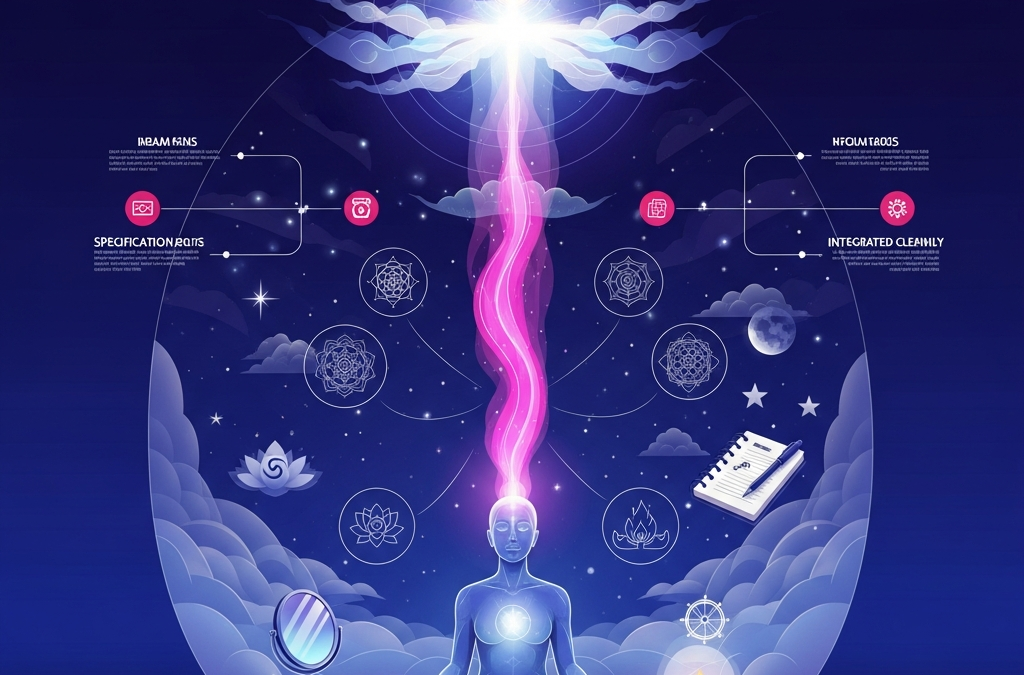
Key Takeaways
- Paramatman as the Source: Paramatman, the Supreme Self, is the ultimate source of all knowledge and subtly communicates through the universal consciousness.
- Mind Purity is Essential: A pure mind, free from ego, desires, and mental agitations, acts as a clear conduit for receiving subtle divine wisdom.
- Dreams as a Gateway: Dreams serve as a significant channel for Paramatman to impart knowledge, guidance, and profound insights, especially when the conscious mind is quiescent.
- Discernment is Key: Differentiating between mundane dreams, psychological projections, and genuine divine communications requires self-awareness, spiritual practice, and often, guidance from experienced teachers.
- Practical Application: The knowledge received in dreams is not merely for contemplation but is meant to be integrated into waking life for spiritual growth, ethical living, and problem-solving.
Introduction
Dreams have captivated humanity for millennia, often seen as windows into hidden truths or messages from the divine. While many dreams are products of our subconscious mind processing daily experiences, spiritual traditions across the globe describe a higher category: dreams imbued with divine knowledge. This article explores the profound concept of how a pure mind receives knowledge from Paramatman in dreams, delving into the spiritual prerequisites, the mechanisms of divine communication, and the practical aspects of discerning and integrating such profound insights. We will examine how cultivating a state of mental purity and receptivity allows an individual to tap into the universal wisdom emanating from Paramatman, the Supreme Self, transforming the dream state into a sacred realm of learning and revelation.
The Spiritual Nexus: Paramatman, Mind, and Dreams
Understanding Paramatman: The Supreme Self
-
Definition and Attributes:
- Paramatman is the ultimate, all-pervading, and immutable reality in spiritual philosophies like Vedanta.
- Attributes include omniscience, omnipotence, and eternal bliss (Sat-Chit-Ananda).
- It is distinct from personal deities (Saguna Brahman) due to its transcendental nature (Nirguna Brahman).
-
Relationship with Jivatman:
- The individual soul (Jivatman) is seen as a reflection of Paramatman.
- Non-duality (Advaita) concept: Jivatman is ultimately Paramatman, obscured by Maya.
-
The Source of All Knowledge:
- Paramatman is the repository of all universal wisdom and cosmic laws.
- All knowledge, scientific or spiritual, originates from this ultimate source.
The Nature of the Human Mind and Consciousness
-
Layers of Consciousness:
- Waking (Jagrat), Dream (Swapna), and Deep Sleep (Sushupti) are the three states of consciousness.
- The fourth state, Turiya, represents transcendental consciousness beyond the three states.
-
The Subconscious and Superconscious Mind:
- The subconscious stores memories, impressions (samskaras), and desires.
- The superconscious mind acts as the gateway to higher truths and divine intuition.
-
Mind as a Receiver and Transmitter:
- The mind is like an antenna or mirror, capable of reflecting or tuning into higher frequencies.
- Mental agitation distorts reception, while stillness enhances it.
The Importance of Mind Purity: Defining the Receptive State
-
Defining ‘Purity’ in a Spiritual Context:
- Freedom from ego (Ahamkara), selfish desires (Kama), and negative emotions like anger and greed.
- Cultivation of Sattva (purity, clarity, harmony) over Rajas (activity, passion) and Tamas (inertia, darkness).
-
Characteristics of a Pure Mind:
- Clarity of thought, inner peace, and a selfless disposition.
- Absence of strong mental projections and biases that distort perception.
-
The Pure Mind as a Clear Channel:
- A purified mind reduces static, allowing for direct communication from higher sources like Paramatman.
Practices for Mind Purification: A Path to Clarity
-
Meditation and Contemplation:
- Techniques like mindfulness, concentration (Dharana), and meditation (Dhyana) to still the mind.
- The role of self-inquiry (Atma-vichara) in dissolving egoic structures.
-
Ethical Living and Selfless Action (Karma Yoga):
- Observance of Yama (restraints) and Niyama (observances) as foundational ethical principles.
- The purifying effect of selfless service and detachment from results.
-
Devotion and Mantra Recitation (Bhakti Yoga & Japa Yoga):
- Cultivating love and surrender to the divine.
- The vibrational cleansing power of sacred sounds and names.
The Phenomenon of Dreams in Spiritual Traditions
Dreams have long been seen as gateways to other dimensions, providing access to hidden truths and universal knowledge. Many spiritual traditions view dreams not merely as subconscious activity but as interactions with subtle realms.
-
Scriptural Perspectives:
- Upanishads, Bhagavad Gita, and esoteric texts discuss the significance of dreams in understanding the divine.
- Dreams are seen as an extension of consciousness into more subtle dimensions.
-
Types of Dreams:
- Psychological Dreams: Related to daily events, subconscious fears, and desires.
- Physiological Dreams: Linked to bodily sensations and states of health.
- Prophetic/Precognitive Dreams: Foreshadowing future events.
- Symbolic Dreams: Conveying messages through metaphor and allegory.
- Divine/Revelationary Dreams: Direct transmission of knowledge or guidance from higher consciousness.
-
Symbolism and Interpretation:
- Understanding the universal and personal nature of dream symbols is crucial.
- Intuitive understanding and inner guidance are key for correct interpretation.
Mechanism of Divine Revelation in Dreams
-
How Paramatman Communicates:
- Direct transmission of pure knowledge (Jnana) or intuitive understanding during dreams.
- Visions and archetypal imagery act as a language of the soul.
- Auditory messages or inner promptings may also be present.
-
The Role of Subtle Bodies and Nadis:
- The energy body (Pranamaya Kosha) and the astral body (Manomaya Kosha) play roles in dream experiences.
- Subtle energy channels (Nadis) facilitate the flow of information.
-
The ‘Sushupti’ State and Profound Insights:
- The deep sleep state, where individual ego dissolves, can precede profound insights.
- These insights carry the essence of Paramatman’s wisdom.
Distinguishing Divine Dreams from Ordinary Ones
-
Characteristics of a Divine Dream:
- Unmistakable clarity, vividness, and a sense of luminosity.
- Profound emotional and spiritual impact, bringing a sense of awe or peace.
- The knowledge received is universal, selfless, and wise.
- Fear, confusion, or egoic satisfaction are absent.
-
Subjective vs. Objective Validation:
- Internal certainty and truth (subjective confirmation).
- External validation through events or spiritual guides (objective confirmation).
-
The Role of a Spiritual Guide (Guru):
- A spiritual teacher provides interpretation and validation of profound dream experiences.
Historical and Scriptural Examples of Dream Knowledge
Exploration of how ancient sages and prophets, as well as mystical traditions, have recognized dreams as conduits of divine wisdom.
-
Ancient Sages and Prophets:
- Vedic texts: Rishis receiving mantras in dreams.
- Abrahamic traditions: Joseph’s dreams, Daniel’s visions.
- Siddhas and yogis obtaining instructions through dreams.
-
Case Study 1:
- A historical figure, such as Lord Rama, receiving knowledge about Sita’s whereabouts through a dream.
- Analysis of the purity of mind required and the dream’s impact.
-
Case Study 2:
- A saint or spiritual leader receiving a teaching that guided a mission or community.
- The role of mental purity and practitioner’s spiritual practices.
Contemporary Case Studies of Dream-Received Wisdom
-
Modern Mystics and Spiritual Practitioners:
- Accounts of receiving guidance or inspiration in dreams.
- Patterns of spiritual practice that lead to these experiences.
-
Personal Testimonials (Anonymized):
- Descriptions of profound shifts in understanding or problem-solving after significant dream experiences.
- The common thread of spiritual inclination or practices.
Cultivating the Mind for Dream Wisdom
-
Pre-Sleep Practices:
- Prayer and Intention Setting: Requesting guidance or understanding before sleep.
- Meditation and Mantra Recitation: Quieting the mind and focusing on divine connection.
- Gratitude and Forgiveness: Clearing emotional baggage before rest.
- Creating a Sacred Space: Ensuring a peaceful sleep environment.
-
Post-Dream Practices:
- Dream Journaling: Recording details, feelings, and symbols upon waking.
- Contemplation and Reflection: Meditating on the dream’s meaning.
- Seeking Guidance: Discussing with a trusted spiritual mentor for insight.
Challenges and Misinterpretations
-
The Pitfalls of Ego and Projection:
- Personal desires and fears can distort dream interpretations.
- Care must be taken not to attribute all dreams to divine origin without discernment.
-
Distinguishing Genuine Guidance from Wishful Thinking:
- The necessity of self-honesty and detachment from outcomes.
- Divine guidance often challenges the ego instead of fulfilling its desires.
-
The Importance of Humility and Discernment:
- Recognizing Paramatman’s wisdom requires humility.
- Developing spiritual discernment through practice and study.
The Integration of Dream Knowledge into Waking Life
-
Applying Insights for Spiritual Growth:
- Utilizing dream revelations to inform meditation practices and ethical decisions.
- Transforming understanding into external actions.
-
Practical Decisions and Problem-Solving:
- Divine dreams can offer solutions to challenges in daily life.
- Translating symbols into concrete steps.
-
Maintaining Continuity of Consciousness:
- Aim to bridge the gap between waking and dream consciousness.
- Lead to sustained awareness of divine presence.
Modern Perspectives and Scientific Inquiry
-
Parapsychology and Consciousness Studies:
- Exploring overlap between ancient spiritual wisdom and modern research.
- Intuition and non-local awareness are fields of active study.
-
Bridging Ancient Wisdom with Contemporary Understanding:
- Modern psychology often fails to grasp the transcendental dimension of dreams.
- Potential for interdisciplinary dialogue to deepen understanding.
-
Limitations of Purely Materialist Views:
- A materialistic framework cannot fully explain the transformative power of divine dreams.
The Journey Towards Uninterrupted Divine Communication
-
The Ultimate Goal: Merging with Paramatman:
- Aspiration of spiritual practice is self-realization (moksha), where individual consciousness merges with the Supreme.
-
Transcending the Need for Dreams for Revelation:
- In higher states of consciousness, insights flow continuously.
- The state of Turiya represents constant awareness of the divine.
-
The State of Turiya and Beyond:
- Experience of Turiya transcends dream, waking, and deep sleep states.
Frequently Asked Questions (FAQ)
- Q1: Can anyone receive knowledge from Paramatman in dreams?
- Potentially, yes, as Paramatman is within all. Clarity and reception depend on the purity of mind and spiritual receptivity.
- Q2: How do I know if my dream is from Paramatman or my subconscious?
- Divine dreams have clarity, truth, impart universal wisdom, evoke deep peace, and lack ego-driven qualities.
- Q3: What if I don’t remember my dreams?
- Dream recall can be enhanced by setting an intention, keeping a journal, and practicing meditation.
- Q4: Is it dangerous to seek divine knowledge through dreams?
- Seeking divine knowledge is safe but requires grounding in spiritual practice to avoid misinterpretation.
- Q5: How long does it take to cultivate a pure mind?
- Mind purification is a lifelong endeavor dependent on dedication and sincerity.
Conclusion
The journey to understanding how a pure mind receives knowledge from Paramatman in dreams illuminates a profound aspect of spiritual life. It reveals that our dream state is not merely a passive realm but a potential conduit for universal wisdom, provided the mind is prepared to receive it. By cultivating purity of thought, intention, and action, individuals can transform their consciousness into a clear mirror, reflecting the subtle guidance and profound insights emanating from Paramatman. While discernment and humility are paramount in interpreting these divine messages, the consistent practice of spiritual disciplines ultimately opens the gateway to a richer, more integrated experience of reality, bridging the conscious and superconscious, and leading to a life imbued with divine wisdom and purpose. This path invites exploration of the inner being to connect with the Supreme Self, unlocking knowledge that transcends ordinary understanding.