
Natural Remedies for Mouth Sores That Genuinely Help

Natural Remedies for Mouth Sores That Genuinely Help

Natural Remedies for Mouth Sores That Genuinely Help

Eating breakfast stings, talking feels like an effort, and even your own toothbrush suddenly feels like the enemy — a mouth sore has a way of making an ordinary day genuinely uncomfortable. If you’re searching for natural remedies for mouth sores, the good news is that most canker sores heal on their own within one to two weeks, and a few genuinely soothing, low-risk remedies can ease the pain while that happens. This guide covers what actually helps, the well-meaning remedies that sting more than they soothe, how to tell a common canker sore apart from something that needs a dentist’s attention, and simple habits that reduce how often they come back.

Quick Answer

For mouth sore relief, rinse gently with warm salt water two to three times a day, avoid spicy, acidic, or rough-textured foods while it heals, and use a soft-bristled toothbrush. Honey applied directly can also soothe pain. Most canker sores heal within one to two weeks on their own; a sore lasting longer, an unusually large sore, or one with fever needs a dentist or doctor’s attention.

Key Takeaways

  • Warm salt water rinses are one of the simplest, most consistently recommended remedies.
  • Most canker sores heal within one to two weeks without any treatment at all.
  • Some popular remedies (like alum powder) can sting significantly and aren’t necessary for mild sores.
  • Avoiding spicy, acidic, and rough foods reduces irritation while a sore heals.
  • Canker sores are not contagious, unlike cold sores, which are a different condition entirely.
  • Frequent or unusually large mouth sores are worth mentioning to a dentist.

Why Trust This Guide

This guide was written and reviewed by the Spiritual Meditation Yoga Editorial Team. We’ve deliberately left out stinging, aggressive remedies like alum powder that some sites recommend without much caveat, focusing instead on gentle, well-established options, and we’ve been clear about the point where a mouth sore needs a dentist’s eyes on it rather than another home remedy.

Canker Sores vs. Cold Sores: Knowing the Difference

Most “mouth sores” people search for natural remedies for are canker sores (aphthous ulcers) — small, round, yellowish-white sores inside the mouth, on the cheeks, tongue, or gums. They’re not contagious and are often linked to minor mouth injury, stress, acidic or spicy foods, or nutritional factors.

Cold sores are a different condition entirely — caused by the herpes simplex virus, they typically appear on or around the lips (not usually inside the mouth) and are contagious. The remedies below are for canker sores; cold sores need a different approach and, if frequent or severe, a conversation with a doctor about antiviral options.

natural remedies for mouth sores

Remedies That Genuinely Soothe the Pain

  • Warm salt water rinse: Dissolve a small amount of salt in warm water and gently swish for around 30 seconds, a few times a day. This is one of the simplest, gentlest, most consistently recommended remedies.
  • Honey: Dabbed directly onto the sore, honey has natural soothing properties and can ease discomfort for many people.
  • Cold compress or ice chip: Gently holding something cold near the sore (not pressed hard against it) can numb pain temporarily.
  • Chamomile tea compress: A cooled, damp chamomile tea bag held gently against the sore can have a soothing effect for some people.
  • Yoghurt with live cultures: Some people find plain yoghurt soothing and supportive for general mouth comfort, particularly if sores seem linked to digestive factors.

Editor’s Insight: Gentleness matters more than intensity here — remedies that sting on application (like undiluted apple cider vinegar or alum powder) don’t necessarily heal the sore any faster, they just make the days until it heals more uncomfortable.

Foods and Habits to Avoid While Healing

  • Spicy and acidic foods — citrus, tomatoes, and spicy dishes can irritate an already-sensitive sore.
  • Crunchy or rough-textured foods — crisps, toast, and similar foods can physically catch or scrape the sore.
  • Hard-bristled toothbrushes — switch to soft-bristled while healing, and brush gently around the area.
  • Very hot drinks — can increase discomfort around an already-irritated sore.

Reducing How Often They Come Back

Since stress, minor mouth injury, and certain foods are common triggers, a few habits can meaningfully reduce how often canker sores recur: managing stress levels, using a soft-bristled toothbrush consistently (not just during a flare-up), being mindful with foods that have triggered sores before, and maintaining generally good oral hygiene. If sores recur frequently, it’s worth mentioning to a dentist, since nutritional factors (like vitamin B12, iron, or folate levels) are sometimes involved.

Common Mistakes That Make Mouth Sores Worse

Mistake 1: Using aggressive, stinging remedies on a mild sore. Why it happens: stronger-feeling remedies seem like they should work better. Why it matters: irritants like alum powder or undiluted vinegar sting significantly without necessarily speeding healing. Better approach: start with gentle options like salt water and honey.

Mistake 2: Picking at or repeatedly touching the sore. Why it happens: it’s an almost automatic habit when something feels uncomfortable. Why it matters: repeated irritation can delay healing and increase pain. Better approach: let it heal undisturbed and avoid probing it with your tongue or fingers.

Mistake 3: Continuing to eat known trigger foods. Why it happens: it’s easy to forget in the moment. Why it matters: spicy or acidic foods can re-irritate the sore and prolong discomfort. Better approach: avoid known triggers until the sore has fully healed.

Mistake 4: Assuming it’s “just a canker sore” without checking the pattern. Why it happens: canker sores are so common that most people don’t think twice. Why it matters: sores that are unusually large, don’t heal within a couple of weeks, or recur very frequently can indicate something worth a dentist’s attention. Better approach: track how often and how severely they occur, and mention a changing pattern to a dentist.

Mistake 5: Confusing a canker sore with a cold sore. Why it happens: both are commonly called “mouth sores.” Why it matters: cold sores are contagious and need a different approach, including care not to spread them. Better approach: canker sores are inside the mouth and not contagious; cold sores usually appear on the lip edge and are contagious — treat them differently.

A Real-World Scenario: Healing a Canker Sore

Illustrative Scenario

This is a composite example built from common experiences, not a verified individual case. Sofia, a 24-year-old who noticed a painful sore inside her cheek after accidentally biting it, started warm salt water rinses three times a day and switched to a soft-bristled toothbrush immediately. On day 1–2, eating was still uncomfortable, especially anything acidic, so she avoided citrus and spicy food entirely. By day 5, the sharpest pain had eased significantly, though the sore was still visible. By day 10, it had fully healed, following the typical one-to-two-week timeline for an uncomplicated canker sore.

Noticeable pain reduction within the first week, with full healing by around ten to fourteen days, is the typical pattern for an uncomplicated canker sore, though timelines vary and a sore that doesn’t follow this pattern is worth a dentist’s attention.

Which Remedy Fits Your Situation?

Your Situation Try This
Mild discomfort, early stage Warm salt water rinse, 2–3 times daily
Sharp pain when eating Honey dabbed directly, avoid trigger foods
Wanting quick, temporary numbing Cold compress or ice chip, held gently
Frequent recurring sores Review stress levels, toothbrush type, and mention the pattern to a dentist
Sore on the outer lip, tingling before appearing Likely a cold sore, not a canker sore — different care needed

Comparison: Mouth Sore Remedies by Comfort Level

Remedy Comfort Level Notes
Warm salt water rinse Gentle, mild sting Good first choice for most people
Honey Very gentle Pleasant taste, easy to apply
Chamomile tea compress Very gentle Cool the tea bag first
Cold compress/ice Gentle, temporary numbing Don’t press hard or hold too long
Alum powder / undiluted vinegar Noticeably stings Not necessary for mild sores; skip unless a dentist suggests it

Mouth Sore Relief Checklist

Checklist 1: When It Appears

  • Start warm salt water rinses, 2–3 times a day
  • Switch to a soft-bristled toothbrush
  • Avoid spicy, acidic, and rough-textured foods
  • Resist the urge to touch or probe it

Checklist 2: While It Heals (1–2 Weeks)

  • Keep rinsing consistently, not just when it hurts
  • Track how many days it’s taken so far
  • Note if it’s unusually large or painful compared to past sores
  • Book a dentist visit if it hasn’t healed within two weeks

When to See a Dentist or Doctor

Important Safety Note

See a dentist or doctor if a mouth sore lasts longer than two to three weeks, is unusually large, keeps recurring frequently, comes with a fever, or makes it difficult to eat or drink. These can be signs of a different underlying cause that needs proper assessment rather than continued home care. This guide is educational and isn’t a substitute for professional medical or dental advice.

Frequently Asked Questions

What’s the fastest natural remedy for a mouth sore?

A warm salt water rinse a few times a day is one of the gentlest, most consistently helpful options, alongside dabbing a little honey directly onto the sore.

Does honey really help mouth sores?

Yes, for many people — honey has natural soothing properties and can ease discomfort when applied directly to a canker sore a few times a day.

How long do canker sores usually last?

Most canker sores heal on their own within one to two weeks, even without treatment, though remedies can ease the discomfort during that time.

What’s the difference between a canker sore and a cold sore?

Canker sores appear inside the mouth and aren’t contagious, while cold sores typically appear on the outer lip, are caused by a virus, and are contagious.

What foods should I avoid with a mouth sore?

Avoid spicy, acidic, and rough-textured foods, which can irritate the sore further and slow how comfortable the healing process feels.

Are mouth sores a sign of a vitamin deficiency?

Sometimes — frequent canker sores are occasionally linked to low vitamin B12, iron, or folate levels, which is worth mentioning to a dentist or doctor if sores keep recurring.

When should I see a dentist about a mouth sore?

See a dentist if a sore lasts more than two to three weeks, is unusually large, recurs frequently, or comes with fever or difficulty eating.

Sources & References

  • General principles reflect widely recognised, low-risk approaches to canker sore relief (salt water rinses, honey, avoiding trigger foods) and standard dental guidance on when a mouth sore needs professional assessment. Readers with sores that are unusually large, frequent, persistent, or accompanied by fever should consult a dentist or doctor rather than rely on home remedies alone.

About the Author

Written and reviewed by the Spiritual Meditation Yoga Editorial Team. We publish educational content on natural wellness, meditation, yoga, mindfulness, spirituality, and holistic wellbeing, prioritising clear explanations, responsible guidance, and a transparent distinction between general home-care tips and situations that need professional medical or dental attention.

This content is for educational purposes only and is not a substitute for professional medical or dental advice.

Last reviewed: September 2026

Conclusion

Most mouth sores are uncomfortable rather than serious, and heal on their own within one to two weeks with a little gentle support — warm salt water, honey, and avoiding trigger foods do most of the work without any need for stinging, aggressive remedies. Keep an eye on the pattern, and let a sore that’s unusually large, frequent, or slow to heal be your signal to see a dentist rather than reach for another home fix.

Flu Treatment at Home: Natural Ways to Feel Better

Flu Treatment at Home: Natural Ways to Feel Better

Flu Treatment at Home: Natural Ways to Feel Better

Every joint aches, the chills won’t quit, and getting off the sofa to make tea feels like an Olympic event — the flu has a way of flattening you fast. If you’re researching flu treatment at home, the honest starting point is that there’s no natural remedy that cures the flu outright; recovery mostly comes down to giving your body what it needs to fight the virus, while easing the specific symptoms making you miserable along the way. This guide covers what genuinely helps with fever, aches, and congestion, the mistakes that can slow recovery or spread the virus further, and the fever and symptom thresholds that mean it’s time to call a doctor rather than wait it out at home.

Quick Answer

For flu treatment at home: rest as much as possible, drink plenty of fluids to prevent dehydration, and use warm compresses or a warm bath to ease body aches. Steam inhalation and saltwater gargles can ease congestion and a sore throat. Most flu symptoms improve within a week to ten days; seek medical care for a high fever, breathing difficulty, or symptoms that worsen instead of improving.

Key Takeaways

  • Rest and hydration aren’t just “obvious” advice — they’re genuinely the biggest factors in recovery speed.
  • Fever is your body fighting the infection; a warm bath and fluids ease discomfort without lowering your body’s own defences.
  • Warm, moist air eases both congestion and sore throat symptoms.
  • Staying home while contagious protects others, not just yourself.
  • A high fever (above 39.4°C/103°F), breathing difficulty, or chest pain are signs to seek medical care.
  • Antibiotics don’t work on the flu, since it’s caused by a virus, not bacteria.

Why Trust This Guide

This guide was written and reviewed by the Spiritual Meditation Yoga Editorial Team. We’ve deliberately left out remedies involving alcohol, which some sites recommend for flu symptoms despite alcohol working against your body’s ability to recover — our focus is on genuinely restful, low-risk approaches with clear thresholds for when home care isn’t enough.

What’s Happening When You Have the Flu

Influenza (flu) is a viral infection that typically comes on suddenly, causing fever, chills, body aches, fatigue, and often a cough or sore throat. It’s caused by a virus, which means antibiotics won’t help — your body needs time and the right conditions to fight it off.

Most healthy adults recover from the flu within about a week to ten days with rest and supportive home care. Certain groups — including young children, older adults, pregnant women, and people with chronic health conditions — are at higher risk of complications and should have a lower threshold for seeking medical advice.

Easing Fever and Body Aches

  • A warm (not hot) bath or a warm compress can ease muscle aches without shocking your system.
  • Dress lightly and use a light blanket — overheating with too many layers can make fever discomfort worse.
  • Rest, rest, and more rest — your body directs more energy toward fighting the infection when it isn’t also managing daily activity.
  • Stay hydrated — fever increases fluid loss, so replacing it supports your body’s recovery process.

Editor’s Insight: Fever itself is a sign your immune system is actively working, not just an unpleasant symptom to eliminate — the goal with home care is comfort, not aggressively “breaking” a fever that isn’t dangerously high.

Easing Congestion and a Sore Throat

  • Steam inhalation — a hot shower or a bowl of hot (not boiling) water helps loosen congestion and soothe irritated airways.
  • Saltwater gargle — dissolving a small amount of salt in warm water and gargling eases throat pain and can help wash out irritants.
  • A humidifier in your bedroom, kept clean, adds moisture to dry indoor air and can ease both congestion and coughing.
  • Warm broth or soup — genuinely helpful for both hydration and easing throat and congestion discomfort, not just comfort food.

Why Rest and Hydration Do Most of the Work

It’s tempting to look past “rest and drink fluids” for something that feels more active, but these two factors have the biggest genuine impact on how quickly you recover. Good sleep supports immune function, and adequate hydration keeps your throat, nose, and airways from drying out — which reduces irritation and helps your body clear the infection more efficiently. Water, diluted juice, and warm herbal tea with honey all count; avoid alcohol and go easy on caffeine, both of which can worsen dehydration.

Common Mistakes When Treating Flu at Home

Mistake 1: Trying to push through work or normal activity. Why it happens: responsibilities don’t pause for illness. Why it matters: it slows recovery and risks spreading the virus to others. Better approach: rest as fully as your circumstances allow, and stay home while contagious.

Mistake 2: Using alcohol as a “remedy.” Why it happens: some traditional home remedies include a warm alcoholic drink. Why it matters: alcohol interferes with your body’s ability to heal and can worsen dehydration. Better approach: stick to non-alcoholic warm fluids like herbal tea with honey.

Mistake 3: Over-layering blankets and clothing to “sweat out” a fever. Why it happens: it feels intuitive to bundle up when you have chills. Why it matters: overheating can make fever discomfort worse and increase dehydration. Better approach: dress lightly and use a light blanket, adjusting for comfort rather than trying to induce sweating.

Mistake 4: Expecting antibiotics to help. Why it happens: antibiotics are a common go-to for feeling unwell. Why it matters: the flu is caused by a virus, and antibiotics only work on bacterial infections — taking them unnecessarily contributes to antibiotic resistance. Better approach: focus on rest, fluids, and symptom relief; antiviral medication (if appropriate) needs to come from a doctor, and only helps if started early.

Mistake 5: Not isolating from others while contagious. Why it happens: it’s easy to underestimate how contagious flu is in the first few days. Why it matters: flu spreads easily, particularly to those at higher risk of complications. Better approach: stay home and limit close contact until your fever has been gone for at least 24 hours without medication.

A Real-World Scenario: A Week with the Flu

Illustrative Scenario

This is a composite example built from common experiences, not a verified individual case. Marcus, a 40-year-old who came down with sudden fever and body aches, spent the first two days almost entirely resting, drinking water and herbal tea, and using a warm compress for his aches — the fever was uncomfortable but manageable, and he tracked it a couple of times a day rather than obsessively. By day 4, the fever had eased and congestion became the main issue, which he managed with steam inhalation and a bedroom humidifier. By day 7, most symptoms had resolved, though a mild lingering tiredness continued for a few more days — a common pattern as the body finishes recovering even after the main symptoms fade.

A pattern of fever and aches dominating the first few days, followed by congestion, and gradual full recovery within a week to ten days, is typical for uncomplicated flu, though individual experiences and timelines vary and this isn’t a guaranteed outcome.

Which Remedy Fits Your Symptom?

Symptom Try This
Fever and body aches Warm bath/compress, light layers, rest
Nasal congestion Steam inhalation, humidifier
Sore throat Saltwater gargle, warm honey tea
Fatigue Prioritise sleep and rest over activity
Nausea Small sips of fluid rather than large gulps

Comparison: Home Remedies by What They Help

Remedy Helps With
Rest Overall recovery speed
Fluids (water, tea, broth) Dehydration, sore throat, overall recovery
Warm bath/compress Body aches, chills
Steam/humidifier Congestion, cough
Saltwater gargle Sore throat

Flu Recovery Checklist

Checklist 1: Day One

  • Rest as fully as possible and stay home
  • Start drinking fluids regularly, not just when thirsty
  • Dress in light layers rather than bundling up heavily
  • Track your temperature a couple of times a day

Checklist 2: The Rest of the Week

  • Use steam or a humidifier for congestion
  • Gargle saltwater for a sore throat
  • Stay isolated until 24 hours fever-free without medication
  • Watch for symptoms that need medical attention
natural remedies for mouth sores

When Flu Needs Medical Attention

Important Safety Note

Seek medical attention for a high fever (above 39.4°C/103°F) that doesn’t respond to home care, difficulty breathing, chest pain, persistent dizziness, symptoms that improve then suddenly worsen, or if you can’t keep fluids down. People who are pregnant, elderly, very young, or have a chronic health condition should have a lower threshold for calling a doctor early, since antiviral medication works best when started soon after symptoms begin. This guide is educational and isn’t a substitute for professional medical advice.

Frequently Asked Questions

What’s the best home remedy for flu symptoms?

Rest and staying well hydrated have the biggest overall impact on recovery, with warm compresses for aches, steam for congestion, and saltwater gargles for a sore throat targeting specific symptoms.

Do antibiotics help with the flu?

No — the flu is caused by a virus, and antibiotics only treat bacterial infections. Taking them unnecessarily doesn’t help and contributes to antibiotic resistance.

Should I try to sweat out a fever?

No — over-bundling to induce sweating can worsen discomfort and dehydration. Dress lightly and use a light blanket instead, focusing on comfort.

How long does the flu usually last?

Most healthy adults recover within about a week to ten days, though fatigue can linger a little longer even after the main symptoms improve.

Is chicken soup actually helpful for the flu?

There’s some genuine support for it — warm broth-based soup helps with hydration and can ease congestion and throat discomfort, beyond just being comforting.

When should I see a doctor for the flu?

See a doctor for a high fever that isn’t responding to home care, difficulty breathing, chest pain, or symptoms that improve and then suddenly worsen.

Can I prevent spreading the flu to my family?

Staying home while contagious, washing hands frequently, and avoiding close contact until you’ve been fever-free for at least 24 hours without medication all help reduce spread.

Sources & References

  • General principles reflect widely recognised, low-risk approaches to flu symptom relief (rest, hydration, warmth, steam) and standard fever/symptom thresholds for seeking medical care. Readers who are pregnant, elderly, very young, immunocompromised, or have chronic health conditions should have a lower threshold for contacting a doctor early rather than relying on home remedies alone.

About the Author

Written and reviewed by the Spiritual Meditation Yoga Editorial Team. We publish educational content on natural wellness, meditation, yoga, mindfulness, spirituality, and holistic wellbeing, prioritising clear explanations, responsible guidance, and a transparent distinction between general home-care tips and situations that need professional medical attention.

This content is for educational purposes only and is not a substitute for professional medical advice.

Last reviewed: September 2026

Conclusion

There’s no shortcut through the flu, but rest, hydration, and a few targeted comfort measures — warmth for aches, steam for congestion, saltwater for a sore throat — genuinely support your body while it does the real work. Watch for the fever and breathing thresholds that mean it’s time to call a doctor, and give yourself real permission to do less than usual until you’re fully back on your feet.

Cure for Cough: Natural Remedies That Actually Help

Cure for Cough: Natural Remedies That Actually Help

Cure for Cough: Natural Remedies That Actually Help

That tickle at the back of your throat has turned into a full-blown coughing fit in the middle of a meeting, and you’re desperately searching for a cure for cough that doesn’t involve a pharmacy trip. Here’s the honest truth most guides skip: there’s no instant “cure” that stops a cough dead — a cough is your body clearing irritation from your airways, and the goal is easing it while your body does its job, not switching it off entirely. This guide walks through what genuinely soothes a cough at home, how a wet cough and a dry cough actually need different approaches, the well-meaning remedies that don’t hold up, and exactly when a “just a cough” stops being something to self-treat.

Quick Answer

There’s no instant cure for a cough, but honey (for adults and children over 1 year), warm fluids, and steam inhalation genuinely ease symptoms. A dry, tickly cough responds well to honey and hydration; a wet, mucus-producing cough benefits more from steam and staying hydrated to thin mucus. A cough lasting more than three weeks, or one with chest pain or breathlessness, needs medical attention rather than more home remedies.

Key Takeaways

  • Honey is genuinely one of the best-supported natural cough remedies — but never for babies under 1 year old.
  • Dry coughs and wet (productive) coughs respond better to slightly different approaches.
  • Staying hydrated is one of the simplest, most under-rated cough remedies.
  • Steam inhalation eases both types of cough by soothing and moistening irritated airways.
  • A cough lasting more than three weeks is classed as persistent and worth a GP visit.
  • “Natural” remedies aren’t automatically safe to combine with medication — check with a pharmacist if you’re unsure.

Why Trust This Guide

This guide was written and reviewed by the Spiritual Meditation Yoga Editorial Team. We’ve been upfront that there’s no magic “cure” for a cough, rather than promising one to chase a keyword — and we’ve flagged the honey-and-infants safety point clearly, since it’s a genuine risk that some remedy lists leave out entirely.

Why You Cough (and Why There’s No Instant Cure)

Coughing is a reflex your body uses to clear irritants, mucus, or foreign particles from your airways. Most coughs linked to a cold or minor throat irritation are your body doing exactly what it’s supposed to — which is why there’s no genuine “cure” that switches it off instantly; the aim of natural remedies is to soothe irritation and support your body while the underlying cause (usually a viral infection) runs its course.

Coughs are broadly grouped as dry (no mucus, often a tickly, irritating sensation) or wet/productive (bringing up mucus). Knowing which type you have makes a real difference to which remedies will actually help.

cure for cough

Dry Cough vs. Wet Cough: Different Remedies for Each

  • Dry, tickly cough: Responds best to soothing, coating remedies — honey, warm fluids, and lozenges that keep the throat moist.
  • Wet, productive cough (bringing up mucus): Benefits more from staying well hydrated (which thins mucus, making it easier to clear) and steam inhalation.

Both types benefit from humid air and avoiding irritants like smoke, but matching the specific remedy to the type gives noticeably better relief than following a generic list.

Soothing Remedies That Genuinely Help

  • Honey — a teaspoon on its own, or stirred into warm water or herbal tea, is one of the best-supported natural cough remedies for adults and children over 1 year old. Never give honey to a baby under 12 months due to the risk of infant botulism.
  • Warm fluids — herbal tea, warm water with lemon, or clear broth soothe throat irritation and keep you hydrated.
  • Steam inhalation — sitting in a steamy bathroom or breathing in steam from a bowl of hot water (never boiling water directly) helps loosen mucus and soothe dry, irritated airways.
  • Saltwater gargle — dissolving a small amount of salt in warm water and gargling can ease throat irritation that triggers coughing, particularly helpful for a scratchy throat alongside the cough.
  • Staying upright — especially useful if your cough is worse when lying down, since it reduces post-nasal drip and reflux-related irritation.

Editor’s Insight: Most people reach for a cough remedy only when the coughing fit hits, but sipping warm fluids consistently throughout the day — not just when symptoms flare — keeps the throat from drying out in the first place.

Easing a Cough at Night

A cough that worsens at night is extremely common and often linked to lying flat, which can worsen post-nasal drip and reflux. Propping yourself up slightly with an extra pillow, having a spoonful of honey before bed, and running a cool-mist humidifier in the bedroom can all meaningfully reduce nighttime coughing.

Common Mistakes When Treating a Cough at Home

Mistake 1: Giving honey to a baby under 1 year old. Why it happens: honey is widely recommended for cough relief, and this exception isn’t always mentioned. Why it matters: honey can contain spores that cause infant botulism, a serious illness in babies. Better approach: never give honey to infants under 12 months; speak to a health visitor or GP about safe alternatives for babies.

Mistake 2: Using the wrong remedy for the wrong cough type. Why it happens: most lists don’t distinguish dry from wet coughs. Why it matters: a remedy suited to a dry cough may do little for a mucus-heavy wet cough, and vice versa. Better approach: identify your cough type first, then match the remedy.

Mistake 3: Relying on unregulated herbal supplements without checking with a professional. Why it happens: they feel like a natural, low-risk option. Why it matters: herbal products aren’t tightly regulated and can interact with medications or vary in quality. Better approach: check with a pharmacist or doctor before combining herbal remedies with any regular medication.

Mistake 4: Ignoring a cough that’s lasted more than three weeks. Why it happens: it’s easy to assume a lingering cough will resolve on its own. Why it matters: a cough persisting beyond three weeks is classed as “persistent” and can indicate something needing medical assessment. Better approach: book a GP appointment if a cough hasn’t improved within three weeks.

Mistake 5: Breathing steam from boiling water directly on the stove. Why it happens: it seems like the most direct way to get steam. Why it matters: this creates a genuine scald risk, especially for children. Better approach: use a bowl of hot (not boiling) water away from the stove, or a steamy shower instead.

A Real-World Scenario: Five Days of a Lingering Cough

Illustrative Scenario

This is a composite example built from common experiences, not a verified individual case. Daniel, a 33-year-old with a dry, tickly cough following a cold, started with honey in warm water three times a day and noticed his throat felt less irritated within the first day, though the cough itself persisted. By day 3, he added steam inhalation before bed and propped himself up slightly with an extra pillow, and his nighttime coughing noticeably eased, letting him sleep through more consistently. By day 5, the cough had become milder and less frequent overall, following the typical pattern of a cold-related cough gradually settling.

A gradual easing over the first week, with better sleep once nighttime-specific changes are made, is a commonly reported pattern for cold-related coughs — though timelines vary, and a cough that isn’t improving by three weeks needs medical assessment rather than continued home care.

Which Remedy Fits Your Cough?

Your Cough Try This First
Dry, tickly, no mucus Honey in warm water, lozenges
Wet, bringing up mucus Extra hydration + steam inhalation
Worse at night Extra pillow to prop up + honey before bed
Accompanied by a scratchy sore throat Warm saltwater gargle
Lasting more than 3 weeks See a GP — this needs assessment, not more remedies

Comparison: Cough Remedies by What They Do

Remedy Best For Notes
Honey Dry, tickly cough Never for babies under 1 year
Steam inhalation Both dry and wet cough Use hot, not boiling, water
Warm fluids/broth Both, plus general hydration Sip consistently, not just when symptoms flare
Saltwater gargle Cough with scratchy throat Don’t swallow the rinse
Cool-mist humidifier Nighttime cough Clean regularly to avoid mould/dust mites

Cough Relief Checklist

Checklist 1: Right Now

  • Identify whether your cough is dry or wet
  • Have a spoonful of honey (if over 1 year old) or a warm drink
  • Try steam inhalation if congested
  • Stay upright rather than lying flat

Checklist 2: Ongoing Care

  • Sip warm fluids consistently through the day
  • Run a cool-mist humidifier at night if the cough disturbs sleep
  • Track how many days you’ve had the cough
  • Book a GP appointment if it passes three weeks or worsens

When a Cough Needs a Doctor

Important Safety Note

See a GP if your cough lasts more than three weeks, if you cough up blood, if you have chest pain or breathlessness, unexplained weight loss, or a high fever that doesn’t improve. Seek urgent medical care for severe difficulty breathing. Never give honey to a baby under 12 months. This guide is educational and isn’t a substitute for professional medical advice.

Frequently Asked Questions

Is there a real cure for a cough?

Not an instant one — a cough is your body’s way of clearing irritation, usually from a viral infection. Natural remedies soothe symptoms and support recovery rather than switching the cough off immediately.

Does honey actually help a cough?

Yes, for adults and children over 1 year old, honey is one of the better-supported natural cough remedies, particularly for a dry, tickly cough. It should never be given to babies under 12 months.

What’s the difference between treating a dry cough and a wet cough?

A dry cough responds best to soothing, coating remedies like honey and warm fluids, while a wet, mucus-producing cough benefits more from hydration and steam to help thin and clear mucus.

How can I stop coughing at night?

Prop yourself up with an extra pillow, have a spoonful of honey before bed, and run a cool-mist humidifier in your bedroom.

Can steam inhalation really help a cough?

Yes — breathing in warm, moist air helps loosen mucus and soothes irritated airways for both dry and wet coughs. Use hot, not boiling, water for safety.

How long is too long for a cough?

A cough lasting more than three weeks is classed as persistent and is worth discussing with a GP, especially if it’s not improving or is accompanied by other symptoms.

Can I combine natural remedies with cough medicine?

Often yes, but herbal remedies specifically can interact with medications, so it’s worth checking with a pharmacist or GP if you’re taking other medicines regularly.

Sources & References

  • General principles reflect widely recognised, low-risk approaches to cough relief (honey, hydration, steam) and standard safety guidance (no honey under 12 months, three-week persistent cough threshold). Readers with severe, unusual, or persistent symptoms should consult a GP rather than rely on home remedies alone.

About the Author

Written and reviewed by the Spiritual Meditation Yoga Editorial Team. We publish educational content on natural wellness, meditation, yoga, mindfulness, spirituality, and holistic wellbeing, prioritising clear explanations, responsible guidance, and a transparent distinction between general home-care tips and situations that need professional medical attention.

This content is for educational purposes only and is not a substitute for professional medical advice.

Last reviewed: September 2026

Conclusion

There’s no single “cure” for a cough, but matching the right remedy to your cough type — honey and warm fluids for dry, hydration and steam for wet — genuinely eases symptoms while your body does the underlying work. Keep an eye on the three-week mark, and treat a lingering or worsening cough as a reason to see a GP rather than a reason to try one more home remedy.

Natural Ways to Get Rid of a Headache: 9 Simple Tips

Natural Ways to Get Rid of a Headache: 9 Simple Tips

Natural Ways to Get Rid of a Headache Without Medication

Your temples are throbbing, the light feels too bright, and reaching for another painkiller feels like the only option — except you’d rather not, or you’ve already had one today. If you’re looking for natural ways to get rid of a headache, the technique that actually helps depends heavily on what’s causing it: a dehydration headache doesn’t respond to the same thing as a tension headache from hunching over a laptop all day. This guide walks through how to match the right natural approach to your specific headache, the mistakes that quietly make headaches worse, and — because this matters — the warning signs that mean a headache needs urgent medical attention rather than another cup of water.

Quick Answer

To ease a headache naturally: drink a full glass of water first, since dehydration is a common trigger. For tension headaches, try a warm compress on your neck and shoulders plus gentle stretching; for a throbbing headache, a cold compress on your forehead can help. Resting somewhere dark and quiet, reducing screen time, and slow breathing all support relief across most headache types.

Key Takeaways

  • Water is the single most under-used natural headache remedy — dehydration is a very common trigger.
  • Tension headaches and throbbing headaches respond better to different temperature therapy (warm vs. cold).
  • Screen time and posture are frequently overlooked contributors, not just food or stress.
  • Gentle neck and shoulder stretching can ease tension-related headaches within minutes.
  • A headache diary helps identify personal triggers faster than generic advice.
  • Certain headache symptoms need urgent medical attention rather than home remedies — covered below.

Why Trust This Guide

This guide was written and reviewed by the Spiritual Meditation Yoga Editorial Team. As a site built around meditation, yoga, and mindfulness, we’ve focused this guide on the mind-body techniques we genuinely understand well, alongside standard low-risk lifestyle advice — and we’ve included clear, upfront red-flag symptoms rather than burying them at the bottom, because knowing when to stop self-treating matters as much as the remedies themselves.

Why Headaches Happen (and Why the Type Matters)

Most everyday headaches fall into a few common categories: tension headaches (often from stress, posture, or screen strain), dehydration headaches, sinus-related headaches, and headaches linked to skipped meals or poor sleep. Migraines are a distinct, more intense condition with their own triggers and treatment needs.

The reason “just drink water and lie down” doesn’t always work is that different headache types respond to different approaches — a tension headache from hunched shoulders needs a different response than one caused by dehydration or eye strain. Identifying the likely type, even roughly, makes natural relief far more effective than following a one-size-fits-all list.

Quick Relief Techniques by Headache Type

  • Dehydration headache (dull, whole-head ache, often with thirst or fatigue): Drink a full glass of water and wait 20–30 minutes before trying anything else — this alone resolves many mild dehydration headaches.
  • Tension headache (band-like pressure, often with tight shoulders or neck): Apply a warm compress to your neck and shoulders, and gently roll your shoulders and stretch your neck side to side.
  • Throbbing or migraine-type headache: Rest in a dark, quiet room with a cold compress on your forehead or temples; avoid screens and strong smells.
  • Sinus-related headache (pressure around eyes/cheeks): A warm compress over the sinuses and staying well hydrated can ease pressure; steam inhalation may also help some people.

Mind-Body Techniques: Breathing, Stretching, and Rest

Since stress and muscle tension are common headache triggers, techniques that calm the nervous system and release physical tension are genuinely useful tools:

  • Slow breathing: A few minutes of slow, extended-exhale breathing can ease the physical tension that feeds a stress-related headache.
  • Gentle neck and shoulder stretches: Slowly tilting your head side to side and rolling your shoulders can release the muscle tension behind many tension headaches.
  • A short break from screens: Even five minutes looking at something distant, away from a screen, can ease eye-strain-related headaches.
  • A brief lie-down in a dark room: Particularly effective for throbbing or light-sensitive headaches.

Editor’s Insight: A quick meditation-style pause — sitting quietly with slow breathing for even three minutes — often does more for a stress headache than people expect, precisely because it addresses the muscle tension rather than just the pain signal.

Daily Habits That Prevent Headaches Before They Start

  • Consistent hydration throughout the day, not just when you notice thirst.
  • Regular meals — skipping meals is a common, underrated headache trigger.
  • Screen breaks every 30–45 minutes if you work at a computer, using the 20-20-20 rule (every 20 minutes, look at something 20 feet away for 20 seconds).
  • Consistent sleep timing — both too little and too much sleep can trigger headaches for some people.
  • Reviewing posture at your desk, particularly screen height and shoulder position.

Common Mistakes That Make Headaches Worse

Mistake 1: Reaching for caffeine as a default fix. Why it happens: caffeine can genuinely help some headaches. Why it matters: it can also trigger headaches in people who are caffeine-sensitive, and withdrawal from regular caffeine is itself a common headache cause. Better approach: notice whether caffeine helps or worsens your specific headaches before relying on it.

Mistake 2: Staying on screens through a tension headache. Why it happens: work doesn’t pause for a headache. Why it matters: continued screen strain feeds the exact muscle tension causing the headache. Better approach: take even a five-minute screen break at the first sign of tension building.

Mistake 3: Skipping meals when busy or stressed. Why it happens: stress often suppresses appetite. Why it matters: skipped meals are a common, underestimated headache trigger. Better approach: keep a simple snack accessible on demanding days.

Mistake 4: Using the wrong temperature therapy for your headache type. Why it happens: people default to whichever they have handy. Why it matters: cold can worsen some tension headaches, and heat can worsen some throbbing headaches. Better approach: match warm compresses to tension/stiffness and cold compresses to throbbing pain.

Mistake 5: Ignoring a recurring pattern instead of tracking it. Why it happens: individual headaches feel like one-off events. Why it matters: recurring headaches often share an unnoticed trigger — poor sleep on certain days, a particular food, or a stressful weekly meeting. Better approach: a brief headache diary for two weeks often reveals a pattern generic advice can’t.

A Real-World Scenario: Tracking a Recurring Headache

Illustrative Scenario

This is a composite example built from common experiences, not a verified individual case. Aisha, a 29-year-old graphic designer, had tension headaches most Wednesday afternoons but hadn’t connected the pattern. She started a brief headache diary noting time, activity, and symptoms. Within two weeks, the pattern was obvious — Wednesdays involved a long back-to-back meeting block with no screen breaks. She added a five-minute stretch and water break between meetings, and the Wednesday headaches became noticeably less frequent within a few weeks, though the occasional busy day still triggered one.

Spotting a specific, personal trigger through a short tracking period is a commonly reported way to make natural techniques far more effective than generic advice, though patterns and results vary by individual.

Which Technique Fits Your Headache?

What It Feels Like Try This First
Dull ache, thirsty, tired A full glass of water, wait 20–30 minutes
Band-like pressure, tight shoulders Warm compress + neck/shoulder stretches
Throbbing, light-sensitive Dark, quiet room + cold compress
Pressure around eyes/cheeks Warm compress over sinuses + hydration
Comes on after long screen sessions Screen break using the 20-20-20 rule

Comparison: Natural Techniques by Speed and Effort

Technique Time Needed Speed of Effect
Drinking water Immediate 20–30 minutes
Warm/cold compress 5–10 minutes During use
Neck/shoulder stretching 2–5 minutes Fast for tension headaches
Screen break / dark room rest 5–20 minutes Moderate
Headache diary / trigger tracking 2 weeks Long-term prevention

Headache Relief Checklist

Checklist 1: Right Now

  • Drink a full glass of water
  • Identify the likely type (tension, throbbing, sinus, dehydration)
  • Apply the matching temperature therapy
  • Step away from screens for at least 5 minutes

Checklist 2: This Fortnight

  • Start a brief headache diary (time, activity, symptoms)
  • Add scheduled screen breaks if you work at a computer
  • Check your hydration and meal consistency across the week
  • Note any pattern by day of week or activity
natural ways to get rid of a headache

When a Headache Needs Urgent Medical Attention

Important Safety Note

Seek urgent medical attention for a headache that is sudden and extremely severe (often described as “the worst headache of your life”), follows a head injury, comes with a stiff neck and fever, confusion, slurred speech, weakness on one side, vision loss, or a headache that wakes you from sleep and keeps getting worse. See a GP for headaches that are new and persistent, changing in pattern, or happening more than a couple of times a week. This guide is educational and isn’t a substitute for professional medical advice.

Frequently Asked Questions

What is the fastest natural way to get rid of a headache?

For a dehydration headache, a full glass of water often helps within 20–30 minutes. For a tension headache, a warm compress with gentle neck stretching can bring relief within a few minutes.

Does drinking water really help headaches?

Yes, for many people — dehydration is a common headache trigger, and even mild dehydration can worsen or cause headache symptoms.

Should I use heat or cold for a headache?

It depends on the type: warm compresses generally suit tension headaches with tight muscles, while cold compresses tend to help throbbing or migraine-type headaches better.

Can stress cause headaches?

Yes — stress commonly triggers tension headaches through muscle tightness in the neck and shoulders, which is why breathing and stretching techniques can genuinely help.

How can I prevent headaches from screen time?

Use the 20-20-20 rule (every 20 minutes, look at something 20 feet away for 20 seconds), take regular breaks, and check your screen height and posture.

What should I avoid when I have a headache?

Avoid continuing screen use through worsening pain, skipping meals, and relying on caffeine as a default fix without noticing whether it actually helps your specific headaches.

When is a headache a medical emergency?

A sudden, extremely severe headache, one following a head injury, or one with fever, stiff neck, confusion, or one-sided weakness needs urgent medical attention rather than home remedies.

Sources & References

  • General principles reflect widely recognised, low-risk approaches to common headache types (hydration, temperature therapy, screen breaks, trigger tracking); the red-flag symptoms listed reflect widely recognised medical guidance for when a headache needs urgent care. Readers with severe, unusual, or worsening headaches should consult a doctor rather than rely on home remedies alone.

About the Author

Written and reviewed by the Spiritual Meditation Yoga Editorial Team. We publish educational content on natural wellness, meditation, yoga, mindfulness, spirituality, and holistic wellbeing, prioritising clear explanations, responsible guidance, and a transparent distinction between general home-care tips and situations that need professional medical attention.

This content is for educational purposes only and is not a substitute for professional medical advice.

Last reviewed: September 2026

Conclusion

Getting rid of a headache naturally works best when the technique matches the type — water and rest for dehydration, warmth and stretching for tension, cold and dark quiet for throbbing pain. Track your patterns for a couple of weeks and you’ll likely spot a trigger no generic list could tell you, and always treat sudden, severe, or unusual headache symptoms as a reason to see a doctor rather than reach for another home remedy.

Sage Herb Spiritual Benefits

Sage Herb Spiritual Benefits

For centuries, the sage herb has been central to spiritual purification rituals across numerous cultures. Particularly revered in Indigenous practices, sage is celebrated for its ability to cleanse spaces, promote healing, and connect individuals to the divine. The spiritual dimensions of sage encompass energetic balance and well-being, offering profound benefits through mindful practice.

Key Takeaways

  • Ancient Rituals: White Sage (Salvia apiana) plays a vital role in millennia-old purification rites by Indigenous peoples.
  • Energetic Cleansing: Burning sage releases compounds that clear negative energies, fostering positivity.
  • Emotional Clarity: Sage soothes anxiety, reduces stress, and enhances focus.
  • Spiritual Connection: Facilitates deeper connections to intuition and ancestral wisdom.
  • Protection and Blessings: Creates boundaries and invites positive energies.
  • Ethical Sourcing: Prioritize respectful sourcing to honor traditions.
  • Holistic Wellness: Sage enhances emotional, spiritual, and energetic well-being.

The Profound Spiritual Significance of Sage

In spiritual journeys, tools and practices for purification, connection, and protection are crucial. The sage herb emerges as a powerful agent, revered for its energetic properties. This exploration delves into its spiritual applications and impacts on emotional and energetic landscapes.

Understanding Sage: A Historical and Botanical Overview

Understanding the sage herb begins with its botanical classification, primarily focusing on Salvia apiana (White Sage), which is associated with smudging rituals. This species is native to the southwestern United States and northwestern Mexico, identifiable by its pale, grayish-green leaves and strong aromatic qualities.

Besides White Sage, other varieties like Salvia officinalis (common garden sage) and Artemisia californica (Desert Sage) are notable. While culinary uses are widespread, spiritual applications remain primarily with White Sage due to its unique cultural significance.

Historically, many Native American tribes such as the Kumeyaay and Chumash have used sage for smudging ceremonies. These rituals serve purposes like healing, prayer, and blessing, often using sage in conjunction with other sacred herbs such as cedar.

The Ancient Practice of Smudging: Purification Rituals

Smudging ceremonies have deep roots in Indigenous North American cultures, characterized by specific intentions and reverence for the plant spirit. Traditionally led by spiritual leaders, these rituals are aimed at purifying individuals and spaces, preparing for significant life events, and ushering in new beginnings.

Engaging with these practices requires respect and understanding of their cultural origins. Non-Indigenous individuals are encouraged to approach smudging thoughtfully, ensuring ethical sourcing and acknowledgment of its traditions.

Cleansing Negative Energy: Energetic Purification

Negative energy can manifest as unease, tension, or a feeling of being “stuck.” Spaces might feel heavy or stagnant due to past events. Sage smudging is believed to clear these energies, allowing for renewed positivity and flow.

Effective space clearing involves preparation, intention setting, and a systematic movement through areas. With tools like a sage bundle and fire-safe bowl, practitioners can move clockwise, ensuring thorough energetic cleansing.

Promoting Peace and Tranquility: Cultivating Inner Calm

Beyond external cleansing, sage contributes to internal tranquility by reducing stress and anxiety. The ritual offers control over one’s environment, helping to focus and create a serene space conducive to meditation and relaxation.

Regular smudging transforms living spaces into peaceful sanctuaries, supporting well-being and concentration. Integrating sage rituals into daily routines can maintain an atmosphere of tranquility.

Enhancing Spiritual Awareness and Intuition

Sage is integral to deepening intuitive connections and spiritual awareness. By opening the Third Eye and Crown chakras, sage clears energetic blockages, enhancing perception and spiritual insight.

Utilized before meditation or spiritual practices, sage rituals can serve as catalysts for deeper contemplation and awareness, fostering an environment ripe for receiving spiritual wisdom.

Attracting Positive Energy and Blessings

Sage not only clears negativity but also invites positive energies. Intentions for abundance and prosperity can fill spaces once cleansed, leveraging sage’s properties for conscious manifestation.

By promoting harmony and good fortune, sage rituals serve as energetic magnets for desired outcomes, fostering contentment and well-being.

Protection from Malign Influences: Spiritual Shielding

Sage is used for spiritual protection, warding off negative psychic projections and strengthening energetic boundaries. Smudging creates a protective barrier, safeguarding against unwanted influences.

Regular practice ensures robust energetic defenses, particularly beneficial for sensitive individuals or those in public-facing roles.

Connecting with Ancestors and Spirit Guides

Many cultures use sage in rituals to honor ancestors and maintain connections with spiritual realms. The smoke acts as a conduit between worlds, carrying intentions and facilitating receptive spiritual states.

Such rituals strengthen cultural ties, honoring the wisdom and guidance of ancestors and spirit guides.

Healing and Emotional Release: Therapeutic Properties

Smudging with sage aids in releasing grief and trauma, symbolizing emotional catharsis. The process creates space for emotional healing, fostering balance and renewal.

As part of a self-care routine, sage promotes resilience and emotional harmony, complementing other therapeutic practices.

Practical Guidance for Sage Use: Best Practices

Sustainability is paramount when sourcing White Sage. Ethical suppliers ensure proper cultivation methods, supporting Indigenous communities and protecting ecological systems.

Equipped with sage, bowls, feathers, and fire, practitioners can perform smudging rituals safely, ensuring complete understanding of the tools and techniques involved. Proper ventilation and practical guidance are key.

Ethical Considerations and Cultural Appropriation

Respect for Indigenous traditions is crucial when using White Sage. Understanding its cultural importance and avoiding appropriation reinforces ethical engagement.

By supporting Indigenous businesses and practices, individuals can honor the deep-rooted cultural connections and contribute to preserving these sacred traditions.

Beyond Smudging: Other Spiritual Uses of Sage

Sage offers diverse uses in spiritual baths, teas, sachets, and altars. Spiritual baths with sage provide purification experiences, while sachets imbue areas with sage’s protective qualities.

Utilized in altars, sage represents purification and grounding, extending its spiritual influence throughout sacred spaces.

Scientific Perspectives on Sage’s Effects

Emerging studies on sage’s phytochemicals, like thujone and camphor, suggest antimicrobial and mood-enhancing properties. While science explores these aspects, the spiritual experience remains validated through personal and ritualistic comfort.

Case Studies: Transformative Experiences with Sage

Testimonials illustrate sage’s impact on spiritual transformation and healing. These narratives highlight its catalytic role in personal growth and emotional release.

FAQ: Frequently Asked Questions About Sage’s Spiritual Benefits

  • What type of sage is best for spiritual cleansing? White Sage is most recognized for its use in spiritual cleansing.
  • How often should I smudge with sage? Frequency varies; follow your intuition and energy needs.
  • Can I smudge myself with sage? Yes, personal aura cleansing is common, focusing on intentions.
  • Is smudging with sage safe for pets? Ensure ventilation; remove pets from dense smoke areas.
  • What should I do after smudging? Invite positive energy with candles or music.
  • What is the difference between sage smudging and burning incense? Smudging is a specific ritual with deep cultural roots, unlike general incense use.
  • Is it okay to use sage if I’m not Native American? Approach with respect and understanding, supporting ethical sources.

Conclusion

The sage herb, rich in history and spiritual properties, remains a potent tool for purification, protection, and connection. Engaging with it thoughtfully and ethically enriches personal and communal spiritual journeys, honoring its cultural legacy while fostering harmony and well-being.

Plant-based Remedies for Immune System Support

Plant-based Remedies for Immune System Support

The realm of natural health offers a wealth of plant-based remedies for immune system support, drawing on centuries of traditional wisdom and modern scientific inquiry. Understanding how these botanical allies function can empower individuals to proactively strengthen their body’s defenses and enhance overall well-being. This guide delves into the science and application of various plant-based solutions, providing a comprehensive resource for maintaining robust immunity.

Key Takeaways

  • Holistic Approach: Plant-based remedies offer a multifaceted approach to immune health, addressing various aspects from antioxidant protection to direct antimicrobial action.
  • Traditional Wisdom Meets Modern Science: Many ancient remedies are now validated by scientific research, showcasing their efficacy in supporting immune function.
  • Diverse Mechanisms: Botanicals work through various pathways, including reducing inflammation, boosting specific immune cell activity, and providing essential nutrients.
  • Specific Remedies: Key plants like Elderberry, Echinacea, Astragalus, and various medicinal mushrooms are highlighted for their distinct immune-modulating properties.
  • Safety and Efficacy: While generally safe, understanding proper dosage, potential interactions, and consulting healthcare professionals are crucial for optimal and safe use.
  • Integration into Lifestyle: Incorporating these remedies effectively involves considering whole foods, quality supplements, and mindful daily practices.

Understanding Plant-Based Immune Support

The Intricate Role of the Immune System

The immune system is the body’s defense mechanism against infections and diseases. It comprises two main components: innate and adaptive immunity. Innate immunity is the first line of defense, providing a rapid response to pathogens. It includes physical barriers like skin, mucous membranes, and cells such as phagocytes. Adaptive immunity, on the other hand, is more specific and involves memory-based responses. This system relies on T-cells, B-cells, and antibodies to target specific organisms. A harmonious function of both these components is essential for a healthy immune system.

Factors Affecting Immune Health: Beyond Just Diet

Maintaining a strong immune system involves more than just diet. Multiple factors contribute to immune resilience, including balanced nutrition, adequate sleep, regular physical activity, stress management, and gut health. Balanced nutrition provides essential nutrients that fuel immune cells. Adequate sleep is crucial for immune regulation, while stress management reduces immunosuppressive effects. Regular physical activity enhances circulation and lymphatic flow, which aids in effective immune responses. Gut health plays a critical role as a large portion of the immune system resides in the gut-associated lymphoid tissue.

How Plant Compounds Interact with Immune Cells

Plants contain bioactive compounds known as phytochemicals that interact with immune cells. These compounds can modulate cytokine production, activate immune cells like macrophages and natural killer (NK) cells, and support cell membrane integrity. Immunomodulation, a key concept in herbal medicine, involves balancing the immune response rather than merely boosting it. This balanced regulation helps prevent immune overactivity, which could lead to autoimmune conditions.

A Historical Perspective on Botanical Medicine

Traditional Uses Across Cultures: A Legacy of Healing

Throughout history, different cultures have harnessed the power of plants for healing. Ayurveda, the traditional Indian system of medicine, uses plants like Ashwagandha and Turmeric to boost immunity. Traditional Chinese Medicine (TCM) incorporates herbs such as Astragalus and Reishi for immune support. Indigenous practices in North America often utilize Echinacea for its immune-modulating properties. These systems developed their approaches through empirical observation, creating a legacy of healing that continues today.

Evolution of Modern Phytotherapy: From Folk to Pharmaceutical

The transition from traditional herbalism to modern phytotherapy represents an integration of historical practices with contemporary scientific methods. Substances like salicylic acid, initially extracted from willow bark, demonstrate how active compounds from plants have shaped modern pharmaceuticals. Today, phytotherapy combines traditional knowledge with evidence-based research, ensuring standardized preparations of plant extracts for consistent efficacy and safety.

Bridging Traditional Knowledge with Scientific Validation

The scientific community is increasingly validating the therapeutic uses of plant-based remedies through clinical trials, chemical analysis, and mechanistic studies. These efforts highlight the importance of conducting research with the aim of demonstrating safety and efficacy. By combining ancient wisdom with modern science, we can enhance the credibility and acceptance of plant-based medicine in contemporary healthcare.

Key Mechanisms of Action for Plant-Based Remedies

Antioxidant Properties and Oxidative Stress Reduction

Oxidative stress, caused by an excess of free radicals, damages cells and contributes to aging and diseases. Plant-derived antioxidants like vitamins C and E, flavonoids, and carotenoids can neutralize free radicals, thereby protecting immune cells and boosting resilience. Foods such as citrus fruits, berries, and leafy greens are rich in these antioxidants, providing essential protection to maintain robust immune function.

Anti-inflammatory Pathways and Immune Balance

Inflammation is necessary for fighting infections; however, chronic inflammation suppresses immunity. Plant compounds like curcuminoids in turmeric and gingerols in ginger inhibit pro-inflammatory pathways, reducing inflammation effectively. This modulation helps maintain immune balance and prevents the detriments of chronic systemic inflammation.

Immunomodulatory Effects: Balancing the Body’s Defenses

Immunomodulation is a significant benefit of plant-based remedies, where the goal is not solely to boost but to optimize immune response. Adaptogens such as Astragalus and medicinal mushrooms support the body in adapting to stressors, ensuring immune homeostasis. This prevents both underactivity and overactivity, which are equally detrimental to health.

Antimicrobial and Antiviral Activities of Botanicals

Some plants provide direct antimicrobial and antiviral actions. Allicin in garlic and certain terpenes in essential oils disrupt microbial cell walls and inhibit viral replication. These qualities make them effective in preventing infections and reducing symptoms, bolstering overall immune defenses.

Essential Nutrients and Phytochemicals for Immunity

Vitamins from Plant Sources: Powering Immune Function

Vitamins derived from plants, such as Vitamin C found in citrus and berries, play crucial roles in immune cell function and antioxidant defenses. Vitamin A from beta-carotene in carrots supports mucosal integrity. Additionally, plant-derived Vitamin E and Vitamin D from certain mushrooms contribute to overall immune regulatory roles.

Minerals and Their Plant Origins: Micronutrients for Resilience

Minerals like Zinc and Selenium, critical for immune resilience, are found in plant sources such as legumes, nuts, and seeds. These minerals support processes like T-cell function and the production of antioxidant enzymes, highlighting the importance of a mineral-rich diet for immune health.

Flavonoids, Polyphenols, and Carotenoids: The Colorful Defenders

Phytochemicals like flavonoids, polyphenols, and carotenoids possess potent antioxidant and anti-inflammatory effects. Quercetin from onions, anthocyanins from berries, and catechins from green tea illustrate the range of these compounds. They act as colorful defenders, boosting immunity and facilitating better health outcomes.

Phytochemical Common Sources Primary Immune Benefits
Quercetin Onions, Apples Antioxidant, Anti-inflammatory
Anthocyanins Berries Supports circulation, Antioxidant
Catechins Green Tea Antioxidant, Immune modulating

Adaptogens and Their Stress-Modulating Benefits

Adaptogens such as Ashwagandha, Rhodiola, and Eleuthero help the body resist stress by normalizing physiological functions and modulating the HPA axis. By reducing stress, they indirectly support immune health, reducing the suppression associated with chronic stress, thereby maintaining optimum immune functioning.

Elderberry (Sambucus nigra)

Antiviral and Anti-inflammatory Properties: A Dual Action

Elderberry is known for its antiviral properties, especially against influenza viruses. Its anthocyanins inhibit viral replication and minimize inflammatory responses, reducing cold and flu symptoms. Several studies support its effectiveness, reinforcing its role as a potent antiviral and anti-inflammatory agent.

Dosage and Forms: Practical Application

Elderberry is available in syrups, lozenges, teas, and capsules. It is essential to adhere to dosage recommendations based on age and use. During cold and flu seasons, consistency in consumption enhances effectiveness, ensuring better immune support.

Scientific Evidence and Case Studies: Efficacy in Practice

Clinical trials have shown elderberry’s ability to reduce the duration and severity of colds and flu. These studies, supported by meta-analyses, offer empirical evidence of its benefits, underscoring its practical application in enhancing immune health.

Echinacea (Echinacea purpurea)

Immunostimulant Mechanisms: Boosting Immune Response

Echinacea stimulates immune cells such as macrophages and natural killer cells. Its compounds, including alkamides and polysaccharides, enhance phagocytosis and cytokine production, fortifying the body’s defenses against infections.

Common Uses and Preparations: Versatile Applications

Primarily used for preventing colds and respiratory infections, Echinacea is found in tinctures, teas, and capsules. High-quality extracts ensure potency and effectiveness, emphasizing the need for standardization in preparations.

Research Findings and Efficacy: What the Science Says

While studies show varied results, many support Echinacea’s effectiveness in reducing the incidence and duration of colds. The variability in outcomes often depends on species and formulation, highlighting the importance of consistent, high-quality products.

Astragalus (Astragalus membranaceus)

Adaptogenic and Immunomodulatory Effects: A Foundation for Health

Astragalus acts as an adaptogen with immunomodulatory properties, enhancing T-cell activity, natural killer cell function, and antibody production. This multifaceted support delivers long-term immune benefits.

Traditional Chinese Medicine Perspective: Deep Roots in Healing

In TCM, Astragalus is valued for strengthening the defensive qi, protecting against pathogens. It is used for chronic weakness and recurrent infections, emphasizing its role in maintaining overall health and resilience.

Long-term Immune Building: Beyond Acute Support

Astragalus is best suited for long-term support, offering cumulative benefits during periods of stress or recovery. Its consistent use promotes immune stability and vitality over time.

Medicinal Mushrooms (Reishi, Shiitake, Chaga, Turkey Tail)

Beta-Glucans and Immune Cell Activation: The Core Mechanism

Medicinal mushrooms are rich in beta-glucans, which bind to immune cell receptors, activating and modulating their function. These compounds significantly enhance innate immunity, providing robust disease resistance.

Anti-Cancer and Antioxidant Potential: Broad Health Benefits

Beyond immune support, these mushrooms exhibit potent antioxidant and potential anti-cancer properties, reducing inflammation and cellular damage, contributing to overall health and resilience.

Forms and Integration into Diet: Culinary and Supplemental

Medicinal mushrooms can be consumed as teas, extracts, powders, and capsules. They can also enhance daily meals when added to soups and stir-fries, offering both culinary and medicinal benefits.

Turmeric (Curcuma longa) and Curcumin

Potent Anti-inflammatory and Antioxidant Power: A Double Threat

Curcumin, the key active compound in turmeric, boasts significant anti-inflammatory and antioxidant properties. Inhibiting key inflammatory pathways, it protects against oxidative and cellular damage, providing powerful health benefits.

Bioavailability Enhancement: Maximizing Benefits

Curcumin’s poor bioavailability is a challenge. Combining it with piperine from black pepper enhances its absorption. Liposomal formulations are also effective, maximizing its health benefits.

Broad Spectrum Health Benefits Beyond Immunity: A Versatile Herb

Turmeric supports digestive, joint, and cognitive health, contributing to overall resilience. As a foundational herb, it provides a comprehensive health advantage beyond immune support, making it an essential component of a balanced wellness approach.

Garlic (Allium sativum)

Allicin and Sulfur Compounds: The Active Components

Allicin, formed when garlic is crushed, is the primary compound offering health benefits. It and other sulfur compounds synergistically contribute to garlic’s potent properties.

Antimicrobial and Immunostimulatory Effects: Nature’s Antibiotic

Garlic’s broad-spectrum antimicrobial effects combat diverse pathogens. By stimulating immune activity, it effectively prevents and reduces cold symptoms, reinforcing its role as nature’s antibiotic.

Culinary and Medicinal Applications: Everyday Immunity

Easily incorporated into daily cooking, garlic offers immense health benefits, whether consumed raw or lightly cooked. Supplements enhance its potency, promoting optimal immune health.

Ginger (Zingiber officinale)

Anti-inflammatory and Antioxidant Properties: A Warming Ally

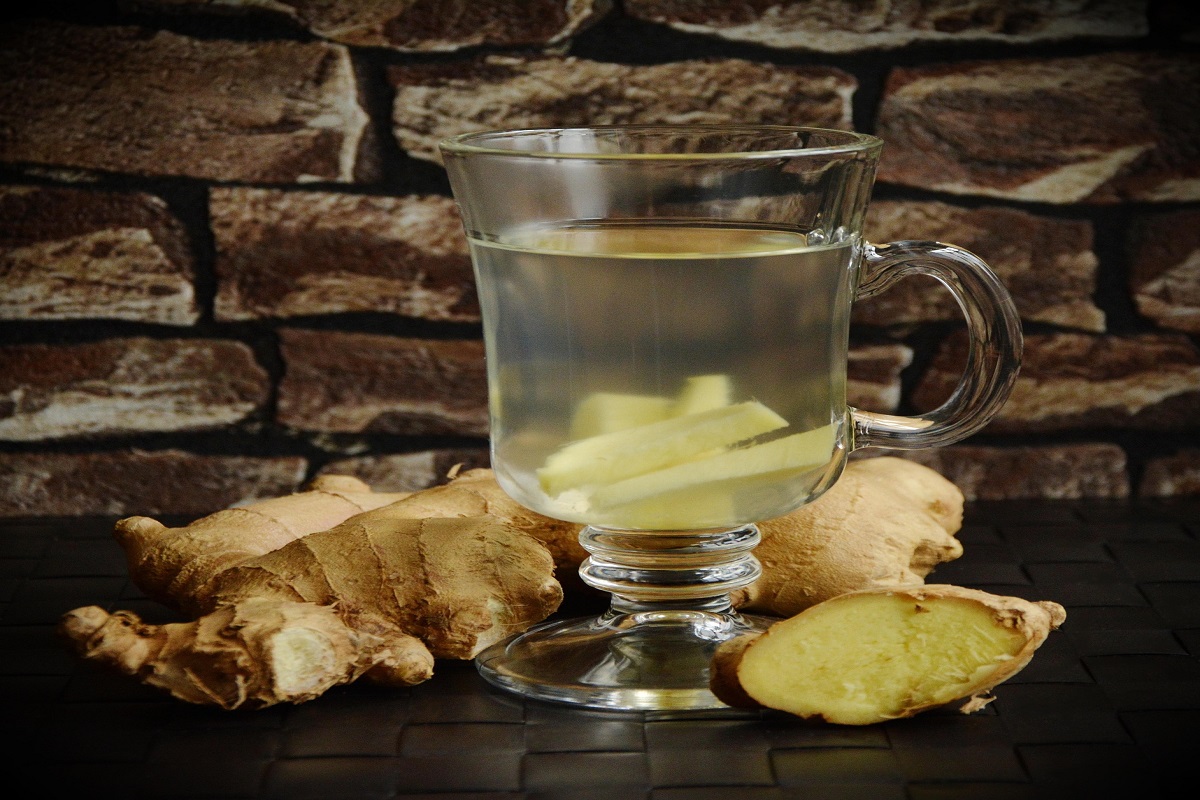
Gingerols and shogaols are active in ginger, providing potent anti-inflammatory effects. By inhibiting prostaglandin synthesis, ginger protects against oxidative stress, delivering health benefits.

Digestive Health and Immune Connection: The Gut-Immune Axis

Ginger supports digestion, reducing nausea and gastrointestinal distress. By maintaining a healthy gut microbiome, ginger indirectly supports immunity, underscoring the gut-immune connection.

Versatile Culinary and Medicinal Use: Beyond the Tea

Used widely in teas, juices, and cooking, ginger provides versatile applications for immune support. Tips for integration enhance its daily consumption, ensuring benefits during acute illness.

Green Tea (Camellia sinensis)

Catechins (EGCG) and Antioxidant Activity: A Potent Brew

EGCG, a potent catechin in green tea, offers powerful antioxidant properties. Protecting immune cells from damage, it forms a core part of green tea’s health benefits.

Immune-boosting Benefits: Modulating and Protecting

Catechins modulate immune cell function, enhancing anti-inflammatory cytokine production. Their antiviral and antibacterial properties further bolster the immune system.

Role in Cellular Health: Beyond Direct Immunity

Green tea supports cardiovascular health, metabolism, and provides potential anti-cancer effects. This broad spectrum of benefits enhances cellular resilience and overall immunity.

Integrating Plant-Based Remedies into Daily Life

Dietary Approaches: Whole Foods, Spices, and Culinary Herbs

Emphasizing a plant-rich diet is foundational for immune support. Incorporate immune-enhancing fruits, vegetables, nuts, seeds, and spices into meals. Meal planning and recipes ensure regular consumption of immune-boosting foods.

Supplements: Choosing Quality, Purity, and Potency

Choose high-quality supplements by checking for third-party testing, standardized extracts, and organic sourcing. Reputable brands can assure purity and potency, enhancing the effectiveness of plant-based solutions.

  • Third-party testing
  • Standardized extracts
  • Organic sourcing
  • Reputable brands

Synergistic Combinations for Enhanced Benefits: Better Together

Combining plant remedies can amplify their effects. For example, turmeric with black pepper enhances absorption. Understanding beneficial combinations for different goals ensures more effective immune support.

Important Considerations and Safety Guidelines

Consultation with Healthcare Professionals: Personalized Guidance

Consult healthcare professionals before starting new remedies, especially if you have underlying health conditions. Professional guidance ensures safety and personalized healthcare.

Potential Interactions with Medications: Navigating Complexity

Some plant remedies may interact with medications. Inform healthcare providers about all herbal and supplement use to avoid adverse interactions.

Quality, Purity, and Sourcing of Products: Trustworthy Choices

Ensure that remedies are sourced from reputable suppliers and are free from contaminants. Look for certifications and transparency in ingredient labeling to ensure trust and quality.

Dosage and Duration of Use: Following Guidelines

Adhere to dosage recommendations, recognizing some remedies are suitable for acute use while others are beneficial long-term. Cycling supplements can maintain their effectiveness.

Pregnancy, Children, and Specific Health Conditions: Special Populations

Caution is necessary for vulnerable groups such as pregnant women and children. Many herbs require medical supervision to ensure safety for these specific populations.

Case Studies: Real-World Applications and Successes

Examples of Individuals Benefiting from Traditional Plant Remedies

Case studies illustrate the practical success of plant remedies. One example is using Elderberry syrup and Ginger tea, which reduced the frequency and severity of winter colds. Another sees the integration of Astragalus and medicinal mushrooms improving stress resilience and reducing fatigue, highlighting the impact of these botanicals.

Illustrative Scenarios of Integrating Specific Botanicals for Immune Challenges

A balanced protocol employing Echinacea for immediate support, along with Vitamin C, Zinc, and garlic, can structure defense against early cold symptoms. Understanding the role of each component ensures an informed and effective approach.

Future Directions in Plant-Based Immunomodulation Research

Emerging Botanicals and Compounds: The Next Generation

Research is uncovering new plant compounds with immune-supporting properties, such as those from seaweeds and unique polysaccharides. These new frontiers highlight future potential in plant-based medicine.

Advanced Scientific Validation Techniques: Precision Phytotherapy

Techniques like genomics and proteomics elucidate plant compound interactions at the molecular level. Personalized medicine approaches based on genetics are emerging as the future of phytotherapy.

Personalized Plant-Based Immune Strategies: Tailoring Remedies

The future may see remedies tailored to individual microbiomes and genetic profiles. Customizing plant-based immune support could enhance efficacy, adapting to specific health needs.

Frequently Asked Questions (FAQ)

Are plant-based remedies safe for everyone?

Generally safe, but individual responses vary. Special caution is necessary for pregnant or breastfeeding women, children, and those with medical conditions. Always consult a healthcare professional.

How long does it take for plant remedies to work?

Onset varies by remedy—acute solutions like elderberry may show effects in days, while adaptogens like astragalus may take weeks. Understanding typical timelines helps manage expectations.

Can I combine multiple plant remedies for better results?

Combining remedies can be beneficial with caution. Understanding interactions and consulting with experts ensures safe and effective combinations.

What is the best way to consume these remedies (tea, tincture, capsule)?

The best form depends on the plant and desired effect. Teas offer gentle intake, tinctures faster absorption, and capsules standardized dosing.

Where can I find reliable sources for plant-based supplements and herbs?

Look for reputable brands with third-party testing and certifications. Established health stores and online retailers with transparent sourcing are recommended.

Conclusion

Plant-based remedies offer a powerful, holistic, and historically rich pathway to bolstering immune system support. By understanding the intricate mechanisms of these botanical allies—from their antioxidant and anti-inflammatory properties to their direct immunomodulatory and antimicrobial actions—individuals can make informed choices to enhance their natural defenses. While integrating these remedies into daily life requires attention to quality, proper dosage, and potential interactions, the wealth of scientific validation combined with centuries of traditional wisdom underscores their profound potential. Embracing plant-based solutions represents a proactive step towards a more resilient and vibrant state of health, empowering individuals to navigate the complexities of modern living with robust immune strength.