
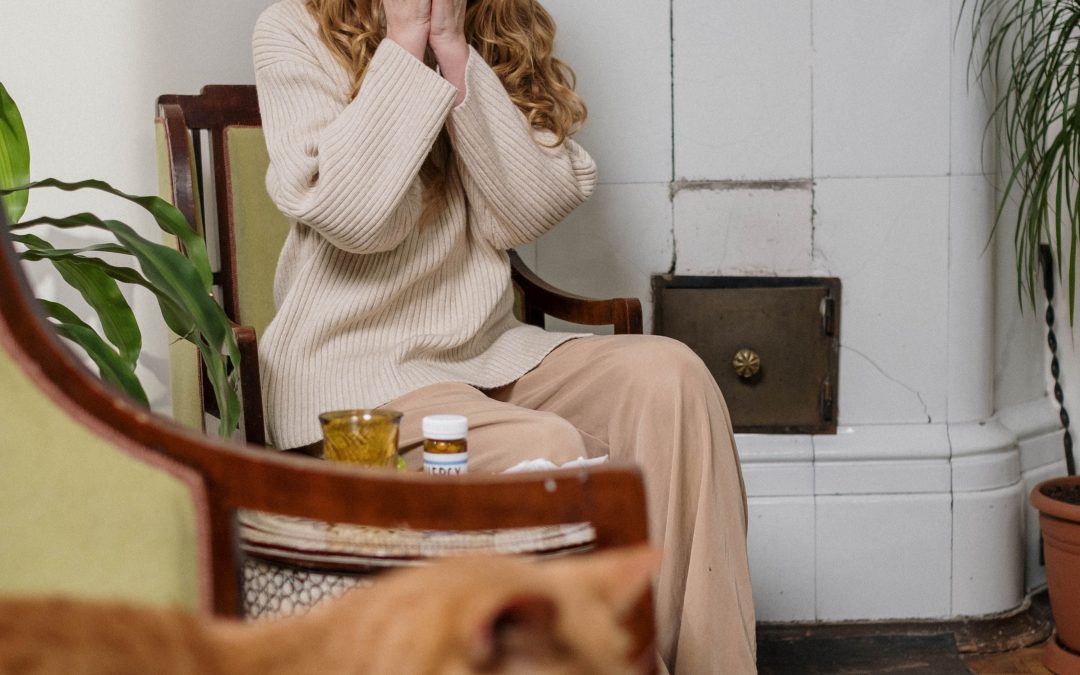
Natural Allergy Relief: Home Remedies for Seasonal Allergies

Natural Allergy Relief: Home Remedies for Seasonal Allergies

Quick Answer: The most effective natural allergy relief comes from reducing your exposure to whatever triggers you, closing windows during high pollen counts, showering after time outdoors, and using a saline nasal rinse to clear irritants from your sinuses. HEPA air filters, frequent vacuuming, and washing bedding weekly in hot water all help cut down on indoor allergens like dust mites and pet dander. These steps work well alongside, not instead of, over-the-counter antihistamines when symptoms are more than mild. See a doctor if allergies disrupt your daily life, don’t respond to home care and OTC medication, or come with wheezing or swelling.

Sneezing fits, itchy eyes, and a nose that won’t stop running are familiar to a huge share of people every spring and fall. Seasonal allergies, often called hay fever, aren’t dangerous for most people, but they’re genuinely disruptive, and the instinct to reach for something “natural” before turning to medication is a common one.

This guide walks through which natural allergy relief strategies have real support behind them, what’s mostly folklore, how to allergy-proof your home environment, and when home remedies aren’t enough and it’s time to get medical care.

Why Trust This Guide?

The information here draws on published patient guidance from the Mayo Clinic, the NHS, and the Cleveland Clinic, three of the most widely cited health institutions for allergy and immune health information. Where the evidence for a particular remedy is thin or mixed, that’s noted rather than glossed over. This article is for general education and isn’t a substitute for a diagnosis or treatment plan from your own doctor or allergist.

About the Author

This guide was researched and written by the editorial team at Spiritual Meditation Yoga. We are not medical professionals, so rather than offering personal opinions, we built this article by reading the published patient guidance from Mayo Clinic, the NHS, and the Cleveland Clinic (linked above) and translating it into a clear, practical format. Every remedy and caution in this guide is checked against those sources, and we revisit the article whenever that guidance changes.

Key Takeaways

  • Reducing exposure to your specific triggers, pollen, dust mites, pet dander, or mold, does more for symptom relief than any single remedy on its own.
  • Saline nasal rinses have real evidence behind them for flushing irritants and allergens out of the sinuses.
  • HEPA filters, frequent vacuuming, and washing bedding in hot water meaningfully reduce indoor allergen levels.
  • Herbal supplements marketed for allergy relief aren’t well regulated, and at least one major medical center specifically advises against relying on them.
  • Over-the-counter antihistamines and nasal sprays remain the most effective fast-acting option for many people and can be used alongside natural strategies, not instead of them.
  • Swelling of the face, lips, or throat, or difficulty breathing, are signs of a severe allergic reaction and need emergency care, not home treatment.

What’s Actually Happening During an Allergic Reaction

When your immune system mistakes a normally harmless substance, pollen, pet dander, dust mites, for a threat, it releases histamine and other chemicals to try to fight it off. That response is what causes the classic symptoms: a runny or stuffy nose, sneezing, itchy or watery eyes, and sometimes a scratchy throat.

Seasonal allergies (hay fever) usually trace back to airborne pollen from trees, grasses, or weeds, which is why symptoms cluster around specific times of year. Year-round allergies are more often linked to dust mites, pet dander, or mold that’s present indoors regardless of season. Identifying which category you’re dealing with shapes which of the remedies below will actually help.

Natural Allergy Relief, or Something More Serious? Know the Difference

Typical seasonal allergies bring on sneezing, an itchy or runny nose, watery eyes, and sometimes mild fatigue, usually predictable by season or environment, and they respond at least partially to avoidance strategies and antihistamines.

A more significant allergic reaction can include hives, widespread itching, or swelling beyond just the sinuses, and may be a sign that avoidance and OTC medication alone won’t be enough, an allergist can help identify the specific trigger and discuss options like prescription medication or immunotherapy.

Anaphylaxis is a medical emergency. Sudden swelling of the lips, mouth, throat, or tongue, severe difficulty breathing or wheezing, a bluish or grey tint to the skin, or loss of consciousness are signs of a severe, whole-body allergic reaction. This requires immediate emergency care and, if available, an epinephrine auto-injector, not home remedies.

Natural Allergy Relief: Remedies Worth Trying

1. Saline nasal rinse

Rinsing the sinuses with a saline solution (using a neti pot or a squeeze bottle designed for the purpose) helps physically flush out pollen, dust, and mucus. This is one of the natural strategies with the most consistent support behind it, and it’s low-risk when done with distilled or previously boiled water.

2. Limit outdoor exposure during peak pollen times

Pollen counts tend to be highest in the early morning and on dry, windy days. Checking a local pollen forecast and shifting outdoor activities to later in the day, or to after rain, can meaningfully cut down on your exposure during the worst hours.

3. Shower and change clothes after being outside

Pollen clings to hair, skin, and clothing, and can keep triggering symptoms indoors long after you’ve come inside if it isn’t washed off. A quick shower and a change of clothes after yard work, walks, or other outdoor time helps prevent that carryover.

4. Use HEPA filters and vacuum regularly

HEPA (high-efficiency particulate air) filters can remove the vast majority of airborne allergen particles, including pollen, dust, and pet dander, from indoor air. Pairing an air purifier or upgraded HVAC filter with regular vacuuming using a HEPA-equipped vacuum tackles allergens that have already settled indoors.

5. Wash bedding weekly in hot water

Dust mites thrive in bedding, and washing sheets and pillowcases weekly in hot water (generally 130°F/54°C or higher) helps keep their numbers, and the allergens they leave behind, down. Allergen-proof mattress and pillow covers add another layer of protection for people who are especially sensitive.

6. Keep pets out of the bedroom

If pet dander is a trigger, keeping pets out of the bedroom and off the bed, and bathing them regularly, reduces the amount of dander accumulating in the spaces where you spend the most time, particularly overnight.

7. Manage stress and prioritize sleep

Stress and poor sleep don’t cause allergies, but they can make the immune system’s response feel more pronounced and harder to cope with. Basic self-care, adequate sleep, stress management, and staying active, supports your body’s overall resilience alongside the more targeted strategies above.

A word of caution about herbal supplements: products marketed as natural allergy remedies aren’t held to the same regulatory standard as medications, and at least one major medical center has explicitly advised against relying on them as a substitute for proven treatment. If you want to try an herbal remedy, mention it to a doctor first, especially if you take other medications.

What to Avoid

  • Keeping windows open during high pollen counts, this lets allergens drift indoors and settle into fabric and carpeting.
  • Air-drying laundry outside during pollen season, where it can pick up airborne allergens.
  • Letting pets sleep in your bed if pet dander is a known trigger for you.
  • Relying solely on herbal supplements marketed for allergy relief instead of proven strategies and, when needed, medication.
  • Skipping a shower after high-exposure outdoor activities like gardening or mowing the lawn.
  • Ignoring symptoms that are getting worse year over year, this can be a sign it’s time for allergy testing rather than continued self-management.

A Note on Children and Pregnancy

In children, persistent “colds” that never seem to fully clear, especially if they cluster around the same time each year, are often allergies rather than repeated infections. Many of the same avoidance strategies apply, but check with a pediatrician before giving a child any antihistamine or allergy medication, including ones available over the counter.

During pregnancy, not every allergy medication is considered safe, so it’s worth leaning more heavily on avoidance strategies (nasal rinses, HEPA filters, limiting outdoor exposure) and checking with an OB-GYN before starting any new medication or supplement, even one marketed as natural.

Allergy Myths, Debunked

“Local honey cures allergies.” This is one of the most popular natural remedies discussed online, but there’s no strong scientific evidence that consuming local honey reduces pollen allergy symptoms, since the pollen that triggers hay fever (windborne tree, grass, and weed pollen) generally isn’t the same pollen bees collect for honey.

“You’ll grow out of allergies eventually.” Some children do outgrow certain allergies, but many adults develop new allergies later in life, and existing allergies can persist or even worsen with repeated exposure over the years.

“If it’s natural, it’s automatically safe.” Herbal and supplement-based allergy remedies aren’t risk-free just because they’re marketed as natural, they can interact with medications or trigger their own allergic reactions in some people.

“Antihistamines are the only real treatment.” Medication helps, but avoidance strategies, nasal rinses, and home environment changes meaningfully reduce symptom severity and frequency, often allowing for lower medication doses.

Frequently Asked Questions

What is the fastest natural allergy relief for a sudden flare-up?
A saline nasal rinse combined with removing yourself from the trigger, going indoors, changing clothes, showering, brings the fastest relief among natural strategies. Over-the-counter antihistamines act faster for more significant symptoms.

Do air purifiers actually help with allergies?
Yes, particularly ones with a true HEPA filter, which can capture the large majority of airborne pollen, dust, and pet dander particles. They work best combined with regular vacuuming and reduced outdoor allergen tracking.

Can local honey help with seasonal allergies?
There isn’t good scientific evidence supporting this popular claim. The pollen that triggers seasonal allergies typically differs from the pollen found in honey, so the proposed mechanism doesn’t hold up well.

Is it safe to use a neti pot every day?
Occasional to daily use is generally considered safe for most people when using distilled, sterile, or previously boiled and cooled water, tap water carries a small risk of contamination that isn’t worth taking with nasal rinses.

Why are my allergies getting worse as I get older?
Allergic sensitivity can change over time due to shifts in immune function, cumulative exposure, or new environmental triggers. It’s not unusual to develop new allergies as an adult even without any childhood history of them.

Can stress make allergy symptoms worse?
Indirectly, yes. Stress doesn’t cause allergies, but it can heighten your perception of symptoms and may affect immune function, making existing symptoms feel more intense.

Do I need allergy testing, or can I just treat the symptoms?
Symptom management is reasonable for mild, predictable allergies. Testing is worth considering if symptoms are severe, year-round, unclear in cause, or not responding well to standard home and OTC approaches.

What’s the difference between a cold and allergies?
Colds typically come with a low fever, body aches, and thicker mucus, and usually resolve within a week or two. Allergies tend to cause clear, watery discharge and itchy eyes, and persist for as long as you’re exposed to the trigger, sometimes for weeks or months.

When should a child see a doctor about allergy-like symptoms?
If a child has recurring “colds” that follow a seasonal pattern, symptoms that interfere with sleep or school, or any signs of wheezing or difficulty breathing, it’s worth having a pediatrician evaluate for allergies.

When to See a Doctor

Make an appointment if allergy symptoms interfere with sleep, work, or daily activities, don’t improve with avoidance strategies and over-the-counter medication, or seem to be getting worse year after year. A doctor or allergist can arrange skin or blood testing to pinpoint specific triggers and discuss options like prescription medication or immunotherapy.

Seek emergency care immediately for sudden swelling of the lips, mouth, throat, or tongue, severe difficulty breathing or wheezing, a bluish or pale tint to the skin, or fainting or confusion. These are signs of anaphylaxis, a severe, whole-body allergic reaction that requires immediate treatment.

This article is for general educational purposes and isn’t a substitute for personalized medical advice, diagnosis, or treatment. Always consult a qualified healthcare provider about persistent or severe allergy symptoms before starting a new remedy or treatment plan.

Keep Exploring Natural Relief

If seasonal allergies aren’t the only thing bothering you, our guide to heartburn relief at home covers another common discomfort with the same evidence-based approach. Or browse the full home remedies collection for more natural, well-sourced relief tips.


Diarrhea Treatment at Home: Natural Ways to Recover Safely

Diarrhea Treatment at Home: Natural Ways to Recover Safely

Quick Answer: The most effective diarrhea treatment at home starts with replacing lost fluids and electrolytes, using water, broths, or an oral rehydration solution, rather than trying to “starve it out.” As your stomach settles, ease back into eating with bland, low-fat foods like toast, rice, bananas, and plain crackers, and skip dairy, caffeine, alcohol, and greasy or spicy meals for a few days. Most cases clear up within two to three days without medication. See a doctor if diarrhea lasts more than two days in adults (or 24 hours in a young child), or if you notice blood in the stool, a high fever, or signs of dehydration.

Almost everyone has dealt with the sudden urgency, cramping, and frequent trips to the bathroom that come with diarrhea. It’s uncomfortable and often inconvenient, but for most healthy adults, it’s also short-lived and manageable without a doctor’s visit or prescription medication.

This guide covers what’s actually happening in your gut during a bout of diarrhea, which home remedies have real evidence behind them, what to eat and avoid while you recover, and, importantly, the specific warning signs that mean it’s time to stop managing things yourself and get medical care.

Why Trust This Guide?

The information here draws on published patient guidance from the Mayo Clinic, the NHS, and the Cleveland Clinic, three of the most widely cited health institutions for digestive health information. Where the evidence for a particular remedy is thin or mixed, that’s noted rather than glossed over. This article is for general education and isn’t a substitute for a diagnosis or treatment plan from your own doctor or pharmacist.

About the Author

This guide was researched and written by the editorial team at Spiritual Meditation Yoga. We are not medical professionals, so rather than offering personal opinions, we built this article by reading the published patient guidance from Mayo Clinic, the NHS, and the Cleveland Clinic (linked above) and translating it into a clear, practical format. Every remedy and caution in this guide is checked against those sources, and we revisit the article whenever that guidance changes.

Key Takeaways

  • Diarrhea is your body’s way of quickly flushing out something it doesn’t tolerate, whether that’s a virus, bacteria, or a food that didn’t agree with you.
  • Replacing fluids and electrolytes matters more than any other single step, plain water alone isn’t enough for a significant fluid loss.
  • Easing back into bland, low-fat foods works better than either fasting completely or eating normally right away.
  • Over-the-counter anti-diarrheal medicine can help with mild cases, but it isn’t right for everyone, especially if a fever or bloody stool is involved.
  • Diarrhea that lasts more than two days in an adult, or shows signs of dehydration, blood, or a high fever, is worth a call to a doctor rather than continued self-treatment.
  • Babies, young children, older adults, and pregnant people are all at higher risk of complications and should be watched more closely.

What’s Actually Happening When You Get Diarrhea

Diarrhea happens when your digestive system moves food through the intestines too quickly, or when the intestines pull in extra fluid instead of absorbing it, resulting in loose, watery stools. Viruses are the most common cause of short-term diarrhea, but bacteria from contaminated food or water, certain medications, food intolerances, and stress can all trigger it as well.

In most cases, this is actually a useful defense mechanism, your body is working to clear out whatever’s irritating it. The tradeoff is that all that fluid and the electrolytes it carries (sodium, potassium, and others) leave your body faster than usual, which is why rehydration is the priority in almost every treatment guideline, far more than trying to stop the diarrhea itself as quickly as possible.

Diarrhea, Food Poisoning, or Something More Serious? Know the Difference

Ordinary short-term diarrhea is usually watery, comes on within a day or two of a viral illness or a questionable meal, and resolves on its own within two to three days with basic self-care.

Food poisoning tends to arrive faster and harder, often within hours of eating contaminated food, and frequently includes nausea, vomiting, and cramping alongside the diarrhea. Most cases still resolve within a few days, but symptoms can be more intense while they last.

Something more serious is worth considering if diarrhea persists beyond a week, keeps coming back, or is accompanied by unexplained weight loss, or if you notice blood, mucus, or a black, tarry appearance in the stool. These can be signs of a bacterial infection needing antibiotics, inflammatory bowel disease, or another condition that benefits from proper testing rather than ongoing home treatment. A persistent change in bowel habits that doesn’t fit the usual “it’ll pass in a couple of days” pattern is always worth mentioning to a doctor.

At-Home Remedies for Diarrhea Relief

1. Prioritize fluids and electrolytes

Water helps, but it doesn’t replace the sodium and potassium you’re losing. Broths, diluted fruit juice, and oral rehydration solutions (available over the counter as powders or ready-mixed drinks) do a better job of replacing what’s actually being lost. Sipping small amounts frequently is easier to tolerate than trying to drink a large glass all at once, especially if nausea is also present.

2. Ease back into bland, low-fat foods

As your stomach starts to settle, gradually reintroduce simple foods like plain toast, crackers, rice, bananas, and boiled or baked chicken. This gentler approach, often summarized as the BRAT diet (bananas, rice, applesauce, toast), gives your digestive system time to recover without adding more work for it to do. There isn’t strong evidence that BRAT specifically speeds recovery, but the underlying idea, easing back in with bland, low-fiber foods, holds up well.

3. Skip dairy, caffeine, and alcohol temporarily

These can all aggravate an already-irritated digestive system. Dairy in particular can be harder to digest for a few days after a bout of diarrhea, even for people who don’t normally have trouble with it, so it’s worth holding off until things have settled.

4. Consider a probiotic

Certain probiotic strains may help restore the balance of bacteria in your gut and potentially shorten a bout of diarrhea, particularly one caused by a virus or antibiotic use. The research is still developing and results vary by strain, so think of this as a reasonable, low-risk option rather than a guaranteed fix.

5. Use over-the-counter anti-diarrheal medication carefully

Options like loperamide can reduce the frequency of watery stools for otherwise healthy adults with mild symptoms. However, these medications work by slowing things down, which isn’t ideal if your body is trying to clear out a bacterial infection, and they generally shouldn’t be used if you have a fever or notice blood in your stool. When in doubt, ask a pharmacist before taking one.

6. Try ginger or peppermint tea

Both have a long history of use for general digestive discomfort and nausea, and warm (not hot) ginger or peppermint tea is a gentle, low-risk way to soothe an unsettled stomach while you rehydrate. Neither is a proven cure for diarrhea itself, but many people find the ritual calming alongside more evidence-backed steps.

7. Rest and reduce activity

Diarrhea, especially alongside a viral illness, can be genuinely draining. Giving your body a chance to rest, rather than pushing through a normal schedule, supports recovery and reduces the risk of getting dehydrated from added exertion.

A word of caution: reach for over-the-counter remedies and herbal teas as support, not as a substitute for fluids. Dehydration, not the diarrhea itself, is what turns a mild, self-limiting problem into one that needs medical attention.

What to Avoid

  • Dairy products, at least until symptoms have fully resolved for a day or two.
  • Caffeine and alcohol, both of which can worsen fluid loss and irritate the gut.
  • Fatty, greasy, or heavily fried foods, which are harder to digest while your system is already unsettled.
  • High-fiber foods like raw vegetables, beans, and whole grains until things have calmed down, then reintroduce gradually.
  • Fruit juice and fizzy drinks in large amounts, the high sugar content can actually pull more water into the intestines and worsen diarrhea.
  • Taking anti-diarrheal medication if you have a fever, notice blood in your stool, or suspect a bacterial infection, check with a pharmacist or doctor first.

A Note on Children, Older Adults, and Pregnancy

Babies and young children lose fluid relative to their body size much faster than adults do, so dehydration can set in quickly. Continue breastfeeding or formula feeding as normal, offer oral rehydration solution if recommended by a pharmacist or doctor, and seek medical advice sooner rather than later, especially for a baby under 12 months or if you notice fewer wet diapers than usual.

Older adults are also at higher risk of dehydration and are more likely to have other health conditions that diarrhea can complicate, so it’s worth contacting a doctor proactively rather than waiting out even a moderate case.

During pregnancy, mild diarrhea is usually not a cause for alarm, but dehydration is riskier during pregnancy, and not every over-the-counter remedy is appropriate to take. It’s worth checking with an OB-GYN or midwife before starting any medication or supplement, even one marketed as natural.

Diarrhea Myths, Debunked

“You should stop eating completely until it passes.” Complete fasting isn’t necessary and can leave you without the energy and nutrients your body needs to recover. Gradually reintroducing bland foods, rather than avoiding food altogether, is the better approach for most people.

“Milk and dairy will help settle your stomach.” The opposite is often true. Diarrhea can temporarily reduce your ability to digest lactose, so dairy is more likely to worsen symptoms than soothe them for a few days.

“You should always take anti-diarrheal medicine right away.” These medications aren’t appropriate for every situation, particularly when a fever or bloody stool suggests a bacterial cause, since slowing things down can prolong the underlying infection.

“Diarrhea only comes from bad food.” While contaminated food is a common cause, viruses, medications, stress, food intolerances, and underlying digestive conditions can all cause diarrhea too, not just something you ate.

Frequently Asked Questions

What is the fastest way to treat diarrhea at home?
Focus on fluids and electrolytes first, water alone isn’t enough. Broths, diluted juice, or an oral rehydration solution combined with bland foods like toast, rice, and bananas usually bring the most noticeable relief within a day or two.

How long does diarrhea usually last?
Most short-term diarrhea, especially from a virus, resolves within two to three days. Diarrhea lasting longer than a week, or that keeps recurring, is worth discussing with a doctor.

What foods should I eat when I have diarrhea?
Bland, low-fat, low-fiber foods are easiest to tolerate: toast, plain crackers, rice, bananas, applesauce, and boiled or baked chicken. Avoid dairy, caffeine, alcohol, and fatty or spicy foods until symptoms improve.

Can probiotics help with diarrhea?
Some evidence suggests certain probiotic strains may shorten a bout of diarrhea, particularly viral or antibiotic-related diarrhea, though research on which strains and doses work best is still ongoing.

Is it safe to take Imodium (loperamide) for diarrhea?
For otherwise healthy adults with mild, non-bloody diarrhea and no fever, over-the-counter loperamide is generally considered safe for short-term use. Check with a pharmacist if you’re unsure, and avoid it if you have signs of a bacterial infection.

How do I know if I’m dehydrated?
Common signs include a dry mouth, unusual thirst, dizziness when standing, dark yellow urine, and urinating less often than usual. Severe dehydration can cause extreme weakness, a rapid heartbeat, or fainting and needs urgent medical attention.

When should I worry about diarrhea in a baby or toddler?
Contact a doctor sooner rather than later for a baby under 12 months, if you notice fewer wet diapers, unusual sleepiness, a dry mouth, or if diarrhea lasts more than 24 hours in a young child.

Can stress cause diarrhea?
Yes. Stress and anxiety can speed up digestion and disrupt normal gut function for some people, leading to loose stools without any infection or food-related cause involved.

Does BRAT diet actually work for diarrhea?
The individual foods in the BRAT diet (bananas, rice, applesauce, toast) are genuinely easy to digest, which is helpful, but there isn’t strong evidence that this specific combination speeds recovery more than any other bland, low-fat approach. It’s a reasonable starting point rather than a strict requirement.

When to See a Doctor

Contact a doctor if diarrhea lasts more than two days in an adult, or more than 24 hours in a young child, or if it keeps coming back over time. It’s also worth being seen if you notice signs of dehydration that aren’t improving with fluids, a fever above 102°F (39°C), severe abdominal or rectal pain, or stools that are black, tarry, or contain blood or pus.

Seek emergency care for signs of severe dehydration, such as extreme weakness, fainting, a rapid heartbeat, or very little to no urination, or for symptoms suggesting a serious infection, like a high fever combined with feeling very unwell. Elderly individuals, pregnant people, and anyone with a weakened immune system or chronic illness should reach out to a doctor proactively rather than waiting to see if symptoms improve on their own.

This article is for general educational purposes and isn’t a substitute for personalized medical advice, diagnosis, or treatment. Always consult a qualified healthcare provider about persistent or severe digestive symptoms, especially if dehydration, blood in the stool, or a high fever is involved, before starting a new remedy or treatment plan.

Keep Exploring Natural Relief

If diarrhea isn’t the only thing you’re managing, our guide to heartburn relief at home covers another common digestive discomfort with the same evidence-based approach. Or browse the full home remedies collection for more natural, well-sourced relief tips.

Heartburn Relief at Home: Natural Ways to Ease the Burn

Heartburn Relief at Home: Natural Ways to Ease the Burn

Quick Answer: The fastest heartburn relief at home usually comes from standing or sitting upright rather than lying down, sipping water to help clear acid from the esophagus, and avoiding tight waistbands right after eating. For the hours and days that follow, smaller meals, cutting back on known trigger foods like coffee, alcohol, and fatty or spicy dishes, and propping up the head of your bed at night do more for long-term relief than any single remedy. Frequent antacid use, chest pain you’re not sure about, or trouble swallowing are all reasons to stop self-treating and call a doctor.

Almost everyone knows the feeling: a warm, burning discomfort that starts behind the breastbone and sometimes climbs toward the throat, often arriving twenty or thirty minutes after a big meal, a glass of wine, or the moment you lie down for the night. It’s one of the most common digestive complaints there is, and most people reach for whatever is in the medicine cabinet before ever thinking about why it’s happening in the first place.

This guide walks through what heartburn actually is, which home remedies have real evidence behind them versus which are mostly folklore, and, just as importantly, how to tell ordinary heartburn apart from something that needs urgent medical attention.

Why Trust This Guide?

The information here draws on published patient guidance from the Mayo Clinic, the UK’s National Health Service (NHS), and the Cleveland Clinic, three of the most widely cited health institutions for digestive health information. Where the evidence for a particular remedy is thin or mixed, that’s noted rather than glossed over. This article is for general education and isn’t a substitute for a diagnosis or treatment plan from your own doctor or pharmacist.

About the Author

This guide was researched and written by the editorial team at Spiritual Meditation Yoga. We are not medical professionals, so rather than offering personal opinions, we built this article by reading the published patient guidance from Mayo Clinic, the NHS, and the Cleveland Clinic (linked above) and translating it into a clear, practical format. Every remedy and caution in this guide is checked against those sources, and we revisit the article whenever that guidance changes.

Key Takeaways

  • Heartburn happens when stomach acid moves backward into the esophagus, which doesn’t have the same protective lining as the stomach.
  • Staying upright after eating, not overfilling your stomach, and losing excess weight are the changes with the strongest evidence behind them.
  • Baking soda and antacids can neutralize acid quickly, but neither is meant for daily, long-term use.
  • Ginger, chamomile tea, and other herbal remedies have a long history of use, but rigorous research on them is still limited.
  • Heartburn that shows up most days, disrupts sleep, or doesn’t respond to over-the-counter treatment is worth discussing with a doctor, it may be gastroesophageal reflux disease (GERD) rather than occasional heartburn.
  • Sudden, unexplained chest pain should never be assumed to be heartburn, especially if it’s new, severe, or comes with shortness of breath, sweating, or pain spreading to the arm or jaw.

What’s Actually Happening When You Get Heartburn

At the bottom of the esophagus sits a ring of muscle called the lower esophageal sphincter, which normally acts like a one-way valve, letting food down into the stomach and then closing to keep stomach acid where it belongs. Heartburn occurs when that valve relaxes at the wrong moment or doesn’t close fully, allowing acidic stomach contents to splash back upward.

The esophagus isn’t built to handle that acid the way the stomach is, so even a small amount of backflow can produce a burning sensation. A large meal, lying down soon after eating, obesity, pregnancy, smoking, and certain foods and drinks can all make that valve more likely to relax when it shouldn’t. Occasional heartburn is extremely common and, for most people, is more of a nuisance than a medical problem. It becomes more concerning when it happens frequently, which is where the distinction with GERD comes in.

Heartburn, GERD, or Something More Serious? Know the Difference

Occasional heartburn is a burning feeling behind the breastbone, sometimes with a sour or bitter taste in the mouth, that shows up now and then, usually tied to a specific meal, drink, or a night spent lying down too soon after eating. It typically eases on its own or responds well to an antacid.

GERD (gastroesophageal reflux disease) is what doctors call it when that same backflow of acid happens often enough, generally more than twice a week, to become a recurring pattern rather than an occasional event. GERD can also bring on a chronic cough, a hoarse voice, or a sensation of a lump in the throat, and it’s worth a conversation with a doctor rather than ongoing self-treatment, since untreated GERD can eventually irritate or damage the esophagus.

Heart attack symptoms can be mistaken for heartburn, and this is the distinction that matters most. Even experienced doctors sometimes have difficulty telling the two apart from symptoms alone. Heartburn tends to follow eating or lying down and often eases with an antacid, while heart-related chest pain is more likely to come with pressure or squeezing (rather than pure burning), shortness of breath, cold sweats, nausea, lightheadedness, or pain radiating into the arm, neck, jaw, or back. Notably, women having a heart attack are more likely than men to experience jaw or back pain, nausea, and breathlessness without classic chest pressure. If you have chest pain and you are not confident it’s heartburn, especially if it’s new, severe, or accompanied by any of those other symptoms, treat it as an emergency and seek immediate medical care rather than waiting it out.

At-Home Remedies for Heartburn Relief

1. Stay upright

Simply staying seated or standing for a couple of hours after a meal, rather than reclining, uses gravity to help keep stomach contents where they belong. This is one of the simplest and most immediately useful pieces of heartburn relief at home.

2. Sip water

A small amount of plain water can help dilute and clear acid from the esophagus. It won’t fix the underlying cause, but it can take the edge off an acute flare-up.

3. Try an antacid, but not as a daily habit

Over-the-counter antacids neutralize existing stomach acid and tend to bring relief within minutes. They’re a reasonable option for occasional flare-ups, but they treat the symptom rather than the cause, and relying on them every day is a sign it’s time to see a doctor rather than a reason to buy a bigger bottle.

4. Consider baking soda, sparingly

A small amount of baking soda dissolved in water can act as a homemade antacid in a pinch. It’s high in sodium, though, so it isn’t something to use regularly, and it’s not appropriate for people managing blood pressure or on a sodium-restricted diet.

5. Ginger and chamomile tea

Ginger has traditionally been used to help move food through the stomach more efficiently and may help calm the digestive tract, while chamomile tea is often used for its mild anti-inflammatory and digestive-soothing reputation. Neither has the weight of large clinical trials behind it, but both are low-risk options many people find comfortable to try, and warm (not hot) chamomile tea in particular can double as a calming evening ritual, pairing well with other holistic remedies for stress, since stress and tension are common heartburn triggers in their own right.

6. Chew sugar-free gum after eating

Chewing gum increases saliva production, and saliva is mildly alkaline, which may help neutralize acid and encourage swallowing that clears the esophagus. Choose a sugar-free option, and skip peppermint-flavored gum, since peppermint itself is a common heartburn trigger.

7. Alginate-based products

Alginates, derived from seaweed, work differently from standard antacids, they form a floating gel-like barrier on top of the stomach’s contents that can physically block acid from splashing upward. They’re available over the counter and are worth asking a pharmacist about if plain antacids aren’t cutting it.

A word of caution about herbal and “natural” remedies more broadly: natural doesn’t automatically mean risk-free. Licorice root, aloe vera, marshmallow root, and multi-herb blends all show up frequently in home-remedy discussions, but supplements aren’t as tightly regulated as medications, dosing isn’t standardized, and some can interact with prescriptions or other conditions. It’s worth mentioning any herbal remedy you’re using regularly to a doctor or pharmacist, particularly if you take other medications.

What to Avoid

  • Lying down within two to three hours of eating.
  • Large, heavy, or fatty meals, they sit in the stomach longer and put more pressure on the valve that’s supposed to keep acid down.
  • Common trigger foods and drinks: coffee, alcohol, chocolate, citrus, tomato-based sauces, and spicy or fried foods. Triggers are individual, though, so a food diary can help pinpoint your own personal list.
  • Tight waistbands or clothing that presses on the abdomen, especially after eating.
  • Smoking, which relaxes the same valve that heartburn depends on staying closed.
  • Piling up regular pillows to “sleep upright.” This tends to bend the body at the waist, which can increase abdominal pressure rather than relieve it, an actual incline of the whole mattress or a wedge pillow works better.

Sleep and Lifestyle Adjustments That Help Long-Term

Nighttime heartburn responds especially well to a few structural changes. Raising the entire head of the bed by roughly four to eight inches, using bed risers, sturdy blocks, or a wedge under the mattress rather than extra pillows, uses gravity to keep acid down while you sleep. Sleeping on your left side has also been associated with fewer reflux episodes than sleeping on the right side or back, likely due to the angle it creates where the esophagus meets the stomach.

Beyond sleep, the changes with the best long-term evidence are the least glamorous ones: eating smaller, more frequent meals instead of two or three large ones, working toward a healthy weight if you’re carrying excess weight around the midsection, and cutting back on or quitting smoking. Structured weight-loss programs have been shown to substantially reduce or even eliminate heartburn for many people who are overweight, likely because there’s simply less pressure pushing up against the stomach valve. For more everyday approaches to supporting your body, our guide to natural home remedies for physical health covers many of the same foundational habits.

A Note on Heartburn During Pregnancy

Heartburn is extremely common in pregnancy, particularly in the second and third trimesters, thanks to a combination of hormonal changes that relax the esophageal valve and the physical pressure of a growing uterus. Many of the same lifestyle steps, smaller meals, staying upright after eating, avoiding trigger foods, and elevating the head of the bed, are considered safe first-line approaches during pregnancy. However, not every over-the-counter or herbal remedy is appropriate to use while pregnant, so it’s worth checking with an OB-GYN or midwife before starting any medication, antacid, or herbal supplement, even ones marketed as natural.

Heartburn Myths, Debunked

“Heartburn means you have too much stomach acid.” Not necessarily. In many cases, the issue is the valve between the esophagus and stomach relaxing at the wrong time, not an excess of acid itself, which is part of why lifestyle changes can help as much as acid-reducing medication does. It’s a similar story to migraine home remedies, where treating the trigger often matters more than treating the pain in isolation.

“Milk cures heartburn.” Milk can offer very brief relief because it temporarily coats and buffers the stomach, but its fat content can actually stimulate more acid production shortly afterward, so it often makes symptoms worse within the hour.

“Spicy food causes heartburn for everyone.” Spicy food is a common trigger, but triggers genuinely vary by individual, some people react to fat, others to acidity, others to caffeine, and some to none of the “usual suspects” at all.

“If antacids work, there’s nothing to worry about.” Antacids relieving your symptoms doesn’t rule out GERD or another underlying cause, it just means the acid has been temporarily neutralized. Frequent reliance on antacids is itself a signal worth mentioning to a doctor.

Frequently Asked Questions

What is the fastest way to get heartburn relief at home?
Standing or sitting upright, sipping water, and loosening tight clothing bring the quickest relief for an acute episode. An over-the-counter antacid will typically work within minutes if symptoms are more intense.

Is heartburn treatment at home enough, or do I need medication?
For occasional heartburn, lifestyle changes and over-the-counter options are often enough. If heartburn happens more than twice a week, disrupts sleep, or doesn’t respond to these measures, it’s a sign to see a doctor about prescription options or further evaluation.

What foods should I avoid if I have frequent heartburn?
Coffee, alcohol, chocolate, citrus fruits, tomato-based foods, peppermint, and fatty or fried foods are the most commonly reported triggers, though individual sensitivity varies quite a bit from person to person.

Does apple cider vinegar help heartburn?
This is one of the most popular natural remedies for heartburn circulating online, but there’s very little rigorous research supporting it, and for some people, its acidity can actually worsen symptoms rather than ease them. If you want to try it, a small diluted amount is safer than drinking it undiluted.

Can drinking water help with heartburn?
Yes, in the short term, a small amount of water can help dilute stomach acid and rinse the esophagus. It’s not a long-term fix on its own, but it’s a genuinely helpful in-the-moment step.

Why is my heartburn worse at night?
Lying flat removes the help gravity normally provides in keeping stomach acid down, and meals eaten close to bedtime haven’t had time to digest. Elevating the head of the bed and avoiding food for a few hours before sleep both target this directly.

Is it safe to take antacids every day?
Occasional use is generally fine, but needing an antacid daily is a sign that something more than diet is going on. Long-term daily use of an antacid should really be discussed with a doctor or pharmacist rather than managed indefinitely on your own.

How do I know if my chest pain is heartburn or something more serious?
If you have any doubt at all, especially with new or severe chest pain, pressure or squeezing rather than burning, shortness of breath, sweating, nausea, or pain spreading to your arm, neck, jaw, or back, treat it as a medical emergency and get help immediately. It’s always safer to be checked and find out it was heartburn than the reverse.

What’s the difference between heartburn and indigestion?
Heartburn refers specifically to the burning sensation caused by acid reflux. Indigestion (or dyspepsia) is a broader term for general upper-abdominal discomfort, bloating, or fullness after eating, which can happen with or without the acid reflux that causes heartburn.

Does drinking milk help heartburn?

Only briefly. Milk can coat the oesophagus and ease discomfort for a few minutes, but its fat content can prompt the stomach to produce more acid shortly after, which often makes symptoms worse later. A small glass of water is a safer everyday choice.

Can stress make heartburn worse?

Yes. Stress does not create excess stomach acid directly, but it can slow digestion, increase swallowing of air, and make people more aware of normal reflux sensations, all of which can make heartburn feel more frequent or severe.

When to See a Doctor

Make an appointment if heartburn happens most days of the week, disrupts your sleep regularly, doesn’t improve with over-the-counter treatment, or if you notice difficulty or pain when swallowing, unexplained weight loss, persistent nausea or vomiting, or vomiting that looks like blood or coffee grounds. These can be signs of GERD or another condition that benefits from proper diagnosis and treatment rather than ongoing home management.

Seek emergency care immediately for any chest pain that is new, severe, or accompanied by shortness of breath, sweating, dizziness, nausea, or pain radiating to the arm, jaw, neck, or back. When in doubt, it is always the safer choice to be evaluated.

This article is for general educational purposes and isn’t a substitute for personalized medical advice, diagnosis, or treatment. Always consult a qualified healthcare provider about any digestive symptoms, especially chest pain, before starting a new remedy or treatment plan.

Keep Exploring Natural Relief

If heartburn is not the only thing on your mind, our guide to sunburn home remedies covers another common discomfort with the same evidence-based approach. Or browse the full home remedies collection for more natural, well-sourced relief tips.

Sunburn Home Remedies: Natural Ways to Soothe and Heal Your Skin

Sunburn Home Remedies: Natural Ways to Soothe and Heal Your Skin

Quick Answer: The most effective sunburn home remedies for early relief are a cool (not ice-cold) compress or bath, a fragrance-free aloe vera gel or moisturizer applied to slightly damp skin, plenty of water to counter fluid loss, and an over-the-counter pain reliever like ibuprofen to ease swelling and discomfort. Avoid popping blisters, and avoid petroleum- or oil-based products on skin that’s still hot. Seek medical care for a high fever, chills, confusion, or blistering that covers a large area.

Anyone who has spent a little too long outside knows the timeline by heart: the skin looks fine for the first hour or two, then the warmth sets in, then the color, then — by evening — the kind of tenderness that makes even a bedsheet feel unwelcome. Sunburn is common, usually mild, and almost always avoidable in hindsight, but once it’s happened, the goal shifts from prevention to getting the skin through the next few days as comfortably as possible.

This guide covers what’s actually happening under the skin during a sunburn, the home remedies with real evidence behind them, the popular ones that don’t hold up, how to tell an ordinary sunburn from something that needs medical attention, and specific advice for the itching and peeling stages that often outlast the initial pain.

Why Trust This Guide?

This article draws on publicly available patient-education material from the American Academy of Dermatology, the Mayo Clinic, and Cleveland Clinic, along with their published guidance on sunburn first aid, sun poisoning, and the evidence (or lack of it) behind common remedies like aloe vera. It’s written for general education, not as a diagnosis or treatment plan, and doesn’t replace the judgment of a doctor or dermatologist. Sources are named throughout so you can verify anything yourself.

Key Takeaways

  • Sunburn is UV-radiation damage to skin cells, not heat damage — it can develop even on cool, overcast days.
  • Cooling the skin, moisturizing while damp, and hydrating are the three pillars of home care that actually help.
  • Aloe vera soothes and moisturizes but does not reverse UV damage — research shows it performs similarly to a good plain moisturizer.
  • Avoid popping blisters, “-caine” numbing sprays, and heavy petroleum- or oil-based products on fresh, unbroken sunburn.
  • Sun poisoning is a severe sunburn reaction with symptoms like fever, chills, nausea, and dizziness — it needs medical attention, not just home care.
  • Itching usually appears a few days in, as skin begins to heal and later peel; cool compresses, fragrance-free moisturizer, and antihistamines can help.
  • Children dehydrate faster than adults during a sunburn and should be monitored more closely for fussiness, lethargy, or reduced urination.
  • The best “remedy” for sunburn is prevention: broad-spectrum sunscreen reapplied every two hours, shade, and UV-protective clothing.

What’s Actually Happening in Sunburned Skin

Sunburn is the skin’s inflammatory response to UV radiation damaging its cells — not, as the name misleadingly suggests, a burn from heat. Ultraviolet light penetrates the outer layers of skin and injures the DNA inside skin cells; the redness, heat, and tenderness that follow are the immune system rushing blood and inflammatory compounds to the area to begin repairing that damage. This is also why sunburn can develop on a cool, cloudy day — the temperature outside has little to do with UV strength, and clouds block only a fraction of it.

The visible symptoms typically peak twelve to twenty-four hours after exposure, which is why skin that looked only mildly pink at the beach can look considerably worse by the next morning. As the damaged outer skin cells die off over the following days, peeling begins — an unpleasant but normal part of the skin clearing out the cells it can no longer repair.

Sunburn vs. Sun Poisoning: Knowing the Difference

Despite the name, “sun poisoning” isn’t a toxin reaction — it’s the term used for a severe sunburn response that behaves more like a systemic illness than a localized skin problem. According to Cleveland Clinic, an ordinary sunburn generally stays limited to redness, tenderness, and warmth in the affected skin. Sun poisoning goes further, adding symptoms like widespread blistering, nausea, dizziness, headache, chills, and sometimes fever — closer to how a bad allergic reaction or a flu might feel. Because the skin damage is often severe enough to cause significant fluid loss, dehydration is a real risk with sun poisoning in a way it usually isn’t with a routine sunburn.

The practical takeaway: mild-to-moderate redness and tenderness are appropriate to manage at home. Fever, chills, confusion, fainting, or blistering over a large portion of the body are signs to call a doctor rather than reach for another home remedy.

Immediate At-Home Remedies (First 24–48 Hours)

Cool the skin. A cool (not ice-cold) bath or shower, or a cool, damp cloth applied directly to the burn, is the single most effective first step. Cooling constricts blood vessels near the skin’s surface and takes some of the heat and sting out of an active burn. Ice or ice water should be avoided directly on the skin — it can add cold-related irritation on top of an already-inflamed area.

Add colloidal oatmeal, if you have it. An oatmeal bath — plain, unscented colloidal oatmeal stirred into cool bathwater — has long been used to calm irritated, inflamed skin, and dermatologists still recommend it as a comfort measure for sunburn, particularly when itching is present.

Moisturize while skin is still damp. Applying a fragrance-free moisturizer, aloe vera gel, or calamine lotion right after a cool bath — while the skin still holds some water — helps lock in hydration. Refrigerating the aloe gel beforehand adds an extra cooling effect that many people find especially soothing.

Be honest about what aloe vera does and doesn’t do. Aloe vera is the most recommended natural sunburn remedy for good reason — it’s soothing, hydrating, and contains antioxidants and mild anti-inflammatory compounds. But according to Cleveland Clinic dermatologist Dr. Lindsey Moore, multiple studies have found aloe performs about the same as a placebo when it comes to actually healing sunburned skin faster. It will not undo UV damage or speed up repair — what it does well is make the following few days more comfortable. Plain aloe gel (rather than scented aloe lotion, which often contains additives that can irritate compromised skin) tends to work best.

Take an anti-inflammatory pain reliever. Ibuprofen or aspirin, taken as soon as possible after overexposure and continued for a day or two as needed, can meaningfully reduce both the swelling and the discomfort of a sunburn — more so than a purely pain-blocking option like acetaminophen alone, though either can help with pain.

Hydrate more than usual. Sunburned skin pulls fluid toward the surface of the body, away from general circulation, which is part of why a bad sunburn can leave someone feeling drained or lightheaded. Extra water for a day or two helps offset this.

A brief 1% hydrocortisone cream, if needed. For a red, uncomfortable sunburn, an over-the-counter 1% hydrocortisone cream applied a few times a day for a few days can help calm inflammation, particularly for itching that develops as the burn progresses.

What to Avoid

  • Popping blisters. Intact blisters are the body’s own protective bandage over healing skin underneath. Breaking them early raises the risk of infection and slows healing. If a blister breaks on its own, gently trim the loose skin and keep the area clean.
  • “-Caine” numbing products (like benzocaine sprays). These over-the-counter anesthetic sprays are popular for instant relief, but they carry a meaningful risk of allergic skin reactions, especially on already-compromised sunburned skin, and dermatologists generally advise against them.
  • Petroleum jelly or heavy oils on fresh, unbroken sunburn. While petroleum jelly has a place in protecting an already-broken blister, applying thick, oil-based products to hot, unbroken sunburned skin can trap heat against the skin and make the area feel worse rather than better.
  • Tight clothing over the burned area. Friction against inflamed skin increases irritation and can worsen blistering.
  • More sun exposure while healing. Sunburned skin is significantly more vulnerable to further UV damage until it has fully recovered — cover it or stay in the shade in the meantime.

Home Remedies for Itchy Sunburn

Itching is one of the most common — and most under-addressed — parts of the sunburn recovery process, usually showing up a couple of days in as the skin begins actively repairing and, later, peeling. A few things help specifically with this stage:

  • Cool compresses, reapplied as needed, calm the nerve irritation that drives itching far more effectively than scratching, which can break already-fragile skin and introduce infection.
  • Fragrance-free moisturizer, applied generously and often, keeps peeling skin from drying out further, since dry skin itches more than well-hydrated skin.
  • An oral antihistamine (the kind used for allergies) can meaningfully reduce itch intensity for some people, particularly at night when itching tends to feel most disruptive to sleep.
  • Colloidal oatmeal baths, again, are worth repeating during the itchy phase, not just the first day or two.
  • Resist the urge to scratch or pick at peeling skin. It’s uncomfortable advice to give and harder to follow, but peeling naturally on its own timeline — rather than being pulled — reduces the risk of irritation, uneven healing, or infection in the fresh skin underneath.

Caring for Peeling Skin

Peeling typically starts three to eight days after a sunburn, as the skin sheds the outer cells it could no longer repair. It looks worse than it usually is — the skin underneath is simply new and more sensitive, not damaged again. Keep the area moisturized, resist picking at loose skin, and treat the newly exposed skin as extra vulnerable to sun exposure for several weeks, since it hasn’t yet built up its usual protective pigment.

A Note for Parents: Sunburn in Children

Children’s skin burns faster and their bodies dehydrate more quickly than adults’, which makes a bad sunburn a bigger deal in kids than the same-looking burn on an adult. Watch for unusual fussiness, lethargy, a dry mouth, or noticeably less frequent urination — all signs of dehydration that warrant closer attention or a call to a pediatrician. Blistering sunburn, or sunburn in an infant under one year old, generally warrants a medical evaluation rather than home treatment alone.

Preventing the Next One

Since every sunburn remedy is, at best, damage control, prevention does more for skin health than any home treatment ever will:

  • Broad-spectrum SPF 30 or higher, applied generously and reapplied every two hours (more often after swimming or heavy sweating).
  • Seeking shade during peak UV hours, roughly 10 a.m. to 4 p.m., when the sun’s rays are strongest.
  • UV-protective clothing, hats, and sunglasses for extended time outdoors, which work continuously in a way sunscreen alone can’t once it wears off.
  • Remembering reflective surfaces — water, sand, and snow all bounce UV rays back onto skin, which is part of why sunburns can be surprisingly severe on overcast beach days or ski trips.

Sunburn Myths, Debunked

“A base tan protects you from burning.” A tan is itself a sign of UV damage, and it offers only minimal, unreliable protection — roughly equivalent to a very low SPF. It is not a safe substitute for sunscreen.

“Vinegar or lemon juice will heal a sunburn.” Both are popular folk remedies, but neither has real evidence behind them, and both can irritate already-inflamed skin or increase sensitivity to further sun exposure. They’re best avoided.

“Butter or toothpaste soothes a burn.” This applies to heat burns as much as sunburn — both are outdated folk remedies that can trap heat against the skin and, in the case of toothpaste, introduce irritating ingredients into compromised skin.

“You can’t get sunburned through clouds or in winter.” UV radiation passes through cloud cover, and snow reflects it intensely, meaning sunburn is a year-round possibility, not just a summer beach risk.

Frequently Asked Questions

What is the fastest home remedy for a sunburn?
A cool bath or damp compress applied as soon as possible, followed by a fragrance-free aloe vera gel or moisturizer while the skin is still damp, brings the fastest noticeable relief for most people.

Does aloe vera actually heal sunburn?
Not in the sense of speeding up repair — research shows it performs similarly to a placebo for actual healing. What it reliably does is soothe and hydrate the skin, which makes the recovery period more comfortable.

How long does a sunburn take to heal?
A mild sunburn typically improves within three to five days, with peeling often starting around day three to eight as the damaged skin sheds. More severe sunburns can take one to two weeks to fully resolve.

Should I pop a sunburn blister?
No. Intact blisters protect the healing skin underneath and lower the risk of infection. If one breaks naturally, keep the area clean and avoid picking at the loose skin.

Why does my sunburn itch so much?
Itching usually signals the skin actively repairing itself and, later, preparing to peel. Cool compresses, fragrance-free moisturizer, and an oral antihistamine are the most effective ways to manage it.

What’s the difference between sunburn and sun poisoning?
Sunburn is typically limited to redness, warmth, and tenderness in the affected skin. Sun poisoning adds systemic symptoms like fever, chills, nausea, dizziness, or widespread blistering, and generally requires medical attention.

Can I use ice directly on a sunburn?
It’s better to avoid it. Ice or ice water can add cold-related skin irritation on top of the sunburn itself; a cool (not freezing) compress or bath is gentler and just as effective.

Is it safe to use hydrocortisone cream on a sunburn?
A short course of over-the-counter 1% hydrocortisone cream is generally considered safe for a few days to help calm inflammation and itching, though anyone with broken skin, an infection, or a large affected area should check with a doctor or pharmacist first.

When should I see a doctor for a sunburn?
See a doctor for a fever over 103°F, chills, confusion, dizziness, large blisters (especially on the face, hands, or genitals), signs of infection like pus or spreading redness, or any symptoms of sun poisoning.

When to See a Doctor

Most sunburns are uncomfortable but manageable at home within a week. Seek medical care for a high fever, chills, confusion, fainting, extensive blistering, signs of infection, or symptoms consistent with sun poisoning — these point to something that needs more than a cool compress and time. If you’re building a broader natural first-aid toolkit, our guide to migraine home remedies covers similar principles for a very different kind of pain.


This article is for general educational purposes and is not a substitute for professional medical advice. Informed by resources from the American Academy of Dermatology, the Mayo Clinic, and Cleveland Clinic.

Migraine Home Remedies: Natural Ways to Find Relief

Migraine Home Remedies: Natural Ways to Find Relief

Quick Answer: The fastest natural relief for a migraine combines a cold compress on the forehead or neck, rest in a dark and quiet room, and diluted peppermint or lavender oil at the temples. For long-term prevention, magnesium supplementation, consistent sleep and hydration, and stress-reducing practices like yoga and meditation have the strongest evidence behind them. Seek medical care if attacks are frequent, worsening, or accompanied by symptoms like vision loss or confusion.

There’s a particular kind of dread that comes with feeling a migraine begin — the flicker at the edge of your vision, the tightening behind one eye, the sense that the next few hours are no longer yours. Anyone who lives with migraines knows they’re not “just a bad headache.” They’re a full-body neurological event, often tangled up with stress, sleep, hormones, and the nervous system all at once — which is exactly why the most effective remedies tend to work on more than one level.

Below is a comprehensive, research-informed guide to natural migraine relief: what a migraine actually is and why it happens, the different types people experience, the triggers worth tracking, remedies for an attack already underway, ways to build resistance between attacks, and a mind-body angle — tying meditation and yoga into migraine care — that most remedy guides skip entirely.

Why Trust This Guide?

This guide was researched and written by the Spiritual Meditation Yoga team, drawing on publicly available patient-education material from established headache and medical organizations — including the American Migraine Foundation, the Migraine Trust, and Cleveland Clinic — alongside published research on magnesium, peppermint oil, acupressure, and yoga for migraine. It’s written for general education, not as a diagnosis or treatment plan, and it doesn’t replace the judgment of a doctor who knows your medical history. Sources are named throughout so you can verify anything yourself, and the guide is revisited as new research emerges. If you’re a licensed clinician or headache specialist and would like to review or contribute to this piece, we’d welcome it.

Key Takeaways

  • Migraine is a neurological condition with four possible stages — prodrome, aura, headache, and postdrome — not just a severe headache.
  • Common triggers include stress, hormonal shifts, dehydration, skipped meals, poor sleep, weather changes, and foods like aged cheese, alcohol, and processed meats.
  • For fast relief during an attack: a cold compress, a dark and quiet room, diluted peppermint or lavender oil, and releasing tension in the neck and jaw.
  • For prevention: magnesium, riboflavin (B2), CoQ10, consistent sleep and hydration, and tracking triggers in a migraine diary.
  • Acupressure points such as LI4, GB20, and Taiyang can ease pain and work well combined with other remedies.
  • Since over 80% of people with migraine cite stress as a trigger, mind-body practices — yoga, meditation, diaphragmatic breathing — address the condition at its root, not just its symptoms.
  • Menstrual migraine is driven by a sharp drop in estrogen before a period; a magnesium regimen timed to that window can help.
  • See a doctor if attacks are frequent or worsening, or immediately if you notice red-flag symptoms like vision loss, confusion, or a sudden, severe headache unlike any before.

What Is a Migraine? The Four Stages of an Attack

A migraine isn’t a single event — it’s a neurological process that often unfolds in four distinct stages, though not everyone experiences all four every time.

Prodrome begins hours or even a full day before the pain starts. Subtle signs like mood changes, food cravings, neck stiffness, unusual yawning, or trouble concentrating often show up here — and catching this stage early is one of the best windows for heading off a full attack.

Aura affects roughly a third of people with migraine. Lasting five to sixty minutes, it can bring visual disturbances (shimmering lights, zigzag patterns, blind spots), tingling, or speech difficulty, typically just before the headache itself.

Headache is the phase most people associate with migraine: throbbing or pulsing pain, usually on one side of the head, often paired with nausea, and heightened sensitivity to light, sound, or smell. It can last anywhere from a few hours to three days.

Postdrome, sometimes called the “migraine hangover,” affects up to 80% of sufferers. Fatigue, lingering sensitivity, and difficulty concentrating can persist for hours or even a couple of days after the pain itself has faded.

The Science Behind a Migraine

Understanding a little of what’s happening in the body helps explain why so many natural remedies focus on calm, cold, and quiet rather than force. A migraine attack involves the trigeminal nerve — the main sensory nerve of the face and head — becoming activated and releasing inflammatory compounds, including one called CGRP (calcitonin gene-related peptide), which widens blood vessels around the brain and amplifies pain signals. At the same time, levels of serotonin, a neurotransmitter involved in mood and blood vessel regulation, shift sharply during an attack. This is also why migraines are considered a neurological condition rather than simply “vascular” pain — the nervous system’s threshold for sensory input drops, which is why light, sound, and smell suddenly feel unbearable during an attack. Many of the remedies below work precisely because they lower the sensory load, calm the trigeminal-vascular system, or address the serotonin and magnesium imbalances tied to migraine frequency.

Types of Migraine

Not all migraines look the same, and knowing which type you experience can shape which remedies help most:

  • Migraine with aura (“classic migraine”) — includes the sensory warning signs described above before headache onset.
  • Migraine without aura (“common migraine”) — the more frequent type, with no distinct warning phase.
  • Chronic migraine — 15 or more headache days a month, at least eight of which have migraine features.
  • Menstrual or hormonal migraine — tied to fluctuations in estrogen, often clustering around a menstrual cycle.
  • Silent migraine — aura symptoms without the headache pain itself.
  • Vestibular migraine — dizziness or balance disruption as a primary symptom, sometimes with little to no head pain.
  • Abdominal migraine — more common in children, causing episodic stomach pain and nausea rather than head pain, though it’s considered part of the same migraine spectrum and often predicts migraine headaches later in life.

Migraine vs. a Regular Headache

The two are often confused, but the difference matters for treatment. A tension headache typically causes mild-to-moderate, dull pressure on both sides of the head, without nausea or light sensitivity, and rarely stops you from going about your day. A migraine, by contrast, tends to be moderate-to-severe, often one-sided, throbbing, and accompanied by nausea and sensitivity to light or sound — severe enough that most people need to lie down in a dark room until it passes. Migraines also run in families more strongly than tension headaches do; if a parent has migraine, their child has roughly a 50% chance of developing it too, which is one reason researchers consider migraine to have a strong genetic and neurological basis rather than being purely stress-induced.

Common Migraine Triggers

Identifying your personal triggers is often more effective than any single remedy, since migraine tends to result from a combination of factors reaching a personal threshold rather than one single cause. The most commonly reported include:

  • Stress and emotional tension — both high-stress periods and the sudden drop in stress afterward (the well-known “weekend migraine”) can trigger an attack.
  • Hormonal shifts — menstruation, pregnancy, and menopause all involve estrogen fluctuations linked to migraine frequency.
  • Irregular or insufficient sleep — both too little sleep and oversleeping can be triggers.
  • Skipped meals or low blood sugar — going too long without eating is one of the most common and overlooked triggers.
  • Dehydration — even mild fluid loss can bring on an attack in susceptible people.
  • Weather or barometric pressure changes — a genuine trigger for many, not just a folk belief.
  • Strong sensory input — bright or flickering lights, loud noises, strong perfumes or odors.
  • Certain foods and drinks — aged cheese, processed meats with nitrates, alcohol (especially red wine), chocolate, and artificial sweeteners.
  • Excess or withdrawal from caffeine — both too much and suddenly stopping a caffeine habit can trigger attacks.
  • Overexertion — intense physical activity, particularly if you’re not used to it.

A simple migraine diary — noting what you ate, how you slept, and your stress level in the 24 hours before an attack — is often the single most useful “remedy” of all, since it turns guesswork into a pattern you can actually act on.

Migraine and Hormones: What Women Should Know

Migraine affects roughly three times as many women as men, and hormones are the primary reason why. Estrogen doesn’t cause migraine directly, but a sharp drop in estrogen — rather than high or low levels on their own — is what tends to trigger an attack. This is why menstrual migraine typically strikes in the two days before a period begins and the first three days of bleeding, precisely when estrogen levels fall fastest. These hormonally-triggered attacks are often reported as more intense and longer-lasting than migraines at other points in the cycle.

One evidence-backed natural approach is a magnesium “mini-prevention” protocol: taking a magnesium supplement starting around day 15 of the cycle and continuing through the next period, timed to buffer the body through the estrogen drop. Pregnancy often brings welcome relief for many people as estrogen stabilizes at a high level, while perimenopause — with its unpredictable hormone swings — can temporarily worsen migraines before they often ease after menopause is complete. Tracking migraines alongside your cycle for two or three months makes it much easier to identify a hormonal pattern and plan around it, whether that means leaning harder on preventive habits in the days beforehand or simply not scheduling anything demanding during your known window of vulnerability.

During an Attack: Finding Immediate Relief

Retreat to a dark, quiet, cool space. Migraines heighten sensitivity to light, sound, and even temperature, so the environment matters as much as anything you take internally. Blackout curtains, sunglasses even indoors, and a fan or open window can meaningfully soften an attack.

Apply a cold or warm compress. A cold compress on the forehead or neck can numb pain and reduce inflammation, while some people find a warm compress at the base of the skull eases tension instead. Fifteen minutes at a time is enough — and it’s worth avoiding falling asleep with any compress in place.

Try peppermint or lavender. Peppermint oil, applied diluted to the temples, contains menthol, which in one study brought considerable improvement to roughly 40% of participants versus under 5% on a placebo. Lavender oil, inhaled or dabbed lightly on the temples, has shown similar promise for reducing both the frequency and severity of attacks over time.

Sip ginger tea. Ginger doesn’t just settle the nausea that often rides alongside migraines — some research suggests it carries mild pain-relieving properties of its own, whether taken as fresh tea, candy, or capsules.

A small amount of caffeine. In modest doses, caffeine can enhance the effect of other pain relief and offer some relief on its own, though it’s a delicate balance — too much, or too irregular a habit, can just as easily become a trigger.

Release tension in the neck and jaw. Many migraines carry a strong muscular component in the neck, shoulders, and jaw. Slow, gentle neck rolls and consciously unclenching the jaw can ease the physical tension that both accompanies and, in some cases, worsens an attack.

Acupressure Points for Migraine Relief

Acupressure — applying firm, steady pressure to specific points on the body — draws on the same principles as acupuncture but requires nothing more than your own hands. Hold each point for one to two minutes while breathing slowly, and consider a daily five-minute routine hitting three to five of these points as a preventive habit, not just an in-the-moment fix:

  • LI4 (Hegu) — located in the webbing between the thumb and index finger. One of the most commonly used points for headache and migraine relief; avoid during pregnancy.
  • GB20 (Fengchi) — found in the hollows at the base of the skull, on either side of the neck. Particularly effective for migraines that concentrate at the back of the head.
  • Taiyang — at the temples, between the outer corner of the eye and the hairline. Well-suited to one-sided, pounding migraine pain.
  • Yintang — the point directly between the eyebrows. Often used to ease sensory overload and the anxious edge that can accompany aura.
  • LV3 (Taichong) — on the top of the foot, in the groove between the big toe and second toe. Traditionally associated with easing hormonally-triggered migraines.
  • BL2 (Zanzhu) — at the inner edge of the eyebrows. Useful for pain concentrated behind or around the eyes.

Building Migraine Resistance Between Attacks

Magnesium. Deficiency is common among migraine sufferers, and supplementation has shown real promise — one study found 500mg of magnesium twice daily worked comparably to a standard preventive medication over eight weeks. Leafy greens, almonds, seeds, and oatmeal are gentle food-based sources if you’d rather start there.

Riboflavin (vitamin B2) and CoQ10. Both are associated with fewer migraine days when taken consistently. Eggs and dairy are natural sources of B2, while CoQ10 is available as a supplement.

Protect your sleep. The relationship between sleep and migraine runs in both directions — poor sleep triggers attacks, and attacks disrupt sleep. A consistent bedtime, a screen-free wind-down, and avoiding late caffeine all help stabilize the pattern.

Stay ahead of dehydration. Roughly a third of people with migraines identify dehydration as a trigger. Keeping water nearby throughout the day is a simple habit that quietly does a lot of work.

Track your food triggers. Use the trigger list above alongside a symptom journal over a few weeks to reveal patterns unique to you far faster than guesswork.

As always, herbal remedies aren’t automatically risk-free — feverfew and butterbur, for instance, both carry some evidence of benefit but also real safety concerns (butterbur in particular has been linked to liver toxicity in unpurified forms), so it’s worth talking to a doctor before adding any new supplement, especially if you take other medication.

The Mind-Body Connection: Where Meditation and Yoga Fit In

Over 80% of people with migraines identify stress as a trigger — which means that calming the nervous system isn’t a “nice to have” alongside physical remedies, it’s often central to the whole picture.

Gentle yoga has shown genuine benefit for migraine frequency and severity, particularly restorative poses that release tension through the neck, shoulders, and jaw — child’s pose, seated forward fold, and cat-cow are good places to begin, moving slowly and breathing deeply throughout.

Meditation and deep breathing work on the same nervous-system pathways that stress uses to trigger an attack in the first place. Even five minutes of slow, diaphragmatic breathing — inhaling for four counts, exhaling for six — can measurably lower the physiological stress response.

Acupressure and scalp massage blend the physical and energetic, echoing practices that yogic and Ayurvedic traditions have used for centuries alongside modern acupressure point work.

Taken together, these practices don’t replace medical care where it’s needed — but they address something purely physical remedies often miss: a migraine is frequently the body’s way of signaling that the nervous system has been carrying more than it can hold. Meeting it with stillness, breath, and gentle movement is as much a part of natural relief as anything found in a supplement aisle.

A Sample Anti-Migraine Daily Routine

Prevention tends to work best as a rhythm rather than a single fix. Here’s a simple daily structure that weaves the remedies above into a routine most people can sustain:

Morning: A full glass of water before anything else, five minutes of diaphragmatic breathing or seated meditation, and a consistent wake time even on weekends — irregular sleep is one of the most common and preventable triggers.

Midday: A proper meal at a regular time (skipping meals is a frequent, avoidable trigger), a short walk or gentle movement break if you’ve been at a screen for hours, and a mindful pause to check in with tension in the jaw, shoulders, and neck.

Evening: A short restorative yoga sequence — child’s pose, seated forward fold, gentle cat-cow — paired with one or two acupressure points such as LI4 or GB20, followed by a screen-free wind-down and consistent bedtime.

Ongoing: A weekly glance at your migraine diary to spot emerging patterns, and — for those with menstrual migraine — starting the magnesium mini-prevention protocol a few days ahead of the expected hormonal dip.

None of this needs to be rigid. The goal is simply giving the nervous system fewer sudden shocks — in sleep, blood sugar, hydration, and stress — since migraine tends to thrive on abrupt change.

Migraine Myths, Debunked

“Migraines are just bad headaches.” Migraine is a distinct neurological condition involving the trigeminal nerve and blood vessel regulation, not simply head pain turned up in intensity.

“You just have to push through it.” Pushing through the early prodrome or aura stage often makes an attack worse and longer. Early intervention — rest, hydration, a cold compress — tends to shorten attacks far more effectively than working through them.

“Only adults get migraines.” Children experience migraine too, sometimes as abdominal migraine (stomach pain rather than head pain), and pediatric migraine is frequently underdiagnosed.

“Natural remedies can replace medication for everyone.” For mild-to-moderate, infrequent migraine, natural approaches can meaningfully reduce frequency and severity. But for chronic or severe migraine, they work best alongside medical treatment, not as a wholesale replacement.

Frequently Asked Questions

What is the fastest home remedy for a migraine?
A cold compress applied to the forehead or neck, combined with lying down in a dark, quiet room, tends to bring the fastest relief for most people, especially when started as soon as symptoms begin.

Can drinking water stop a migraine?
It can help. Dehydration is a trigger for roughly a third of people with migraine, so rehydrating at the first sign of an attack — alongside other remedies — may reduce its severity, though it rarely stops one already in full swing.

What foods should I avoid if I get migraines?
Common dietary triggers include aged cheese, processed meats containing nitrates, alcohol (particularly red wine), chocolate, and artificial sweeteners — though triggers vary significantly from person to person, which is why a food diary is so useful.

Is a migraine a headache or something else?
A migraine is a neurological condition, not just a severe headache. It typically involves distinct stages (prodrome, aura, headache, and postdrome) and symptoms like nausea and light sensitivity that a typical tension headache doesn’t produce.

Can yoga really help with migraines?
Research suggests regular, gentle yoga practice can reduce both the frequency and intensity of migraine attacks, largely by lowering the stress and muscular tension that commonly trigger them.

Are migraines hereditary?
Yes, to a significant degree. Migraine tends to run in families, and having a parent with migraine substantially raises the likelihood of experiencing it yourself, which points to a genetic component alongside lifestyle triggers.

Why do I get migraines around my period?
Menstrual migraine is triggered by the sharp drop in estrogen that occurs in the days just before a period starts. Tracking your cycle alongside a migraine diary can confirm the pattern, and some people find a magnesium regimen timed to that window helpful.

Do acupressure points actually work for migraines?
Points like LI4, GB20, and Taiyang have long been used in traditional practice and some studies support their use for reducing headache intensity, though results vary by individual and they work best combined with other lifestyle measures rather than alone.

When should I see a doctor about migraines?
See a doctor if attacks are frequent, worsening, or interfering with daily life, or immediately if you experience a headache unlike any before, sudden vision loss, confusion, or weakness — these can signal something more serious than migraine.

When to See a Doctor

Home remedies can meaningfully reduce how often and how severely migraines strike, but they aren’t a substitute for medical guidance — especially if attacks are frequent, worsening, or accompanied by symptoms like vision loss, confusion, or a headache unlike any you’ve had before. A doctor can help rule out other causes and discuss whether preventive medication makes sense alongside the natural approaches above.

This article is for general educational purposes and is not a substitute for professional medical advice. Informed by resources from the American Migraine Foundation, the Migraine Trust, and Cleveland Clinic.