
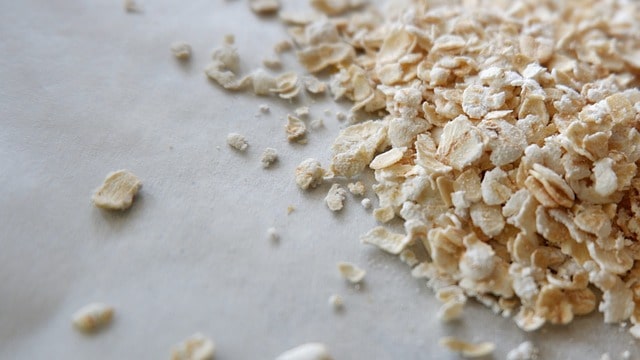
Quick Answer: Yes, chickens can eat uncooked (raw) oatmeal safely in moderation, whether dry or soaked in water. It’s a reasonable occasional treat that provides fiber, carbohydrates for energy, and some protein, but it shouldn’t replace a balanced layer feed as their main diet. Serve it as a treat, not a meal replacement, and avoid flavored or sweetened instant oatmeal packets, which often contain added sugar or salt that isn’t good for chickens.
Key Takeaways
- Raw oatmeal, dry or soaked, is safe for chickens in moderation and doesn’t need to be cooked first.
- Oatmeal should be an occasional treat, making up no more than about 10% of a chicken’s overall diet.
- Plain, unflavored oats are best — avoid instant oatmeal packets with added sugar, salt, or flavoring.
- Oatmeal offers fiber and energy but isn’t a complete source of the protein and calcium laying hens need, so it can’t replace proper layer feed.
- Introduce any new treat gradually and watch for changes in droppings or behavior, as with any dietary change.
Why Trust This Guide?
This guide is researched and written by the Spiritual Meditation Yoga editorial team, drawing on general poultry-keeping and nutrition guidance widely published by backyard chicken keeping resources and agricultural extension services. It’s intended as general information for hobby chicken keepers; if you have concerns about a specific flock’s health or diet, a poultry-experienced veterinarian is the best source of tailored advice.
Can Chickens Eat Uncooked Oatmeal?
Chickens are not just farm animals but also pets that require proper nutrition to stay healthy and happy. One common question many chicken enthusiasts ask is whether chickens can eat uncooked oatmeal or not. In this article, we guide you through the benefits and precautions of feeding your chickens uncooked oatmeal, helping you make informed decisions that contribute to their well-being.
Understanding Chicken Diet Basics
Before we dive into the specifics of feeding uncooked oatmeal to chickens, let’s take a quick look at what constitutes a balanced diet for our feathered friends.
The Essentials of Chicken Nutrition
Chickens, like all animals, require a balanced diet to thrive. The core components of a chicken’s diet should include:
- Protein for growth and egg production
- Carbohydrates for energy
- Fats for energy and nutrient absorption
- Vitamins and minerals for physiological functioning
Commercial feeds are formulated to meet all these dietary needs. However, many chicken keepers enjoy supplementing their chickens’ diet with kitchen scraps and other treats, which is where uncooked oatmeal may come in.
Can Chickens Eat Uncooked Oatmeal?
To answer the question in short: Yes, chickens can eat uncooked oatmeal. Oatmeal can be a nutritious addition to their diet, providing various health benefits. However, it should not replace a balanced poultry feed which is specifically designed for chickens.
Benefits of Uncooked Oatmeal for Chickens
Uncooked oatmeal is packed with nutrients that can be beneficial for chickens:
Whole Grains: Uncooked oatmeal is a whole grain that provides slow-releasing carbohydrates, allowing chickens to have energy throughout the day without causing spikes in blood sugar.
Proteins: Oatmeal contains proteins, which are essential for the growth, repair, and maintenance of body tissues, and particularly important for chicks and laying hens.
Fiber: The fiber in oatmeal helps with the chickens’ digestion, ensuring nutrients are absorbed and waste is excreted efficiently.
Vitamins and Minerals: It is also a good source of important vitamins and minerals like Vitamin B, iron, magnesium, and selenium, complementing their commercial feed.
How Much Uncooked Oatmeal to Feed
Even though uncooked oatmeal can be beneficial, it should be given in moderation:
- Considered as a treat, oatmeal should not make up more than 10% of your chickens’ diet. Measure out no more than this recommended portion to avoid dietary imbalances.
- Uncooked oatmeal treats can be given a few times a week as part of a varied diet.
Oatmeal vs. Standard Layer Feed: A Nutritional Comparison
Commercial layer feed is specifically formulated to provide the balanced protein, calcium, and vitamin levels laying hens need to stay healthy and produce strong-shelled eggs consistently. Oatmeal, by comparison, is higher in carbohydrates and fiber but noticeably lower in protein and virtually absent in the calcium hens need for eggshell formation. This is the core reason oatmeal works well as an occasional treat but not as a dietary replacement — relying on it too heavily can lead to nutritional gaps that show up over time as thinner eggshells or reduced egg production.
Oats Compared to Other Common Chicken Treats
Among popular chicken treats, oats sit in a reasonably healthy middle ground: less sugary than fruit, less fatty than mealworms or scratch grains loaded with corn, and gentler on digestion than many kitchen scraps. Cracked corn and scratch grains are enjoyed by chickens but are calorie-dense with comparatively little nutritional value, making oats a somewhat better everyday option when kept to sensible amounts. Leafy greens and vegetables remain the most nutrient-dense treat option overall, and mixing oats with chopped greens is a popular way to combine variety with better overall nutrition.
How to Prepare and Serve Oatmeal to Chickens
Dry raw oats can simply be scattered in the run or offered in a treat dish, and most chickens peck at them readily. Soaking oats in water for a few minutes softens them, which some keepers prefer, particularly for very young or older chickens who may find dry oats harder to eat comfortably. Mixing oats with chopped vegetables, a small amount of fruit, or mealworms is a popular way to create a more balanced treat mix rather than offering oats entirely on their own.
Oatmeal for Chicks vs. Adult Chickens
Young chicks have more specific and demanding nutritional needs than adult chickens, since they’re growing quickly, and their main diet should be a chick starter feed formulated for that stage. A small amount of soaked, finely prepared oatmeal can be offered as an occasional treat once chicks are past their first couple of weeks, but it shouldn’t displace starter feed in their diet. Adult chickens have more flexibility for treats generally, including dry or soaked oats, as long as their main diet remains a complete layer or all-flock feed appropriate for their age and purpose.
Recognizing Signs of Overfeeding Treats
If chickens are filling up on treats like oatmeal rather than their complete feed, you may notice reduced egg production, weight changes, or looser droppings over time. A simple guideline many keepers follow is the “10% rule” — treats, including oatmeal, should make up no more than about 10% of a chicken’s total daily food intake, with the remaining 90% coming from a nutritionally complete commercial feed appropriate for their life stage.
Feeding Oatmeal in Different Seasons
Warm, soaked oatmeal is a popular treat in colder months, since chickens, like many animals, benefit from warm food during cold weather, and it can be a gentle way to encourage extra eating during periods when appetite may otherwise decrease slightly with the cold. In warmer months, dry oats or oats mixed with cooling treats like watermelon or cucumber are often preferred, since a warm, wet treat is less appealing and can spoil more quickly in summer heat if left out too long.
Other Safe Human Foods for Chickens
Beyond oats, chickens can safely enjoy a range of common foods in moderation, including leafy greens like lettuce and spinach, chopped vegetables such as carrots and squash, most fruits (minus seeds and pits in some cases), cooked rice or pasta, and mealworms as a protein-rich treat. Variety is generally beneficial, both for nutrition and for keeping chickens mentally engaged through foraging behavior, as long as treats collectively stay within sensible proportions of their overall diet.
Foods to Avoid Feeding Chickens
Some common foods are genuinely unsafe for chickens and should be avoided entirely, including raw or dried beans (which contain a toxin destroyed only by proper cooking), avocado skin and pit, chocolate, caffeine, extremely salty foods, and anything moldy, since chickens are sensitive to mold toxins. Onions and garlic in very large quantities can also affect egg flavor and, in excess, chicken health, though small amounts are generally considered acceptable by most keepers.
Final Thoughts
Feeding chickens uncooked oatmeal is a simple, low-risk way to add variety to their diet when done in moderation alongside a nutritionally complete layer feed. As with any treat, the goal is balance: oats offer genuine benefits in fiber and energy, but they work best as a supplement to a proper diet, not a replacement for it. Paying attention to your flock’s overall health, egg production, and body condition over time is the best way to judge whether your current mix of feed and treats, including oatmeal, is working well for your specific birds.
Oatmeal and Molting Chickens
During molting, when chickens regrow their feathers, protein needs increase significantly, and oatmeal’s relatively low protein content means it’s not an especially useful treat for supporting this process on its own. A higher-protein treat like mealworms or a feed switch to a higher-protein formula temporarily is generally more beneficial during molt, with oats remaining fine as an occasional addition rather than a primary support food during this period.
Using Oatmeal as a Boredom-Buster in Winter
Beyond nutrition, scattering dry oats in bedding material gives chickens something to forage for, which can help reduce boredom-related behaviors like feather picking during winter months when outdoor free-ranging time is often more limited. This foraging benefit is as much about behavioral enrichment as nutrition, and it’s one of the more practical reasons keepers reach for oats specifically rather than simply adding more of their regular feed.
Homemade Chicken Treat Ideas Using Oats
Oats mix well into simple homemade chicken treats, such as a “chicken cake” made from oats, mashed vegetables, and a small amount of egg, baked until firm and cooled before serving. Frozen oat and fruit “chicken pops,” made by freezing oats with chopped fruit in a small amount of water, are a popular warm-weather treat that combines hydration, cooling relief, and the fiber benefits of oats in one. These homemade options let you control ingredients precisely and avoid the added sugar or preservatives sometimes found in commercial treat products.
Storing Oats Properly for Chicken Feed
Oats should be stored in a cool, dry place in a sealed, rodent-proof container, since they can attract pests and spoil more quickly if left exposed to moisture. Discard any oats that smell musty, appear discolored, or show any sign of mold, since moldy feed of any kind can be genuinely harmful to chickens. Buying oats in quantities you’ll use within a few months, rather than very large bulk amounts that sit for a long time, helps keep them fresh.
Do Different Chicken Breeds React Differently to Oats?
Most chicken breeds tolerate oats equally well, since this isn’t a breed-specific sensitivity issue the way it can be with certain other foods. That said, bantam or smaller breeds naturally eat less overall, so the same handful of oats represents a larger proportion of their daily intake than it would for a larger breed, which is worth keeping in mind when deciding how much to offer smaller birds.
Oats and Digestive Health in Chickens
The soluble fiber in oats can support healthy digestion in chickens, similar to its recognized benefits in many other animals, potentially helping regulate gut function when offered as part of a varied diet. This is a modest, general benefit rather than a treatment for any specific digestive issue, and a chicken showing signs of genuine digestive trouble, such as persistent diarrhea or reduced appetite, needs veterinary attention rather than a dietary tweak with oats.
Introducing Oats to a Flock for the First Time
When trying oats with your flock for the first time, offer a small amount and observe how your chickens respond over the following day, watching for any unusual changes in droppings, appetite, or behavior, though genuine adverse reactions to plain oats are uncommon. Not every chicken will necessarily like oats immediately; if some birds ignore it at first, mixing it with a treat they already enjoy, such as mealworms or chopped greens, often helps them get used to the new food.
Oats as Part of a Broader Enrichment Strategy
Beyond nutrition, treats like oats work best as part of a broader approach to flock enrichment that also includes adequate space, dust bathing areas, perches, and opportunities to forage naturally. Relying on treats alone to keep chickens content, without addressing space and environmental needs, misses much of what actually contributes to a healthy, low-stress flock, so it’s worth thinking of oatmeal as one small piece of overall chicken care rather than a solution on its own.
Comparing Rolled, Steel-Cut, and Instant Oats for Chickens
Rolled (old-fashioned) oats are the most commonly used option for chicken treats, offering a good balance of ease of eating and minimal processing. Steel-cut oats are less processed and slightly firmer, which some keepers soak briefly before serving to make them easier for chickens to eat. Instant oats are the most processed option and, aside from flavored varieties to avoid, plain instant oats are fine occasionally but offer less texture for foraging behavior compared to rolled or steel-cut varieties.
Combining Oats with Layer Pellets or Crumble
Some keepers mix a small handful of oats directly into the regular feed rather than offering it separately, which can be a simple way to add variety without needing to remember a separate treat schedule. If you take this approach, keep the proportion small, since mixing too much oatmeal into daily feed can dilute the balanced nutrition of a complete layer feed in the same way that overfeeding any treat can.
Frequently Asked Questions
Do oats need to be cooked before feeding them to chickens?
No, raw oats are safe for chickens to eat as-is, either dry or soaked in water. Cooking isn’t necessary, though some keepers prefer softened oats for very young or elderly birds.
Can chickens eat flavored instant oatmeal?
It’s best avoided. Flavored and instant oatmeal packets often contain added sugar, salt, or artificial flavoring that isn’t good for chickens in regular amounts. Plain rolled or steel-cut oats are the better choice.
How much oatmeal is too much for chickens?
Following the general treat guideline of no more than about 10% of daily intake is a sensible ceiling; oatmeal offered a few times a week in modest amounts alongside a full feed is unlikely to cause issues.
Can baby chicks eat oatmeal?
Very young chicks should focus on chick starter feed; a small amount of soaked oatmeal can be introduced as an occasional treat once they’re a bit older, but it shouldn’t be a significant part of their early diet.
Can oatmeal help chickens in extreme heat?
Cold, soaked oats mixed with water or a cooling treat like watermelon can offer some hydration and heat relief, though fresh cool water remains far more important for helping chickens cope with hot weather.