
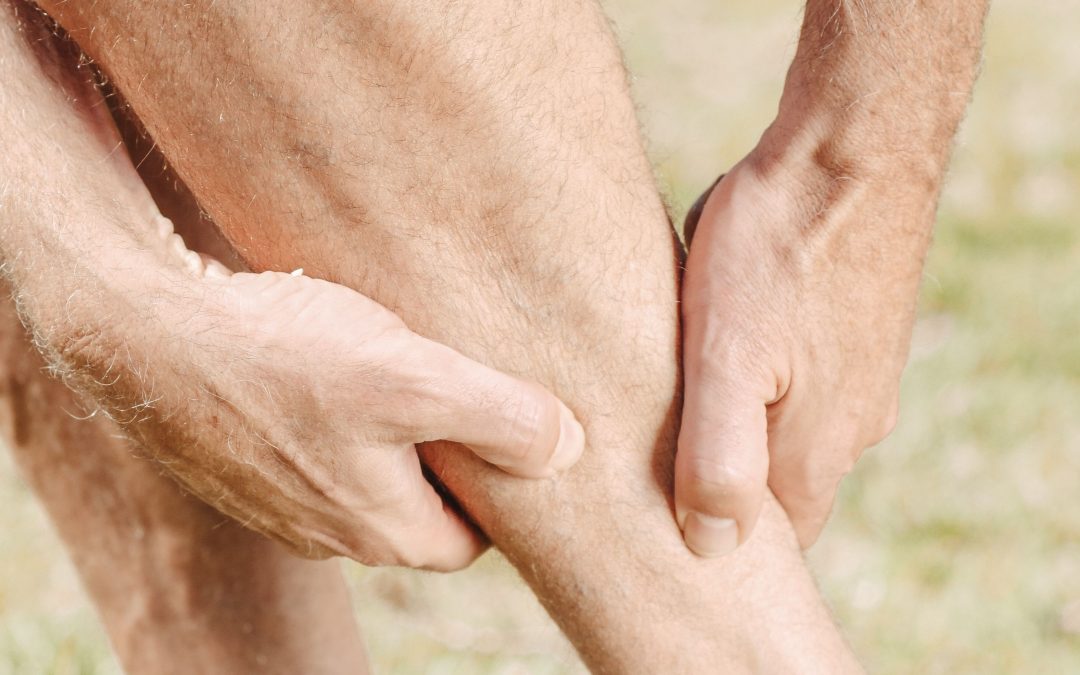
Quick Answer: When a leg cramp strikes at night, the fastest relief is to straighten the leg and gently pull your toes back toward your shin to stretch the calf, followed by massaging the muscle and applying heat. To prevent future cramps, stay hydrated, stretch your calves before bed, and avoid sitting or standing in one position for too long during the day. Most nighttime leg cramps are harmless, but see a doctor if they are frequent, severe, or come with swelling or muscle weakness.
Few things interrupt sleep as abruptly as a leg cramp. The calf muscle suddenly locks into a hard, painful knot, and the natural reaction is to jolt awake and grab your leg. Nocturnal leg cramps are extremely common, especially in older adults, pregnant women, and anyone who is very active or spends long hours on their feet.
This guide explains what’s actually happening in your muscle during a cramp, natural remedies for both quick relief and long-term prevention, and answers to the questions people ask most about leg cramps at night.
Why Trust This Guide?
The information here draws on published guidance from the Mayo Clinic and the Cleveland Clinic, and MedlinePlus from the National Institutes of Health, alongside common yoga and stretching practices used for muscle recovery. It is written for general education and does not replace a medical evaluation for cramps that are frequent or severe.
About This Guide
This article is prepared by the Spiritual Meditation Yoga editorial team, drawing on published guidance from the Mayo Clinic, the Cleveland Clinic, and MedlinePlus from the National Institutes of Health, alongside common yoga and stretching practices used for muscle recovery. It is reviewed for accuracy against current medical guidance and intended for general wellness education, not diagnosis.
Key Takeaways
- Most nighttime leg cramps involve the calf muscle and are considered idiopathic, meaning there is no single identifiable cause.
- Stretching and gently massaging the muscle is the fastest way to end a cramp already in progress.
- Regular calf stretching, hydration, and movement breaks during the day are the best-supported ways to prevent them.
- The evidence for magnesium or potassium supplements fixing cramps is weaker than commonly believed, though it may help if you’re genuinely deficient.
- Frequent, severe, or one-sided cramps with swelling or weakness deserve a medical evaluation to rule out circulation or nerve issues.
What’s Actually Happening During a Leg Cramp
A muscle cramp is a sudden, involuntary contraction that doesn’t release right away, unlike a normal muscle contraction that relaxes as soon as the movement is finished. In the calf, this often happens when the muscle is already shortened, such as when your foot points downward under a blanket, and a small trigger, like a twitch or a change in nerve signaling during sleep, sets off a spasm that the muscle can’t immediately switch off.
Researchers believe the trigger point is usually at the nerve-to-muscle junction rather than in the muscle fibers themselves. When a muscle is already shortened and fatigued, the motor neurons that control it can become overexcitable, firing repeatedly instead of settling into the brief, controlled bursts a normal contraction requires. That runaway firing is what locks the muscle into the hard, painful knot you feel, and it’s also why a strong opposing stretch, which sends a competing signal through the nervous system, is often enough to interrupt it.
Doctors call most of these idiopathic nocturnal leg cramps, meaning there isn’t one clear cause. Contributing factors include muscle fatigue from standing or exercising during the day, sitting for long periods, dehydration, pregnancy, certain medications such as diuretics and statins, and simply getting older, since muscle and nerve changes over time make cramps more common. This is a different, though related, phenomenon from the exercise-associated muscle cramps athletes get during or right after intense activity, which are thought to involve a similar nerve-excitability mechanism brought on by fatigue rather than true electrolyte loss in most cases.
Who Gets Leg Cramps Most Often
Nocturnal leg cramps can happen to almost anyone, but some groups notice them far more frequently:
- Older adults: Muscle mass and the length of tendons naturally change with age, and nerve signaling becomes less efficient, both of which raise cramp frequency substantially after age 50 or 60.
- Pregnant women: Especially in the second and third trimesters, likely from a combination of weight change, altered circulation, and shifting fluid and mineral balance.
- Athletes and highly active people: Long endurance events, hot weather, and muscle fatigue all raise the odds of a cramp during or shortly after exercise.
- People with certain health conditions: Diabetes, peripheral artery disease, kidney disease (particularly those on dialysis), and thyroid disorders are all associated with more frequent cramping.
- People on certain medications: Diuretics, statins, and some asthma inhalers have been linked to a higher likelihood of cramps in some users.
Common Signs of a Leg Cramp
- A sudden, sharp tightening in the calf, foot, or thigh
- A hard, visible knot or lump in the muscle
- Pain that can linger as soreness for hours after the cramp passes
- Cramps that wake you from sleep, often in the same leg repeatedly
9 Natural Remedies for Leg Cramps
1. Stretch the Muscle Immediately
As soon as a cramp starts, straighten your leg and pull your toes and foot back toward your shin, holding the stretch until the muscle releases. If it’s hard to reach your foot, loop a towel or belt around the ball of your foot and gently pull. This lengthens the shortened muscle fibers and is usually the fastest way to stop the spasm.
2. Massage and Knead the Muscle
Firmly rub and knead the cramped muscle with your hands to encourage it to relax and improve local blood flow. Working from the outer edges of the cramp toward the center can help the knot release faster than stretching alone in some cases.
3. Apply Heat, Then Consider Cold
A warm washcloth, heating pad, or warm shower directed at the cramped muscle helps it relax by increasing blood flow and easing tension. If soreness lingers afterward, a cold pack for 10 to 15 minutes can calm residual inflammation the way it would for any strained muscle.
4. Walk It Out
Gently walking on your heels for a few steps, or standing with weight on the affected leg, can interrupt the spasm by activating opposing muscles and stretching the calf under your own body weight.
5. Stay Well Hydrated During the Day
Dehydration is a commonly cited contributor to muscle cramping, particularly after exercise, in hot weather, or after drinking alcohol. Spreading water intake throughout the day, rather than catching up all at once in the evening, gives muscles a steadier supply of fluid.
6. Stretch Your Calves Before Bed
A short calf-stretching routine in the evening is one of the most consistently recommended ways to reduce how often nighttime cramps occur. Try a standing calf stretch against a wall, holding for 30 seconds on each side, or the yoga pose downward-facing dog, which lengthens the calves and hamstrings together.
7. Adjust Sleep Position and Bedding
Sleeping with your toes pointed can leave calf muscles in a shortened position all night, so try keeping the bedsheet and blankets loose at the foot of the bed rather than tucked tightly, which can push your feet into a pointed position. Side sleepers can place a pillow to keep the ankle in a more neutral angle.
8. Wear Supportive Footwear During the Day
Worn-out shoes, unsupportive flip-flops, or long stretches barefoot on hard floors can quietly overwork the calf and foot muscles. Switching to shoes with proper arch support, especially if you’re on your feet for hours at work, gives the same muscles a break they’d otherwise carry all day and into the night.
9. Try a Warm Epsom Salt Soak
A 15 to 20 minute foot and lower-leg soak in warm water with Epsom salt is a traditional remedy that combines two helpful elements: the warmth relaxes tight muscles, and some people find the magnesium sulfate in Epsom salt soothing, even though it isn’t well established that skin absorption delivers a meaningful dose of magnesium. As a relaxation ritual before bed, it’s a low-risk habit worth trying.
Foods That May Help Prevent Cramps
While supplements get most of the attention, getting key minerals from food is generally the safer first step and supports overall muscle and nerve health regardless of whether it eliminates cramps entirely.
- Magnesium-rich foods: Spinach and other leafy greens, almonds, cashews, pumpkin seeds, and whole grains.
- Potassium-rich foods: Bananas, potatoes with the skin on, oranges, and yogurt.
- Calcium-rich foods: Dairy products, fortified plant milks, and leafy greens like kale.
- Hydrating foods: Cucumber, watermelon, and citrus fruits, which contribute to fluid intake alongside water.
There is no strong evidence that any single food or supplement will eliminate cramps for everyone, but a diet that’s consistently low in these minerals is worth correcting regardless, and doing so through food first is generally preferred over high-dose supplements unless a doctor has identified a specific deficiency.
A Short Yoga Routine to Prevent Night Cramps
Adding a few gentle stretches to your evening routine can make cramps noticeably less frequent. Try this before bed:
- Standing calf stretch: Hands on a wall, one leg back with the heel pressed down, 30 seconds each side.
- Downward-facing dog: Hold for five slow breaths, pedaling the heels gently to stretch each calf.
- Reclining big toe stretch: Lying down, loop a strap or towel around one foot and straighten the leg toward the ceiling, holding for 30 seconds each side.
- Ankle circles: Ten slow circles in each direction, both feet, to loosen the surrounding muscles.
This kind of gentle, consistent stretching is one of the few preventive habits with fairly consistent support across clinical guidance for reducing how often nocturnal cramps occur.
When to See a Doctor
Occasional leg cramps are usually harmless, but book an appointment if you notice any of the following:
- Cramps that are frequent, severe, or disrupt your sleep on a regular basis
- Leg swelling, redness, or skin changes alongside the cramping
- Muscle weakness or wasting in the affected leg
- Cramps that started after beginning a new medication
- Cramps alongside numbness or tingling, which can point to a nerve issue such as peripheral neuropathy
A doctor can also check whether an underlying condition, such as diabetes, thyroid disease, or a circulation problem, is contributing to frequent cramping.
Frequently Asked Questions
Why do leg cramps happen more at night?
Lying down with the foot in a relaxed, pointed position shortens the calf muscle, and reduced movement during sleep may make it easier for a spasm to take hold and harder for the body to interrupt it early, unlike during the day when you’re constantly shifting position.
Do magnesium supplements actually stop leg cramps?
The evidence is weaker than popular belief suggests. Some studies show a modest benefit, particularly in pregnancy, while others show little difference from a placebo. It’s reasonable to discuss a trial with your doctor, especially if your diet is low in magnesium-rich foods like leafy greens, nuts, and whole grains.
Does pickle juice really help with cramps?
Small studies in athletes have found that a small amount of pickle juice can shorten a cramp’s duration surprisingly quickly, possibly by triggering a nerve reflex in the throat rather than through its electrolyte content. It’s a low-risk option worth trying if you keep some on hand.
Are leg cramps in pregnancy different?
Pregnant women are more prone to leg cramps, especially in the third trimester, likely due to changes in circulation, added weight, and shifting mineral needs. The same stretching and hydration strategies apply, and magnesium supplementation has somewhat better evidence specifically in pregnancy, though it should be discussed with a prenatal provider first.
Can dehydration alone cause leg cramps?
Dehydration is one contributor but rarely the only one; most nighttime cramps involve a combination of muscle fatigue, position, and individual susceptibility. Still, staying consistently hydrated is a simple, low-risk habit that supports overall muscle function.
How long does a typical leg cramp last?
Most cramps ease within a few minutes once you stretch and massage the muscle, though the area can feel tender or sore for a day afterward, similar to recovering from a hard workout.
Can certain medications cause leg cramps?
Yes. Diuretics, statins, and some asthma and osteoporosis medications have been linked to a higher risk of muscle cramping in some people. If cramps started soon after a new prescription, it’s worth mentioning to the prescribing doctor rather than stopping the medication on your own.
Is it safe to keep exercising if I get leg cramps?
Generally yes, especially if cramps are mild and infrequent. Easing into activity with a proper warm-up, staying hydrated, and gradually building up intensity rather than jumping into hard exertion can reduce exercise-related cramping.
Are leg cramps a sign of poor circulation?
Occasionally. Cramping that happens specifically during walking and eases with rest, known as claudication, can point to peripheral artery disease and is worth mentioning to a doctor. Ordinary nighttime cramps, however, are usually unrelated to circulation problems and are far more common than circulation-related cramping.
Should I stretch every day even if I only get cramps occasionally?
It’s a reasonable habit either way. Daily calf and hamstring stretching takes only a few minutes, carries essentially no downside, and has some of the most consistent support of any preventive measure for reducing how often nocturnal cramps show up over time.
Related Natural Remedies to Explore
Looking for more natural relief guides? See our articles on natural remedies for eye strain, homemade remedies for a sore throat, and our full collection of home remedy guides.