
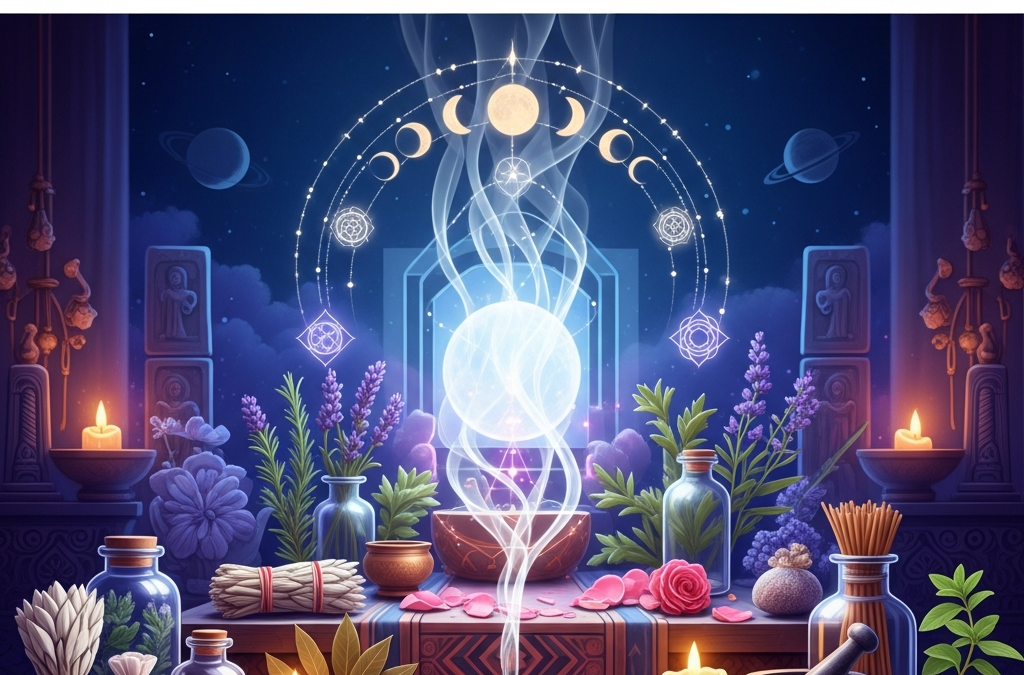
For millennia, humanity has looked to the natural world, discovering profound connections between plants and the inner spiritual landscape. The spiritual uses of herbs transcend mere physical healing, offering pathways for purification, protection, manifestation, and deep personal growth, weaving an intricate tapestry of ancient wisdom into contemporary practice.
Key Takeaways:
- Herbs have been integral to spiritual practices across diverse ancient civilizations and indigenous cultures.
- Understanding the energetic properties and intentions behind specific herbs enhances their spiritual efficacy.
- Herbs serve various spiritual functions, including cleansing, protection, attracting abundance, and fostering intuition.
- Ethical sourcing, respectful practice, and personal intention are paramount for effective and responsible spiritual herb use.
- Integrating herbal wisdom into daily life can deepen spiritual connection and promote holistic well-being.
The Profound Journey into Herbs and Their Spiritual Significance
Ancient Roots: Tracing the Spiritual Connection to Herbs
Early Civilizations and Sacred Botanicals
The ancient world was deeply intertwined with nature, seeing in the botanical realm not just physical sustenance but spiritual enlightenment. The Egyptians, known for their vast pyramids and complex belief systems, often incorporated herbs like frankincense and myrrh into religious rituals. These substances were considered sacred, their smoke carrying prayers to the divine realms during temple ceremonies. In Mesopotamia, the cradle of civilization, similar practices flourished. Laurel was famously used by the Greco-Romans, intertwined in the rituals of the Oracle at Delphi, symbolizing victory and divine insight.
Archaeological findings, including remnants in burial sites, provide concrete evidence of these spiritual uses, underlining the importance of herbs in these early societies. The physical remnants of incense burners and botanical elements found in sacrificial pits shed light on the integral role that sacred botanicals played in connecting the earthly with the divine.
Indigenous Traditions and Herbal Wisdom
Across diverse indigenous cultures, herbs continue to be pivotal in bridging the spiritual and physical worlds. Native American traditions, for example, hold sage and cedar in high esteem, using them in cleansing and protection rituals. Tobacco, considered an offering plant, serves as a connector to the spiritual world, used to communicate prayers and intentions. In African traditions, herbs and spiritual plant medicine such as kola nut carry significant ceremonial weight, acting as a medium for ancestral communication. Meanwhile, in the Amazonian cultural tapestry, mystical plants like ayahuasca enable spiritual journeys and personal healing, revered for their psychoactive properties that unlock alternate dimensions.
These practices reflect an intimate understanding of nature and its regenerative powers, fostering a profound respect for the natural world. The wealth of traditional ecological knowledge shows how deeply connected these societies are to their environments.
The Role of Shamanism and Herbal Healing
Herbs play an essential role in shamanistic traditions, where they act as powerful facilitators of healing and spiritual exploration. Shamans use plant teachers—herbs with psychoactive properties—to guide them and others into altered states of consciousness. This connection allows individuals to embark on vision quests and spiritual journeys that offer insights into personal and communal healing.
Working with herbs in this context demands a high degree of respect and intentionality. Shamans recognize the holism of mind, body, and spirit, using herbs like psychoactive mushrooms or ayahuasca in controlled, ritualistic settings to ensure safety and maximize spiritual benefits. Through these practices, herbs become spiritual conduits, enhancing clarity, insight, and healing.
Understanding Spiritual Properties of Herbs
To understand the spiritual properties of herbs, one must move beyond their chemical composition into the realm of energetic influence.
Energetic Signatures and Vibrational Frequencies
Every herb is believed to have a unique energetic signature or vibrational frequency, interacting with human energy fields like the aura and chakras. This concept of herbal energetics suggests that plants can influence patterns of energy within and around individuals, assisting in emotional, mental, and spiritual shifts. Recognizing these subtle influences requires intuition and perception, fostering a complementary relationship between the practitioner and the plant.
Classification of Spiritual Uses
- Purification: Hyssop, Rosemary
- Protection: Rue, Angelica
- Love: Rose, Lavender
- Prosperity: Bay Leaf, Cinnamon
- Divination: Mugwort, Yarrow
This categorization aids practitioners in selecting herbs based on desired spiritual outcomes.
Moon Phases and Planetary Influences on Herbal Potency
Astrological herbalism posits that the time of harvest, aligned with moon phases and planetary influences, enhances herbal potency. For example, herbs harvested on a full moon are believed to possess amplified manifesting potential, while those collected on a new moon support initiation and new beginnings. Similarly, each herb is associated with a governing planet that dictates its energetic attributes—Venus for love herbs, Jupiter for those drawing abundance. This synthesis of astrology and herbal practice allows for more focused and powerful spiritual work.
Herbs for Purification and Cleansing
Cleansing with herbs is a practice aimed at clearing negative energies and restoring balance.
Smudging Rituals
Smudging with herbs like White Sage, Cedar, and Palo Santo serves as a practice for purification and intention setting. To smudge effectively:
- Set an intention.
- Light the herb bundle and allow it to smolder.
- Fan the smoke around the body or space.
- Focus on releasing negativity and inviting positive energy.
Ethical sourcing is critical, respecting cultural origins and ensuring sustainability.
Herbal Baths for Energetic Renewal
Herbal baths use water and plant essences to cleanse the aura and reset energetic imbalances. For instance, a bath comprising Rosemary, Hyssop, and Salt offers clarity, purification, and grounding. Intention setting and ritualistic preparation enhance these benefits, culminating in a tranquil, restorative practice.
Space Clearing with Herbal Incense
Herbal incense, such as frankincense and myrrh, purifies and consecrates spaces. Burning these resins invites positivity and creates a sacred environment conducive to spiritual work. This method also provides a ritualistic way to maintain energetic cleanliness in homes and workplaces.
Herbs for Protection and Warding Off Negativity
Protection herbs establish energetic boundaries against unwanted influences.
Amulets and Charms
Herbs like Rue and Angelica are often used in amulets or charms to shield against psychic attacks and misfortune. Historically, these plants were valued for their perceived protective auras, carried in sachets or worn as personal talismans.
Home Boundaries and Protective Barriers
To spiritually fortify a home, protective herbs can be placed at entry points, such as doors and windows. Juniper berries and Black Pepper are traditional choices, acting as guardians against negative influences. Herbal washes can also cleanse and fortify these spaces, safeguarding the home environment.
Personal Shields and Auric Protection
Enhancing one’s personal energy field can be achieved with protective essential oils like Clove and Cypress. Consuming protective teas or incorporating specific herbs into meditation aids in auric reinforcement, building resilience against external stressors.
Herbs for Attracting Love and Harmony
These herbs encourage self-love, romantic attraction, and peaceful co-existence.
Self-Love and Inner Radiance
Herbs like Rose and Hawthorn nourish emotional healing, fostering self-acceptance and confidence. Used in teas or meditation, they cultivate a loving relationship with oneself, enabling personal growth and inner peace.
Attracting Romantic Love and Partnership
For drawing in love, herbs such as Jasmine and Hibiscus are traditionally used in love spells and charm bags. Their fragrant essences symbolize and attract romantic energy, though it’s essential to respect free will and ethical intentions.
Fostering Family and Community Harmony
Chamomile and Peppermint are employed to promote understanding and peace within families and communities. These herbs can be diffused or consumed in shared teas, reinforcing bonds and maintaining harmony.
Herbs for Prosperity and Abundance
Prosperity herbs attract wealth, success, and overall well-being.
Drawing Financial Wealth
To attract financial gain, herbs like Cinnamon and Bay Leaf are favored for their traditional associations with money. These herbs are used in abundance bowls or to ‘dress’ candles for money-drawing rituals.
Manifesting Opportunities and Success
Ginger’s motivational energy and Bergamot’s association with success make them valuable in rituals for personal and professional opportunities. They can be incorporated into oils or visualization practices to manifest desired outcomes.
Cultivating a Mindset of Abundance
Shifting to a mindset of abundance involves herbs like Oat Straw and Rosemary, which support gratitude and receptivity. Case studies reveal Rue’s dual nature in protection and prosperity, highlighting its cultural significance in Latin America.
Herbs for Divination, Intuition, and Dreamwork
Explore herbs that heighten psychic abilities and facilitate dream exploration.
Enhancing Psychic Abilities
Herbs known for enhancing intuition, such as Mugwort and Star Anise, are used in teas or tinctures to open the third eye, aiding in scrying or pendulum work. This enhances one’s ability to access higher spiritual insights.
Lucid Dreaming and Dream Recall
Mugwort and Calea zacatechichi facilitate vivid dreams and lucid experiences. Safe usage and responsible experimentation are paramount, as these herbs alter consciousness and are best explored with caution.
Herbal Teas for Meditation and Scrying
Specific herbal teas can open spiritual channels and deepen meditation. Recipes including herbs like Yarrow and Lavender enhance focus during scrying practices, providing spiritual clarity and insight.
Herbs for Healing and Well-being (Holistic Approach)
Beyond physical ailments, herbs address emotional and spiritual health.
Emotional Release and Heart Healing
Healing emotional wounds involves herbs like Hawthorn and Lemon Balm, which support grief release and heart healing. These can be used in teas or as floral essences to comfort and soothe emotional suffering.
Spiritual Grounding and Centering
Herbs that center and ground energy like Vetiver and Myrrh provide stability and presence. Aromatherapy and foot baths can anchor energies, especially after intensive spiritual work.
Physical Ailments with Spiritual Roots
Many physical issues may be tied to spiritual imbalances. Herbs that address these subtle causes enhance holistic recovery, integrating mind, body, and spirit for comprehensive healing.
Crafting and Preparing Herbal Tools for Spiritual Practice
Practical guidance on creating herbal implements for ritual use.
Making Sachets, Tinctures, and Oils
Craft herbal sachets, tinctures, and oils with clean tools and charged intentions. This ensures the spiritual integrity and effectiveness of the herbal creations, making the practice accessible and rewarding.
Conscious Harvesting and Ethical Sourcing
Mindful wildcrafting respects the ecosystem, requiring permissions from plants and gratitude offerings. Choose sustainable and ethical suppliers for purchased herbs to ensure responsible spiritual practice.
Storing and Preserving Spiritual Herbs
Proper drying and storage maintain herbal potency. Ideal conditions include dark, cool, and dry spaces, with airtight containers and labeled harvesting dates to retain energetic integrity.
Integrating Herbs into Daily Spiritual Practice
Herbs can be seamlessly integrated into daily life for continuous spiritual growth.
Mindful Use in Rituals and Ceremonies
Including herbs in rituals, moon ceremonies, or group gatherings amplifies intentions. Examples include burning herbs or making offerings, infusing the practice with clear purpose and focus.
Personal Altars and Sacred Spaces
Creating a personal altar involves dedicated space for spiritual work, accentuated with fresh or dried herbs. This practice empowers the space, aligning it with spiritual goals and aspirations.
Developing an Intuitive Relationship with Herbs
Move beyond prescriptive lists by cultivating personal connections with herbs through meditation, journaling, and plant communication, discovering unique spiritual messages tailored to individual needs.
Ethical Considerations and Respectful Practice
Engaging with spiritual herbal traditions requires responsibility and respect.
Cultural Appropriation vs. Appreciation
Differentiating between learning from indigenous traditions versus appropriating practices without credit or understanding is vital. Education and permission are key to maintaining respect and authenticity.
Sustainability and Wildcrafting Best Practices
Sustainable harvesting maintains ecological balance, avoiding endangered species and ensuring that overharvesting does not occur. Practitioners should follow guidelines that protect both the plants and their habitats.
Safety and Potential Interactions
Awareness of contraindications and potential interactions with medications ensures safe herbal use. Consulting healthcare professionals is recommended, offering structured guidelines for common safety concerns.
Case Studies: Herbs in Action
Real-world examples illustrate the power and cultural depth of herbs.
The Use of Sage in Native American Smudging
- Entity Clarity: Focus on Salvia apiana (White Sage) in purification, prayer, and ceremony among Native American tribes.
- Authoritative Sourcing: Highlight closed practice for non-initiates, emphasizing deep respect and meaning.
- Structured Facts: Historical use, spiritual symbolism, and burning method.
Frankincense and Myrrh in Ancient Egyptian and Abrahamic Rites
- Entity Clarity: Examine resins of Boswellia sacra (Frankincense) and Commiphora myrrha (Myrrh).
- Authoritative Sourcing: Discuss purification rituals and sacred incense in Abrahamic religions.
- Structured Facts: Historical value, divine associations, and offerings.
Lavender’s Role in European Folk Magic for Love and Peace
- Entity Clarity: Lavandula angustifolia (Lavender) within European folk traditions.
- Authoritative Sourcing: Document charm bags for love and peace from historical herbals.
- Structured Facts: Traditional applications, magical associations, and ritual uses.
A Comparative Table of Spiritual Herbs and Their Uses
Common Herbs and Their Core Spiritual Properties
| Herb | Primary Spiritual Use | Associated Energies/Elements | Common Form of Use |
|---|---|---|---|
| White Sage | Purification, Blessing | Air, Fire | Smudging, Incense |
| Lavender | Peace, Love, Calm | Air, Water | Sachet, Bath, Oil |
| Rosemary | Protection, Clarity | Fire, Sun | Bath, Incense, Charm |
| Rose | Love, Self-love, Joy | Water, Venus | Tea, Bath, Oil, Petals |
| Mugwort | Divination, Dreams | Water, Moon | Tea, Sachet, Incense |
| Cinnamon | Prosperity, Passion | Fire, Sun | Powder, Oil, Incense |
| Frankincense | Consecration, Cleansing | Fire, Sun | Resin, Incense |
| Myrrh | Protection, Mourning | Water, Moon | Resin, Incense |
| Bay Leaf | Wishes, Victory | Fire, Sun | Burning, Sachet |
| Rue | Protection, Exorcism | Fire, Mars | Sachet, Wash |
| Hyssop | Purification, Healing | Water, Jupiter | Bath, Infusion |
| Peppermint | Cleansing, Prosperity | Air, Mercury | Tea, Diffuser, Sachet |
Specific Ritual Applications and Intentions
This table provides a quick reference guide and examples for herbal selections based on specific spiritual intentions.
FAQ: Common Questions About Spiritual Herb Use
How do I choose the right herb for my intention?
The key is intuition and research. Begin with well-known herbs, observe effects, and align choices with intentions. Clear goals ensure herbs function effectively as spiritual allies.
Can I grow my own spiritual herbs?
Yes, growing your own herbs provides fresh supply and strengthens connection with plant allies. Consider their needs for soil, sunlight, and care for successful cultivation.
Are there any herbs to avoid for spiritual beginners?
It’s wise to be cautious with potentially toxic or psychoactive herbs. Seek supervision if needed, especially with high-energy or culturally sensitive plants.
What is the difference between medicinal and spiritual uses?
While many herbs serve both, spiritual use focuses on energetic properties rather than biochemical effects. Overlap occurs, enriching both areas of practice.
How important is intention when using herbs spiritually?
Intention is crucial. Herbs amplify focused will and belief, bridging mind, body, and spirit through combined purpose and action.
Conclusion: Embracing the Herbal Path to Spiritual Growth
Recap of the Journey
The interwoven history, applications, and wisdom of spiritual herbs underscore their enduring significance. From ancient civilizations to modern practices, herbs continue to offer valuable insights and support.
Encouraging Personal Exploration
Readers are urged to enrich their spiritual journey with personal experience and continuous learning of plant allies, enhancing spiritual fulfillment and understanding.
The Continuing Legacy of Herbal Wisdom
The bond between humanity and the plant kingdom remains unbroken, providing avenues for ongoing healing, protection, and spiritual evolution, preserving ancestral knowledge for future generations.